
Culture is easily one of the most fascinating parts of being human. It dictates how we celebrate life’s big moments, what we cook, how we express ourselves through art, and how we pass our core values down to the next generation. Every community carries a distinct blend of stories, customs, and lived experiences that together make up our global landscape.
Exploring world culture goes far beyond snapping photos of famous landmarks or skimming a list of traditional customs. It is about understanding the real people and deep histories behind those traditions. From vibrant neighborhood festivals and centuries-old architecture to home-cooked meals, regional music, and daily rituals, culture offers endless ways to look at the world with fresh eyes.
What Is World Culture?
At its heart, world culture represents the shared traditions, beliefs, arts, languages, lifestyles, and historical roots of diverse communities across the globe.
No culture develops in a vacuum. It evolves over centuries, shaped by geography, historical events, religion, migration, trade, political shifts, and simple day-to-day interactions between neighboring groups. Some practices have remained unchanged for thousands of years, while others adapt constantly to fit the modern world.
You can spot culture in nearly every corner of daily life, including:
- Food and traditional cooking techniques
- Language, dialects, and idioms
- Clothing, textiles, and fashion
- Music, rhythm, and dance
- Art, literature, and folklore
- Festivals, seasonal holidays, and community gatherings
- Architecture and civic spaces
- Family structures and social customs
- Handicrafts and traditional trades
Paying attention to these elements brings us closer to understanding the people who practice them.
Why Is Cultural Diversity Important?
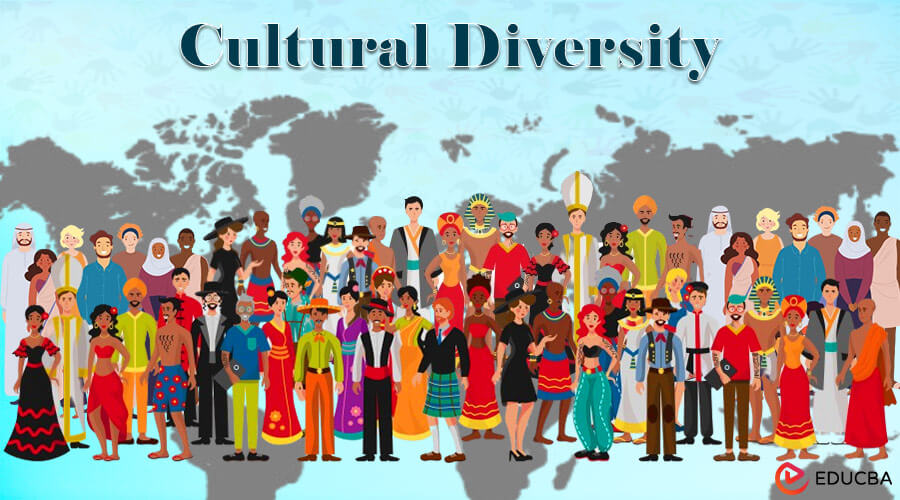
Diversity keeps the world dynamic and gives us the chance to learn from one another. Different communities approach family, work, art, food, and social connection from entirely different angles. Learning about these variations breaks down stereotypes, reduces misunderstandings, and reminds us that there is never just one “right” way to navigate daily life.
Cultural cross-pollination is also the engine of global creativity. Much of the music, fashion, architecture, and food we enjoy today exists because different cultures met and exchanged ideas.
At the same time, protecting this diversity is critical. When languages, traditional crafts, and oral histories stop getting passed down to younger generations, they can vanish quickly. Supporting cultural education and local heritage helps keep these invaluable traditions alive.
The Role of History in Culture
History and culture are deeply intertwined. Major historical events—migrations, conflicts, technological breakthroughs, and social movements—leave lasting marks on the customs we practice today.
Old buildings and monuments offer physical proof of earlier eras. Museums safeguard artifacts that reveal how ordinary people once lived, while traditional folklore often holds memories of real historical events.
Approaching history through a cultural lens makes the past feel far more tangible. Instead of memorizing dates and names from a textbook, you get to explore what people ate, what they wore, how they built their homes, and what kind of music filled their days. It turns abstract history into a human story.
Festivals and Cultural Celebrations
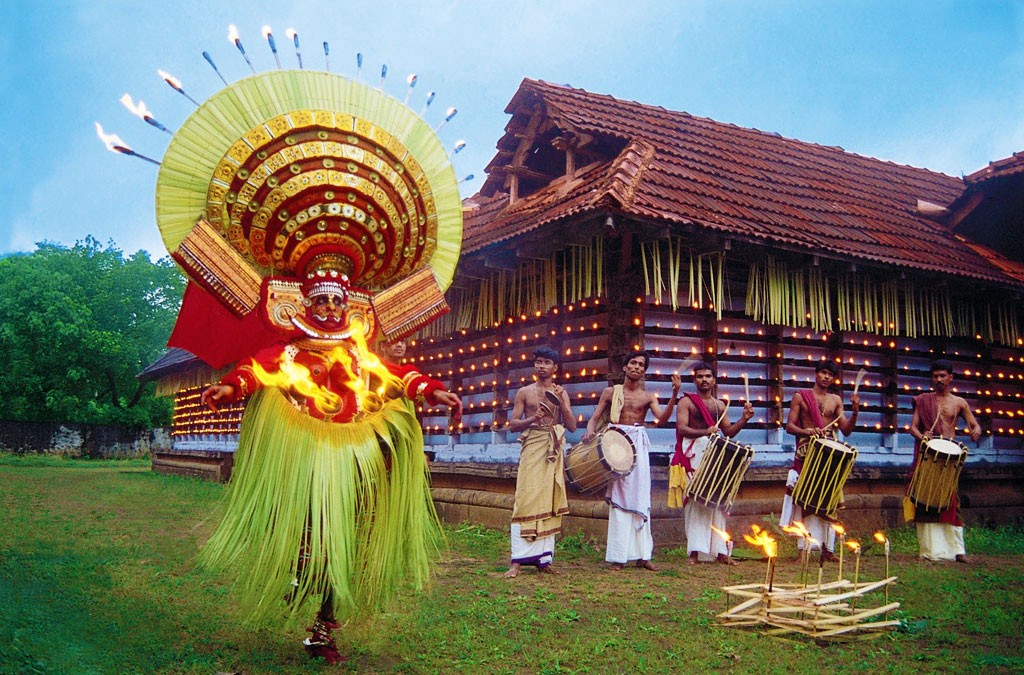
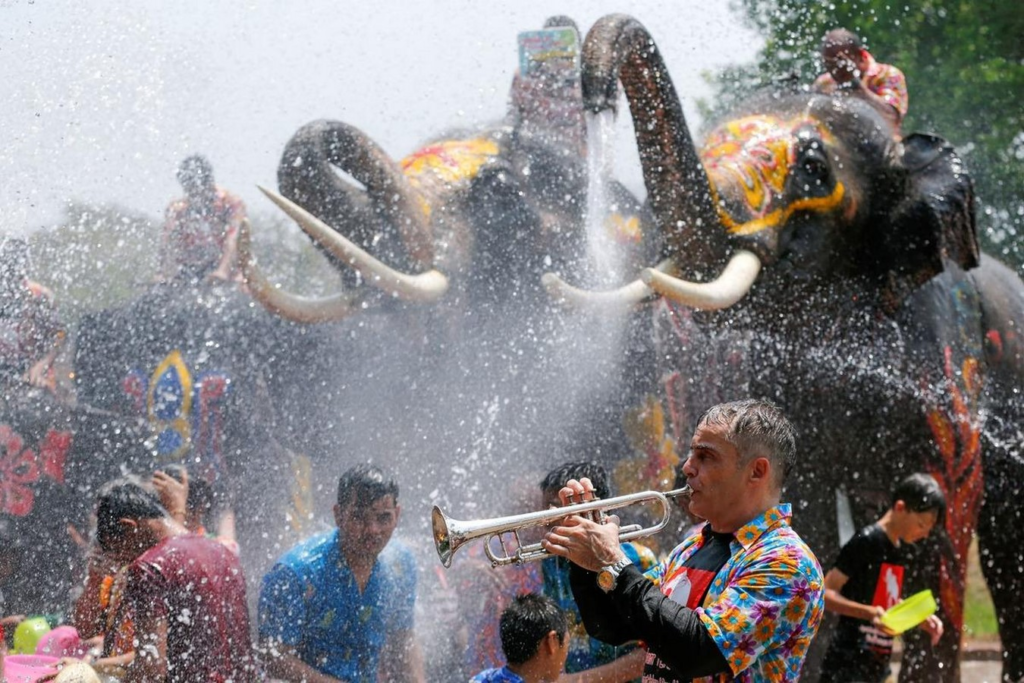
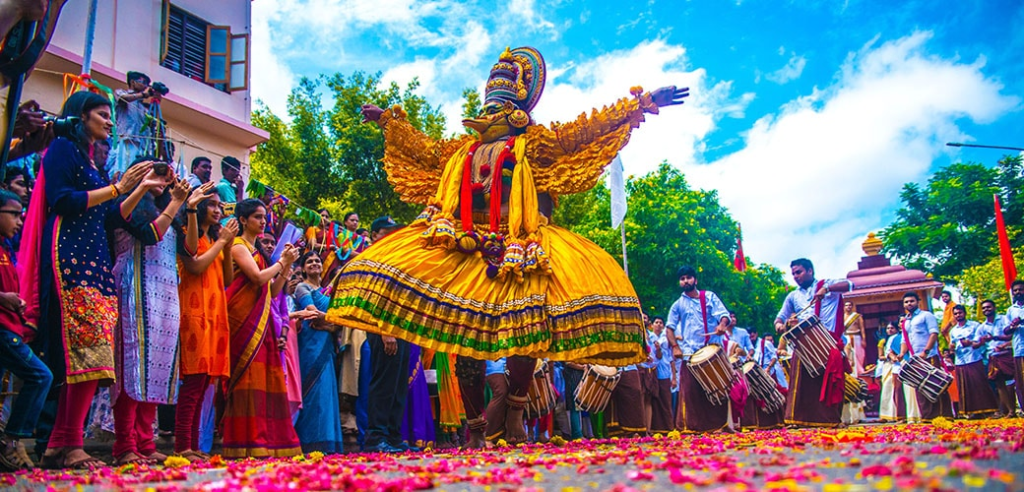
Festivals are among the liveliest expressions of any culture. They bring communities together through a shared mix of ritual, food, music, traditional dress, and family gatherings.
Around the world, people celebrate for endless reasons—the changing of seasons, historical victories, good harvests, religious holidays, or local milestones. Yet despite their regional differences, most festivals share universal themes: gratitude, hope, remembrance, and the joy of coming together.
Participating in a local festival while traveling offers an unforgettable look into a community’s soul. That said, visitors should always approach these events with respect and check whether specific rituals are open to outsiders.
Traditional Food and Cultural Identity
Food is perhaps the most approachable gateway into any culture. Recipes passed down through generations carry the history, trade routes, and natural environment of a region right on the plate.
A community’s cuisine is dictated by local soil, climate, available ingredients, and historical trade connections. A single dish can tell you what season it is, what religious tradition is being observed, or what a family values most.
Diving into food culture means looking past popular restaurant menus. Visiting neighborhood markets, learning about regional spices, or watching how a traditional meal is prepared reveals how deeply food is tied to local identity. It also shows how connected we are—ingredients and cooking techniques have crossed borders for centuries, constantly birthing new culinary traditions.
Art, Music, and Dance
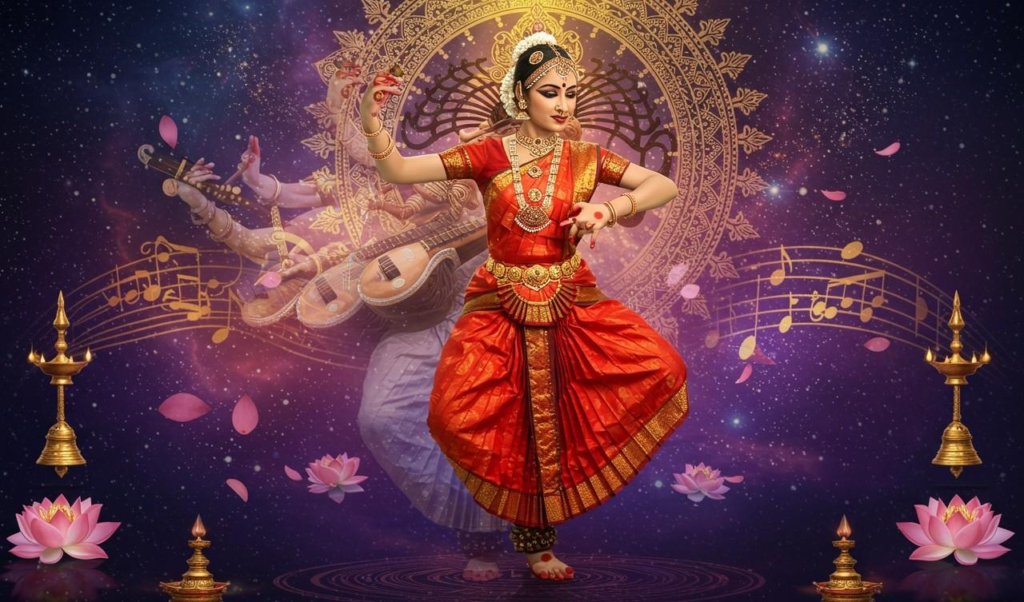
Visual and performing arts offer direct insight into a community’s inner life. Paintings, pottery, textiles, carving, and jewelry reflect local resources, aesthetics, and values.
Music and dance carry that same weight. The distinct tone of a traditional instrument, the pattern of a dance step, or the design of a performance costume often carry centuries of tradition.
Importantly, culture isn’t a museum piece. Modern artists frequently reinterpret traditional forms, blending historical techniques with contemporary ideas. This ongoing dialogue between past and present keeps cultural traditions active and relevant.
Languages and Stories
Language is the primary vehicle for culture. It holds regional humor, untranslatable expressions, shared memories, and unique ways of interpreting the world.
Alongside language sits storytelling. Folktales, myths, epics, and oral histories have long been used to teach values, share history, and entertain.
Today, many indigenous and regional languages face extinction. When a language dies, we lose an entire archive of cultural knowledge, environmental understanding, and human perspective. Preserving native languages and encouraging younger generations to speak them is vital work.
Architecture and Cultural Heritage
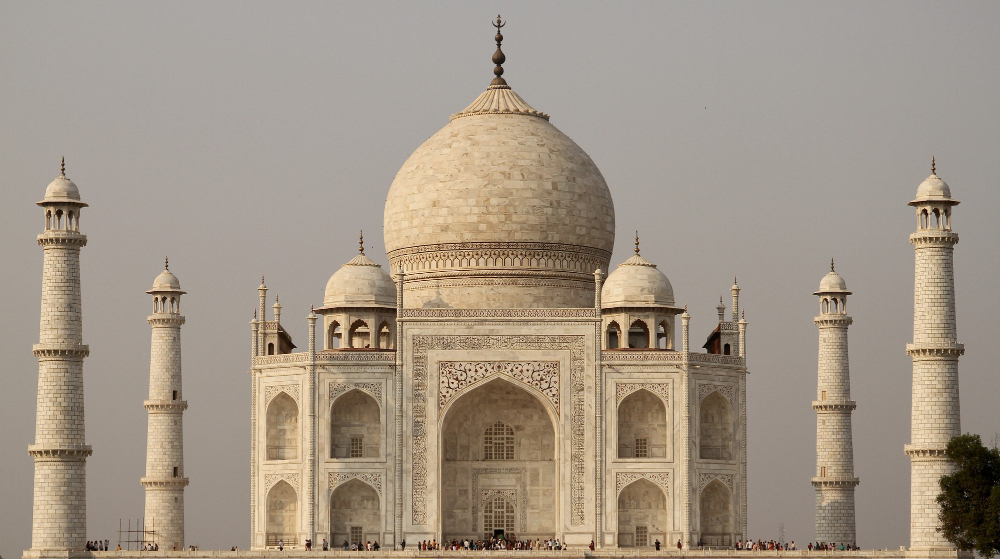
You can learn a lot about a society just by looking at its buildings. Traditional homes, places of worship, marketplaces, and civic structures reflect local building materials, weather patterns, engineering skills, and artistic tastes.
These historic structures ground modern cities in their past. They also draw global travelers, driving education and supporting local economies. However, tourism must be managed thoughtfully. Overcrowding, pollution, and neglect can easily ruin historical sites. Visitors can do their part by respecting local guidelines, staying on designated paths, and supporting businesses that prioritize preservation.
Traditional Clothing and Fashion
What people wear reveals volumes about their history, environment, occupation, and social norms. Traditional garments often feature specific weaves, embroidery patterns, colors, and accessories that signify identity or status.
While Western-style clothing has become widespread globally, many people proudly wear traditional dress during weddings, holidays, and formal ceremonies. Modern fashion designers also draw heavy inspiration from traditional textiles and techniques. When appreciating these designs, it helps to understand their cultural context rather than viewing them merely as passing trends.
Experiencing Culture Through Travel
Travel offers one of the best ways to experience global diversity firsthand. To get past the surface, try shifting focus from major tourist traps to everyday local life.
| Meaningful Cultural Experiences | What to Avoid |
|---|---|
| Exploring neighborhood markets and local grocers | Staying strictly inside tourist resorts |
| Learning basic phrases in the local language | Assuming everyone speaks your language |
| Hiring local guides for historic neighborhood tours | Treating sacred sites as mere photo backdrops |
| Attending public traditional performances | Expecting foreign destinations to match home comforts |
| Supporting local artisans and family-owned diners | Buying mass-produced souvenir knockoffs |
The ultimate goal of cultural travel should always be to learn and connect, not just to watch from the sidelines.
Respectful Cultural Exploration
Good cultural exploration always starts with humility. Customs often carry deep religious or historical meanings that aren’t obvious to an outsider right away.
Before joining a ceremony or taking photos of locals, take a moment to learn the basic etiquette. Many sacred or community spaces require specific dress codes, quiet behavior, or restricted access.
It’s equally important to avoid leaning on quick stereotypes. No single dish, outfit, or holiday can represent an entire group of people. Finally, make an effort to keep your travel spending local by choosing independent lodging, guides, and eateries so the community directly benefits from your visit.
How Technology Shapes Cultural Discovery
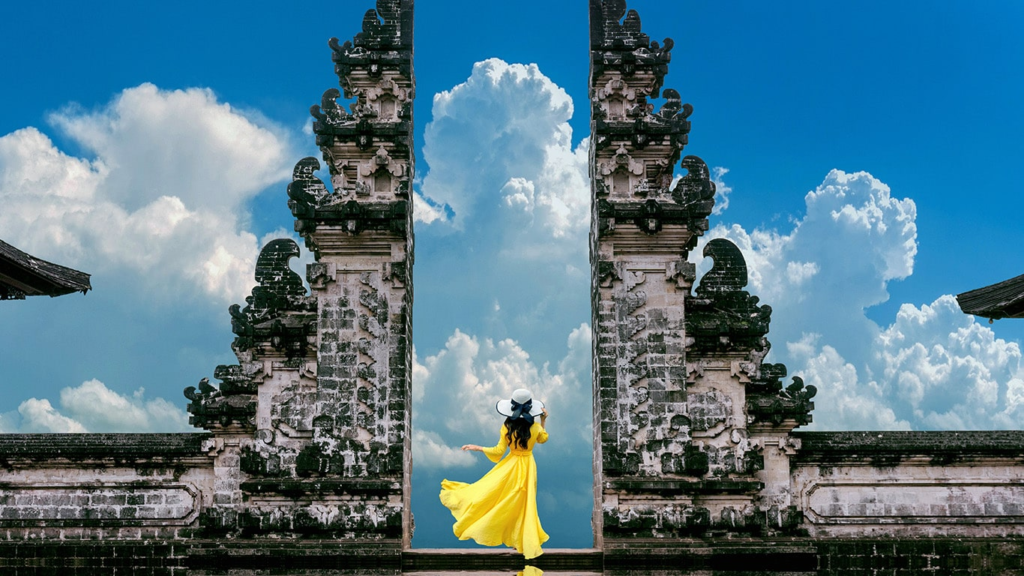
Technology has made the world significantly smaller. Today, you can tour world-class museums, read historical archives, watch cultural documentaries, and view virtual exhibits from a smartphone. Social media gives creators, cooks, and musicians a direct line to share their heritage with a global audience.
Digital tools also play a massive role in preservation—helping linguists record endangered dialects, archivists catalog old manuscripts, and historians map heritage sites in 3D.
That said, not everything online is accurate. Digital content can sometimes flatten or distort traditions for quick clicks, so it pays to cross-check information with reputable museums, local voices, and academic sources.
Protecting Cultural Heritage
Cultural heritage comes in two main forms:
- Tangible Heritage: Physical objects and places, such as historic buildings, artwork, ancient ruins, tools, and monuments.
- Intangible Heritage: Living expressions, such as spoken languages, musical traditions, performing arts, oral stories, and traditional craftsmanship.
Protecting both forms keeps communities grounded in their history. You can support this work by visiting local museums, purchasing directly from traditional artisans, honoring historical sites, and passing accurate stories down to younger generations.
Culture Is Always Evolving
Culture is never static. It shifts and reshapes itself as people move, communicate, adapt, and invent.
Global trade, migration, digital connection, and education naturally influence how societies live today. A community can hold tightly to its roots while simultaneously inventing brand-new traditions. This ongoing evolution isn’t a loss of identity—it’s proof that a culture is alive and thriving. Culture isn’t just something stored in history books; it is actively created every day by the people who live it.
FAQ’s
1. What is world culture?
World culture includes the traditions, customs, languages, art, food, history, and lifestyles of communities around the globe.
2. Why is cultural diversity important?
Cultural diversity helps people understand different perspectives and preserves unique traditions and heritage.
3. How can I explore different cultures?
You can explore cultures through travel, food, music, festivals, museums, books, films, and conversations with local people.
4. What is cultural heritage?
Cultural heritage includes historic places, traditions, languages, artwork, crafts, stories, and practices passed between generations.
5. How can travelers respect local cultures?
Learn local customs, follow community rules, dress appropriately when required, ask before taking photographs, and avoid stereotypes.