Culture plays an important role in shaping how people live, communicate, celebrate, and understand the world around them. It includes traditions, languages, food, clothing, music, art, festivals, and social values passed from one generation to another. In 2026, modern culture continues to evolve as technology, global connections, education, and changing lifestyles influence everyday life.
Although society is becoming more modern, traditional customs and cultural values remain meaningful. People are finding new ways to balance their cultural backgrounds with modern ideas. From celebrating traditional festivals through digital platforms to combining classic fashion with contemporary styles, culture continues to develop while maintaining its connection to the past.
Understanding Modern Culture

Modern culture refers to the changing habits, lifestyles, beliefs, and creative expressions of people in today’s society. It reflects how communities respond to new technologies, social developments, global influences, and changing expectations.
Unlike traditional culture, which often follows long-established customs, modern culture is more flexible and continuously develops. People explore different ideas, learn about other communities, and adopt new ways of expressing themselves.
Modern culture can be seen in everyday activities, including fashion choices, entertainment, communication, education, and social interactions. For example, people now use digital platforms to discover new music, follow international trends, and learn about cultural practices from different parts of the world.
However, modern culture does not mean leaving traditional values behind. Instead, it creates opportunities to combine cultural heritage with contemporary lifestyles.
How Traditions Influence Modern Society
Traditions provide a connection between generations and help communities maintain their cultural identity. Family celebrations, religious festivals, traditional clothing, and local customs continue to influence modern lifestyles.
Many families still celebrate important occasions using customs passed down by their elders. At the same time, younger generations introduce new decorations, music, technology, and creative activities into these celebrations.
For example, traditional Indian festivals such as Diwali, Holi, and Navratri are celebrated with modern decorations, social media sharing, online shopping, and digital greetings. These changes make celebrations more convenient while preserving their cultural importance.
Traditional values such as respect, hospitality, family relationships, and community participation also influence modern society. Even as lifestyles change, these values continue to guide personal relationships and social behaviour.
Technology and Cultural Development
Technology has changed the way people discover, share, and experience culture. Social media platforms, streaming services, websites, and digital communities make cultural information accessible to people across the world.
Today, individuals can explore international music, traditional recipes, historical places, and cultural festivals without travelling to another country. Online videos and educational platforms also help people understand the history behind different cultural practices.
Digital platforms provide opportunities for artists, musicians, photographers, and creators to introduce their cultural work to wider audiences. Traditional art forms can reach younger generations through videos, online exhibitions, and educational content.
For example, a traditional dance performance can now be recorded and shared online, allowing people from different countries to appreciate its movements, costumes, and history.
However, it is equally important to use digital platforms responsibly and respect the original meaning of cultural practices. Technology should support cultural understanding rather than encourage inaccurate representations.
Globalization and Cultural Exchange

Globalization has brought people from different countries and backgrounds closer together. International travel, education, business, entertainment, and online communication have increased cultural exchange.
People regularly experience different cuisines, clothing styles, music, languages, and traditions. International food trends, for example, have introduced dishes from different countries into everyday dining experiences.
Cultural exchange encourages people to learn about different communities and appreciate their unique identities. It also creates opportunities for collaboration in art, fashion, education, and entertainment.
International events and cultural festivals allow communities to share their customs, performances, and traditional products with visitors. These experiences can develop greater awareness and encourage meaningful connections.
At the same time, communities need to protect their local traditions and ensure that cultural practices are represented respectfully. Appreciating another culture should involve understanding its background rather than simply following popular trends.
Modern Fashion and Traditional Clothing
Fashion is one of the clearest examples of how traditional culture influences modern lifestyles. Designers and clothing brands often combine traditional patterns, fabrics, embroidery, and craftsmanship with contemporary designs.
Traditional Indian clothing such as sarees, lehengas, and kurta sets continues to remain popular during weddings, festivals, and family celebrations. Modern styling, comfortable fabrics, and creative designs make these outfits suitable for changing preferences.
Similarly, traditional clothing from different countries is gaining attention through international fashion events and social media platforms.
Younger generations are also experimenting with traditional accessories, handmade jewellery, ethnic prints, and modern footwear. This combination allows people to express their cultural identity while exploring modern fashion trends.
Fashion also provides opportunities to support local artisans and traditional textile industries. Choosing handmade products and regional designs can help preserve valuable craftsmanship.
Food as an Expression of Culture
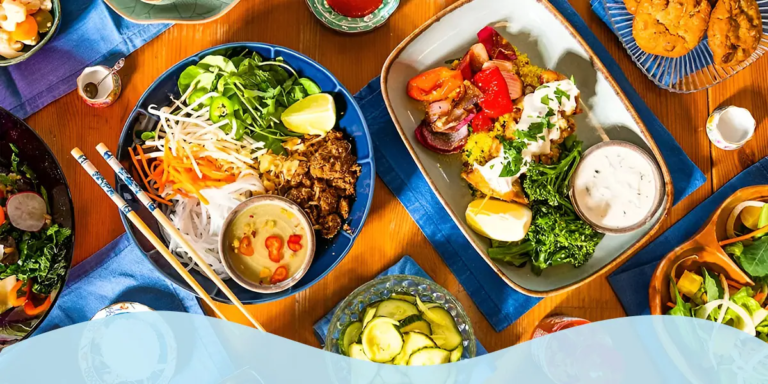
Food is an important part of cultural identity because it reflects local ingredients, cooking methods, family traditions, and regional history.
Traditional dishes are often prepared during festivals, weddings, and special family occasions. Recipes passed down through generations help preserve cultural knowledge and create meaningful connections.
Modern food culture has also introduced new cooking techniques, international cuisines, fusion dishes, and convenient meal options. Restaurants and home cooks regularly experiment with different flavours to create interesting dining experiences.
For example, traditional Indian flavours are now being combined with international cooking styles to create new food experiences. Regional dishes are also receiving attention through food blogs, cooking videos, and online recipe platforms.
While these innovations offer variety, traditional recipes continue to hold a special place in many households. Preparing family recipes is one way people maintain their connection with their cultural background.
Music, Dance and Entertainment

Music and dance are powerful forms of cultural expression. They communicate stories, emotions, historical experiences, and community values.
Traditional dance forms such as Bharatanatyam, Kathak, and Garba continue to be performed during cultural programmes, festivals, and special events. These art forms represent years of practice, creativity, and cultural knowledge.
Modern music genres, films, and digital entertainment have also influenced how younger generations experience creativity. People can discover regional songs, international artists, traditional instruments, and different performance styles through streaming platforms.
Online platforms make it easier for traditional performers and independent artists to share their work with international audiences. Cultural performances can also attract new learners who want to understand and practise traditional art forms.
The combination of traditional performance styles and modern entertainment helps cultural art forms remain relevant in changing times.
Language and Cultural Identity
Language is closely connected to cultural identity because it carries traditions, stories, expressions, and knowledge from one generation to another.
Although English and other widely spoken languages are common in modern communication, regional and local languages remain important in everyday life.
People use digital platforms to publish regional stories, create educational videos, share poetry, and promote local literature. These activities help younger generations connect with their linguistic heritage.
Language also influences how people express emotions, maintain family relationships, and communicate community values. Traditional sayings, folk stories, and regional expressions often carry important lessons about history and everyday life.
Learning different languages can improve communication and encourage greater understanding between communities. Preserving local languages is equally important because every language represents a unique part of human cultural heritage.
Challenges in Preserving Cultural Heritage

Modern society offers many opportunities for cultural development, but preserving traditional heritage can sometimes be challenging.
Younger generations may become less familiar with traditional languages, crafts, customs, and local art forms. Rapid urban development and changing lifestyles can also affect cultural practices.
Some important challenges include:
- Declining Traditional Skills: Certain crafts and artistic techniques may disappear when fewer people learn them.
- Language Loss: Some regional languages receive less attention among younger generations.
- Changing Lifestyles: Busy schedules can reduce participation in traditional community activities.
- Cultural Misrepresentation: Social media trends may sometimes present traditions without proper context.
- Limited Awareness: People may not fully understand the history behind their cultural customs.
Education, community participation, cultural events, and digital preservation can help address these challenges.
Families, schools, cultural organisations, and local communities can encourage younger people to learn traditional skills and understand their cultural importance.
The Role of Education in Cultural Awareness

Education plays an important role in helping people understand cultural diversity and appreciate different traditions. Schools, colleges, museums, and community programmes can introduce students to regional history, traditional art, literature, and cultural celebrations.
Cultural education also encourages respect for different lifestyles and backgrounds. Students who learn about different communities can develop a better understanding of social values, historical experiences, and cultural differences.
Workshops, exhibitions, traditional performances, and local festivals provide practical opportunities to experience cultural heritage. These activities make learning more interesting and help preserve traditional knowledge.
Parents and grandparents also contribute to cultural education by sharing family stories, teaching traditional recipes, and explaining the meaning behind important customs.
The Future of Modern Culture
The future of culture will continue to be influenced by technology, creativity, education, and international connections. Digital archives, virtual exhibitions, online learning, and interactive cultural experiences may create new ways to preserve and explore heritage.
Young creators will also play an important role in introducing traditional art, music, fashion, and storytelling to modern audiences. Their creative ideas can make cultural activities more accessible and interesting for future generations.
At the same time, local communities will remain important in protecting traditional knowledge. Supporting regional artists, learning local languages, participating in festivals, and purchasing handmade products can help maintain cultural practices.
Cultural development should include respect for local communities and historical traditions. Progress does not require forgetting the past. Instead, society can use modern opportunities to protect cultural knowledge and share it with future generations.
FAQ’s
1. What is modern culture?
Modern culture includes today’s lifestyles, beliefs, trends, and creative expressions.
2. How do traditions influence society?
Traditions preserve cultural identity, values, and connections between generations.
3. How does technology affect culture?
Technology helps people discover, share, and preserve cultural knowledge.
4. Why is cultural diversity important?
It encourages respect and understanding of different communities.
5. How can we preserve cultural heritage?
We can preserve it through education, festivals, local languages, and traditional arts.
The Factor News team
Written and checked by the people who run Factor News.