Culture is an important part of everyday life. It influences how people communicate, celebrate special occasions, prepare food, dress, create art, and build relationships with others. Every community has its own traditions, values, customs, and beliefs that make it unique. These cultural elements are passed from one generation to another, helping people understand their history and maintain a connection with their roots.
In 2026, culture continues to evolve as technology, travel, education, social media, and globalization bring people closer together. Traditional practices are finding new ways to exist in modern society. People are exploring their cultural identities while also learning about different communities around the world.
For example, traditional clothing is becoming popular in modern fashion, regional food is gaining international attention, and cultural festivals are reaching wider audiences through digital platforms. At the same time, younger generations are finding creative ways to preserve their languages, music, crafts, and family traditions.
Modern cultural trends are not simply about changing old customs. They are also about understanding their meaning and finding ways to keep them relevant. Let’s explore the major cultural trends shaping modern society in 2026.
Globalization Is Connecting Different Cultures
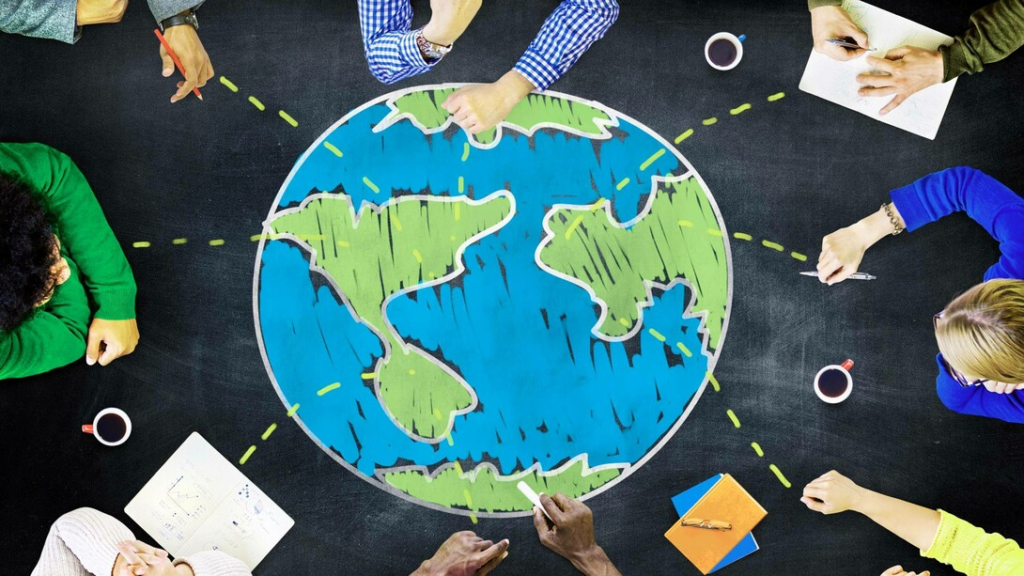
Globalization has made it easier for people to experience cultures beyond their own communities. International travel, online communication, education, and entertainment allow individuals to learn about different lifestyles and traditions.
People can explore Japanese food, Indian festivals, African music, European architecture, and Latin American dance without necessarily visiting those countries. This exchange of cultural experiences encourages curiosity and helps people understand different perspectives.
Food is one of the clearest examples of cultural exchange. International restaurants, fusion recipes, and regional cooking styles are becoming familiar in many cities. Fashion, music, and films also introduce audiences to cultural influences from around the world.
However, globalization also creates challenges. Some traditional practices may receive less attention when international trends become more popular. Maintaining a balance between cultural exchange and local heritage is important.
Traditional Festivals Are Finding New Audiences
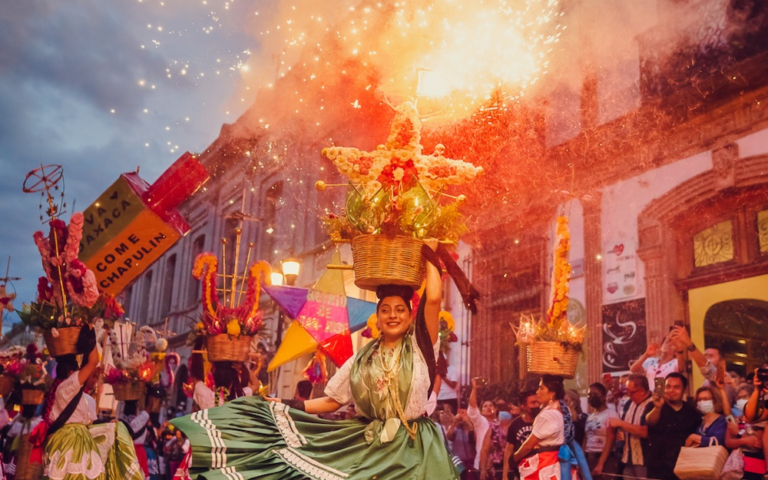
Festivals bring communities together and provide opportunities to celebrate shared history, beliefs, and traditions. Events such as Diwali, Christmas, Eid, Holi, Lunar New Year, and Thanksgiving hold cultural significance for millions of people.
In 2026, traditional festivals are reaching wider audiences through social media, online events, and digital storytelling. People share photographs, videos, recipes, decorations, and celebrations with friends and family across different countries.
For younger generations, festivals are also an opportunity to understand family traditions and cultural values. Schools, community groups, and cultural organizations organize events that introduce children to traditional celebrations.
Modern celebrations may include digital invitations, environmentally friendly decorations, and contemporary entertainment. Despite these changes, the original meaning of festivals remains important.
The combination of traditional customs and modern celebrations helps keep cultural events meaningful for changing generations.
Traditional Fashion Is Influencing Modern Style

Lookbooks We Love: Payal Khandwala
Fashion is closely connected to cultural identity. Traditional clothing often represents regional history, craftsmanship, climate, and community values.
In recent years, traditional designs have become an important influence on contemporary fashion. Handwoven fabrics, embroidery, ethnic patterns, and regional textiles are appearing in modern clothing collections.
In India, sarees, kurtas, lehengas, and handcrafted accessories are being styled in new ways for everyday wear and special occasions. Similar developments can be seen in other countries, where designers incorporate traditional patterns and materials into contemporary outfits.
This trend also creates opportunities for local artisans and small businesses. Supporting handmade products can help preserve traditional skills and provide income for craft communities.
At the same time, designers and brands should respect the cultural origins of the designs they use. Understanding the meaning behind traditional clothing makes fashion more meaningful than simply following a visual trend.
Food Culture Is Bringing Communities Together
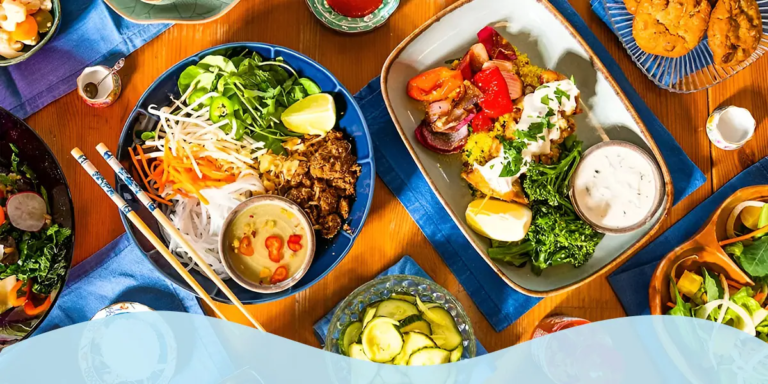
Food is more than something people eat every day. It carries stories about family traditions, regional history, agriculture, celebrations, and community identity.
Traditional recipes are often passed down through generations. A particular dish may remind someone of childhood memories, family gatherings, or important cultural celebrations.
Modern food culture is creating opportunities for people to explore regional and international cuisines. Restaurants, cooking videos, food festivals, and travel experiences are introducing audiences to new ingredients and preparation methods.
Fusion cooking is another growing trend. It combines elements from different culinary traditions to create new dishes. While this approach encourages creativity, preserving authentic regional recipes remains equally important.
People are also showing greater interest in understanding where their food comes from. Local ingredients, seasonal cooking, traditional preparation methods, and regional specialties are receiving attention.
Food continues to serve as a powerful connection between personal memories and cultural heritage.
Social Media Is Changing Cultural Expression

Make A Vlog Before Dance Performance
Social media has become an important platform for sharing cultural experiences. People use digital platforms to introduce traditional dances, regional languages, local festivals, handmade crafts, and historical stories to larger audiences.
A traditional performance recorded in a small community can reach viewers across the world within a short time. This creates opportunities for artists, musicians, educators, and cultural organizations to share their work.
Short videos, online discussions, digital exhibitions, and educational content are also helping younger audiences discover traditions they may not encounter in everyday life.
However, cultural information shared online is not always accurate. Some traditions may be presented without proper context, while others may be simplified for entertainment.
Responsible content creation is important. Creators should provide accurate information, respect cultural practices, and acknowledge the communities connected to the traditions they share.
Regional Languages and Cultural Identity
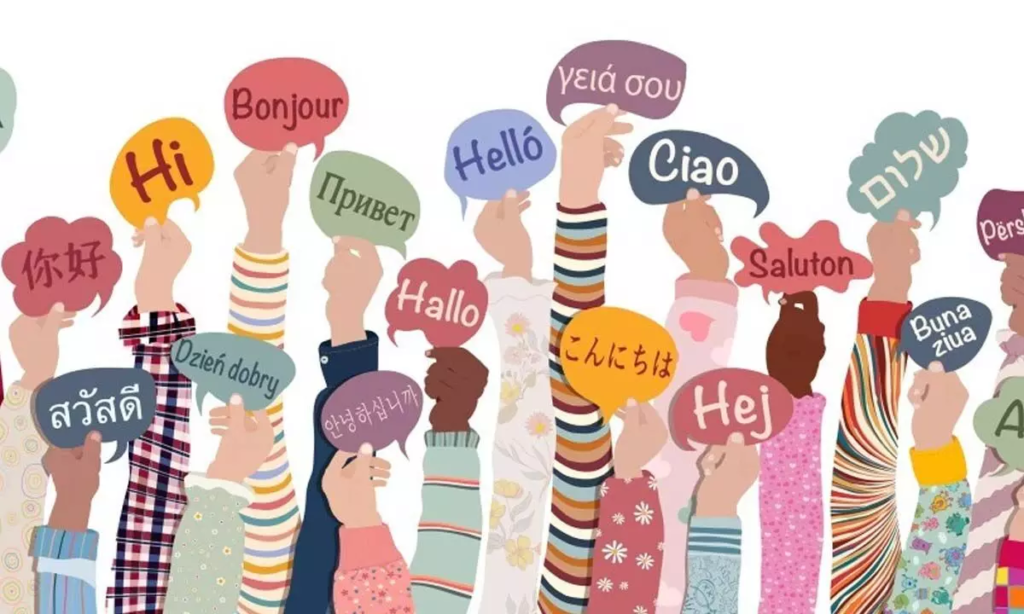
Language is one of the strongest connections between people and their cultural backgrounds. It carries traditional stories, expressions, songs, literature, and knowledge that have developed over generations.
Many communities are making efforts to preserve regional and indigenous languages. Digital dictionaries, online learning platforms, podcasts, and educational videos are helping people discover languages that may not receive widespread attention.
In India, languages such as Hindi, Bengali, Tamil, Marathi, Gujarati, Punjabi, and Malayalam represent different literary traditions and regional identities. Each language has its own expressions, stories, and cultural significance.
Younger generations are also finding creative ways to use their native languages through social media, music, films, and digital storytelling.
Preserving languages is important because losing a language can also mean losing valuable cultural knowledge. Encouraging children to learn and use their mother tongues can help maintain this connection.
Traditional Arts and Handicrafts Are Gaining Recognition
Traditional arts and handicrafts represent the creativity, skills, and history of different communities. Pottery, weaving, painting, embroidery, wood carving, and handmade jewelry are examples of crafts that have been practiced for generations.
In 2026, traditional craftsmanship continues to attract attention as people become more interested in handmade and locally produced items.
India has several distinctive art forms, including Madhubani painting, Warli art, Pattachitra, Kalamkari, and block printing. These styles reflect regional stories, natural surroundings, religious influences, and community traditions.
Online marketplaces and social media provide artisans with opportunities to showcase their work beyond local markets. Customers can discover handmade products and learn about the people who create them.
Supporting traditional crafts helps preserve artistic knowledge and creates economic opportunities for local communities.
However, authentic craftsmanship requires time and skill. Recognizing the work behind handmade products can encourage greater appreciation for cultural heritage.
Music and Dance Are Connecting Generations
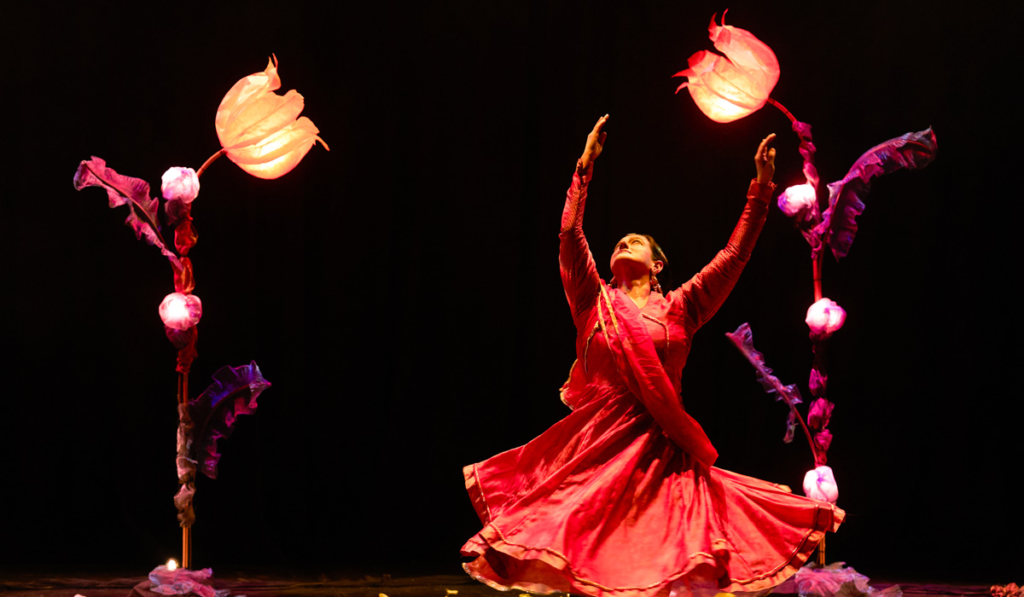
Noticias de Reinado Municipal del Folclor información en tiempo real
Music and dance are important forms of cultural expression. They communicate emotions, celebrate important events, and preserve stories that may not always be recorded in written history.
Traditional music styles continue to influence modern entertainment. Folk instruments, regional rhythms, classical compositions, and traditional singing techniques are being introduced to new audiences through concerts, films, and digital platforms.
Similarly, traditional dance forms are gaining attention through cultural performances and educational programs.
India has a rich variety of classical and folk dance traditions, including Bharatanatyam, Kathak, Odissi, Bhangra, Garba, and Lavani. Each form has its own movements, costumes, musical styles, and cultural background.
Modern musicians sometimes combine traditional instruments with contemporary music. These creative collaborations introduce cultural sounds to younger listeners while keeping traditional influences alive.
Learning music and dance can also encourage discipline, creativity, and appreciation for different cultural traditions.
Sustainable Living Is Becoming Part of Cultural Practices
Sustainability is increasingly influencing how people think about their lifestyles, shopping habits, food choices, and celebrations.
Many traditional communities have long practiced resource-conscious living. Using natural materials, repairing household items, preparing seasonal food, and reusing everyday products are examples of practices that can reduce waste.
Modern society is rediscovering some of these ideas as environmental awareness grows.
For example, people are choosing reusable decorations during festivals, supporting local artisans, purchasing handmade products, and exploring traditional methods of food preparation.
Traditional architecture also offers useful lessons. Some older building designs use natural ventilation, shaded spaces, and locally available materials to respond to regional climates.
Combining traditional knowledge with modern environmental research can create practical approaches to sustainable living.
It is important to remember that not every traditional practice is automatically sustainable. Understanding local conditions and environmental effects is necessary when adapting older methods to modern lifestyles.
Cultural Tourism Is Supporting Local Communities
Cultural tourism allows travelers to explore the history, traditions, architecture, food, and everyday lifestyles of different destinations.
Instead of visiting only popular attractions, many travelers are interested in understanding local communities and their heritage.
They may participate in cooking experiences, visit historical sites, attend cultural festivals, explore traditional markets, or learn about regional handicrafts.
India offers many cultural travel experiences. Rajasthan is known for its forts, palaces, folk music, and traditional crafts. Kerala offers opportunities to explore local festivals, architecture, and performing arts. Varanasi is recognized for its historical significance, religious traditions, and cultural life.
Responsible cultural tourism can provide income for local businesses and artisans. It can also encourage the preservation of historical buildings and traditional practices.
Visitors should respect local customs, follow community guidelines, and avoid treating cultural traditions merely as entertainment.
Young Generations Are Redefining Cultural Traditions
Younger generations play an important role in how culture develops. They often combine family traditions with modern interests, creating new ways to express their identities.
For example, young people may wear traditional clothing with contemporary accessories, prepare family recipes using modern cooking techniques, or celebrate festivals with digital invitations and creative decorations.
They are also using online platforms to discuss cultural history, share regional stories, and introduce traditional art forms to international audiences.
Education and communication between generations are important in this process. Older family members can share personal experiences, traditional knowledge, and stories that may not be available in textbooks.
Young people can then preserve these traditions while adapting certain practices to modern lifestyles.
Cultural change does not always mean losing traditional values. It can also mean finding new ways to understand and celebrate them.
The Importance of Preserving Cultural Heritage
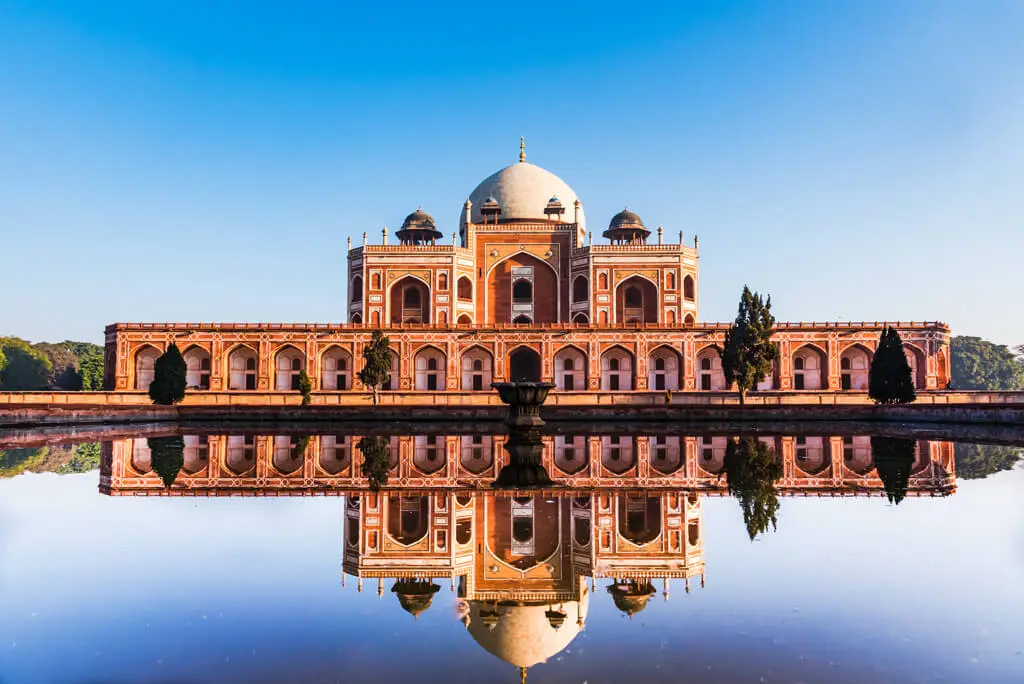
Cultural heritage includes historical buildings, monuments, languages, traditional knowledge, artwork, music, literature, and community practices.
Preserving this heritage is important because it helps future generations understand where their communities came from and how their identities developed.
Museums, libraries, educational institutions, cultural organizations, and local communities all contribute to heritage preservation.
Technology is providing additional opportunities through digital archives, online exhibitions, historical photographs, and virtual museum experiences.
However, preserving culture requires more than storing photographs and historical information. Traditional skills, languages, performances, and community knowledge also need active support.
Families can contribute by sharing stories, celebrating meaningful traditions, teaching children regional languages, and supporting local artists.
Even small efforts can help maintain a connection with cultural history.
How to Stay Connected With Your Cultural Roots
Staying connected with culture does not require following every tradition exactly as previous generations did. It begins with understanding the meaning behind cultural practices and making an effort to appreciate them.
Here are some simple ways to maintain a connection with cultural heritage:
- Learn about your family’s history and traditional customs.
- Celebrate cultural festivals and understand their significance.
- Explore regional food and traditional recipes.
- Support local artists, craftspeople, and small businesses.
- Learn your mother tongue or another regional language.
- Visit museums, historical places, and cultural exhibitions.
- Share traditional stories and knowledge with younger generations.
- Respect the customs and values of other communities.
These activities can help people develop a deeper appreciation for their own backgrounds while building respect for cultural diversity.
Conclusion
Cultural trends in 2026 show how traditions and modern lifestyles can influence each other. Globalization, social media, fashion, food, music, tourism, and technology are changing the ways people experience and share culture.
Although some customs are evolving, traditional values, languages, art forms, and community celebrations continue to play an important role in society.
The goal is not to prevent cultural change but to make sure that meaningful traditions are understood, respected, and preserved. By supporting local communities, learning about different cultures, and sharing heritage with younger generations, people can help keep cultural identity alive.
FAQs
1. What are the major cultural trends in 2026?
Traditional fashion, global festivals, digital culture, and cultural diversity.
2. How does globalization influence culture?
It connects communities and encourages the exchange of traditions and ideas.
3. Why is cultural heritage important?
It preserves history, traditions, identity, and knowledge for future generations.
4. How does social media promote culture?
It helps people share traditional music, food, festivals, and artwork.
5. How can young generations preserve traditions?
They can learn regional languages, celebrate festivals, and support traditional arts.
Do you like this personality?
The Factor News team
Written and checked by the people who run Factor News.