
Mental health refers to your emotional, psychological, and social well-being. It affects how you think, feel, and behave. Good mental health helps you cope with the daily stresses of life, maintain healthy relationships, and enjoy life to the fullest. But with poor mental health, you may find the ways you think, feel, or react become very negative and, in extreme cases, to cope with. It can feel just as bad as a physical illness.
In some cases, a person’s mental health may lead to incontinence. For instance, a mental health disorder could mean the person is too confused or distracted to get to the bathroom in time, causing incontinence. On the other hand, incontinence can also contribute to poor mental health. Being a profoundly embarrassing condition to most, it leads to a shrinking away from social contacts and, therefore, from social activities, risking loneliness, low self-esteem, depression, and anxiety. Additionally, anxiety and stress can also contribute to urinary incontinence. These conditions can cause the muscles and nerves that control the bladder and bowel to tense up, increasing pressure on the bladder and bowel. This can cause urinary urgency, frequency, or leakage, as well as difficulty with bowel movements.
Both physical and mental health are interconnected, and caring for one can help improve the other. By understanding how physical and mental health influence each other and how to optimize both for quality of life, you can live a happier, healthier, more fulfilling life.
Tips For Improving Both Mental And Physical Health
Now that you know how physical and mental health is linked, here are some tips you can use:
1. Get Moving With Regular Exercise And Muscle Training
Exercising regularly helps not only improve your physical health but also increases your energy and stamina. At the same time, exercise can also help you improve your mental health — reduce feelings of depression and stress, and enhance your mood and overall emotional well-being. The better your physical state, the easier it is to see the world positively.
It also has the added benefit of improving muscle mass and strength, building bones, and reducing body fat. Studies have shown that overweight and obese women who lost between 5% and 10% of body weight saw improvements in continence.
2. Eat A Balanced Diet


If you’re struggling with your mental or physical health, there could be a relatively easy fix: Make conscious efforts and develop healthy eating habits of a balanced diet, a rainbow of fruits and vegetables, and nutrient-dense foods from other food groups. Not only do you reduce your risk of chronic diseases and some cancers, but you also get to improve your gut health and enhance your mood.
However, certain foods have been linked to urinary incontinence, such as honey, citrus juice & fruits. Hence, choose your foods carefully and stop eating or cut back on drinks or foods that may cause bladder symptoms.
3. Get Plenty Of Sleep
Sleep is a natural state of rest for the body and mind. As you drift off into slumber, your body gets to rest and rejuvenate, repairing tissues and boosting your immune system. Plus, your mind is freed from the worries and stress of the day. Without enough sleep, you’ll have to operate with less energy and might find concentrating harder. Worse, poor sleep impacts moods and may increase frustration and irritability.
Suppose you are continuously not getting enough sleep. In that case, you increase the chances you develop heart disease, diabetes, and high blood pressure, among other conditions.
By developing healthy sleep habits every night — between seven to nine hours as a guide — you can sharpen your learning and problem-solving skills while increasing your attention span, creativity, and decision-making.
4. Stay Hydrated
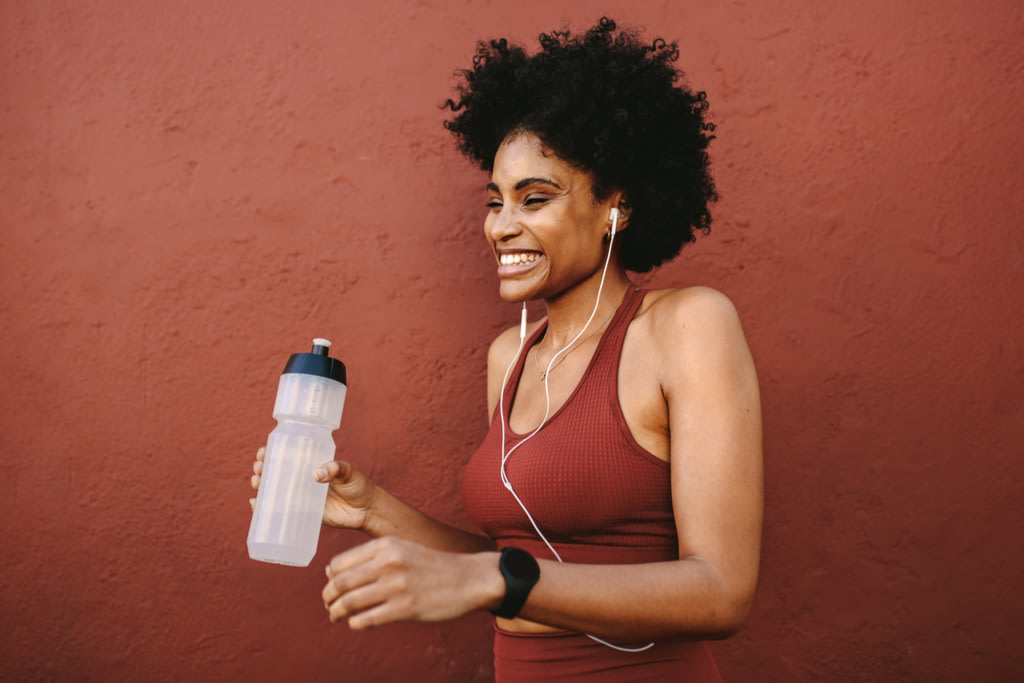
Staying hydrated is a vital healthy habit for your body because water is essential for many bodily functions, like regulating body temperature, lubricating joints, and ensuring your organs work normally. Furthermore, more than half of the human body is made up of water.
When you don’t drink enough water, your body can become dehydrated, leading to a host of problems such as headaches, fatigue, dizziness, and even confusion. In more severe cases, it can even lead to heat stroke, which can be dangerous.
How much water your body needs depends on your size, activity level, and where you live. In general, ensure you have enough fluids to pass urine every few hours to remove metabolic products and toxic wastes filtered from your kidneys.
A more pressing question, if you have incontinence, is how much water you should drink. There’s no fixed quantity, but a good gauge is to pay attention to your bladder urges during fluid intake. Also, pay attention to the type of beverages, as some may irritate the bladder.
5. Stretch Regularly To Improve Flexibility
Stretching exercises can be beneficial to strengthen the muscles that support the bladder and other pelvic organs, in addition to improving your posture, improve your posture and increase blood flow to your muscles which helps reduce muscle soreness and stiffness.
And it can be a great way to relax and reduce stress because when you stretch, you focus on your breath and your body, which can help you feel more centered and calm. For instance, Yoga could help relieve the symptoms of incontinence. The breathing techniques improve blood flow throughout the body, which helps keep the pelvic area healthy. The mula bandha (root lock) is one of Yoga’s best pelvic floor muscle exercises. It strengthens the pelvic floor muscles, which helps prevent urine leakage.
It’s important to note, however, that every individual’s situation is unique, and it’s always a good idea to speak with a healthcare provider or a physical therapist before beginning any new exercise routine. They can help you determine which exercises are best for your specific needs. They can also help ensure that you’re performing them correctly.
6. Take A Break From Screens
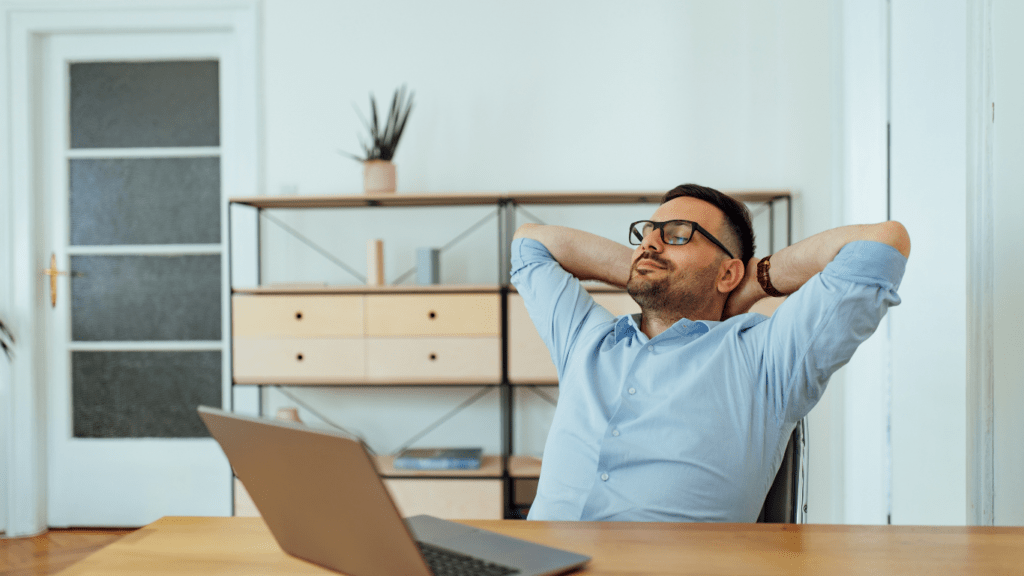
While taking a break from screens may not have a direct impact on incontinence, it can still have a positive effect on overall pelvic floor health. For instance, if you spend long periods sitting in front of a screen, you may be neglecting the pelvic floor muscles. This can contribute to weak or tight pelvic floor muscles, which can be a factor in urinary incontinence.
Taking a break from screens and engaging in other activities, like going for a walk or doing a yoga class, can help you move your body muscles and engage your pelvic floor muscles.
Additionally, taking a break from screens and engaging in other relaxing activities, like meditation or deep breathing, can help reduce feelings of stress and anxiety. Stress is a known trigger for urinary incontinence. By lowering stress levels, you can also reduce the frequency or severity of incontinence episodes. And it improves sleep and less strain on the eyes.
While taking a break from screens may not be an immediate solution for incontinence, it’s still an important healthy habit to implement. A digital break can positively impact overall pelvic floor health and reduce incontinence symptoms.
7. Practice Mindfulness
Mindfulness involves paying attention to the present moment without judgment or distraction. Practicing mindfulness can help reduce stress and anxiety, common triggers for incontinence. When you are stressed or anxious, your body produces hormones that can affect the pelvic floor muscles, leading to incontinence.
In addition to reducing stress and anxiety, mindfulness can help improve your awareness and attention to your body. By learning to recognize the signals that indicate the need to go to the bathroom, you can develop better control over your bladder and reduce the frequency or severity of incontinence episodes.
8. Connect With Others
Anyone knows that dealing with incontinence can be embarrassing and isolating. And it is prevalent among women. So if you feel this way, talking with others experiencing the same issues may be helpful. These individuals can also provide additional advice for managing the symptoms.
You can also approach your healthcare professional about local or online support groups for incontinence or contact National Association for Continence, which provides resources to help connect people with support groups.
9. Take Care Of Your Skin

A urine leak is not only uncomfortable but also harms your skin.
When urine comes into contact with your skin, it can cause irritation, redness, and even sores or infections. Also, prolonged moisture exposure can weaken your skin and make it more susceptible to further damage.
That’s why taking care of your skin is essential when managing incontinence. If you use absorbent products, change them frequently to help keep your skin dry and reduce the risk of leaks or accidents.By following these simple steps, you can help protect your skin and manage the effects of incontinence more effectively. Remember, taking care of your skin is integral to overall health and well-being and can help you feel more comfortable and confident in your daily life.
FAQ’s
1. What are the basics of a healthy lifestyle?
Regular movement, balanced meals, enough sleep, hydration, stress management, and good daily habits are important foundations.
2. How can I improve my wellness every day?
Start with small changes, such as taking regular walks, eating nutritious foods, staying hydrated, and maintaining a consistent sleep routine.
3. Why is sleep important for wellness?
Good sleep supports energy, concentration, mood, and the body’s normal recovery processes.
4. How can I manage everyday stress?
Try activities such as walking, breathing exercises, relaxing hobbies, social connection, or taking short breaks from demanding tasks.
5. Do small healthy habits really make a difference?
Yes. Consistent, manageable habits can add up over time and make healthy living easier to maintain.