
Politics and public policy influence many parts of everyday life, from education and healthcare to jobs, taxes, transportation, technology, and the economy. Yet political discussions can often feel complicated because they involve government decisions, laws, institutions, public debates, and different points of view.
Understanding these topics does not mean following every political argument or becoming an expert overnight. It simply means knowing how governments work, how policies are created, and why important decisions can affect individuals and communities.
What Is Politics?
Politics is broadly about how societies make collective decisions and how power and responsibility are distributed. Governments, elected representatives, political parties, public institutions, and citizens all play different roles in this process.
Political discussions can cover a wide range of subjects, including economic policies, education, healthcare, national security, employment, environmental protection, infrastructure, and social programs.
Politics also involves competing priorities. One group may believe that a particular policy should focus on reducing costs, while another may prioritize expanding public services. Understanding these differences can help people evaluate political debates more thoughtfully.
What Is Public Policy?
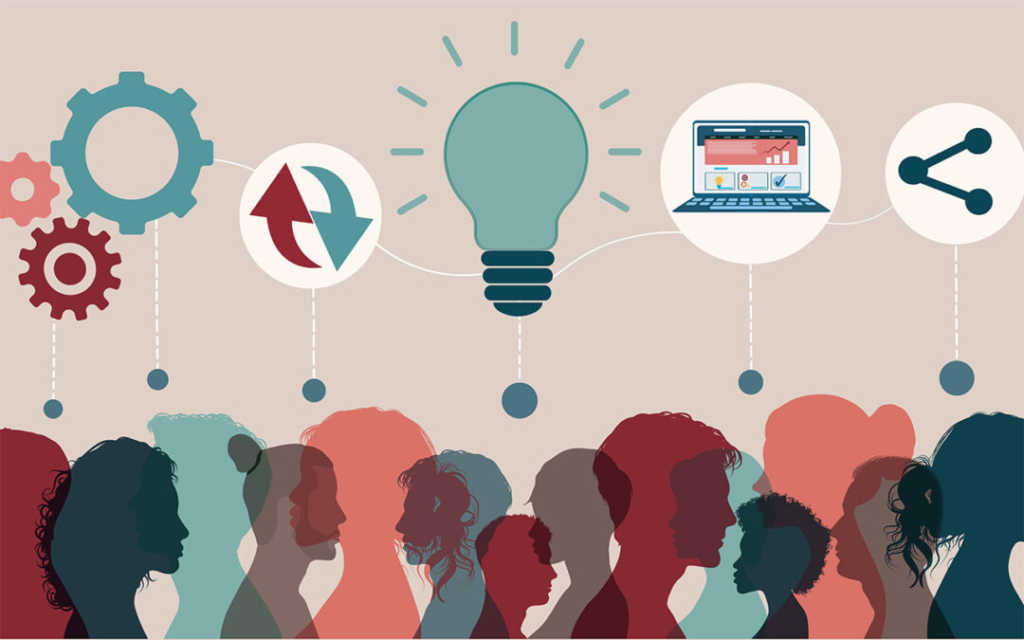
Public policy refers to the plans, rules, actions, and decisions governments use to address public issues.
For example, a government might introduce policies related to:
- Education and schools
- Healthcare services
- Employment and business
- Transportation
- Environmental protection
- Digital technology
- Public safety
- Taxation
- Housing
- Infrastructure
A policy can affect people directly or indirectly. Some policies provide services or financial support, while others establish rules that individuals and organizations must follow.
How Government Decisions Are Made
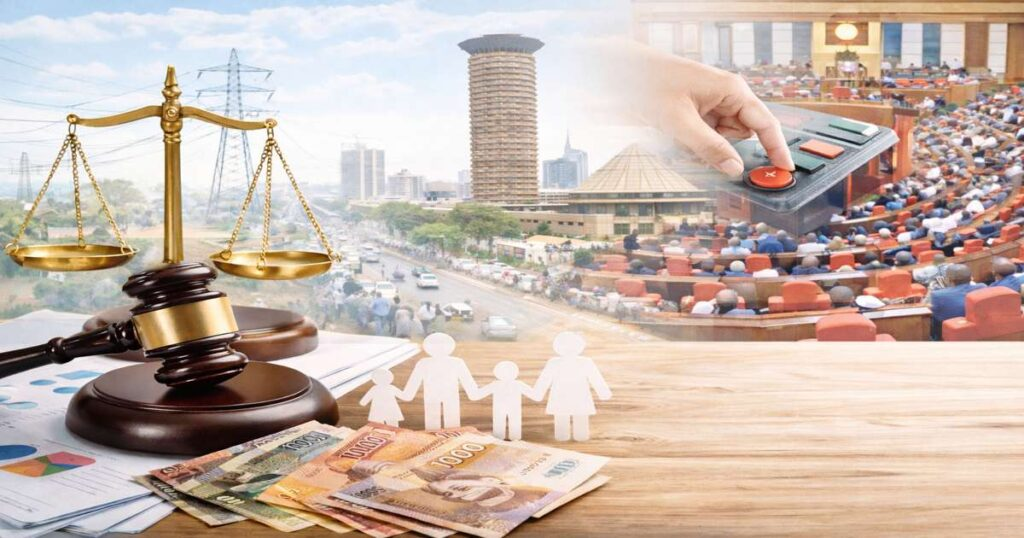
Government decisions usually involve several stages rather than happening instantly.
An issue may first receive public attention because of changing economic conditions, community concerns, research, elections, or a major event. Government departments and policymakers may then study the issue and consider possible solutions.
Depending on the type of decision, proposals may be debated, reviewed, changed, approved, implemented, and later evaluated.
This process can vary significantly between countries and levels of government. National, regional, and local governments may each have different responsibilities.
Understanding Laws
Laws are formal rules established through a country’s legal and governmental system. They can define rights and responsibilities, establish standards, regulate activities, and create legal consequences for certain actions.
It is important to distinguish between a law, a policy, and a political proposal.
A proposal is an idea that may still be under discussion. A policy can describe a government’s approach or plan for dealing with an issue. A law is a legally established rule that can be enforced through the legal system.
Knowing this difference makes it easier to understand political news without confusing announcements, proposals, and actual legal changes.
Why Current Issues Matter
Political and policy issues are constantly changing. Economic conditions, technological developments, international events, elections, environmental concerns, and public opinion can all influence government priorities.
For example, artificial intelligence has created new discussions around privacy, employment, education, copyright, and responsible technology. Similarly, climate policies can involve questions about energy, transportation, industry, and environmental protection.
These issues often have no single simple answer. Different communities may experience the effects of a policy differently, which is why public discussion and evidence are important.
How to Read Political News More Carefully

Political information can come from newspapers, television, websites, social media, government announcements, and individual commentators. Not every source presents information in the same way.
A good approach is to check the original source whenever possible. If a story discusses a new law, look for the official government announcement or legal document. If it discusses statistics, check where the numbers came from.
It is also useful to separate facts from opinions.
A factual statement might describe what a government has officially announced. An opinion may explain whether someone believes that decision is good or bad.
Keeping these two things separate can make political information much easier to understand.
Why Government Transparency Matters
Transparency helps citizens understand how important decisions are made and how public resources are being used.
Government reports, official announcements, legislation, budgets, statistics, and public records can provide valuable information. When reliable primary sources are available, they are often better starting points than social media posts or headlines.
Transparency also allows people to ask informed questions about government performance and policy outcomes.
The Role of Citizens
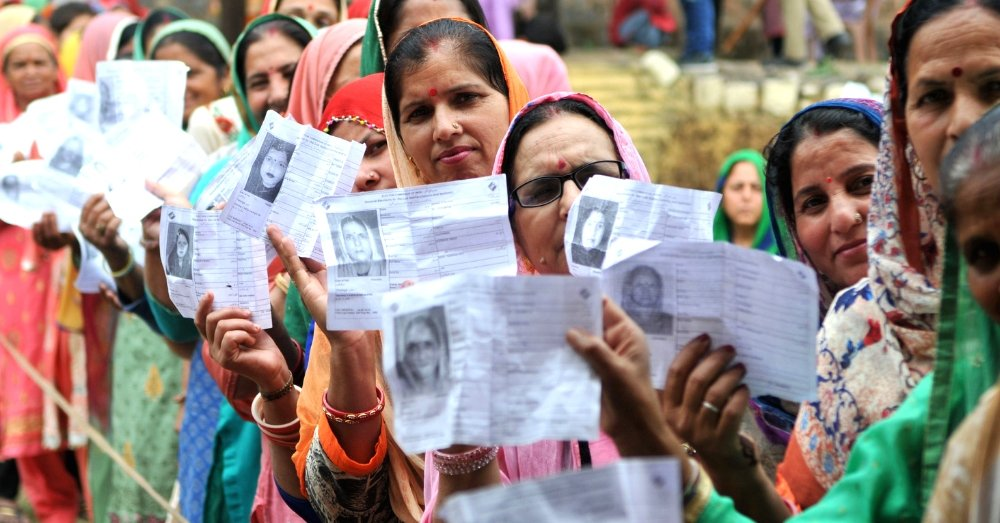
Politics is not limited to politicians and government officials. Citizens also have an important role.
People can participate by voting where eligible, learning about candidates and policies, discussing issues respectfully, contacting representatives, participating in community activities, and staying informed about decisions that affect their lives.
You do not need to agree with everyone to have a productive political conversation. Listening to different perspectives and checking information before sharing it can lead to better discussions.
Making Sense of Political Debates
Political debates can become confusing when complicated subjects are reduced to simple slogans. A better approach is to ask practical questions.
What problem is the policy trying to solve? Who could benefit from it? Who could be affected? How much might it cost? What evidence supports the proposal? How would it be implemented? Are there alternative solutions?
These questions encourage deeper thinking instead of relying only on political messaging.
Why Policy Impacts Everyday Life
Many government policies operate in the background of everyday life. The roads people use, public transportation systems, education programs, workplace regulations, environmental standards, and digital rules can all be influenced by government decisions.
This is why understanding politics and policy can be useful even for people who do not closely follow political news.
The goal is not to memorize every political development. It is to understand the basic system well enough to recognize important changes and evaluate information responsibly.
FAQ’s
1. What is politics?
Politics is how governments and societies make decisions and manage public affairs.
2. What is public policy?
Public policy refers to government plans and actions designed to address public issues.
3. How are laws created?
Laws are generally proposed, debated, approved through the relevant legal process, and then implemented.
4. Why should people understand politics?
Politics can influence laws, public services, taxes, education, jobs, and many everyday issues.
5. How can I stay informed?
Follow reliable news sources and check official government information before believing or sharing claims.