
Culture is not something that belongs only in museums, history books, or traditional celebrations. It is part of everyday life. The food people prepare, the languages they speak, the clothes they wear, the stories they share, and the way families celebrate important occasions all reflect culture.
As society changes, culture changes with it. In 2026, people are finding new ways to stay connected to their heritage while adapting traditions to modern lifestyles. Technology, travel, social media, changing family structures, and global connections are influencing how cultural practices are shared and experienced.
Recent 2026 cultural research highlights a growing interest in keeping traditions meaningful by allowing them to evolve. Instead of treating heritage as something completely fixed, many people are finding ways to combine familiar customs with contemporary life.
The Changing Meaning of Culture

Culture has always developed over time. Every generation adds something new while carrying forward parts of what came before.
A family may continue preparing a traditional recipe but use a modern kitchen. A festival may follow familiar customs while incorporating digital invitations, online communication, or new forms of decoration. Traditional clothing may appear alongside modern fashion, creating styles that feel connected to both the past and present.
This does not necessarily mean that older traditions are disappearing. In many cases, they are being adapted so younger generations can understand and participate in them.
The idea of evolving tradition is becoming particularly important in 2026. Human8’s 2026 trend research describes this as “Future tradition,” where people reinterpret heritage and rituals so they remain relevant to contemporary lifestyles.
Heritage Remains Important
Heritage gives people a connection to history and place. It can include monuments, architecture, traditional crafts, music, dance, food, festivals, languages, and family customs.
Modern lifestyles can sometimes make it difficult to maintain older practices. People move to different cities, families become more geographically spread out, and daily routines become busier. Yet these changes can also encourage people to find new ways to stay connected.
Digital platforms allow people to learn about regional traditions, watch traditional performances, discover historical places, and communicate with relatives who live far away.
Heritage tourism is also evolving. KPMG’s 2026 analysis notes that travellers are increasingly interested in immersive and experience-led cultural journeys, including food trails, craft workshops, cultural walks, festivals, and living heritage experiences.
Traditions in Modern Life
Traditions remain meaningful because they provide continuity. They connect generations and create familiar moments that families can share.
However, the way traditions are practiced can change. A celebration that once required everyone to be physically present may now include family members joining through video calls. Gifts may be ordered online, invitations may be digital, and traditional decorations may be combined with modern designs.
These changes show that tradition and modern life do not always need to compete. A custom can retain its meaning while its format changes.
For younger people especially, flexible traditions can make cultural practices easier to understand and participate in. Instead of simply repeating what previous generations did, they can learn the meaning behind a practice and find ways to make it relevant to their own lives.
Food as a Cultural Connection
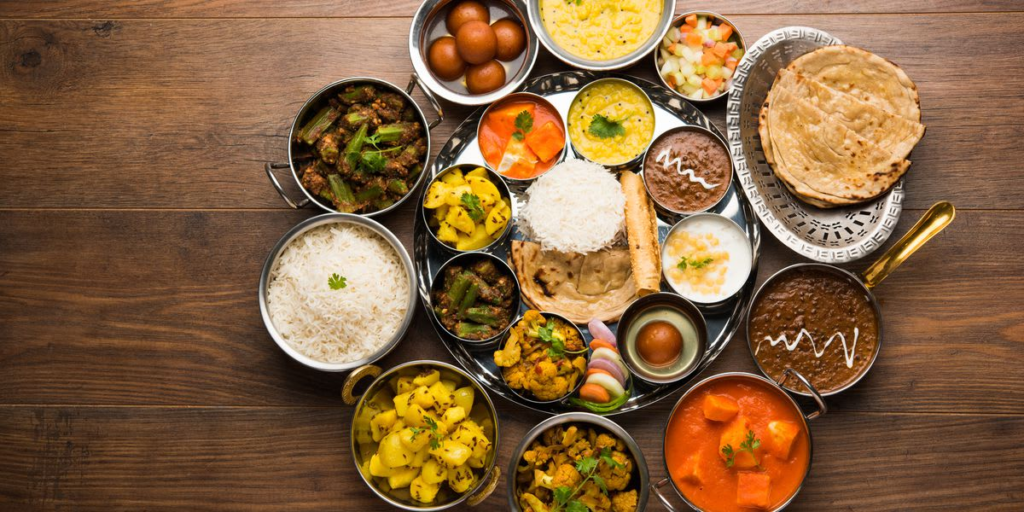
Food is one of the most visible expressions of culture. Recipes often carry family memories, regional history, local ingredients, and stories passed from one generation to another.
In 2026, traditional food continues to influence modern cooking. People are experimenting with old recipes, adapting ingredients, presenting familiar dishes in new ways, and sharing regional food traditions through digital platforms.
Food content has also made it easier for people to discover cuisines from different parts of the world. A traditional dish can now reach an international audience through a recipe video, cooking blog, or social media post.
At the same time, local food remains important because it provides a connection to place. Regional ingredients and cooking techniques can tell stories that cannot always be communicated through words alone.
Fashion and Cultural Identity
Fashion is another area where heritage and modern life frequently meet.
Traditional fabrics, patterns, embroidery, jewellery, and silhouettes continue to influence contemporary clothing. Designers and consumers often combine cultural elements with modern cuts and everyday styles.
This allows people to express cultural identity without necessarily wearing traditional clothing from head to toe.
Modern fashion can therefore become a conversation between generations. An older textile technique may be used in a contemporary outfit, while traditional jewellery may be paired with modern clothing.
The growing interest in heritage-inspired design also reflects a wider cultural movement toward individuality and meaningful personal style. Current 2026 cultural reporting has highlighted renewed interest in heritage, craft, longevity, and distinctive forms of self-expression.
Technology and Cultural Preservation
Technology is changing how culture is documented and shared.
Digital archives, virtual tours, online museums, video platforms, podcasts, and social media provide new ways to preserve cultural knowledge. A traditional performance that might once have been seen only by a local audience can now reach viewers around the world.
Technology can also help younger generations discover their heritage. Digital storytelling makes historical information more accessible, while online communities allow people with shared cultural interests to connect.
Heritage tourism is increasingly using technologies such as artificial intelligence, augmented reality, virtual reality, digital twins, and gamification to improve interpretation and visitor experiences.
The important point is that technology works best when it supports cultural understanding rather than replacing the people and communities who carry those traditions.
Local Culture in a Global World
Globalization has made cultural exchange easier than ever. People can discover music, food, fashion, films, celebrations, and ideas from countries they may never have visited.
This creates opportunities for cultural learning, but it also makes local identity increasingly valuable.
In 2026, there is growing interest in neighborhood culture, regional identity, local craftsmanship, and experiences that feel connected to a particular place. BMF’s 2026 cultural trend research describes this movement through its focus on “Local Worlds,” emphasizing smaller environments and stronger connections to place and belonging.
Local culture can provide a sense of familiarity in an increasingly connected world. A regional festival, local market, family recipe, or traditional craft can become an important reminder of where people come from.
The Role of Younger Generations

Young people play an important role in determining which traditions continue into the future.
Younger generations may not practice culture exactly as their parents or grandparents did, but they can still carry cultural values forward in new forms.
Social media has become one way to make traditions more visible. Young creators can share traditional recipes, regional languages, clothing styles, crafts, music, and festivals with audiences far beyond their local communities.
This can make cultural knowledge more approachable and encourage conversations between generations.
The challenge is to maintain context. Cultural practices are more meaningful when people understand their history rather than simply treating them as visual trends.
Cultural Celebrations Are Evolving
Festivals and celebrations remain important parts of cultural life, but the way people organize them is changing.
Modern celebrations may be smaller, more personalized, or more digitally connected. Families living in different locations can participate remotely, while travel has created opportunities for people to experience festivals in different regions.
A 2026 global study by The Panel Station reported that many respondents continue to consider traditions important while also reporting changes in how they celebrate. Its findings point toward a combination of continuity and adaptation rather than a simple shift away from traditional celebrations.
This balance allows celebrations to remain relevant while preserving their emotional and cultural meaning.
Traditional Crafts and Handmade Culture
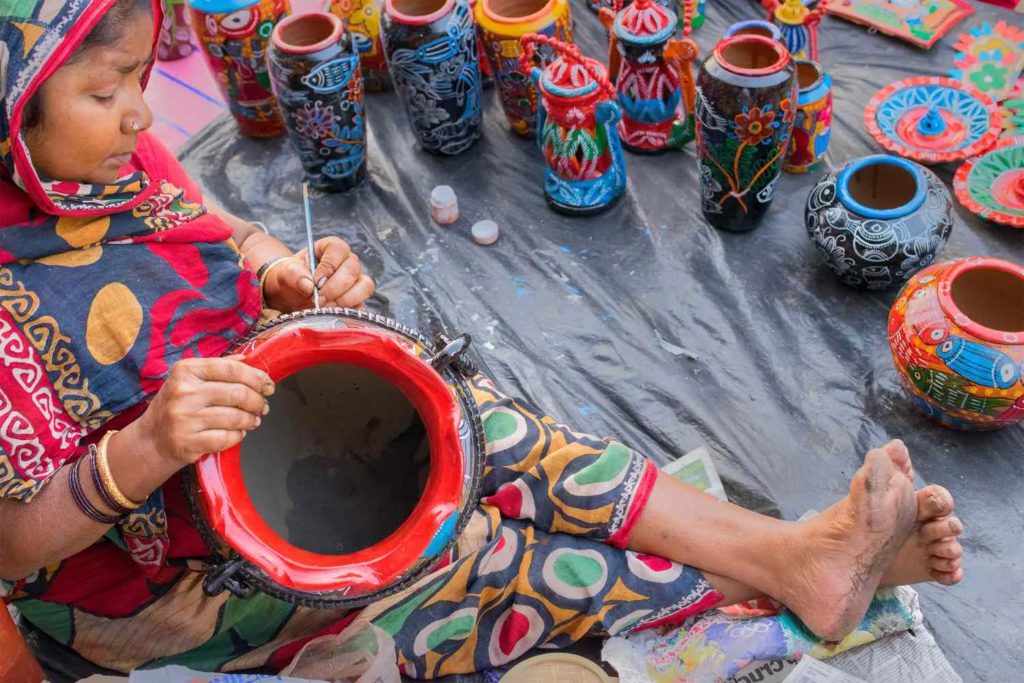
Traditional crafts are receiving renewed attention as people look for products with stories, skill, and lasting value.
Handmade textiles, pottery, woodwork, jewellery, paintings, embroidery, and other crafts can represent generations of knowledge.
Supporting traditional crafts can also help keep specialist skills alive. When consumers understand where a product comes from and how it was made, the object can become more meaningful than a standard mass-produced item.
Modern design can give traditional crafts new audiences by presenting them in ways that fit contemporary homes, clothing, and lifestyles.
Cultural Tourism in 2026
Travel is increasingly connected to cultural experiences. Instead of simply visiting famous landmarks, travellers may want to understand local food, crafts, music, architecture, festivals, and everyday life.
This shift is creating opportunities for communities to share their cultural heritage while supporting local businesses and cultural practitioners.
KPMG’s 2026 heritage tourism research highlights the movement toward experiences that combine heritage with gastronomy, festivals, performing arts, local crafts, community participation, and technology.
For travellers, this can create deeper connections with destinations. For local communities, responsible cultural tourism can provide economic opportunities while encouraging heritage preservation.
Why Cultural Awareness Matters
Understanding culture can help people communicate with greater respect and openness.
Every culture has its own traditions, values, social practices, and ways of expressing identity. Learning about these differences can reduce misunderstandings and encourage curiosity.
Cultural awareness does not require someone to adopt every tradition they encounter. It simply means approaching differences with an interest in understanding their background and meaning.
In increasingly diverse communities, this awareness can be valuable at school, work, in travel, and in everyday social relationships.
The Future of Culture
Culture will continue to change because people and societies continue to change. The future is unlikely to be a simple choice between preserving the past and embracing the modern world.
Instead, culture will continue to develop through a combination of heritage, technology, creativity, community, and personal expression.
The strongest traditions may be those that retain their core meaning while remaining flexible enough to fit new circumstances. Research into 2026 cultural trends repeatedly points toward this relationship between continuity and change.
FAQ’s
1. What are the major culture trends in 2026?
Major trends include evolving traditions, local identity, digital culture, cultural experiences, and renewed interest in heritage.
2. How are traditions changing in modern life?
People are adapting traditional celebrations, food, crafts, and rituals to fit modern lifestyles while keeping their cultural meaning.
3. How does technology affect culture?
Technology helps people preserve, share, and experience cultural traditions through digital platforms, online events, and immersive experiences.
4. Why is cultural heritage important?
Cultural heritage connects people with history, identity, communities, and traditions passed between generations.
5. Is modern culture replacing traditional culture?
Not necessarily. Many people combine traditional practices with modern ideas, creating cultural experiences that reflect both heritage and contemporary life.