
Culture is one of the most meaningful ways people make sense of the world around them. It influences how communities celebrate important occasions, prepare meals, communicate, dress, work, and spend time together. From traditional customs passed down through generations to new lifestyles shaped by modern life, culture continuously evolves while maintaining vital connections to the past. Exploring culture helps us understand different communities and appreciate the stories, traditions, and experiences that make societies unique. It also reveals how everyday, routine activities carry deep history and meaning.
What Is Culture?
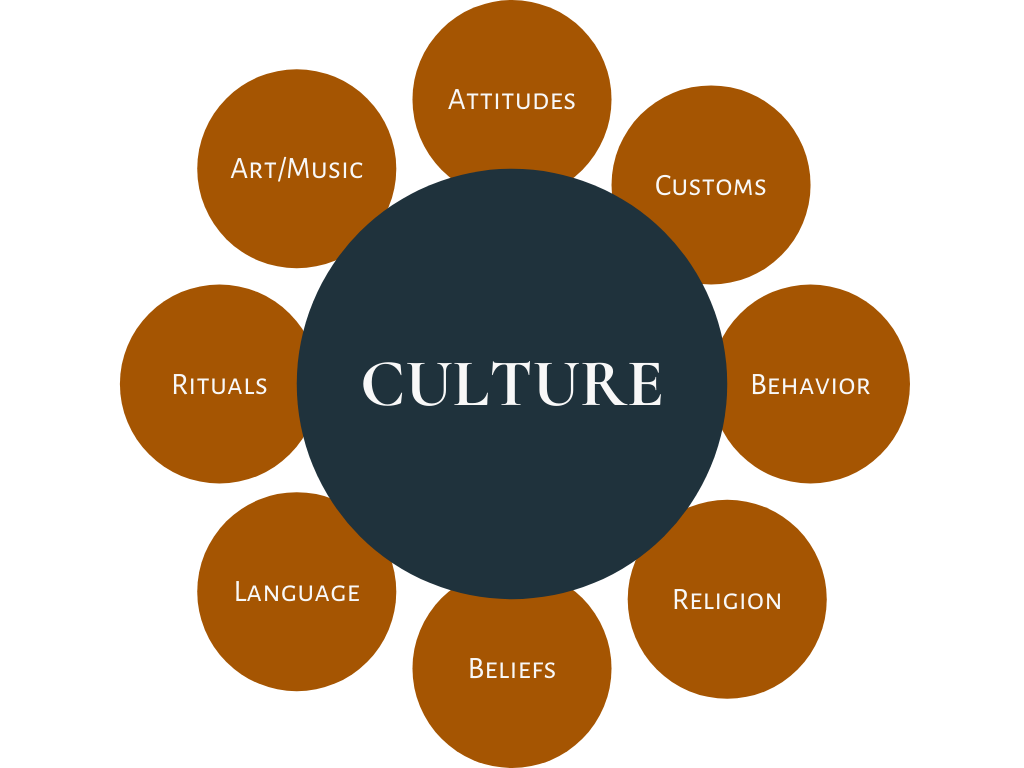
At its core, culture is the rich collection of ideas, traditions, customs, values, practices, and creative expressions shared by a community or group of people. It encompasses language, food, clothing, music, art, celebrations, religious or philosophical beliefs, family traditions, and social habits.
Culture is never static; it does not remain frozen in time. It changes naturally as people migrate, communicate across borders, generate new ideas, and adapt to different external influences. This fluid combination of ancestral tradition and contemporary innovation makes culture a dynamic, constantly developing part of everyday life.
The Enduring Power of Traditions
Traditions act as an emotional and historical anchor, connecting people directly to previous generations. They provide a grounding sense of belonging, identity, and continuity, helping communities maintain their distinct character over time. Family celebrations, rites of passage, seasonal harvest festivals, oral storytelling, folk music, and signature recipes are all examples of practices handed down from one generation to the next.
However, traditions also possess an innate capacity to adapt. Younger generations often tweak old customs to fit modern lifestyles, technology, and social values while preserving their core underlying meaning. A traditional wedding ceremony, for instance, might incorporate contemporary music or modified vows, yet the fundamental spirit of communal celebration and union remains completely intact.
Cultural Heritage and Preservation

Cultural heritage includes the physical locations, tangible objects, intangible traditions, ecological knowledge, and creative practices that communities value and consciously preserve. Historic architecture, ancient monuments, traditional handicrafts, classical artwork, native languages, and localized customs all contribute to this shared legacy.
Learning about heritage provides profound insight into how societies developed, survived challenges, and expressed their worldviews over centuries. Institutions like museums, historical societies, cultural archives, and local community groups play a vital role in safeguarding and sharing this knowledge, ensuring that historical context is not lost to time.
Food as a Universal Cultural Expression
Food is perhaps the most accessible and intimate entry point into any culture. Recipes and cooking methods reflect local geography, climate, available natural resources, trade history, and family heritage. A simple signature dish can tell a complex story about a community’s historical struggles, seasonal shifts, or trade routes.
Cooking and sharing meals also serve as a powerful social binder. Across the globe, major life events, religious holidays, and family gatherings center around the dining table. Furthermore, culinary culture is constantly reinventing itself. As people travel and global communities interact, fusion cuisines emerge, introducing new ingredients and techniques into traditional kitchens without erasing the beloved baseline recipes.
Celebrations, Festivals, and Shared Joy

Festivals offer communities a dedicated space to express shared values, historical milestones, and spiritual beliefs. These events bring together music, traditional dance, special attire, theatrical performances, public rituals, and communal feasting.
Many festivals are tied to natural rhythms—such as the changing of seasons, lunar cycles, or agricultural harvests—while others honor historical events or spiritual figures. Participating in or observing cultural celebrations with genuine curiosity and respect allows outsiders to gain a deeper appreciation for a community’s heart, history, and collective values.
Language and Identity
Language is far more than a simple tool for utilitarian communication; it is the primary vessel for cultural memory. Beyond basic grammar and vocabulary, languages contain unique idioms, humor, untranslatable concepts, and oral histories that reflect a community’s specific way of perceiving reality.
When a language declines or goes extinct, a massive repository of cultural knowledge, environmental understanding, and ancestral wisdom vanishes with it. Protecting regional dialects and indigenous languages through education, literature, and digital archiving is essential for maintaining global cultural diversity.
Clothing and Traditional Textiles
What people wear often communicates rich details about their history, social structure, geographic environment, and regional craftsmanship. Traditional garments are frequently tailored to local climates and crafted using indigenous materials, natural dyes, and specialized weaving or embroidery techniques developed over centuries.
While everyday modern attire has become relatively standardized globally, traditional clothing remains a source of pride during cultural ceremonies and festivals. Moreover, contemporary fashion designers frequently draw inspiration from traditional patterns, textiles, and techniques, creating a vibrant dialogue between ancestral craftsmanship and modern aesthetic trends.
Art, Music, and Storytelling
Creative expression gives voice to human emotion, historical memory, and community values. Through folk music, ritual dance, sculpture, painting, literature, and oral storytelling, communities process their lived experiences and pass down moral, spiritual, and historical lessons.
Traditional art forms are often taught directly within families or through apprenticeships, preserving precise techniques through generations. At the same time, modern artists often blend classical traditional elements with modern genres, keeping the culture relevant, fresh, and engaging for contemporary audiences.
Culture in Everyday Life

While major festivals and grand historic monuments get the most attention, culture is equally present in ordinary daily routines. The subtle ways people greet one another, structure their workdays, organize domestic spaces, brew morning drinks, or interact with elders are all heavily shaped by cultural norms.
Because these daily habits are so deeply ingrained, people often perform them unconsciously. However, observing these micro-behaviors offers fascinating insights into what a community prioritizes—whether that is individual autonomy, family cohesion, hospitality, punctuality, or spiritual mindfulness.
How Culture Evolves
Culture is continually shaped and reshaped by movement, technology, trade, education, and media. As migration brings diverse populations together, distinct cultural traditions cross-pollinate. Over time, these interactions give rise to hybrid cultural expressions in music, food, art, and lifestyle.
The rapid rise of global communications and digital media has accelerated cultural exchange to unprecedented speeds. While this connectivity makes it easier than ever to learn about distant traditions, it also sparks important discussions about how to prevent local customs from being overwhelmed by global trends.
Respectful Cultural Exchange
Cultural exchange occurs whenever individuals from different backgrounds share ideas, practices, artwork, and perspectives. This mutual sharing fosters empathy, sparks creative collaboration, and breaks down provincial stereotypes.
However, genuine cultural exchange requires respect, humility, and context. Approaching another culture means taking the time to understand the origin and significance of its practices, rather than reducing complex traditions to superficial trends or aesthetic props. Learning directly from community members ensures a more authentic and respectful connection.
Preserving Heritage for the Future
Preserving cultural heritage goes beyond keeping historic artifacts locked safely in glass cases. True preservation means keeping traditions alive, active, and relevant in daily community life.
This can involve:
- Supporting local artisans, craftspeople, and performance groups.
- Documenting oral histories and regional languages.
- Visiting and funding historical sites, community centers, and local museums.
- Teaching traditional culinary methods and artistic skills to younger generations.
Effective preservation allows a culture to adapt naturally to modern realities without losing the historical foundation that gives it its distinct identity.
Exploring Culture Through Mindful Travel

Travel offers a direct way to experience the vibrant diversity of the world. Beyond visiting famous tourist landmarks, engaging with local markets, trying regional foods, attending community events, and exploring neighborhood museums offer genuine insights into daily life.
Mindful, responsible travel involves respecting regional customs, dressing appropriately for local norms, asking permission before taking photographs, and supporting local businesses. A thoughtful approach ensures that travel remains a positive, mutually enriching experience for both the visitor and the host community.
Culture in the Digital Age
The internet and social media platforms have fundamentally changed how culture is shared and consumed. Digital archives, video platforms, and language apps allow people to discover traditional music, cooking techniques, folklore, and crafts from anywhere in the world at any time.
While digital platforms make global culture more accessible, they can sometimes strip away vital historical context. Seeking out primary sources, reading documented histories, and listening directly to community creators help ensure a deeper, far more accurate understanding of global cultural content.
FAQs
1. What is culture?
Culture includes the traditions, values, customs, language, food, art, and everyday practices shared by a community or group.
2. Why are cultural traditions important?
Traditions can connect generations, preserve history, and provide communities with a sense of identity and belonging.
3. How does food reflect culture?
Food can reflect local ingredients, history, geography, family traditions, and community customs.
4. How does culture change?
Culture changes through migration, travel, technology, education, communication, and interaction between different communities.
5. How can people explore culture respectfully?
Learn from reliable and community-based sources, respect local customs, understand cultural context, and avoid treating traditions as stereotypes.