
Health and wellness are becoming more important parts of everyday life. People are paying greater attention to what they eat, how active they are, how well they sleep, and how they manage stress. At the same time, wellness is moving beyond short-term goals and becoming more focused on sustainable habits that can support a healthier lifestyle over time.
In 2026, health and wellness trends are increasingly centered around practical self-care, balanced nutrition, regular movement, mental well-being, better sleep, preventive habits, and personalized approaches. The goal is not to follow every new wellness trend but to build routines that are realistic and easy to maintain.
The World Health Organization describes self-care as actions that help people promote and maintain their health, including healthy eating, physical activity, adequate sleep, avoiding tobacco, limiting or avoiding alcohol, and maintaining social connections.
Health Is Becoming a Daily Priority

Wellness does not have to mean making major changes overnight. Small daily decisions can have an important role in supporting overall health.
A healthier lifestyle can begin with simple habits such as drinking enough fluids, eating a varied diet, moving regularly, getting sufficient sleep, and making time to relax. These habits may seem basic, but consistency is often more useful than constantly changing routines.
The idea of wellness is also becoming broader. Physical health, mental well-being, social connections, nutrition, sleep, and everyday lifestyle choices are closely connected.
Instead of thinking about health as something to address only when a problem appears, many people are becoming more interested in prevention and maintaining good habits throughout the year.
Balanced Nutrition Remains Important
Nutrition continues to be one of the most important areas of health and wellness in 2026.
There is no single diet that works for every person. Dietary needs can vary depending on age, activity level, health status, culture, food availability, and personal circumstances. However, the basic principles of a healthy diet remain consistent.
WHO recommends a varied diet built around foods such as vegetables, fruits, whole grains, pulses, nuts, and other nutritious foods, while limiting excessive amounts of free sugars, sodium, unhealthy fats, and highly processed foods.
For everyday eating, focusing on variety can be more practical than following strict food rules. Adding different vegetables, fruits, grains, legumes, and protein sources can help create more balanced meals.
Healthy eating also needs to be realistic. Meals should fit a person’s culture, budget, schedule, and access to food. A routine that is difficult to maintain is unlikely to become a long-term habit.
Movement and Physical Activity
Physical activity remains a major part of a healthy lifestyle.
Exercise does not necessarily mean spending hours at a gym. Walking, cycling, swimming, dancing, stretching, playing sports, household activities, and other forms of movement can contribute to an active lifestyle.
WHO recognizes regular physical activity as an important part of health and notes that everyday movement can take many forms.
One useful approach is to choose activities that are enjoyable and practical. Someone who dislikes traditional workouts may prefer walking, recreational sports, yoga, dancing, or outdoor activities.
Building movement into the day can also make staying active easier. Taking short walking breaks, using stairs when practical, or spending some time outdoors can add movement without requiring a complicated fitness schedule.

Sleep is another major focus of modern wellness.
Busy schedules, work demands, entertainment, and excessive screen use can make it difficult for some people to maintain consistent sleep habits. However, sleep is an important part of overall health and daily functioning.
A practical sleep routine can include going to bed and waking up at relatively consistent times, creating a comfortable sleeping environment, and giving yourself time to relax before bed.
Rather than looking for quick solutions, it can be useful to examine everyday habits that may affect sleep.
If someone regularly experiences significant sleep problems or unusual daytime tiredness, speaking with a qualified healthcare professional can help identify possible causes.
Mental and Emotional Wellness
Mental well-being is becoming an increasingly visible part of health conversations.
Stress is a normal part of life, but ongoing stress can make everyday activities more difficult. Building healthy ways to manage pressure can support overall well-being.
Simple activities such as spending time with friends or family, taking breaks, enjoying hobbies, spending time outdoors, journaling, practicing relaxation techniques, or maintaining a regular sleep schedule may help people manage everyday stress.
Social connection is also important. WHO includes connecting with others among healthy self-care practices.
Mental wellness should not be treated as something a person has to manage alone. When stress, anxiety, low mood, or other difficulties become persistent or interfere with daily life, professional support can be appropriate.
Personalized Wellness Is Growing

Wellness is becoming more personalized. People have different schedules, preferences, fitness levels, food traditions, goals, and health needs.
Because of this, a routine that works well for one person may not work equally well for someone else.
Technology is also contributing to personalized wellness. Fitness trackers, sleep-monitoring devices, health apps, and digital tools can help people record information about activity, sleep, or other lifestyle patterns.
These tools can be useful for awareness, but they should not automatically be treated as medical diagnostic devices. Information from a wearable or app can provide context, while medical decisions should be discussed with qualified healthcare professionals when necessary.
Preventive Health Matters
Prevention is an important part of wellness.
Instead of waiting for symptoms to become serious, people can stay informed about recommended health checks, vaccinations, dental care, vision care, and other preventive services appropriate for their age and circumstances.
WHO’s 2026 health reporting continues to emphasize the importance of prevention and stronger primary healthcare systems.
Preventive care varies from person to person. Age, family history, lifestyle, location, and other factors can affect which checks or services are appropriate.
The best approach is to discuss personal preventive-care needs with a qualified healthcare professional.
Digital Wellness Is Part of Health
Technology can make healthy living easier, but constant connectivity can also create challenges.
People may spend long periods looking at screens, checking notifications, working online, or using social media. Taking intentional breaks can help create a healthier relationship with technology.
Digital wellness can include setting boundaries around screen time, keeping devices away during meals or before sleep, turning off unnecessary notifications, and making time for offline activities.
The goal is not necessarily to stop using technology. It is to make sure technology supports daily life rather than taking over every part of it.
Healthy Habits Over Quick Fixes
One of the most useful wellness approaches is to focus on sustainable habits rather than quick fixes.
Extreme diets, unrealistic exercise plans, and complicated routines may be difficult to maintain. A more practical approach is to make small changes and gradually build consistency.
For example, someone might begin by adding more vegetables to meals, taking a daily walk, improving their bedtime routine, or reducing unnecessary sugary drinks.
Once a habit becomes comfortable, another small improvement can be introduced.
This approach can make wellness feel more manageable and less overwhelming.
The Role of Hydration
Hydration is another simple part of everyday health.
Water needs can vary based on factors such as activity, climate, diet, and individual circumstances. People who exercise or spend time in hot environments may need more fluids.
Keeping water accessible can make drinking regularly easier. Some people also find it useful to drink water with meals or carry a reusable bottle during the day.
Hydration should be considered alongside overall nutrition rather than treated as a replacement for a balanced diet.
Building a Healthier Daily Routine
A healthy routine does not need to be complicated.
Start by looking at your current habits. Consider how regularly you move, what your meals generally look like, how much you sleep, how you manage stress, and whether you make time for social connections.
Then choose one or two areas that could realistically improve.
For example, you could create a regular bedtime, add a short walk to your day, prepare more meals at home, or schedule time for a relaxing activity.
Tracking progress can sometimes help. WHO’s 2026 Self-Care Month campaign encouraged people to test, track, and observe patterns in areas such as sleep, food, and mood.
The purpose of tracking should be to understand habits, not to create unnecessary pressure.
Wellness Should Be Affordable and Practical
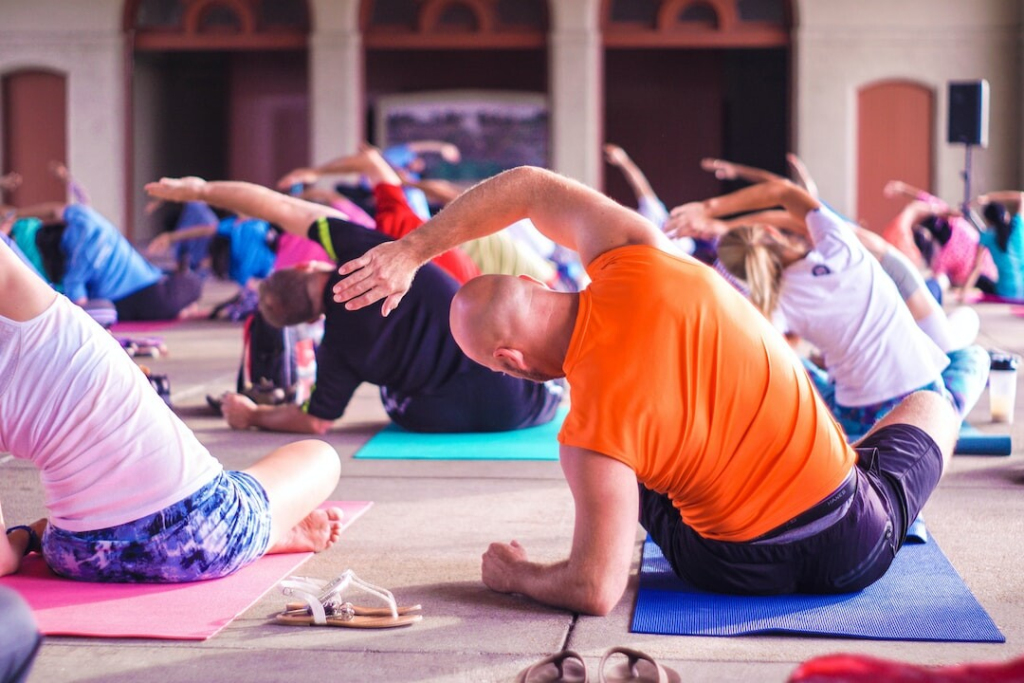
Health and wellness are sometimes presented as expensive lifestyles involving memberships, supplements, special foods, and high-tech devices.
In reality, many healthy habits do not require expensive products.
Walking can be free. Preparing simple meals can be affordable. Getting enough sleep does not require special equipment. Spending time with supportive people and taking breaks can also be valuable parts of well-being.
The cost and availability of nutritious food remain important issues globally. The 2026 State of Food Security and Nutrition in the World report highlights that many people still cannot afford a healthy diet.
For this reason, wellness advice should remain realistic and adaptable to different circumstances.
The Future of Health and Wellness
Health and wellness in 2026 are moving toward a more balanced and personalized approach.
People are becoming more interested in prevention, nutrition, physical activity, mental well-being, sleep, digital habits, and practical self-care. At the same time, technology is giving people new ways to track and understand some aspects of their lifestyle.
However, technology does not replace healthy habits or professional healthcare. The foundation remains simple: eat a balanced diet, stay active, get enough sleep, maintain social connections, avoid harmful habits, and seek appropriate healthcare when needed. WHO identifies these lifestyle choices as important elements of self-care.
FAQs
1. What are the main health and wellness trends in 2026?
Key trends include balanced nutrition, regular movement, better sleep, mental wellness, preventive care, personalized routines, and practical self-care.
2. How can I start a healthier lifestyle?
Start with simple habits such as eating a varied diet, staying active, maintaining a regular sleep routine, and making time for social connections.
3. Is exercise important for wellness?
Yes. Regular physical activity supports overall health, and movement can include walking, cycling, sports, household activities, or structured exercise.
4. Why is sleep important for wellness?
Good sleep supports daily physical and mental functioning and is an important part of a healthy lifestyle.
5. Can technology help with wellness?
Yes. Apps and wearable devices can help track activities and habits, but they should complement rather than replace professional healthcare when medical advice is needed.