
Navratri stands as one of the most vibrant, deeply cherished, and widely observed festivals across India. It marks a special period where spiritual devotion, traditional music, rhythmic dance, regional heritage, family reunions, and festive joy merge into a single multi-day celebration. For nine nights and ten days, millions of devotees worship the different manifestations of Goddess Durga, practice ancient rituals, visit local temples, take part in energetic Garba and Dandiya gatherings, and prepare traditional festive meals.
In 2026, Sharad Navratri commences on October 11 and continues through October 19, culminating in Vijayadashami on October 20. The precise timings for key opening ceremonies, such as Ghatasthapana, vary according to geographic location. Families organizing home prayers should consult a reliable local Panchang to confirm precise planetary timings for their city. Whether you participate through daily prayers, strict dietary fasting, night-long dance celebrations, or simple quiet moments with family, Navratri offers countless paths to reconnect with faith, culture, and community spirit.
Understanding Navratri and Its Roots

The word Navratri translates directly from Sanskrit as “nine nights.” The entire duration of the festival is dedicated to Shakti, the cosmic divine feminine energy represented by Goddess Durga.
While four distinct Navratri periods occur across the lunar year, Sharad Navratri—celebrated during the Hindu lunar month of Ashwin—holds the grandest spiritual and cultural importance across the Indian subcontinent. Regional customs and family rituals vary significantly from one state to another, yet the core philosophical message remains universal: honoring inner spiritual strength, righteousness, self-discipline, and the triumph of good over evil.
Throughout these nine nights, worshippers honor nine distinct forms of Goddess Durga, collectively referred to as the Navdurga. Households perform thorough spring cleanings, set up elevated altars, light brass oil lamps, offer seasonal flowers, recite sacred chants, and observe traditional fasts according to their ancestral guidelines. The festival reaches its grand conclusion on the tenth day with Vijayadashami, also widely known as Dussehra, symbolizing the ultimate victory of divine power over negativity.
Sharad Navratri 2026 Schedule
The complete calendar for Sharad Navratri 2026 spans from October 11 through October 20:
- October 11, 2026 (Day 1): Ghatasthapana and Goddess Shailputri Puja
- October 12, 2026 (Day 2): Goddess Brahmacharini Puja
- October 13, 2026 (Day 3): Goddess Chandraghanta Puja
- October 14, 2026 (Day 4): Goddess Kushmanda Puja
- October 15, 2026 (Day 5): Goddess Skandamata Puja
- October 16, 2026 (Day 6): Goddess Katyayani Puja
- October 17, 2026 (Day 7): Goddess Kalaratri Puja
- October 18, 2026 (Day 8): Goddess Mahagauri Puja and Durga Ashtami observances
- October 19, 2026 (Day 9): Goddess Siddhidatri Puja and Maha Navami observances
- October 20, 2026 (Day 10): Vijayadashami (Dussehra)
Local calendars may occasionally group or adjust specific Ashtami and Navami observances depending on precise lunar tithi transitions in different regions. Checking local sunrise times and panchang charts ensures accurate scheduling for home rituals.
The Significance of Ghatasthapana

Ghatasthapana represents one of the most essential ceremonies of Navratri, marking the formal beginning of the sacred period. The ritual involves invoking the divine presence of Goddess Durga into a traditional pot, known as a Kalash, which is placed in a designated worship space alongside sown barley seeds that sprout across the nine days.
Establishing the Kalash symbolizes bringing stability, positive energy, and spiritual abundance into the living space. Leading up to the ritual, families clean their houses thoroughly, decorate their entranceways with marigold garlands and fresh mango leaves, and light a continuous oil lamp, known as an Akhand Jyot, which is carefully maintained throughout the nine nights. Because Ghatasthapana must be performed during a specific auspicious time window, checking local panchang details is vital before setting up the home shrine.
The Nine Manifestations of Goddess Durga

Central to the spiritual rhythm of Navratri is the daily devotion offered to the Navdurga. Each day honors a different form of the Goddess, highlighting unique spiritual values, cosmic powers, and maternal attributes:
- Shailputri: Worshipped on the first day, Shailputri translates to “Daughter of the Mountain.” Mounted on a bull and carrying a trident and lotus flower, she embodies unwavering strength, foundational stability, and a deep bond with nature.
- Brahmacharini: Honored on the second day, she symbolizes intense devotion, penance, patience, and quiet self-discipline. She is depicted walking barefoot while holding a prayer rosary and a water pot.
- Chandraghanta: Celebrated on the third day, Chandraghanta wears a crescent moon shaped like a bell on her forehead. She stands for bravery, serene composure, and active protection against dark influences.
- Kushmanda: Honored on the fourth day, Kushmanda is credited with illuminating the cosmos with her radiant warmth. She embodies creative energy, health, and vital life force.
- Skandamata: Worshipped on the fifth day as the mother of Lord Skanda (Kartikeya), she represents maternal love, gentle care, and protective grace.
- Katyayani: Celebrated on the sixth day, Katyayani is a formidable warrior form invoked to destroy negativity and oppression. She embodies fierce courage, justice, and action.
- Kalaratri: Honored on the seventh day, Kalaratri is one of the most intense forms of the divine mother. Dark as midnight, she destroys fear, ignorance, and spiritual darkness.
- Mahagauri: Worshipped on the eighth day, Mahagauri represents complete purity, inner peace, forgiveness, and spiritual renewal.
- Siddhidatri: Honored on the ninth day, Siddhidatri is the fulfiller of spiritual aspirations, bestowing wisdom, mastery, and complete fulfillment upon her seekers.
Home Worship and Daily Observances


Celebrating Navratri at home does not require complicated arrangements or elaborate setups. The festival focuses fundamentally on sincerity, cleanliness, and devoted focus. A typical daily ritual consists of gathering the family near a clean altar, lighting a ghee or oil lamp, offering fresh fruit and flowers, chanting simple mantras, or reading passages from traditional scriptures like the Durga Saptashati.
Fasting habits during these nine days vary widely based on health, personal choices, and family lineage. While some practitioners follow a strict water-or-fruit diet, others eat a single grain-free meal each evening. The underlying goal of fasting is to calm the senses, build willpower, simplify daily routines, and refresh the mind and body.
Garba and Dandiya: Community and Dance

In the evenings, quiet home prayers give way to lively community celebrations dominated by traditional folk dances, primarily Garba and Dandiya Raas.
Garba originated in Gujarat as a circular folk dance performed around a central lamp or a representation of the Goddess. Dancers move in rhythmic, synchronized circles, clapping hands and stepping in time as the musical tempo gradually picks up speed. The circular movement symbolizes the endless cycle of life, time, and divine eternity.
Dandiya Raas features pairs or rows of dancers striking decorative wooden sticks together in time with energetic drum beats. Today, massive public Garba venues draw thousands of participants in cities across India and among international communities globally. Beginners are warmly welcomed, as the fundamental steps are easy to pick up directly on the dance floor.
Festive Wardrobe and Festive Foods

Traditional clothing adds immensely to the visual vibrancy of the festival. Women frequently wear multi-colored Chaniya Cholis decorated with mirror work, dense embroidery, and traditional borders, or choose vibrant Bandhani sarees. Men typically wear embroidered Kediyus with traditional headwear, or elegant Kurta-Pajamas paired with rich waistcoats. Comfortable shoes are a practical necessity, as dancing frequently stretches late into the night.
Dietary habits adapt significantly during these nine days. Those who fast avoid wheat, rice, lentils, onions, garlic, and standard table salt. Instead, meals are prepared using alternative ingredients such as tapioca pearls (sabudana), amaranth flour (rajgira), buckwheat flour (kuttu), water chestnut flour (singhara), potatoes, rock salt (sendha namak), fresh curd, and nuts. Popular preparations like sabudana khichdi, kuttu puris, and roasted fox nuts keep energy levels steady throughout the festival.
How Different Regions Celebrate
Navratri reflects the magnificent cultural diversity of India, taking on distinct forms across different geographical regions:
- Gujarat: Celebrations revolve around massive neighborhood Garba and Dandiya events that continue every night for nine days.
- West Bengal and East India: The festival transitions into Durga Puja during the final days, marked by giant artistic pandals, handmade idols, traditional drumming (dhak), and rich cultural performances.
- North India: Devotees observe strict fasts, organize evening devotional singing sessions (Mata ki Chowki), and gather for Ramlila performances that culminate in the burning of Ravana effigies on Dussehra day.
- South India: Households set up Golu displays—tiered wooden steps decorated with arrangements of dolls, deities, and traditional figurines—inviting neighbors to share songs, gifts, and homemade sweets.
Core Essence of the Festival
Beyond the lively music, traditional garments, festive meals, and public gatherings, Navratri delivers a deep, lasting message. It offers an annual opportunity to step back and focus on moral strength, self-discipline, and spiritual clarity. The nine aspects of Goddess Durga serve as a powerful reminder that strength shows up in many ways—from quiet patience and motherly affection to bold courage and intellectual clarity. Ultimately, Navratri inspires people to overcome personal challenges, nurture family relationships, and celebrate the enduring presence of grace and goodness in daily life.
FAQs
1. When is Navratri 2026?
Sharad Navratri 2026 begins on October 11 and ends on October 19.
2. What is Navratri celebrated for?
Navratri honors Goddess Durga and celebrates the victory of good over evil.
3. What is Garba during Navratri?
Garba is a traditional Gujarati folk dance performed during Navratri celebrations.
4. What foods are popular during Navratri fasting?
Sabudana, kuttu, singhara flour, fruits, potatoes, dairy products, and nuts are commonly eaten.
5. What happens after the nine days of Navratri?
The festival concludes with Vijayadashami or Dussehra, which symbolizes the triumph of good over evil.
Modern Culture: How Society, Traditions & Values Are Changing
Culture is continuously evolving. The ways people live, communicate, work, celebrate, and relate to one…
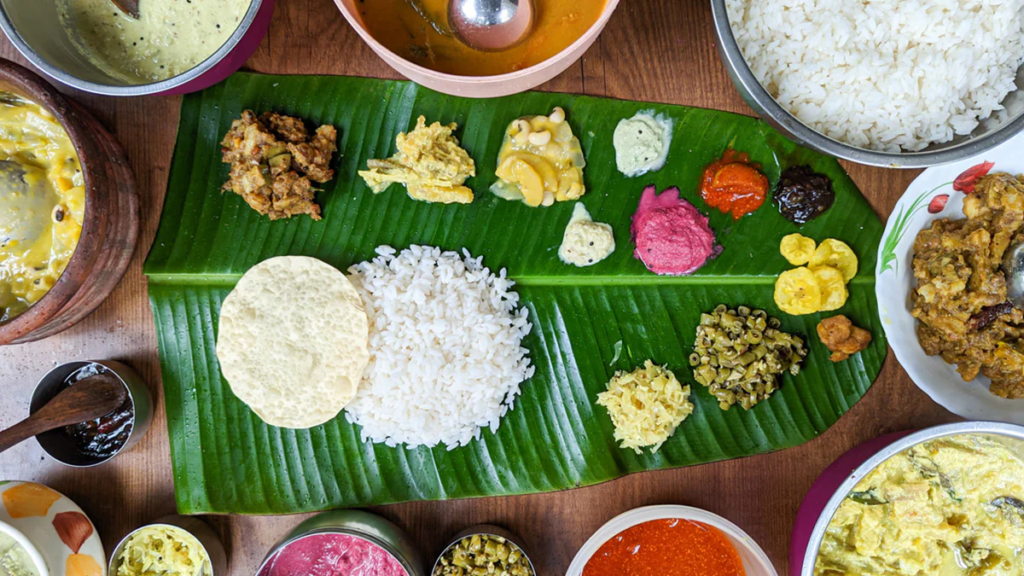
Food, Culture & Tradition: Regional Flavors & Heritage
Food is far more than physical sustenance. It is a living archive of human history,…

Health & Wellness Trends 2026: Tips for a Healthier Life
Health and wellness are becoming more important parts of everyday life. People are paying greater…

Culture Trends 2026: Heritage, Traditions & Modern Life
Culture is not something that belongs only in museums, history books, or traditional celebrations. It…

Culture Guide 2026: Traditions, Heritage, Food & Lifestyle
Culture is one of the most meaningful ways people make sense of the world around…
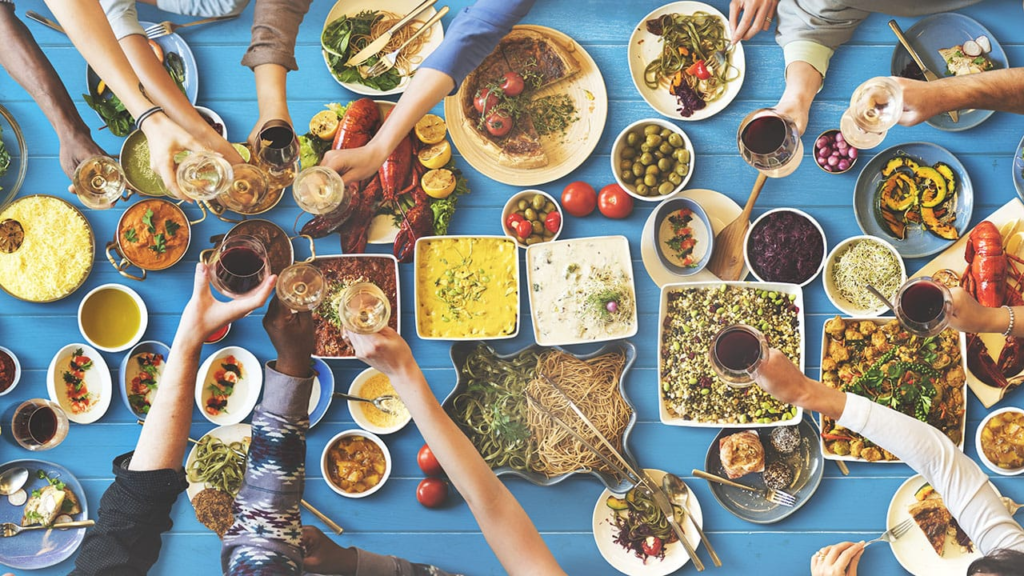
The Ultimate Food Culture Guide: Traditions, Flavors & Heritage
Food is one of the simplest ways to understand a culture. A meal can tell…