
Food is far more than physical sustenance. It is a living archive of human history, family heritage, regional ecology, and social connection. A simple home-cooked meal can carry memories of childhood, a handwritten recipe card can preserve generational wisdom, and a distinct blend of spices can instantly evoke a feeling of home, even across vast geographic distances.
Across the globe, culinary traditions offer a window into cultural identity. Cuisines develop over centuries as communities adapt to local climates, available natural resources, historic trade routes, and social shifts. While modern lifestyles, digital media, and global supply chains continue to influence how we shop and cook, the foundational stories and techniques behind regional food remain deeply meaningful to people everywhere.
Cuisines as Reflections of Environment and History
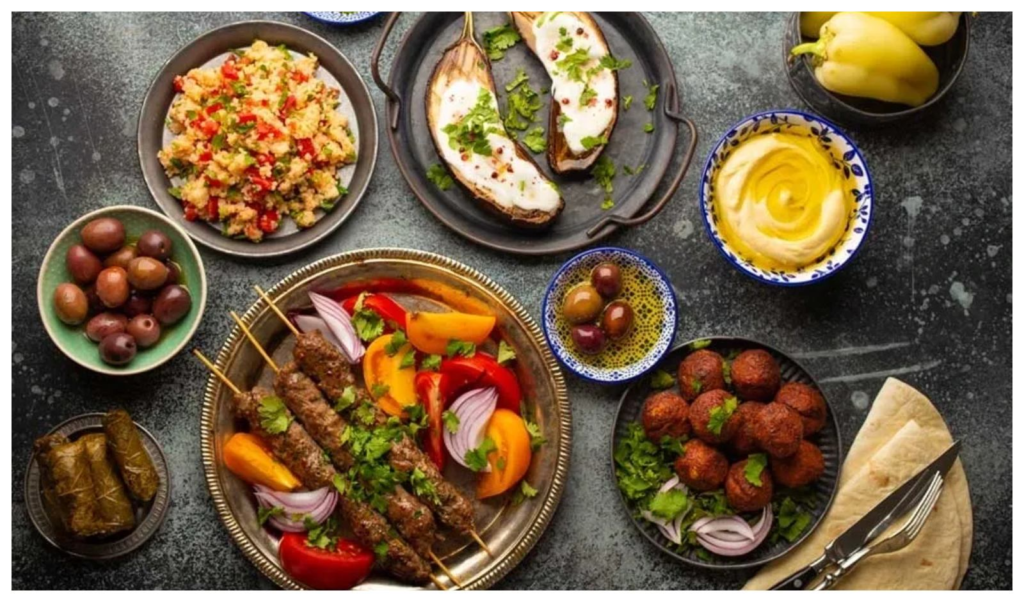
The food of any given region directly reflects its landscape, climate, and historic access to resources. Coastal populations naturally built culinary identities around fresh seafood, ocean herbs, and preservation methods suitable for humid maritime environments. Inland agricultural communities, by contrast, developed hearty diets focused on hardy grains, root vegetables, legumes, livestock, and seasonal produce.
Before modern refrigeration, climate heavily dictated kitchen techniques. Communities created intricate methods to preserve seasonal abundance for leaner months:
- Fermentation: Developing complex flavors in vegetables, dairy, and grains while extending shelf life and promoting gut health.
- Curing and Smoking: Utilizing salt, wood smoke, and controlled drying to preserve meats and fish for long journeys or winter storage.
- Pickling: Harnessing acidic liquids, brine, and native spices to keep fresh produce edible long after harvest.
Over generations, these practical survival techniques evolved into celebrated regional traditions. Even in an era where global ingredients are available year-round in local supermarkets, traditional dishes remain tethered to their geographical origins.
The Storytelling Power of Regional Flavors
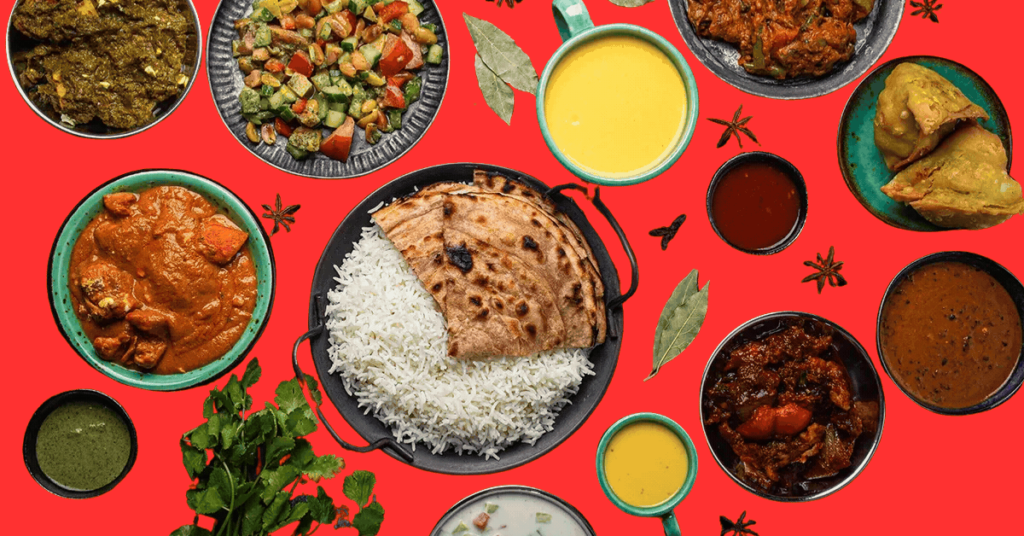
Every culture relies on specific flavor foundations—combinations of aromatics, fats, herbs, and spices that define its cooking. A simple pot of rice, beans, or flatbread transforms completely depending on whether it is prepared with toasted cumin and chili, fragrant ginger and garlic, fresh basil and olive oil, or fermented soy and sesame.
Beyond ingredients, traditional cooking vessels and heat sources shape the character of regional dishes:
- Slow-simmering stews in heavy unglazed clay pots impart subtle earthy notes and maintain gentle, even heat.
- High-heat searing in seasoned hand-hammered iron woks locks in freshness while adding a distinct smoky aroma.
- Extended roasting over open hardwood embers infuses rich depth that electric or gas ovens cannot replicate.
These techniques are rarely mastered through written instructions alone. They are learned through observation, trial, and tactile experience—knowing by sight, sound, and smell when a dish has reached its ideal state.
Family Recipes and Generational Knowledge
Some of the most cherished food traditions do not exist in published cookbooks; they live within family kitchens. A written family recipe might list basic measurements, but the true essence of the dish resides in unwritten details passed down through direct guidance.
Older generations teach subtle cues: feeling when a dough has reached the right elasticity, knowing precisely when spices have bloomed in warm oil, or recognizing the exact color a simmering sauce should reach before being removed from the heat.
As recipes pass from parents to children, they naturally undergo slight modifications. Substitutions might be made based on local ingredient availability, personal health preferences, or modern kitchen appliances. These gradual adaptations do not dilute a recipe’s authenticity; rather, they demonstrate that a family tradition remains alive and responsive to real life.
Food as the Heart of Cultural Celebrations

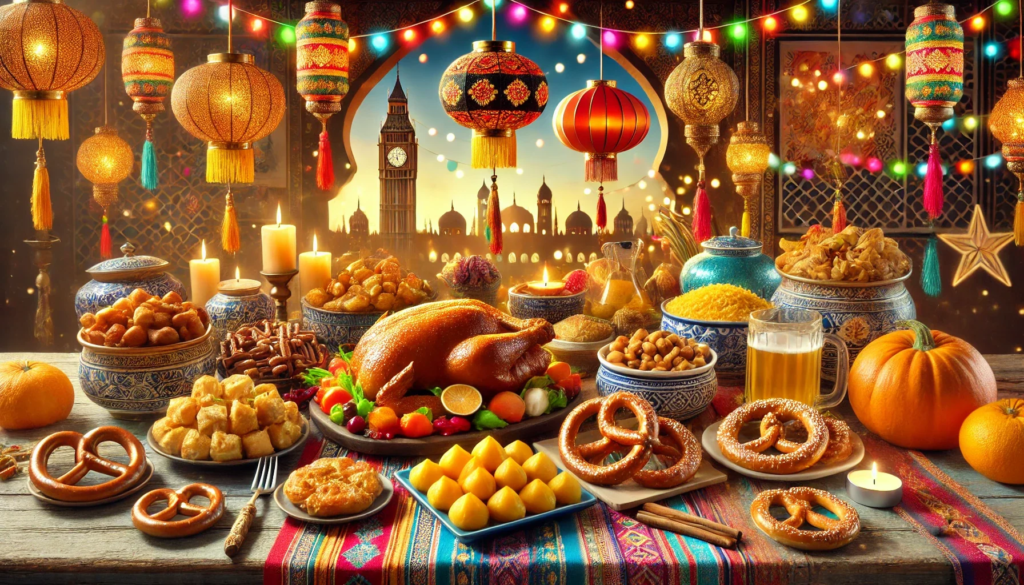
Around the world, major life milestones, seasonal shifts, and cultural festivals are anchored by communal meals. Specific dishes are prepared exclusively for holidays, symbolizing luck, prosperity, unity, gratitude, or spiritual devotion.
The process of preparing festive food is often as meaningful as the feast itself. Days before an event, family members gather to chop aromatics, roll dough, assemble pastries, or monitor slow-cooking roasts. These shared kitchen tasks foster intergenerational conversation, storytelling, and bonding. The aromas associated with holiday cooking become deeply embedded in childhood memories, providing a comforting sense of continuity throughout adult life.
Street Food and Everyday Food Culture
While formal holiday meals highlight tradition, street food offers an authentic snapshot of daily urban life. Food stalls, night markets, and mobile carts reflect what people actually eat on working days—fast, affordable, highly flavorful meals crafted with impressive efficiency.
Street food vendors are often guardians of hyper-specialized techniques, frequently focusing on perfecting a single dish over decades. At the same time, street food is naturally innovative. Vendors adapt quickly to customer feedback, introducing new ingredient pairings or presentation styles while keeping core traditional flavors recognizable. For travelers, exploring local street food markets offers an immediate, sensory introduction to a city’s genuine pulse.
Migration, Adaptation, and Culinary Exchange
When people relocate to new regions or countries, they carry their culinary heritage with them. Food becomes a portable piece of home, offering comfort and identity in unfamiliar surroundings.
As immigrant communities establish themselves, traditional recipes undergo fascinating adaptations:
- Ingredient Adaptation: Cooks substitute native spices or vegetables with locally available alternatives, giving rise to unique hybrid dishes.
- Cross-Cultural Synthesis: Nearby communities adopt and blend culinary styles, creating entirely new regional food movements.
- Cultural Bridges: Family-owned restaurants and community markets open doors for neighbors to experience new cultures through hospitality.
While culinary fusion sparks creativity, honoring the historical roots and cultural contexts of traditional dishes remains essential. Understanding where a dish originated preserves respect for the community that cultivated it.
The Impact of Modern Kitchen Technology

Modern appliances and digital media have transformed how we approach traditional cooking. High-speed blenders, pressure cookers, and precise induction cooktops have significantly reduced the time and manual effort required to prepare complex traditional meals.
Simultaneously, the internet has democratized access to global culinary knowledge. Video platforms and digital recipe archives allow home cooks to learn authentic techniques directly from home cooks and chefs halfway across the globe. This digital access helps preserve endangered recipes that might otherwise be lost. However, while a video can demonstrate a technique, it cannot replace the sensory intuition—the tasting, smelling, and feeling—that comes from hands-on cooking practice.
Modern Preservation and Actionable Strategies
As fast-paced lifestyles and pre-packaged convenience foods become more common, maintaining traditional cooking habits requires deliberate effort. Preserving culinary heritage is not about freezing recipes in time, but keeping the underlying knowledge, skills, and appreciation alive.
| Preservation Level | Actionable Preservation Strategies |
|---|---|
| Individual & Family | Document family recipes with detailed notes, record oral histories from older relatives, and involve children in weekly meal preparation. |
| Community | Support local farmers’ markets, patronize independent heritage restaurants, and participate in neighborhood food festivals. |
| Educational & Digital | Record high-quality video tutorials of traditional techniques, publish community cookbooks, and archive regional food histories online. |
The future of food culture lies in striking a healthy balance between honor and innovation. By using modern conveniences while respecting traditional roots, we ensure that culinary heritage continues to nourish both our bodies and our shared human story for generations to come.
FAQ’s
1. Why is food important to culture?
Food reflects a region’s history, traditions, local ingredients, and community identity.
2. How are regional food traditions passed down?
Recipes and cooking techniques are often shared between parents, grandparents, and younger generations.
3. How does migration influence food culture?
Migration introduces traditional cuisines to new communities, where recipes may be adapted to local ingredients and tastes.
4. How can food traditions be preserved?
Families and communities can document recipes, teach cooking techniques, support local food events, and share cultural stories.
5. How is food culture changing today?
Technology, travel, migration, modern lifestyles, and new ingredients are influencing how traditional foods are prepared and enjoyed.