
Culture has always played a central role in shaping societies, influencing values, traditions, beliefs, and ways of life. For centuries, cultures developed within specific geographic regions and were passed down from one generation to another through language, customs, art, and social practices. However, the modern world is experiencing a level of connectivity never seen before. Advances in technology, global trade, international travel, and digital communication have brought people from different backgrounds closer together than ever.
As the world becomes increasingly connected, culture is evolving in new and exciting ways. While some fear that globalization may weaken cultural identities, others believe it creates opportunities for greater understanding, creativity, and collaboration. The future of culture will likely be shaped by a balance between preserving traditions and embracing global influences.
Understanding Culture in the Modern Age
Culture is much more than music, food, or clothing. It includes the shared values, beliefs, customs, behaviors, and social norms that define a group of people. Culture influences how people communicate, celebrate important events, solve problems, and interact with others.
In the past, cultural exchange occurred slowly through migration, trade, and exploration. Today, the internet allows people to experience different cultures instantly. A person can watch foreign films, learn a new language, participate in international discussions, and explore traditions from around the world without leaving home.
This increased access to cultural experiences is changing how people understand both their own identities and the identities of others.
The Impact of Globalization on Culture
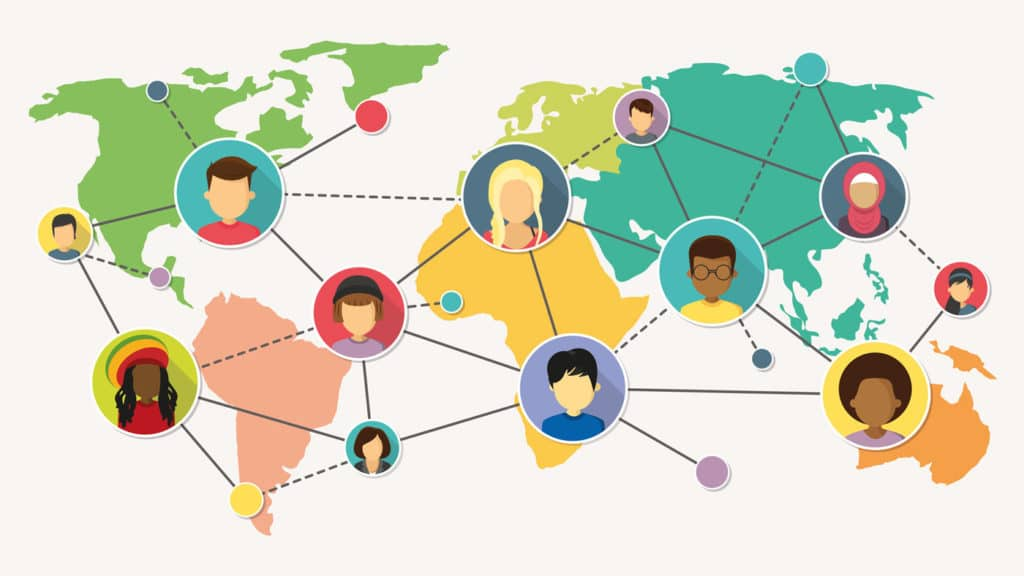

Globalization has connected countries through economic, social, and technological networks. As a result, cultural ideas and practices now move across borders more rapidly than ever before.
Many aspects of daily life demonstrate the effects of globalization. International cuisines are available in cities worldwide. Music from one country can become popular on another continent within days. Fashion trends spread quickly through social media and online marketplaces.
These developments encourage cultural exchange and help people appreciate diversity. Exposure to different perspectives can reduce stereotypes and promote mutual understanding among communities.
At the same time, globalization creates concerns about cultural uniformity. Some traditional practices, languages, and customs may struggle to survive as global trends become more dominant. This challenge highlights the importance of preserving cultural heritage while embracing innovation.
Technology as a Cultural Bridge
Technology is one of the most powerful forces shaping the future of culture. Digital platforms have transformed the way people communicate, learn, and share experiences.
Social media enables individuals to connect with people from different cultural backgrounds instantly. Online communities bring together people who share common interests regardless of their geographic location. Educational platforms provide access to information about cultures that may have previously been difficult to explore.
Technology also helps preserve cultural heritage. Museums, libraries, and historical institutions are digitizing artifacts, documents, and artworks to make them accessible to global audiences. Virtual reality and augmented reality technologies offer new ways to experience historical sites and cultural landmarks.
As technology continues to advance, it will play an even greater role in promoting cultural awareness and preserving traditions for future generations.
Cultural Diversity in a Connected World

One of the most significant benefits of global connectivity is the increased appreciation of cultural diversity. People are becoming more aware of the unique traditions, languages, and histories that exist around the world.
Diversity enriches societies by introducing new ideas, perspectives, and creative approaches to solving problems. Multicultural environments often encourage innovation because individuals bring different experiences and viewpoints to discussions and projects.
Businesses, educational institutions, and governments increasingly recognize the value of diversity. Organizations that embrace diverse cultures often benefit from improved creativity, stronger collaboration, and better decision-making.
The future of culture will depend on maintaining this diversity while encouraging meaningful interactions among different communities.
The Role of Language in Cultural Preservation
Language is one of the most important elements of culture. It carries history, knowledge, traditions, and identity. However, many languages face the risk of disappearing as dominant global languages become more widely used.
The internet presents both challenges and opportunities for language preservation. While global communication often favors widely spoken languages, digital tools can also support endangered languages through online learning resources, digital archives, and community platforms.
Many cultural organizations are using technology to document and teach traditional languages. These efforts help ensure that future generations can continue to connect with their cultural heritage.
Protecting linguistic diversity will remain an important aspect of preserving cultural identity in the future.
The Influence of Social Media on Culture


Social media platforms have become major cultural influencers. They shape trends, spread ideas, and create opportunities for people to share their experiences with global audiences.
Cultural movements can gain international attention within hours through social media. Artists, creators, and community leaders can reach millions of people without relying on traditional media channels.
This accessibility has democratized cultural expression by allowing more voices to be heard. Individuals from smaller communities can showcase their traditions, art, and perspectives to the world.
However, social media also presents challenges. Misinformation, cultural misunderstandings, and the rapid spread of trends can sometimes oversimplify complex cultural issues. Responsible use of digital platforms will be essential for promoting respectful cultural exchange.
Education and Cultural Awareness
Education will play a critical role in shaping the future of culture. Schools and universities increasingly emphasize global awareness, intercultural communication, and cultural understanding.
Students today have access to resources that allow them to learn about different societies, histories, and traditions. International exchange programs, online courses, and collaborative projects encourage cross-cultural learning.
By promoting cultural literacy, educational institutions can help individuals develop the skills needed to navigate an interconnected world. Understanding cultural differences fosters empathy, respect, and effective communication.
Future generations who receive culturally inclusive education will be better prepared to contribute positively to diverse societies.
Challenges Facing Future Cultures


Despite many opportunities, culture faces several challenges in an increasingly connected world.
One concern is the potential loss of traditional practices. Younger generations may become more influenced by global trends than by local customs. Without active preservation efforts, valuable cultural traditions could disappear over time.
Another challenge involves cultural appropriation, where elements of a culture are used without proper understanding or respect. This can lead to misunderstandings and tensions between communities.
Economic inequality can also affect cultural preservation. Communities with limited resources may struggle to maintain cultural institutions, historical sites, and educational programs.
Addressing these challenges will require cooperation among governments, educators, cultural organizations, and local communities.
The Rise of Hybrid Cultures
As people from different backgrounds interact more frequently, hybrid cultures are becoming increasingly common. These cultures combine elements from multiple traditions to create new forms of expression.
Examples can be seen in music, fashion, cuisine, and art. Cultural blending often produces innovative ideas that reflect the realities of a connected world.
Hybrid cultures demonstrate that cultural evolution is a natural process. Rather than replacing traditional identities, cultural blending often adds new dimensions to existing traditions.
The future will likely see more examples of cultural fusion as global interactions continue to expand.
Building a Future of Cultural Respect


The future of culture depends on the ability of societies to balance global connectivity with cultural preservation. Respect for cultural differences will be essential for maintaining harmony in diverse communities.
Individuals can contribute by learning about other cultures, supporting cultural institutions, preserving local traditions, and promoting inclusive dialogue. Governments and organizations can invest in programs that protect cultural heritage while encouraging international collaboration.
A connected world offers unprecedented opportunities for cultural exchange. When approached with respect and understanding, these interactions can strengthen relationships between communities and create a richer global society.
Conclusion
The future of culture in an increasingly connected world is filled with both opportunities and challenges. Technology, globalization, education, and digital communication are transforming how people experience and share culture. While concerns about cultural preservation remain important, global connectivity also creates powerful opportunities for learning, creativity, and cooperation.
As societies continue to evolve, cultural diversity will remain one of humanity’s greatest strengths. By embracing innovation while preserving traditions, people can build a future where cultures thrive, identities are respected, and communities work together to create a more inclusive world. The future of culture is not about choosing between tradition and progress. It is about finding ways for both to coexist and enrich the lives of people everywhere.
FAQ’s
1. What is cultural globalization?
Cultural globalization is the exchange of ideas, values, traditions, and cultural practices across countries and societies.
2. How does technology influence culture?
Technology helps people communicate, share traditions, access information, and connect with different cultures worldwide.
3. Why is cultural diversity important?
Cultural diversity promotes creativity, innovation, understanding, and stronger social connections.
4. Can globalization threaten local cultures?
Yes, some local traditions and languages may decline if they are not actively preserved and supported.
5. What is the future of culture?
The future of culture will likely involve a balance between preserving cultural heritage and embracing global connections and innovations.