
Innovation and economic growth are closely connected forces that have shaped the development of societies throughout history. From the invention of the wheel to the rise of artificial intelligence, innovation has continuously transformed the way people live, work, and conduct business. At the same time, economic growth has provided the resources and opportunities necessary to support further innovation. Together, these two elements create a cycle of progress that drives prosperity, improves living standards, and strengthens national economies.
In the modern world, innovation has become one of the most important drivers of economic development. Countries and businesses that invest in new ideas, technologies, and processes often experience higher productivity, increased competitiveness, and greater economic success. As globalization and digital transformation continue to reshape industries, understanding the relationship between innovation and economic growth has become more important than ever.
Understanding Innovation
Innovation refers to the process of creating and implementing new ideas, products, services, technologies, or methods that generate value. It is not limited to groundbreaking inventions; innovation can also involve improving existing processes, developing more efficient systems, or finding creative solutions to challenges.
Innovation occurs in many forms. Technological innovation introduces new tools and systems that improve efficiency. Business innovation creates new models for delivering products and services. Social innovation addresses societal challenges through creative approaches and community-driven solutions. Regardless of the form it takes, innovation contributes to progress by increasing productivity and expanding opportunities.
Successful innovation often requires creativity, research, investment, and a willingness to take risks. Organizations and nations that foster innovative thinking are generally better positioned to adapt to changing market conditions and economic challenges.
Understanding Economic Growth
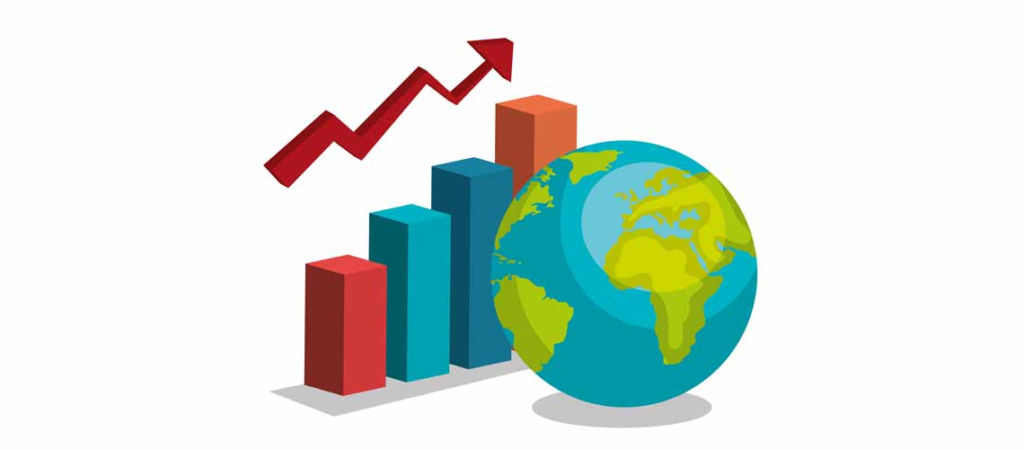
Economic growth refers to the increase in the production of goods and services within an economy over time. It is commonly measured through indicators such as Gross Domestic Product (GDP), income levels, employment rates, and productivity.
Economic growth is important because it contributes to higher living standards, increased employment opportunities, and improved public services. Growing economies typically generate more wealth, allowing governments to invest in infrastructure, healthcare, education, and social programs.
Several factors influence economic growth, including labor productivity, capital investment, natural resources, government policies, and technological advancements. Among these factors, innovation has emerged as one of the most powerful and sustainable drivers of long-term economic expansion.
How Innovation Drives Economic Growth
Innovation contributes to economic growth by increasing productivity and efficiency. When businesses adopt new technologies or improve existing processes, they can produce more goods and services with fewer resources. This increased productivity leads to higher output, lower costs, and improved competitiveness.
For example, automation technologies allow manufacturers to produce products more efficiently while maintaining high quality standards. Digital tools help businesses streamline operations and reduce administrative burdens. These improvements enable companies to allocate resources more effectively and focus on growth opportunities.
Higher productivity benefits the broader economy by increasing economic output and supporting income growth. As businesses become more efficient, they can expand operations, hire additional employees, and contribute to overall economic development.
The Role of Technology in Economic Development

Technology has played a central role in driving economic growth throughout history. Major technological advancements such as the steam engine, electricity, computers, and the internet have transformed industries and created new economic opportunities.
In the digital age, technologies such as artificial intelligence, cloud computing, big data analytics, and automation are reshaping economies around the world. These innovations improve efficiency, support business growth, and enable the creation of entirely new industries.
Technology also increases access to information and markets. Businesses can reach global customers through digital platforms, while individuals can acquire new skills through online education. These opportunities contribute to economic expansion by encouraging entrepreneurship, innovation, and workforce development.
As technology continues to evolve, its influence on economic growth is expected to become even more significant.
Innovation and Job Creation
One of the most important economic benefits of innovation is its ability to create jobs. While some technological advancements may automate certain tasks, innovation also generates demand for new skills, professions, and industries.
The growth of the technology sector has created millions of jobs in software development, cybersecurity, data analysis, digital marketing, and artificial intelligence. Emerging industries often require specialized expertise, leading to new educational and training opportunities.
Innovation-driven businesses frequently expand their operations as demand for their products and services increases. This expansion creates employment opportunities across multiple sectors, including manufacturing, logistics, customer service, and research and development.
By fostering entrepreneurship and supporting the growth of new industries, innovation contributes to a dynamic and resilient labor market.
Entrepreneurship and Economic Growth

Entrepreneurship is closely linked to innovation and economic growth. Entrepreneurs identify opportunities, develop innovative solutions, and introduce new products and services to the market. Their activities stimulate competition, encourage investment, and contribute to economic development.
New businesses often challenge established companies by offering innovative alternatives that better meet consumer needs. This competition encourages continuous improvement and drives productivity across industries.
Successful startups can grow into major employers and economic contributors. Many of today’s leading companies began as innovative startups that introduced groundbreaking products or services. By supporting entrepreneurship, economies can create an environment where innovation flourishes and economic growth accelerates.
Investment in Research and Development
Research and development, commonly known as R&D, is essential for innovation. Governments, businesses, and educational institutions invest significant resources in research to discover new technologies, improve products, and solve complex challenges.
Investment in research and development often leads to technological breakthroughs that drive economic growth. Advances in healthcare, energy, transportation, and communication have all resulted from sustained investment in innovation.
Countries that prioritize research and development tend to experience stronger economic performance because they are better positioned to create and commercialize new technologies. R&D investments also attract skilled workers, encourage collaboration, and strengthen competitiveness in global markets.
The long-term benefits of research and development extend beyond individual industries, contributing to overall economic prosperity and societal progress.
Innovation and Global Competitiveness


In a globalized economy, innovation is a key factor in determining national competitiveness. Countries that invest in education, technology, infrastructure, and research are often more successful in attracting investment and maintaining economic growth.
Innovative economies are better equipped to respond to changing market conditions and emerging opportunities. They can develop new industries, improve productivity, and compete effectively in international markets.
Global competitiveness also depends on the ability to adapt to technological change. Nations that embrace innovation are more likely to attract skilled workers, support entrepreneurship, and achieve sustainable economic development.
As international competition continues to increase, innovation will remain a critical component of economic success.
The Impact of Innovation on Living Standards
Economic growth driven by innovation often leads to improved living standards. Technological advancements make products and services more affordable, accessible, and efficient. Consumers benefit from better healthcare, improved transportation, enhanced communication, and greater access to information.
Innovation also contributes to higher incomes and increased employment opportunities. As businesses grow and productivity improves, workers often benefit from better wages and career prospects.
The widespread adoption of technology has improved quality of life in numerous ways. Digital communication tools connect people across the globe, medical innovations extend life expectancy, and educational technologies expand access to learning opportunities.
These improvements demonstrate how innovation and economic growth work together to create positive outcomes for individuals and communities.
Challenges in Balancing Innovation and Growth
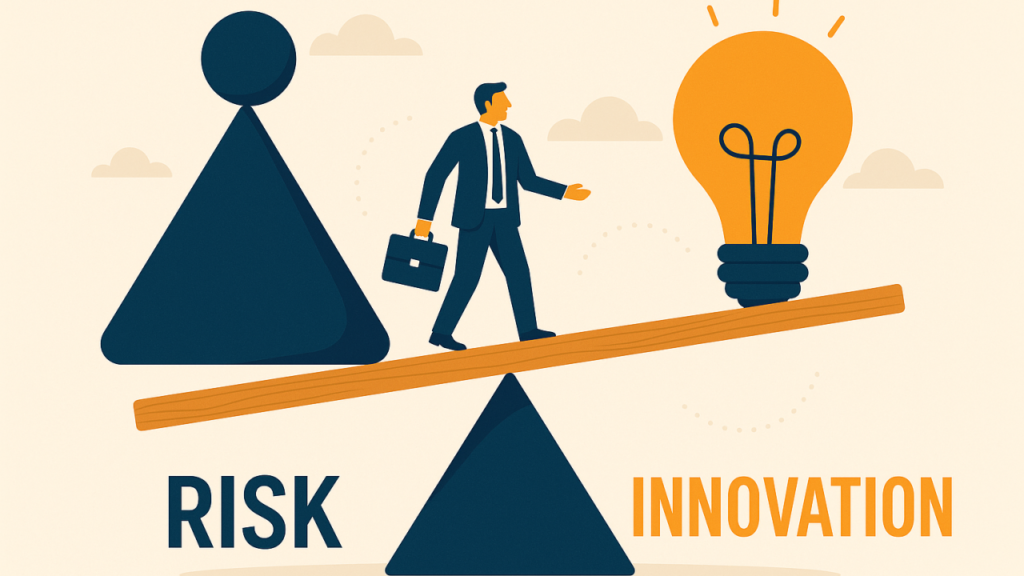
While innovation offers significant economic benefits, it also presents challenges. Rapid technological change can disrupt industries and require workers to develop new skills. Some jobs may become obsolete as automation and artificial intelligence replace routine tasks.
Addressing these challenges requires investment in education, workforce training, and lifelong learning. Governments and businesses must work together to ensure that individuals can adapt to changing economic conditions and participate in emerging opportunities.
Another challenge involves ensuring that the benefits of innovation are distributed fairly. Economic growth should contribute to inclusive development and improve opportunities for all segments of society. Policies that support education, entrepreneurship, and access to technology can help achieve this goal.
Balancing innovation with social and economic considerations is essential for sustainable growth.
The Future of Innovation and Economic Growth
The future relationship between innovation and economic growth is likely to become even stronger as emerging technologies continue to advance. Artificial intelligence, quantum computing, renewable energy, biotechnology, and advanced robotics have the potential to transform industries and create new economic opportunities.
Digital transformation will continue to influence business models, consumer behavior, and workforce requirements. Organizations that embrace innovation and invest in new technologies will be better positioned to compete in evolving markets.
Governments, educational institutions, and businesses must collaborate to create environments that encourage innovation while supporting economic inclusion and sustainability. By fostering creativity, research, and entrepreneurship, societies can unlock new opportunities for growth and prosperity.
Conclusion
Innovation and economic growth are deeply interconnected forces that drive progress and improve quality of life. Innovation increases productivity, creates jobs, supports entrepreneurship, and strengthens global competitiveness. In turn, economic growth provides the resources needed to invest in research, education, and technological development.
Throughout history, societies that have embraced innovation have often experienced greater prosperity and resilience. As the world continues to evolve, the importance of innovation in supporting sustainable economic growth will only increase. By investing in creativity, technology, and human capital, nations and businesses can build stronger economies and create a more prosperous future for generations to come.
FAQ’s
1. What is the relationship between innovation and economic growth?
Innovation drives economic growth by improving productivity, creating new industries, and increasing business efficiency.
2. How does technology contribute to economic development?
Technology improves production processes, supports business expansion, and creates new opportunities for innovation and employment.
3. Why is research and development important for economic growth?
Research and development lead to new technologies and solutions that enhance productivity and strengthen competitiveness.
4. How does innovation create jobs?
Innovation creates jobs by generating new industries, expanding businesses, and increasing demand for specialized skills.
5. Why is innovation important for global competitiveness?
Innovation helps countries and businesses adapt to change, improve efficiency, and compete successfully in international markets.