
Culture operates as a subtle, pervasive blueprint governing human behavior. It defines how we communicate with neighbors, structure domestic responsibilities, observe lifecycle milestones, and express artistic preferences. While frequently analyzed as a historical or academic subject, culture is fundamentally an experiential, daily reality. It manifests within culinary routines, linguistic nuance, visual aesthetics, and social customs, quietly shaping individual worldview and collective identity.
Because culture is anchored in human experience, it is inherently dynamic rather than static. It continually evolves in response to geographical shifts, economic changes, technological innovations, and generational transitions. Understanding living culture requires examining how inherited practices adapt to modern realities while sustaining a cohesive sense of history and community belonging.
Key Foundations of Daily Cultural Practice

Food acts as one of the most immediate mediums for preserving and sharing culture. A region’s traditional cuisine is inextricably linked to its geographic environment—including local climate, agricultural yields, soil composition, and historical trade access that shaped ingredient availability over generations.
Essential mechanics of culinary traditions include:
- Preservation and Flavor Formation: Techniques such as salting, smoking, fermenting, and pickling originated to ensure food security, eventually developing into signature regional flavor profiles.
- Social Cohesion: Shared meals sit at the center of religious holidays, family gatherings, and seasonal celebrations, reinforcing social bonds through hospitality.
- Practical Adaptation: While core spice combinations and foundational techniques are passed down through families, contemporary cooks regularly adapt preparation methods and appliances to fit modern schedules without abandoning the dish’s fundamental identity.
2. Textile Traditions and Visual Representation
Clothing, fabrics, and personal adornment serve as a primary visual indicator of cultural identity. Beyond providing physical protection, traditional garments carry layered historical and social meanings.
Textiles routinely convey specific cultural information:
- Geographic Origin: Distinct weaving methods, embroidery styles, and natural dye applications frequently identify the specific district or community where a textile was created.
- Ceremonial Context: Unique fabrics, colors, or metalwork are historically reserved for specific events, such as weddings, religious rites, or leadership transitions.
- Functional Pluralism: In contemporary society, individuals routinely navigate between traditional ceremonial garments during family events and standardized global fashion for work or casual settings.
3. Language, Local Idioms, and Thought Patterns
Linguistic structures preserve a community’s historical perspective, ecological knowledge, and unique humor. Many concepts, emotional states, and social descriptions exist only within specific languages, resisting exact translation into other tongues.
The home serves as the primary space for language continuity, maintaining regional dialects and colloquial phrasing that standard education may neglect. Simultaneously, languages naturally absorb modern vocabulary, technical terms, and global phrases, allowing them to remain practical tools for daily communication across generations.
Cultural Domains in Transition
| Cultural Domain | Traditional Form | Driver of Transformation | Contemporary Expression |
|---|---|---|---|
| Cuisine | Labor-intensive, locally harvested ingredients | Global trade & time-saving appliances | Fusion cooking, streamlined prep, dietary substitutes |
| Fashion | Hand-loomed, region-specific ceremonial wear | Industrial manufacturing & fast fashion | Hybrid wardrobes, contemporary cuts using traditional motifs |
| Arts & Music | Acoustic instruments & oral storytelling | Digital recording & online distribution | Electronic fusion genres, digital media archives |
| Social Structure | Extended family units & strict local protocols | Urbanization, migration & nuclear households | Digital family networks, flexible domestic routines |
Drivers of Modern Cultural Adaptation

When communities relocate across national or regional borders, they bring their cultural norms with them. Private domestic practices—such as home cooking, primary languages, and religious observances—are maintained inside the household to retain a connection to their origins.
Over time, these imported customs interact directly with the culture of the new region. Children raised within diaspora or immigrant communities experience a dual socialization process:
- Domestic Learning: Absorbing traditional family customs, native foodways, and home languages within the family circle.
- External Integration: Internalizing the civic habits, language norms, and social behaviors of the surrounding educational and public environment.
This dual exposure creates hybrid identity structures. Subsequent generations rarely replicate their parents’ heritage culture with total exactness, nor do they fully discard it. Instead, they build a balanced lifestyle that incorporates elements from both environments.
2. Digital Networks and Contextual Shifts
The rapid growth of global digital media has accelerated cross-cultural exchange. A local culinary recipe, traditional textile design, or regional music style can reach an international audience in moments.
While digital platforms allow smaller or historically marginalized communities to share their heritage globally without traditional media gatekeepers, this rapid spread can lead to contextual displacement. When cultural practices are consumed exclusively as short online media trends, their historical depth, socio-economic roots, or spiritual meaning can be overlooked. Meaningful cross-cultural engagement requires looking past visual surfaces to learn the history and significance behind a practice.
3. Institutional Support and Community Cohesion
Formal institutions like schools, museums, historical societies, and neighborhood organizations play a crucial role in maintaining cultural memory. When formal education systems include local history, native languages, and traditional arts in their curricula, younger generations gain a deeper understanding of their community’s background.
Public spaces, community centers, and local markets also provide physical gathering points where traditions can be practiced collectively. Without designated spaces for community interaction, cultural heritage risks becoming isolated within individual households rather than surviving as a shared, public experience.
Active Preservation versus Cultural Stagnation
A persistent misconception is that preserving culture requires keeping traditions completely unchanged. In practice, cultures that refuse to adapt risk losing daily relevance, gradually becoming limited to historical displays or performative reenactments.
Sustainable preservation relies on practical continuity:
- Documentation and Archiving: Digitally recording oral histories, traditional craft techniques, native languages, and regional recipes prevents historical knowledge from disappearing over time.
- Economic Sustainability: Supporting artisan co-operatives, local weavers, traditional builders, and regional farmers ensures that traditional occupations remain viable career paths.
- Generational Flexibility: Encouraging younger generations to adapt inherited customs to modern routines rather than treating any shift from past norms as a loss of identity.
The Role of Personal Choice in Cultural Identity
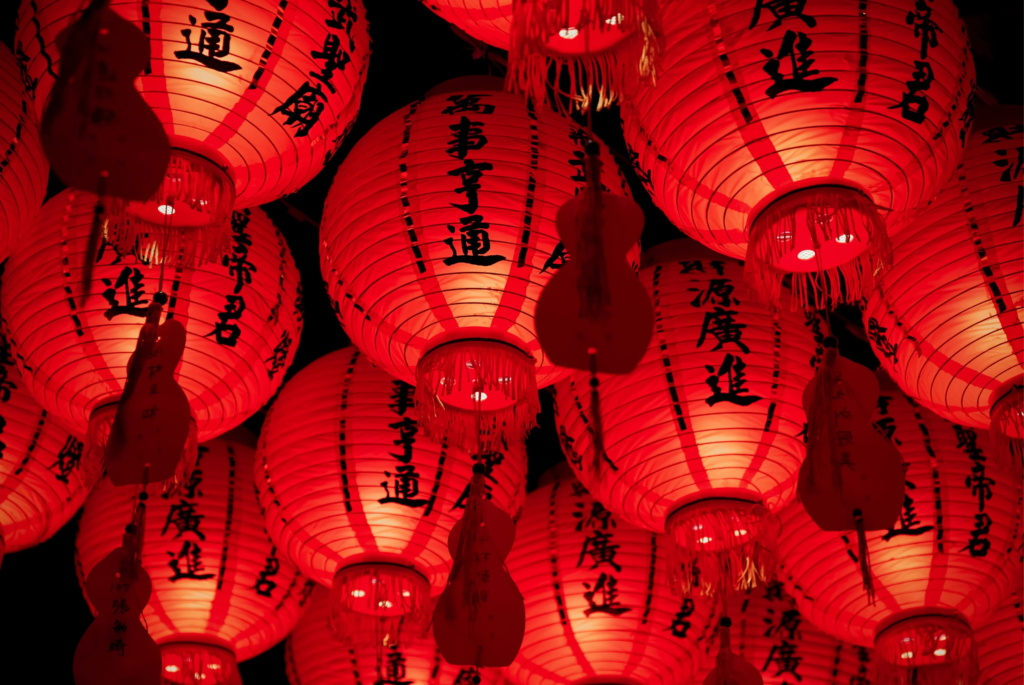
While cultural background provides a foundational framework, identity is ultimately shaped by personal choices. Individuals selectively emphasize different aspects of their heritage depending on their values, lifestyle, and social environment. Someone may choose to prioritize traditional cooking while adopting modern views on career paths, or maintain native language fluency while adopting global fashion preferences.
This agency demonstrates that culture is not an absolute set of rules imposed from the past, but a flexible set of resources that people draw upon to navigate daily life. By balancing historical continuity with modern flexibility, individuals and communities ensure that their cultural identity remains meaningful, authentic, and functional for future generations.
Looking Ahead: The Future of Cultural Traditions
As urbanization, global travel, and digital connectivity continue to reshape social life, culture will keep evolving in unpredictable ways. Traditional dishes will be adapted for new diets, regional music will blend with electronic production, and traditional textiles will find new life in modern design.
The survival of a culture does not depend on preventing change, but on maintaining a meaningful connection to the stories, values, and community ties behind those traditions. As long as people continue to find comfort, identity, and connection in their shared heritage, culture will remain a dynamic force shaping everyday human experience.
FAQs
1. How does culture influence food?
Culture affects ingredients, recipes, cooking methods, eating habits, and traditional meals shared during special occasions.
2. How does fashion reflect culture?
Fashion can show cultural heritage through traditional clothing, fabrics, patterns, colors, jewelry, and styles.
3. How does culture shape identity?
Culture influences a person’s language, traditions, values, family experiences, and sense of belonging.
4. Why are cultural traditions important?
Traditions connect generations, preserve history, and help communities maintain a sense of identity.
5. Does culture change over time?
Yes. Culture evolves through travel, migration, technology, social changes, and interaction between different communities.