
Cultural traditions define who we are, shaping the ways we mark life’s biggest milestones, share meals, speak, build homes, and pass down wisdom across generations. Around the globe, every community carries a unique heritage molded by centuries of history, geography, and human experience.
Taking the time to explore different cultures goes far beyond discovering novel customs. It helps us understand the historical forces that continue to influence how communities live today. From vibrant street festivals and hand-crafted textiles to regional cuisines and family rituals, cultural heritage offers an intimate glimpse into what makes each society tick.
Understanding the Essence of Culture
At its core, culture is a living mosaic of shared beliefs, values, customs, language, art, food, and daily practices. It dictates how we greet guests, celebrate seasonal shifts, care for family members, and express our deepest emotions.
Rather than a static artifact frozen in time, culture is dynamic. It constantly adapts as communities navigate migration, technological shifts, and encounters with neighboring societies. It belongs to the people who practice it, quietly evolving from one generation to the next while retaining its foundational spirit.
Why Cultural Heritage Demands Our Protection
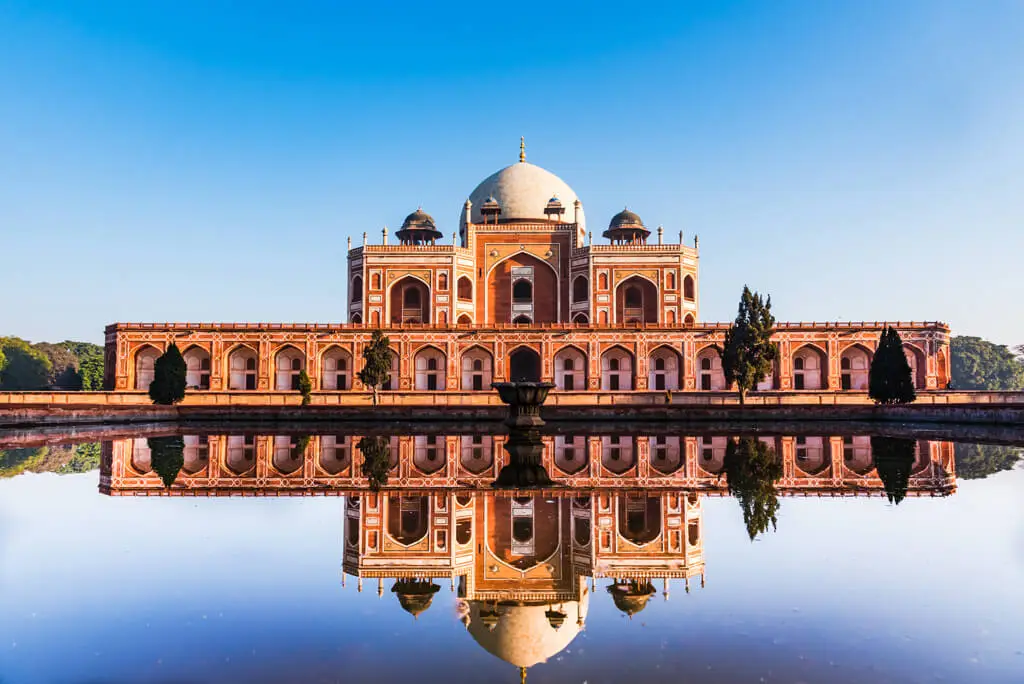
Our heritage acts as an anchor, connecting us to those who came before us. Historical landmarks, traditional music, oral histories, and time-tested crafts preserve the collective memory and practical knowledge of humanity.
This inheritance takes two distinct forms:
- Physical Heritage: Tangible sites and objects such as ancient monuments, historic neighborhoods, museum collections, archaeological ruins, and cultivated landscapes.
- Intangible Heritage: Living expressions including regional dialects, storytelling, folk dances, musical traditions, seasonal festivals, culinary techniques, and artisanal crafts.
Safeguarding both the physical structures and the intangible practices ensures that future generations maintain a clear understanding of their roots.
How Traditions Foster Belonging


Shared traditions provide a sense of stability and community. Whether it is an annual harvest festival, a religious holiday, or a weekly family dinner, gathered rituals reassure us that we are part of something larger than ourselves.
Some customs date back thousands of years, while others are surprisingly modern. Their value lies not in their age, but in the emotional meaning people attach to them. As times change, younger generations often adapt older rituals to fit modern lifestyles, ensuring these customs remain vibrant rather than obsolete.
The Deep Connection Between Food and Identity
Food is often the most accessible doorway into an unfamiliar culture. A region’s signature dishes reveal a wealth of information about its local climate, soil conditions, trade history, and agricultural practices.
| Culinary Element | What It Reveals About a Community |
|---|---|
| Local Spices & Seasonings | Historical trade routes, biodiversity, and traditional food preservation methods. |
| Primary Starches & Grains | Agricultural capability, rainfall patterns, and foundational farming traditions. |
| Cooking Techniques | Available fuel sources, household structures, and seasonal adaptations. |
| Communal Dining Customs | Social hierarchies, hospitality standards, and family structures. |
Exploring traditional cooking methods with an open mind offers a genuine connection to the people who perfected those recipes over generations.
Language as the Carrier of History
Language does far more than convey basic information; it stores a community’s humor, worldview, ecological knowledge, and history. Distinct idioms and local dialects frequently contain concepts that simply cannot be translated into other tongues.
When a language falls out of use, a vast library of human wisdom is lost along with it. Protecting endangered languages and taking the time to learn key phrases when interacting with other communities shows respect for their identity and keeps vital knowledge alive.
Global Expressions of Art, Music, and Design

Across every continent, human expression takes visual, acoustic, and spatial forms that tell the story of their creators.
- Festivals: Public celebrations combine music, dance, traditional dress, and ceremony to mark harvests, historical events, or spiritual occasions. They serve as a powerful reminder of shared community values.
- Textiles and Craftsmanship: Hand-woven fabrics, pottery, metalwork, and carvings reflect local resources and meticulous skill. Wearing or collecting authentic crafts supports the artisans who keep these historical techniques alive.
- Music and Movement: Traditional instruments and dance steps often imitate local environments or recount epic historical events, serving as both entertainment and oral record-keeping.
- Architecture: Historic homes, places of worship, and civic squares demonstrate how earlier builders tackled local weather conditions using native stone, timber, or clay.
How Geography and Migration Shape Daily Life
Environment plays a massive role in cultural development. Coastal communities naturally build lifestyle traditions around maritime trade and fishing, while mountain dwellers design distinctive architecture, heavy clothing, and preservation techniques suited to colder, isolated climates.
Migration continuously enriches this landscape. As people move across borders, they carry their culinary habits, musical preferences, and languages with them. Over time, these traditions blend with local customs, giving rise to diverse, vibrant urban centers rich in multicultural influences.
Practicing Respectful Cultural Curiosity
Engaging with cultures outside our own requires mindfulness. Approaching new traditions with curiosity rather than judgment opens the door to genuine connection.
- Research Local Norms: Take time to understand dress codes, photography rules, and behavioral expectations before visiting sacred or historic sites.
- Support Local Artisans: Purchase hand-made crafts directly from local craftspeople or ethical cooperatives to ensure economic benefits remain within the community.
- Avoid Treating Sacred Customs as Trends: Treat ceremonial clothing, spiritual symbols, and solemn traditions with the dignity they deserve, rather than using them as superficial props.
Ultimately, learning about the diverse ways human beings navigate life builds empathy, broadens our perspectives, and highlights the shared values that connect us all.
FAQ’s
1. What is culture?
Culture includes the traditions, beliefs, language, food, art, customs, and values shared by a community.
2. Why is cultural heritage important?
It preserves history and helps future generations understand their community’s identity and traditions.
3. How does food reflect culture?
Traditional food often reflects a region’s history, climate, local ingredients, and customs.
4. Why are festivals important to culture?
Festivals bring communities together and celebrate history, traditions, beliefs, or seasonal events.
5. How can we explore other cultures respectfully?
Learn about local customs, respect traditions, follow cultural guidelines, and avoid stereotypes.