
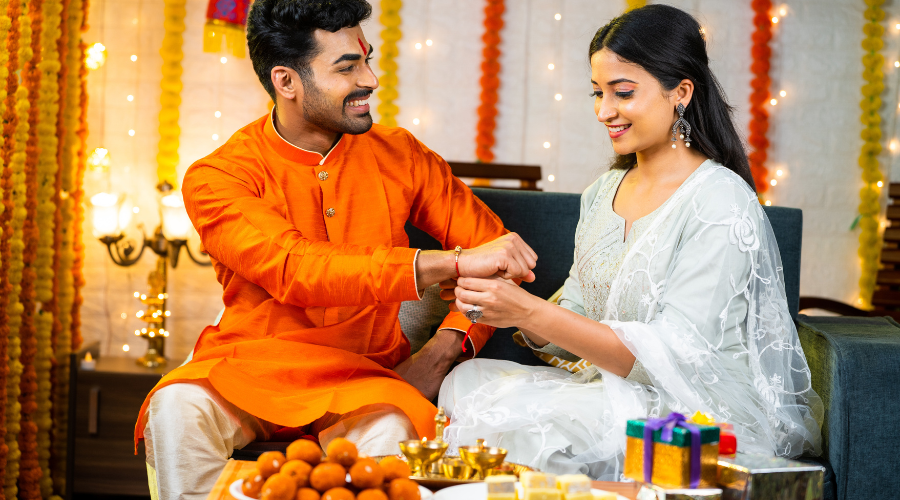
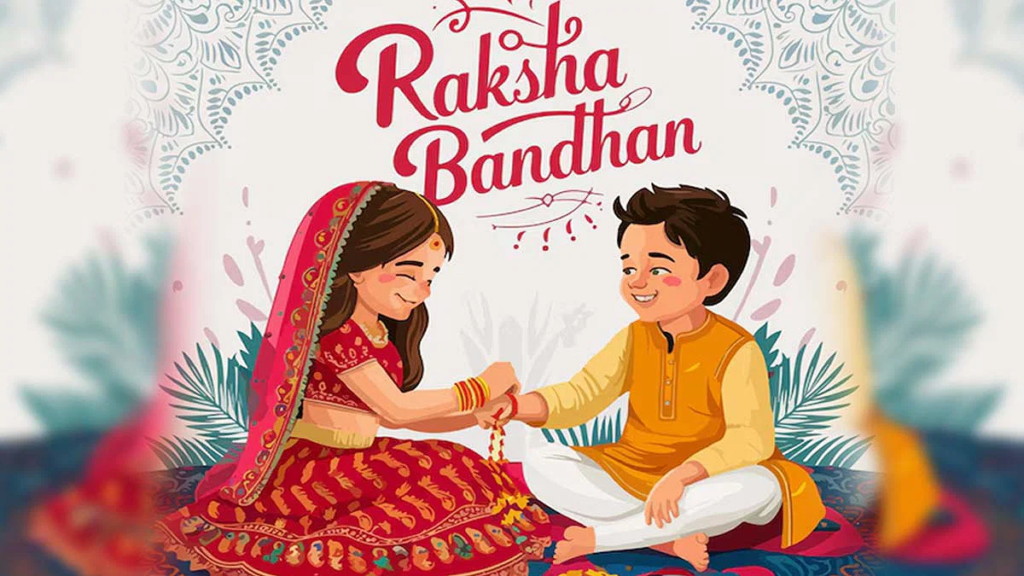
Raksha Bandhan, also known as Rakhi, is a deeply cherished festival in India, celebrating the bond between brothers and sisters. This auspicious day is marked by sisters tying a rakhi, a sacred thread, around their brothers’ wrists, symbolising protection and love.
In return, brothers offer gifts and a promise to protect their sisters. While the essence of the festival remains the same across the country, the ways in which it is celebrated can vary significantly due to India’s rich cultural diversity.
If you and your sibling are travelling back to home and looking for affordable flight tickets, they can check our platform. Let’s take a journey through the different regions of India to explore how Raksha Bandhan is celebrated.
Raksha Bandhan 2026: an overview
A single thread, tied with love on a wrist, carries one of the oldest promises in the world: I will look out for you. That is the heart of Raksha Bandhan, the festival of brothers and sisters and in 2026 it falls on Friday, August 28, on the full moon of the month of Shravan. Best of all this year, the inauspicious Bhadra Kaal ends before sunrise, so there is no waiting for an evening window; the whole bright morning, from 5:57 AM, is open for tying the rakhi.
This guide covers Raksha Bandhan 2026 in full: the exact date and the shubh muhurat, the Purnima tithi and Bhadra timings; the meaning and the beloved stories behind the festival; how the ritual is performed, step by step, with the puja thali; and the tender connection of Raksha Bandhan to Krishna in Mathura and Vrindavan. For the other festivals of the season, see our ganesh chaturthi 2026 and diwali 2026 guides.
From the ground (Gurudutt): Every year the first question I hear about Rakhi is about Bhadra, because in some years the good muhurat only opens in the afternoon or evening and families fret over it. The happy news for 2026 is that Bhadra ends before sunrise on the 28th, so you can simply tie the rakhi in the morning, any time in that lovely window from just before six to about a quarter to ten and get on with the day. Here in Braj, you will also see devotees tying rakhi to Krishna himself at the temples on the Purnima, which is a beautiful thing to witness. The date shifts every year, so I keep this guide updated and muhurat times move a little by city, so do glance at your local panchang. See our Mathura Vrindavan tour Packag
Raksha Bandhan 2026 date and shubh muhurat
Here are the key timings for Raksha Bandhan 2026, so you can tie the rakhi at the most auspicious time.
| Detail | Timing |
| Date | Friday, August 28, 2026 |
| Rakhi shubh muhurat | 5:57 AM to 9:48 AM IST (about 3 hr 51 min) |
| Purnima tithi begins | August 27, 2026 at 9:08 AM |
| Purnima tithi ends | August 28, 2026 at 9:48 AM |
| Bhadra Kaal | Ends before sunrise on August 28, so the morning is clear |
So the rakhi is tied on Friday, August 28, in the shubh muhurat of 5:57 AM to 9:48 AM and because Bhadra Kaal ends before sunrise, the entire early morning is auspicious, with no daytime Bhadra to avoid. So there is no need to wait for an afternoon window this year. So plan the ceremony for the morning, noting that muhurat timings vary a little by city, so confirm your local panchang.
The meaning and stories of Raksha Bandhan
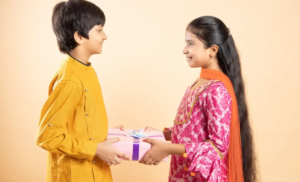
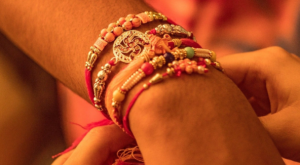
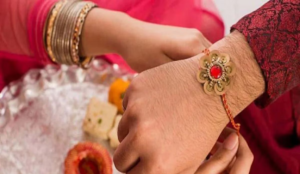
Raksha Bandhan, from the Sanskrit for the bond or bandhan, of protection or raksha, celebrates the love and duty between brothers and sisters. The sister ties the rakhi, a sacred thread, on her brother’s wrist and prays for his wellbeing and the brother vows to protect her and offers a gift; over time the festival has grown to honour many bonds of affection and protection.
By the tradition, several beloved stories surround the festival: Draupadi tearing a strip from her sari to bind Krishna’s wrist, whom he vowed ever to protect; the goddess Lakshmi tying a rakhi on King Bali; and Queen Karnavati sending a rakhi to the emperor Humayun. We present these stories as the cherished belief and tradition holds them, held with faith and recounted with reverence, the many tales of the thread of protection and love.
Visiting Braj around the festival and how to plan
Raksha Bandhan, in late August, falls in the warm, humid monsoon, so if you visit Mathura and Vrindavan around the festival, come prepared for the weather; the temples are busier on the Purnima. The Krishna Janmabhoomi has strict security, with no phones or bags inside and the temples close for a while at midday, so check the mathura vrindavan temple timings and plan around them. Reach Braj by road via the Yamuna Expressway, by train to Mathura Junction or by air to Delhi or Agra; our how to reach vrindavan guide helps and the best time to visit vrindavan mathura guide covers the seasons.
We arrange Mathura and Vrindavan tours around Raksha Bandhan and through the year, taking in the great Krishna temples, with the transport, the routing timed around the darshan hours and a knowledgeable local guide; our mathura vrindavan tour itinerary helps you plan. A shared day tour starts from around ₹1,499 per person, with darshan free at the temples; our two-day mathura vrindavan tour covers the twin cities and our one-day vrindavan tour package Vrindavan
North India: Traditional and Vibrant Celebrations
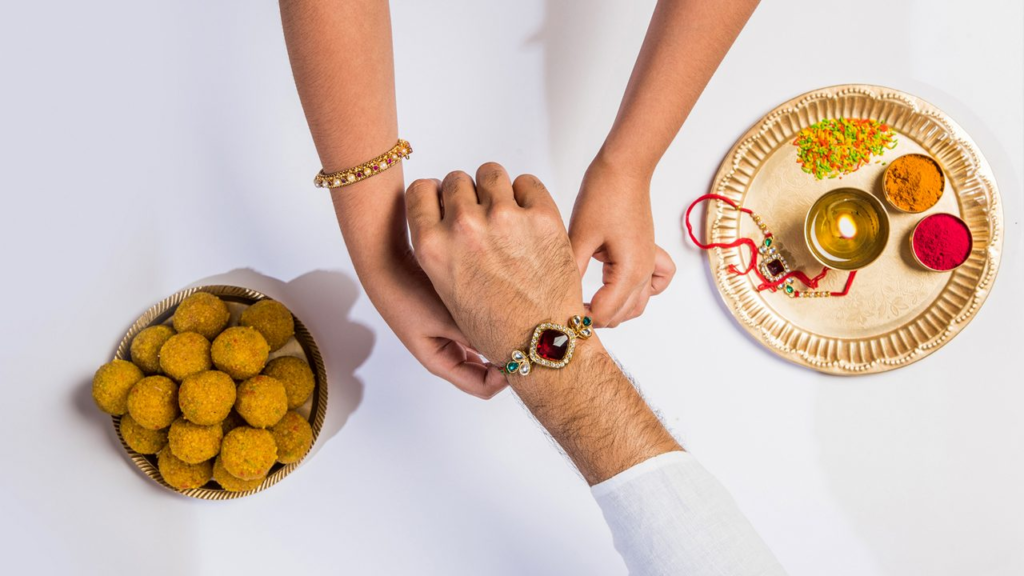
In North India, Raksha Bandhan is celebrated with great enthusiasm and traditional fervour. The day often begins with sisters performing aarti (a ritual of worship) and applying tilak (a ceremonial mark) on their brothers’ foreheads before tying the rakhi. Brothers, in return, give gifts or money and promise to protect their sisters. Families gather to share sweets, such as laddoos and barfis, and enjoy a festive meal together. The festival is particularly grand in cities like Delhi, Jaipur, and Chandigarh, where markets buzz with stalls selling colourful rakhis and sweets. Many families also use this festive occasion as an opportunity to create new memories together by planning short getaways to some of the best places to visit with siblings during Raksha Bandhan.
West India: Raksha Bandhan and the Coastal Twist
In the western states like Maharashtra and Gujarat, Raksha Bandhan coincides with Nariyal Purnima or Coconut Day, a festival celebrated by the fishing community. On this day, coconuts are offered to the sea as a symbol of gratitude and prayers for safety. The festival also marks the beginning of the new fishing season. In addition to tying rakhis, sisters may also exchange coconuts with their brothers, signifying a shared cultural celebration. In Gujarat, it is common for women to tie rakhis on the wrists of their friends and neighbours, extending the spirit of brotherhood and protection beyond familial ties.
East India: A Blend of Traditions
In Eastern India, particularly in West Bengal and Odisha, Raksha Bandhan is celebrated alongside the festival of Jhulan Purnima, which celebrates the divine love of Radha and Krishna. The rituals involve decorating swings and offering prayers. Sisters tie rakhis to their brothers, who then give them gifts and blessings. In Odisha, the festival is also known as Gamha Purnima, during which cattle are worshipped, and the bond between brothers and sisters is celebrated with rakhis and traditional sweets.
South India: A Different Tradition
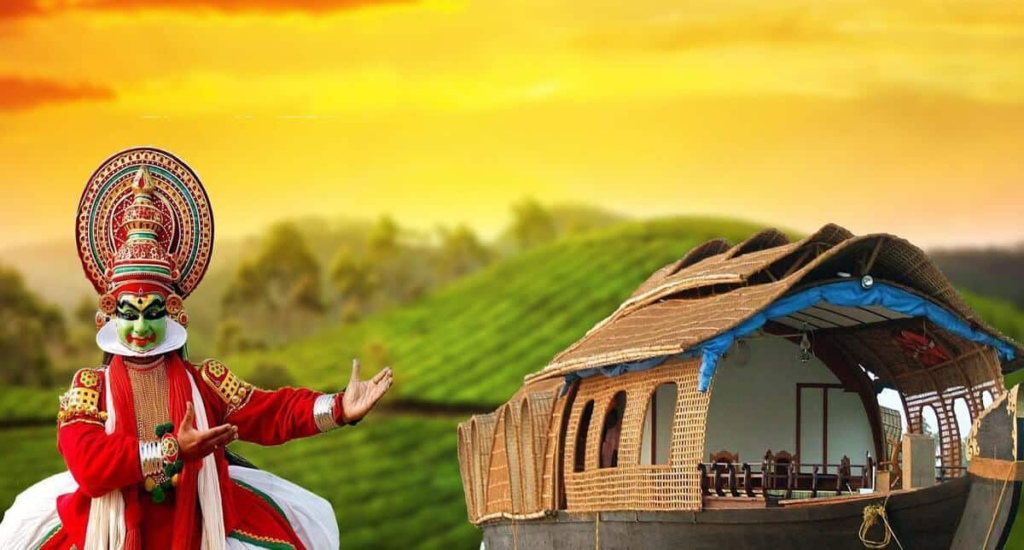
In South India, Raksha Bandhan is not as widely celebrated as in the North, but it has its own unique forms. In Tamil Nadu, Kerala, and Andhra Pradesh, the festival is known as Avani Avittam or Upakarma. This day is particularly significant for the Brahmin community, as it involves the renewal of the sacred thread (yajnopavita) worn by them. The ritual symbolises spiritual growth and the renewal of vows. While the tradition of tying rakhis is not as prevalent, the underlying theme of sibling protection and love is still celebrated, often in more private family gatherings.
Central India: The Heart of India
In Central India, including Madhya Pradesh and Chhattisgarh, Raksha Bandhan is celebrated with a blend of traditional customs and local flavours. Sisters tie rakhis to their brothers, who in return give gifts and vow to protect them. The festival often includes a special meal, with local delicacies like poha, kachoris, and jalebis. The celebrations in this region are marked by simplicity and warmth, reflecting the close-knit nature of families. Since the festival frequently coincides with family gatherings and extended weekends, many people also look for inspiring Raksha Bandhan holiday tour to celebrate the occasion together.
The North-East: A Cultural Mosaic
In the North-Eastern states of India, Raksha Bandhan is celebrated with a unique cultural blend. In Assam, the festival coincides with the Bihu festival, where siblings come together to celebrate. In Manipur, the festival is celebrated alongside the festival of Kang, which involves the worship of Lord Krishna. Sisters tie rakhis to their brothers, and the ritual is often accompanied by traditional dances and music. The festival provides an opportunity for the diverse tribes and communities in the region to come together and celebrate the bond of siblings.
Raksha Bandhan, celebrated across the vast and diverse landscape of India, showcases the country’s rich cultural tapestry. And if you are looking forward to giving something to your sibling you can consider our travel gift voucher. Besides travel vouchers, many people also prefer thoughtful and memorable Raksha Bandhan gift ideas that help make the celebration even more special for their siblings.
FAQs
1. What is Raksha Bandhan?
Raksha Bandhan is a traditional Indian festival celebrating the bond of love and affection between siblings.
2. When is Raksha Bandhan 2026?
Raksha Bandhan 2026 will be celebrated on 28 August 2026.
3. What is the significance of Rakhi?
Rakhi symbolizes affection, connection, and the special bond shared between siblings.
4. How is Raksha Bandhan celebrated?
Siblings exchange gifts, perform traditional rituals, share sweets, and spend time together.
5. Why is Raksha Bandhan important to Indian culture?
It represents family values, sibling relationships, affection, and traditions passed between generations.