
Culture is one of the things that makes every community unique. It can be seen in the food people prepare, the clothes they wear, the festivals they celebrate, the music they enjoy, and the traditions they pass from one generation to another.
Around the world, people have developed customs based on their history, environment, beliefs, family life, and local experiences. Some traditions are thousands of years old, while others have changed gradually with modern life. Even when traditions look different from one country to another, many of them share something important: they bring people together.
Food, fashion, and heritage are especially interesting ways to understand culture. You do not always need to visit a museum or read a history book to learn about a community. Sometimes, a traditional meal, a piece of clothing, or a family celebration can tell a powerful story.
Why Cultural Traditions Matter

Cultural traditions connect people with their past. They give families and communities a way to remember where they came from and share important values with younger generations.
Traditions can also create a sense of belonging. A familiar dish prepared during a festival, a traditional outfit worn during a wedding, or an annual community celebration can bring back memories and strengthen relationships.
At the same time, culture is not frozen in the past. Traditions naturally change as people move, communicate, travel, and experience new ideas. A tradition can remain meaningful while adapting to modern lifestyles.
This combination of history and change is what makes culture so interesting.
Food as a Window Into Culture
Food is one of the easiest ways to experience another culture. Every region has ingredients, cooking methods, and recipes shaped by local history and geography.
For example, rice plays an important role in many Asian cuisines, while bread and wheat-based foods are central to many European, Middle Eastern, and South Asian food traditions. Spices, herbs, vegetables, seafood, and cooking techniques also vary depending on what is available locally.
Traditional food often carries memories. A recipe may have been taught by a grandmother, prepared during a religious celebration, or served when relatives gather together.
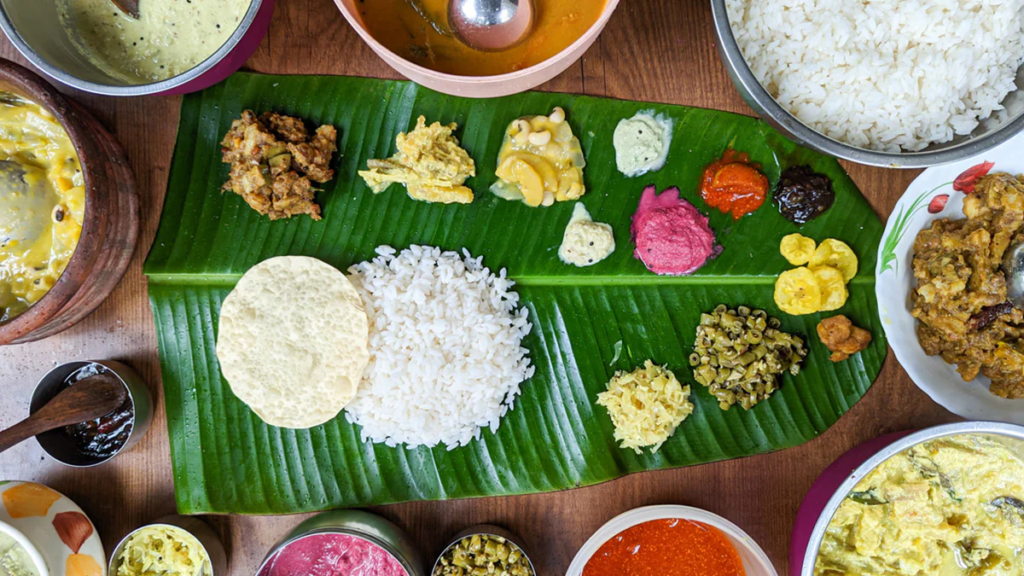
Indian cuisine, for instance, includes a remarkable variety of regional traditions. The food of Punjab differs from the cuisine of Kerala, while Rajasthan, Bengal, Maharashtra, and Tamil Nadu each have their own flavors and cooking styles.
Food can therefore tell us about climate, agriculture, trade, family traditions, and history.
Traditional Foods Around the World

Every part of the world has dishes that have become closely associated with its cultural identity.
Italy is widely known for foods such as pasta and pizza, while Japan has a strong culinary tradition built around ingredients such as rice, seafood, vegetables, and noodles. Mexico has a rich food culture featuring corn, beans, chilies, and a wide range of regional dishes.
Middle Eastern cuisines are known for ingredients such as chickpeas, dates, herbs, grains, and spices. Across Africa, food traditions vary greatly from region to region, with local grains, vegetables, meats, and spices forming the basis of many meals.
In South Asia, food is often closely connected to festivals and family gatherings. Sweets, snacks, breads, rice dishes, and special meals may be prepared for particular occasions.
What makes traditional food special is not simply the taste. It is the story and meaning behind the meal.
Fashion and Cultural Identity
Clothing is another important part of cultural expression. Traditional clothing often reflects a community’s history, climate, craftsmanship, and social customs.
Saris, salwar suits, lehengas, and traditional regional clothing are examples of garments associated with different parts of Indian culture. In other parts of the world, people may wear kimonos, hanboks, kilts, kaftans, embroidered dresses, or other traditional garments.
These clothes can carry details that tell a story. The fabric, patterns, colors, embroidery, and way a garment is worn may have cultural significance.
Traditional clothing is often especially visible during weddings, festivals, ceremonies, and national celebrations.
How Traditional Fashion Is Changing


Traditional fashion continues to evolve. Many designers today combine traditional patterns and techniques with modern cuts and everyday styles.
This does not necessarily mean that traditional clothing is disappearing. In many cases, adapting clothing makes it easier for younger generations to wear and appreciate their cultural heritage.
A traditional textile may become part of a modern jacket. An old embroidery technique may be used on contemporary clothing. A traditional garment may be redesigned to make it more comfortable for daily life.
This balance between tradition and modern design shows how culture can remain relevant while changing with time.
Festivals and Cultural Celebrations
Festivals are among the most visible expressions of culture. They bring people together through food, music, decorations, clothing, prayers, performances, and community activities.
Different cultures celebrate different events for different reasons. Some festivals mark religious occasions, while others celebrate harvests, historical events, seasonal changes, or community traditions.
In India, festivals such as Diwali, Holi, Navratri, Eid, Christmas, Pongal, Onam, and many regional celebrations bring families and communities together.
Around the world, cultural celebrations may include parades, traditional dances, public gatherings, special meals, fireworks, music, or ceremonies.
The details differ, but the purpose is often similar: people come together to celebrate something meaningful.
Art, Music and Dance

Culture cannot be separated from creative expression. Art, music, and dance have helped communities preserve stories and traditions for generations.
Traditional songs may describe historical events or everyday life. Folk dances can reflect local customs and celebrations. Handcrafted artwork can represent stories, symbols, and regional styles.
India alone has a huge variety of classical and folk traditions, including different forms of dance, music, painting, sculpture, and handicrafts.
Other countries have their own unique creative traditions. Exploring these forms of expression can offer a deeper understanding of how different communities see the world.
The Importance of Cultural Heritage
Cultural heritage includes more than old buildings and historical monuments. It can include languages, recipes, crafts, music, stories, ceremonies, clothing, and traditional knowledge.
Some forms of heritage are physical, such as temples, monuments, historical buildings, and traditional artwork. Others are passed down through practice and memory.
Protecting cultural heritage matters because once a language, craft, recipe, or traditional skill disappears, it can be difficult to recover.
Families, communities, cultural organizations, museums, schools, and governments can all play a role in preserving these traditions.
Learning From Different Cultures

Exploring another culture does not mean simply collecting interesting facts. It is also an opportunity to understand different ways of life.
Travel can provide one of the best opportunities for cultural learning. Visiting local markets, trying traditional food, attending cultural events, and speaking respectfully with local people can provide experiences that are difficult to get from a textbook.
Even without traveling, people can learn through books, documentaries, cooking, music, art, and conversations with people from different backgrounds.
The important thing is to approach another culture with curiosity and respect.
Respecting Cultural Differences
Cultural traditions should be appreciated without turning them into stereotypes.
A country or community is never defined by a single food, outfit, festival, or custom. People within the same culture can have very different experiences and traditions.
When learning about cultural practices, it is helpful to understand the context behind them. Avoid assuming that everyone follows the same customs or celebrates things in exactly the same way.
Respect also means recognizing that some traditions have deep personal or religious meaning. What may appear unusual to an outsider can be extremely important to the people who practice it.
Culture in a Changing World

Globalization has made it easier than ever for cultures to influence one another. Food, fashion, music, movies, and art now travel across borders quickly.
This can lead to exciting combinations. People discover new foods, experiment with different styles, and create new forms of music and art.
At the same time, communities may worry about losing traditional practices. Younger generations may live differently from their parents and grandparents, especially in rapidly changing cities.
The challenge is not necessarily to keep every tradition exactly the same. Instead, communities can find ways to preserve the meaning and knowledge behind traditions while allowing them to evolve naturally.
How Families Keep Traditions Alive
Many cultural traditions survive because families continue practicing them at home.
A parent teaching a child how to prepare a traditional recipe is one simple example. Grandparents may share stories, songs, or customs that children might not learn elsewhere.
Family celebrations can also keep traditions alive. Preparing special food, wearing traditional clothing, decorating the home, or following a familiar ceremony can create memories that continue across generations.
These everyday moments may seem small, but they play a major role in cultural preservation.
Discovering Culture Through Everyday Life

Culture is not limited to major festivals or famous landmarks. It can be found in ordinary routines.
The way people greet one another, prepare breakfast, decorate their homes, celebrate birthdays, spend time with family, or welcome guests can reveal a lot about their values.
This is why everyday life can be one of the most interesting ways to understand culture.
Instead of only looking for famous attractions, take time to notice the small details. They often tell a more personal story.
FAQs
1. Why are cultural traditions important?
They connect people with their history, values, and community.
2. How does food represent culture?
Traditional foods often reflect local ingredients, history, customs, and family traditions.
3. Why is traditional clothing important?
Traditional clothing can represent cultural identity, history, craftsmanship, and regional customs.
4. How can we learn about other cultures?
You can learn through food, travel, music, art, festivals, books, and conversations.
5. How can cultural traditions be preserved?
Families and communities can preserve traditions by teaching younger generations and continuing cultural practices.
Modern Culture: How Society, Traditions & Values Are Changing
Culture is continuously evolving. The ways people live, communicate, work, celebrate, and relate to one…
Food, Culture & Tradition: Regional Flavors & Heritage
Food is far more than physical sustenance. It is a living archive of human history,…

Health & Wellness Trends 2026: Tips for a Healthier Life
Health and wellness are becoming more important parts of everyday life. People are paying greater…

Culture Trends 2026: Heritage, Traditions & Modern Life
Culture is not something that belongs only in museums, history books, or traditional celebrations. It…

Culture Guide 2026: Traditions, Heritage, Food & Lifestyle
Culture is one of the most meaningful ways people make sense of the world around…
The Ultimate Food Culture Guide: Traditions, Flavors & Heritage
Food is one of the simplest ways to understand a culture. A meal can tell…