
Food is far more than physical nourishment or something we consume when we are hungry. It serves as a living archive of human history, reflecting where people come from, what their families value, what ingredients thrive in their regional soil, and how communities have adapted across generations. A traditional dish may look simple when served on a plate, but behind its colors and aromas lies a narrative of agricultural history, trade routes, human migration, cultural celebration, and cherished family memories.
Across the globe, traditional food systems developed naturally out of local necessity and environmental availability. Over centuries, family recipes were shaped by local climates, seasonal yields, religious guidelines, trade networks, and cross-cultural exchanges. While some labor-intensive dishes are reserved strictly for annual festivals and major milestones, others serve as the quiet foundation of ordinary, everyday family life.
Exploring global food culture offers a powerful lens through which to understand human connection. You do not need to cross every border on Earth to appreciate its diversity. By learning the origins, techniques, and stories behind different dishes, we gain a deeper appreciation for the lives, struggles, and artistic expressions of communities worldwide.
Why Traditional Food Matters to Cultural Heritage

Traditional food acts as a bridge between past and future generations. A recipe is rarely just a set of instructions; it is often an heirloom passed from grandparents to children and onward to grandchildren. The specific choice of ingredients may adjust slightly over time based on availability, but the essential techniques, flavors, and emotional resonance remain intact.
                            [ CULTURAL HERITAGE ]
                                       │
       ┌───────────────────────┬───────┴───────┬───────────────────────┐
       │                       │               │                       │
       ▼                       ▼               ▼                       ▼
[ Intergenerational ]  [ Festival Marks ]      [ Expressions of ]      [ Sense of Place ]
  Knowledge Transfer     & Rituals               Hospitality             & Local Identity
Beyond daily sustenance, food sits at the absolute center of human celebration. Weddings, religious observances, harvest festivals, community gatherings, and national holidays are almost universally marked by specific culinary traditions. Preparing and sharing a meal is also one of humanity’s oldest expressions of hospitality—a gesture that welcomes strangers, deepens friendships, and signals care. Cuisine is not merely a collection of cooking steps; it is a vital form of intangible cultural heritage.
Global Culinary Traditions at a Glance

The table below illustrates how different regions around the world leverage distinct foundational ingredients, signature cooking techniques, and cultural philosophies to form their unique culinary identities.
| World Region | Core Foundational Ingredients | Primary Cooking Techniques | Key Cultural Philosophy |
|---|---|---|---|
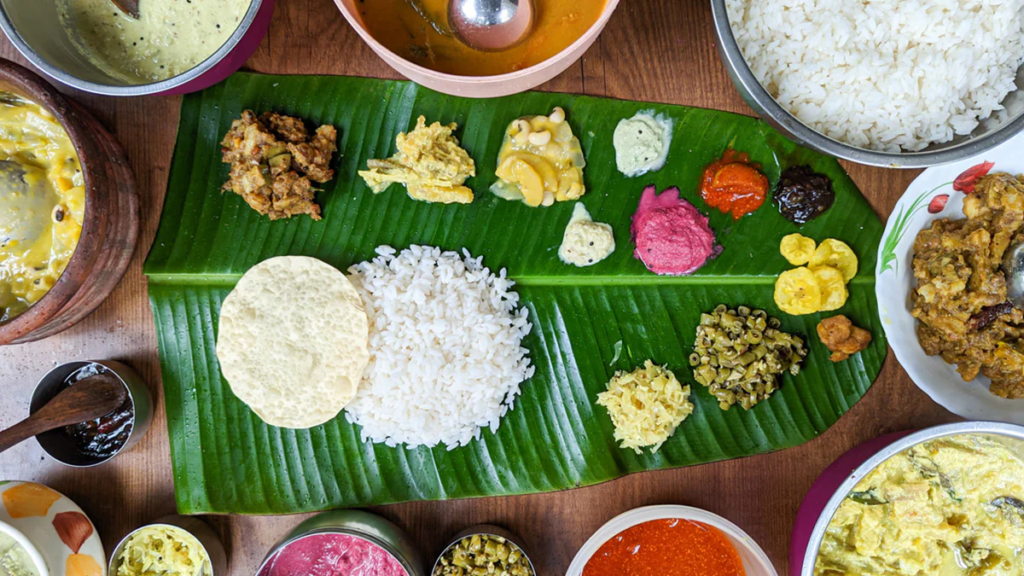
| South Asia (India) | Lentils, rice, wheat, ghee, regional spice blends (masalas) | Tempering (tadka), slow simmering, tandoori baking | Balance of flavors (rasa), hospitality, and deep ritual/festival connections |
| East Asia (Japan) | Rice, sea vegetables, soy, dashi stock, seasonal produce | Raw preparation, steaming, simmering, light tempura frying | Minimalism, seasonality (shun), balance, and respect for natural ingredient purity |
| Southern Europe (Italy) | Olive oil, wheat flour, tomatoes, cured meats, regional cheeses | Slow boiling, wood-fire baking, simple pan-searing | La Cucina Povera (making the most of simple, high-quality local ingredients) |
| Mesoamerica (Mexico) | Maize (corn), native beans, chilies, tomatoes, squash | Nixtamalization, grinding on metates, dry-roasting on comals | Ancient indigenous roots fused with community celebration and family ritual |
| Middle East | Legumes, flatbreads, olive oil, sesame (tahini), lamb, pomegranate | Charcoal grilling, slow stewing, baking, spice-rubbing | Communal dining, generosity, and long-standing historical trade routes |
Indian Cuisine: A Landscape of Regional Diversity

India provides a striking example of how geography, climate, and historical trade routes influence eating habits. Indian food cannot be accurately summarized as a single cuisine; it is a vast tapestry of regional traditions that change dramatically every few hundred kilometers.
                          INDIAN CULTURAL FOOD MAPPING

     North Region                                         South Region
  ───────────────────                                  ───────────────────
  • Wheat Staples (Roti, Naan)                         • Rice Staples (Dosa, Idli)
  • Rich Gravies, Dal, Rajma                           • Tangy Broths (Sambar, Rasam)
  • Dairy-based Sweets (Peda)                          • Coconut & Curry Leaf Bases
In Northern India, agricultural reliance on wheat yields flatbreads like roti and naan, paired with hearty lentil preparations (dal), kidney bean stews (rajma), and spice-infused vegetable gravies.
Moving to Southern India, the tropical landscape favors rice cultivation and coconut palm growth. Here, fermenting rice and lentil batters produces light, digestible staples like dosa and idli, served alongside vegetable-rich sambar and pepper-infused rasam.
Western and Eastern states boast equally distinct identities:
- Maharashtra: Known for rich, texturally dynamic dishes such as misal pav and sweet, lentil-stuffed puran poli.
- Bengal: Famous for delicate freshwater fish preparations spiced with panch phoron (five-spice blend) and an extensive culture of milk-based sweets like rasgulla and sandesh.
- Festive Sweets: Confectionery holds a sacred place across the country. Specialized treats like modak are lovingly prepared for Ganesh Chaturthi, while ladoos, jalebi, and peda mark bright family celebrations everywhere.
Italian Food: Simplicity, Locality, and Family

While recognized worldwide for pizza and pasta, traditional Italian food is rooted in regional geography and family history. Historically referred to as la cucina povera (the kitchen of the humble), Italian cooking relies on using fresh, seasonal, and locally available ingredients with maximum care and minimal fuss.
[ Regional Harvest ] ──► [ Simple Preparation ] ──► [ Family Table Gathering ]
Pasta shapes, sauces, cheeses, and cured meats vary significantly from north to south. Northern regions frequently utilize butter, polenta, and slow-cooked meat ragùs, whereas Southern regions celebrate olive oil, sun-ripened tomatoes, garlic, seafood, and fresh herbs.
The global journey of pizza—from a simple street food in Naples to an internationally adapted favorite—demonstrates how a regional staple can evolve into a universal symbol of comfort while retaining its cultural origin story.
Japanese Cuisine: Seasonality and Aesthetic Balance

Japanese food culture, known historically as washoku, emphasizes balance, seasonality, visual presentation, and a profound respect for the natural flavors of ingredients.
[ Fresh Seasonal Produce ] ──► [ Minimal Processing ] ──► [ Aesthetic Presentation ]
While sushi and sashimi represent Japan’s mastery of raw seafood, daily traditional meals center around a harmonious balance of rice, pickled vegetables, fish or tofu, and clear broths like miso soup. The Japanese concept of shun dictates using ingredients only when they are at their absolute peak of seasonal flavor. The visual arrangement on the plate is considered just as important as the taste, engaging all human senses in the act of eating.
Mexican Food: Centuries of Culinary Layering

Recognized by UNESCO as an Intangible Cultural Heritage of Humanity, Mexican cuisine is a complex system of ancient Mesoamerican traditions intertwined with later global influences.
  [ Ancient Maize / Corn ] ──► [ Nixtamalization Process ] ──► [ Tortillas, Tamales & Masa ]
                                         │
                                         ▼
                            [ Chilies, Beans & Mole ]
The fundamental core of traditional Mexican food rests on maize (corn), beans, native chilies, squash, and tomatoes. The ancient process of nixtamalization—soaking corn grains in an alkaline solution—transforms raw corn into digestible, nutrient-rich dough (masa) used for handmade tortillas, tamales, and pupusas. Complex sauces like mole, which can feature dozens of carefully toasted spices, seeds, chilies, and dark cacao, showcase the depth of culinary artistry passed down through generations of home cooks.
Middle Eastern Traditions: Hospitality and Shared Tables
Middle Eastern food cultures across the Levant, Persian Gulf, and North Africa reflect centuries of ancient trade routes where spices, grains, and culinary ideas mixed freely.
[ Meze Spread ] ──► [ Communal Flatbreads ] ──► [ Shared Family Hospitality ]
Dips like hummus and baba ghanoush, freshly fried falafel, herb-rich tabbouleh, wood-baked flatbreads, slow-simmered tagines, and spiced grilled meats are foundational to the region. Here, dining is inherently communal. Large trays of food are placed in the center of the table, accompanied by flatbreads used in place of utensils. Generosity to guests is considered a primary moral duty, making meals a vibrant ritual of social bonding.
Chinese Cuisine: Regional Mastery and Philosophy


China’s vast geography and long recorded history have given rise to incredible regional diversity, traditionally categorized into major culinary schools defined by climate and local produce.
                         REGIONAL CHINESE FLAVOR PROFILES

     Sichuan / Hunan                                       Cantonese / East
  ─────────────────────                                 ───────────────────────
  • Pungent, Spicy, Numbing                             • Delicate, Fresh, Steamed
  • Sichuan Peppercorns & Chilies                       • Natural Ingredient Flavors
  • Bold Stews & Hotpots                                • Dim Sum & Subtle Broths
- Sichuan & Hunan: Famed for bold, tongue-numbing heat produced by combining dried red chilies with aromatic Sichuan peppercorns (ma la).
- Cantonese (Guangdong): Emphasizes light, delicate cooking techniques like steaming and light stir-frying to preserve the natural, unadorned freshness of ingredients, as seen in traditional dim sum.
- Northern Chinese: Cool climates favor wheat cultivation over rice, yielding rich traditions of hand-pulled noodles, steamed buns (baozi), and delicate meat dumplings (jiaozi).
Across all regions, traditional Chinese food philosophy incorporates ideas of balance, harmony, and wellness, selecting foods that nourish the body in accordance with seasonal needs.
French Cuisine: Technique, Land, and Legacy

French culinary history has played a foundational role in formalizing professional culinary techniques worldwide. Yet, beneath refined restaurant service lies a deep country tradition of regional farm cooking (cuisine du terroir).
[ Local Agricultural Produce ] ──► [ Regional Technique ] ──► [ Classic Comfort Dishes ]
Iconic staples like crusty baguettes, buttery croissants, artisanal cheeses, and rich sauces originated from regional farm kitchens making creative use of local dairy, grains, and livestock. Classic dishes like coq au vin, ratatouille, and cassoulet showcase how simple local ingredients, when cooked slowly with precise technique, yield timeless cultural classics.
How Migration Shapes Modern Food Landscapes

Food traditions are never completely static; they travel alongside people wherever they move. When immigrant communities settle in new countries, they bring their treasured family recipes with them, often adapting traditional cooking methods to match locally available ingredients.
Over time, these creative adaptations give rise to vibrant new culinary movements, such as Tex-Mex, British-Indian curry culture, and various fusion styles found across metropolitan centers. Modern cities offer unprecedented culinary diversity, where a single city block can house traditional bakeries, street food stalls, and family-run eateries representing four different continents.
Respectful Exploration and Preserving Heritage
Preserving traditional food does not require keeping every recipe strictly frozen in time. Cultures naturally evolve, adapt, and exchange ideas. What truly matters is keeping the underlying knowledge, cultural history, culinary techniques, and human stories alive.
                              HERITAGE PRESERVATION
                                        │
       ┌────────────────────────────────┼────────────────────────────────┐
       │                                │                                │
       ▼                                ▼                                ▼
[ Family Recipe Logs ]         [ Local Market Support ]          [ Respectful Learning ]
  - Documenting oral steps       - Buying from small farms         - Understanding cultural origin
  - Cooking with elders          - Supporting family eateries      - Avoiding superficial trends
You can actively participate in preserving cultural food heritage through simple, everyday actions:
- Document Family Recipes: Take time to cook alongside older family members, writing down oral recipes, measurement estimates, and personal stories.
- Support Local Artisans: Purchase ingredients from independent markets, family-owned spice shops, and small-scale traditional bakeries.
- Approach New Cuisines with Curiosity: When trying food from an unfamiliar culture, take a moment to learn about its geographic origin, history, and cultural meaning rather than treating it merely as a fleeting internet trend.
Food remains humanity’s most universal language. Every dish served on a family table carries a piece of history, a memory of home, and an invitation to share in a common human experience.
FAQs
1. What is traditional food?
Traditional food refers to dishes and cooking methods passed down through generations within a culture or community.
2. Why is food important to cultural heritage?
Food preserves family traditions, local history, celebrations, and cultural identity.
3. What are examples of traditional foods around the world?
Examples include Indian curries, Italian pasta, Japanese sushi, Mexican tamales, and Middle Eastern hummus.
4. How does traditional food change over time?
Recipes can change as people migrate, new ingredients become available, and cooking styles evolve.
5. How can we preserve traditional food culture?
Families can pass down recipes, teach cooking skills, support local food traditions, and share cultural food stories.

Modern Culture: How Society, Traditions & Values Are Changing
Culture is continuously evolving. The ways people live, communicate, work, celebrate, and relate to one…
Food, Culture & Tradition: Regional Flavors & Heritage
Food is far more than physical sustenance. It is a living archive of human history,…

Health & Wellness Trends 2026: Tips for a Healthier Life
Health and wellness are becoming more important parts of everyday life. People are paying greater…

Culture Trends 2026: Heritage, Traditions & Modern Life
Culture is not something that belongs only in museums, history books, or traditional celebrations. It…

Culture Guide 2026: Traditions, Heritage, Food & Lifestyle
Culture is one of the most meaningful ways people make sense of the world around…
The Ultimate Food Culture Guide: Traditions, Flavors & Heritage
Food is one of the simplest ways to understand a culture. A meal can tell…