
What makes our world so fascinating isn’t just its physical landscapes, but the sheer variety of human experience. Every community brings its own unique blend of stories, customs, celebrations, food, art, music, and language. Some traditions have held firm for centuries, while others shift and blend as people, ideas, and technology cross borders.
Learning about global culture isn’t about memorizing trivia or compiling a list of country facts. It comes down to understanding why people live, communicate, create, and celebrate the way they do. You don’t need a round-the-world plane ticket to experience this either. Books, films, museums, regional foods, music, conversations, and thoughtful online resources open up those same doors right from home.
Understanding What Culture Actually Is
At its core, culture is the shared rhythm of life within a community. It encompasses everything from language, beliefs, and architecture to everyday habits, clothing, and dining customs.
                  THE EVOLUTION OF CULTURE

  [ Historical Heritage ]  ---> Rooted in geography, climate, and ancestral traditions
             |
             v
  [ Dynamic Influences ]  ---> Shaped by trade, migration, tech, and global exchange
             |
             v
  [ Modern Identity ]    ---> Blends preserved history with contemporary choices
Culture is never static. It adapts as communities navigate changing times and interact with new neighbors. A bustling modern city might nestle ultra-modern glass skyscrapers next to historic stone temples. Traditional recipes evolve when chefs gain access to new spices, and ancient seasonal festivals adopt light shows alongside traditional ceremonies. This balance between honoring the past and embracing change keeps culture alive.
Why Cultural Perspective Matters
Taking time to understand other cultures fundamentally shifts how you see the world. It fuels curiosity and strips away knee-jerk assumptions. Something that feels strange or unfamiliar at first glance often makes complete sense once you learn the historical or geographical context behind it.
Building this awareness enriches everyday life. Whether you are collaborating with international colleagues, meeting neighbors, traveling abroad, or simply reading the news, cultural literacy helps you navigate interactions with respect, empathy, and genuine connection.
Traditions, Festivals, and Shared Connection
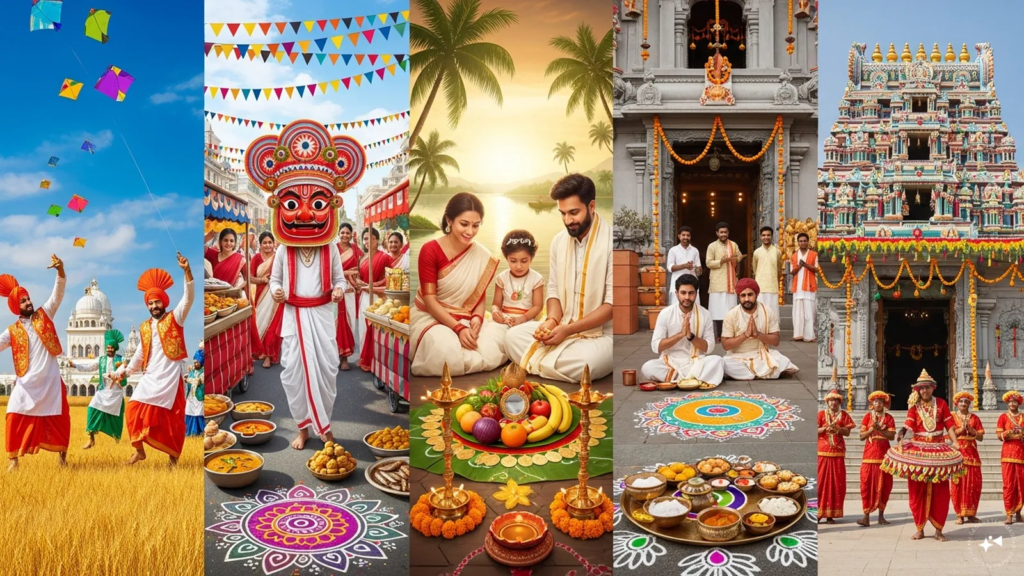
Traditions act as an anchor, linking generations through shared practices, stories, and gatherings.
How Traditions Adapt
While traditions connect us to our history, they aren’t rigid rules etched in stone. Younger generations frequently adapt old customs to fit modern lifestyles. Updating a ceremony or changing how a holiday is observed doesn’t mean a tradition is dying—it’s often the very reason it survives.
The Power of Festivals
Festivals are among the most vibrant expressions of community identity. Whether tied to harvest cycles, historical events, spiritual milestones, or seasonal shifts, they bring people together through music, food, and ritual. For guests, observing these events offers an incredible window into local life, provided it is done with respect for the community hosting the celebration.
How Culture Expresses Itself
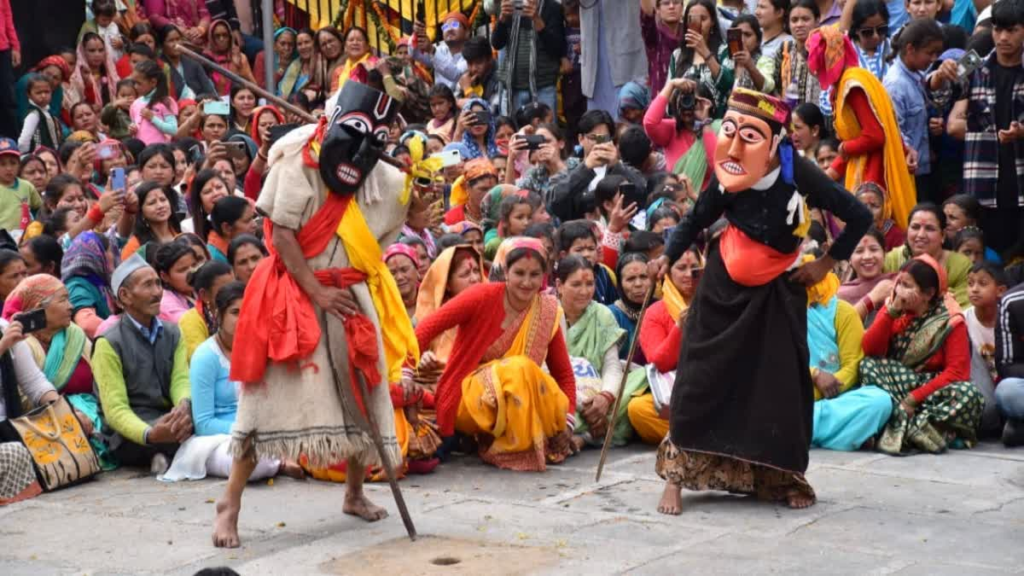
Culture shows up in almost every aspect of human creativity and daily survival.
+------------------------------------+-----------------------------------------------------+
| Cultural Medium                    | How It Reflects Identity & History                  |
+------------------------------------+-----------------------------------------------------+
| Food & Cuisine                     | Reflects local climate, available crops, & trade routes |
| Language & Idioms                  | Preserves unique worldview, concepts, & social history |
| Art & Craftsmanship                | Uses local raw materials to record unwritten histories |
| Music & Dance                      | Tells stories & marks life milestones without words |
| Architecture                       | Demonstrates local engineering, climate, & values   |
+------------------------------------+-----------------------------------------------------+
Food Tells a Story
Regional dishes reveal a place’s geography, climate, and historical trade routes. A staple comfort food might exist because a specific grain grew easily in local soil, or because historic trade introduced new spices. Trying regional food is one of the easiest ways to connect with a culture’s roots.
Language Preserves History
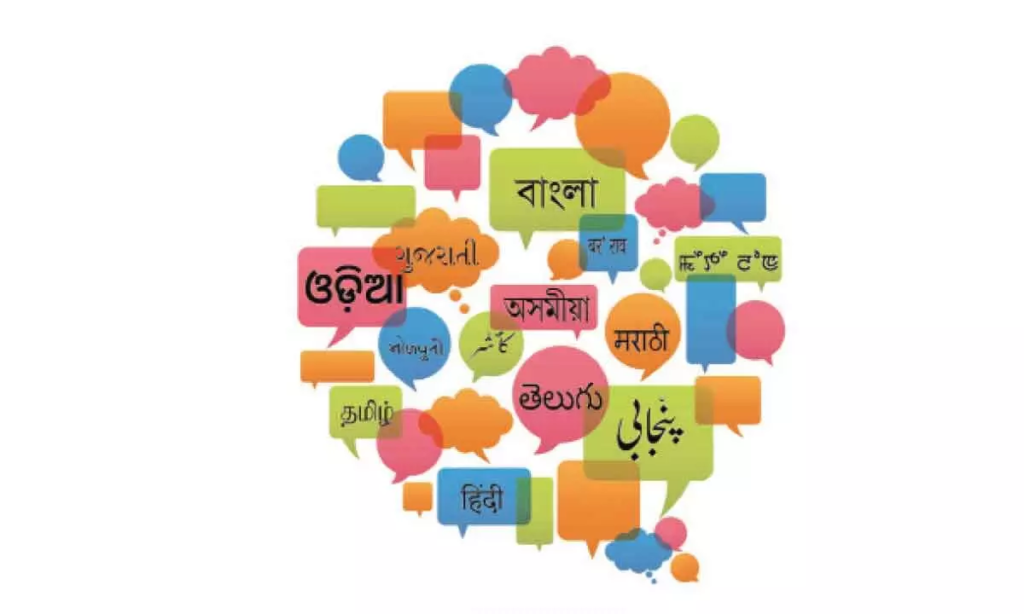
Language is far more than a set of grammar rules; it holds a community’s worldview. Many languages contain specific phrases or untranslatable concepts that reflect local values and historical experiences. Learning even a few basic greetings when visiting a new place shows immediate respect.
Migration, Technology, and Modern Exchange
People have always moved, and wherever people go, their culture travels with them. Migration introduces new languages, music, ingredients, and perspectives to existing neighborhoods. Modern multicultural cities showcase this beautifully—a single city block might house a family-run bakery, a traditional craft shop, and houses of worship from three different continents living side-by-side.
At the same time, the internet has accelerated cultural exchange. You can tour world-class museums virtually, stream music from small villages, learn languages via apps, and watch home cooks share traditional recipes from across the globe.
Exploring Global Cultures Respectfully
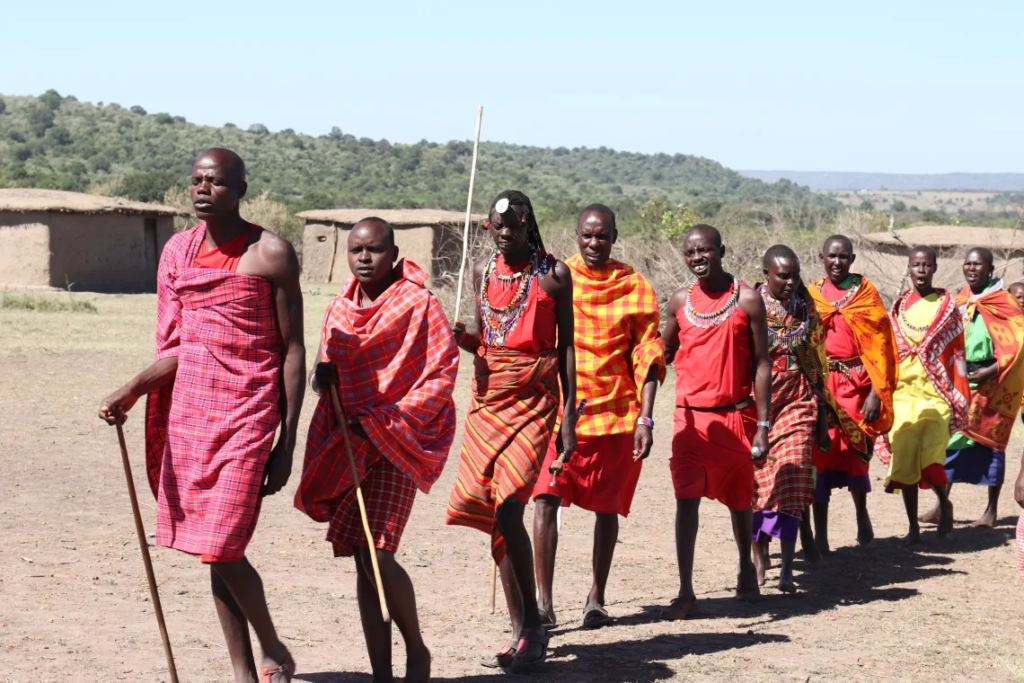
Curiosity is wonderful, but exploring other cultures requires a thoughtful, grounded approach.
- Avoid Generalized Stereotypes: No country or group is a monolith. Massive internal diversity exists within every culture, state, and even individual family. Avoid broad generalizations like “everyone from this country does X.”
- Ask Better Questions: Shift your perspective from superficial judgment to genuine inquiry. Ask: What is the history behind this custom? What significance does it hold for the community? How has it evolved over time?
- Travel like a Neighbor, Not Just a Tourist: When visiting new places, step off the beaten track. Visit local markets, use public transit, try regional eateries, and respect local guidelines around photography, religious sites, and dress codes.
- Support Local Creators: When buying cultural goods, crafts, or booking tours, support local artisans, guides, and community-run businesses directly. This ensures that traditional skills remain economically viable for the people who own them.
Culture is a living, evolving tapestry shaped by history, human creativity, and connection. By approaching different ways of life with humility, openness, and an eagerness to learn, we don’t just expand our worldview—we build a much more connected, compassionate world.
FAQ’s
1. What is global culture?
Global culture includes the traditions, languages, food, art, music, history, and customs of communities worldwide.
2. Why is learning about other cultures important?
It helps us understand different perspectives, avoid stereotypes, and communicate more respectfully.
3. How can I explore different cultures from home?
You can read books, watch documentaries, explore museums online, try regional foods, and listen to international music.
4. How does culture change over time?
Culture evolves through migration, technology, trade, new ideas, and interactions between communities.
5. How can I experience another culture respectfully?
Learn about its history, avoid stereotypes, respect local customs, and listen to people from that community.