
In today’s fast-paced world, maintaining good health and wellness has become more important than ever. Modern lifestyles often involve long working hours, increased screen time, unhealthy eating habits, and high levels of stress. While technological advancements have made life more convenient, they have also introduced new challenges that can affect physical and mental well-being. As a result, people are increasingly looking for ways to improve their overall health and achieve a balanced lifestyle.
Health and wellness are not just about avoiding illness. They involve taking care of the body, mind, and emotions to achieve a higher quality of life. A healthy lifestyle can improve energy levels, increase productivity, strengthen the immune system, and enhance mental clarity. By making conscious choices every day, individuals can create habits that support long-term wellness and happiness.
This guide explores the essential aspects of health and wellness for modern living and provides practical insights into building a healthier and more fulfilling life.
Understanding Health and Wellness
Although the terms health and wellness are often used interchangeably, they have different meanings. Health refers to the overall condition of the body and the absence of disease or illness. Wellness, on the other hand, is an active process of making choices that promote physical, mental, and emotional well-being.
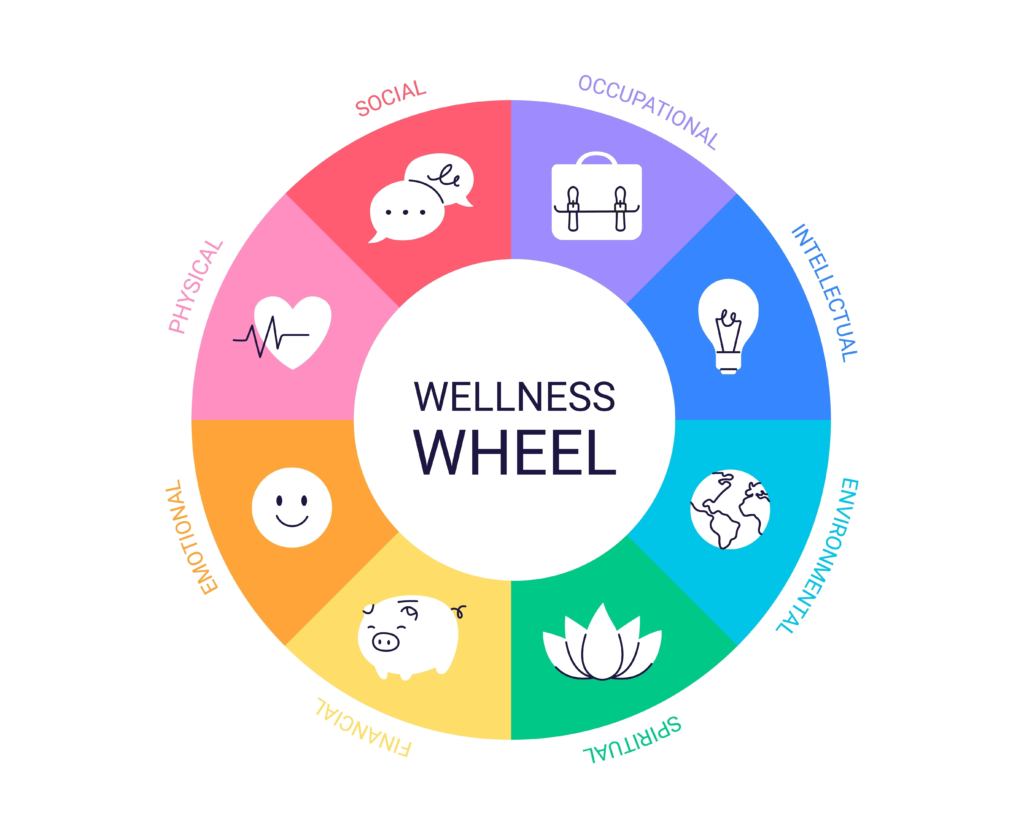
Wellness is a lifelong journey that requires consistent effort and awareness. It involves adopting positive habits, managing stress effectively, maintaining healthy relationships, and prioritizing self-care. True wellness is achieved when all aspects of life work together to support overall well-being.
The Importance of Balanced Nutrition


Nutrition plays a vital role in maintaining good health. The food we consume provides the body with the nutrients needed for energy, growth, and repair. A balanced diet supports immune function, improves brain performance, and reduces the risk of chronic diseases.
Modern diets often include processed foods, sugary drinks, and excessive amounts of unhealthy fats. These choices can contribute to obesity, diabetes, heart disease, and other health problems. Replacing processed foods with whole, nutrient-rich options can significantly improve overall wellness.
A healthy diet should include fruits, vegetables, whole grains, lean proteins, and healthy fats. Drinking enough water throughout the day is equally important. Proper hydration helps regulate body temperature, supports digestion, and improves concentration.
Making mindful food choices does not mean following restrictive diets. Instead, it involves creating sustainable eating habits that nourish the body and support long-term health goals.
Physical Activity and Fitness
Regular exercise is one of the most effective ways to improve health and wellness. Physical activity strengthens muscles, improves cardiovascular health, increases flexibility, and boosts energy levels. It also helps maintain a healthy weight and reduces the risk of various diseases.
Exercise is not limited to intense gym workouts. Walking, cycling, swimming, dancing, and yoga are all excellent ways to stay active. The key is to find activities that are enjoyable and can be incorporated into daily routines.
In addition to physical benefits, exercise has a positive impact on mental health. Physical activity releases endorphins, often referred to as feel-good hormones, which help reduce stress and improve mood. Regular movement can also enhance sleep quality and increase overall confidence.
For optimal results, individuals should aim to engage in physical activity consistently rather than focusing solely on short-term fitness goals.
Mental Health and Emotional Well-Being
Mental health is a crucial component of overall wellness. In today’s connected world, people often face pressures related to work, education, finances, and social expectations. These challenges can lead to stress, anxiety, and emotional exhaustion if not managed properly.
Taking care of mental health involves recognizing emotions, seeking support when needed, and developing healthy coping mechanisms. Activities such as meditation, mindfulness, journaling, and spending time in nature can help reduce stress and promote emotional balance.
Building strong social connections is equally important. Supportive relationships provide encouragement, comfort, and a sense of belonging. Spending quality time with family and friends can improve emotional well-being and reduce feelings of isolation.
It is also important to understand that seeking professional help is a sign of strength, not weakness. Mental health professionals can provide valuable guidance and support during difficult times.
The Role of Quality Sleep
Sleep is often overlooked in discussions about health and wellness, yet it is one of the most important factors affecting overall well-being. During sleep, the body repairs tissues, strengthens the immune system, and processes information from the day.
Lack of sleep can negatively impact concentration, memory, mood, and physical health. Chronic sleep deprivation has been linked to increased risks of obesity, heart disease, and diabetes.
Creating healthy sleep habits can improve sleep quality. Maintaining a consistent sleep schedule, limiting screen time before bed, and creating a comfortable sleeping environment can help individuals achieve better rest.
Adults generally require seven to nine hours of sleep each night to support optimal health and performance.
Managing Stress in Modern Life
Stress is a natural part of life, but excessive stress can have serious effects on physical and mental health. Modern lifestyles often involve multiple responsibilities that can create constant pressure and overwhelm.
Effective stress management begins with identifying stressors and developing strategies to address them. Time management, regular exercise, relaxation techniques, and healthy communication can all contribute to reducing stress levels.
Practicing mindfulness can be particularly helpful. By focusing on the present moment, individuals can reduce anxiety about future events and develop greater emotional resilience.
Taking breaks, pursuing hobbies, and setting realistic expectations are also important components of a balanced and healthy lifestyle.
Preventive Healthcare and Regular Checkups

Preventive healthcare is essential for maintaining long-term wellness. Regular medical checkups can help identify potential health issues before they become serious problems. Early detection often leads to more effective treatment and better outcomes.
Routine health screenings, vaccinations, dental care, and eye examinations are important aspects of preventive care. Individuals should also stay informed about their family medical history and discuss any concerns with healthcare professionals.
By prioritizing preventive healthcare, people can take proactive steps toward protecting their health and improving their quality of life.
The Impact of Technology on Wellness
Technology has become an integral part of modern living. While it offers many benefits, excessive technology use can also affect health and wellness. Prolonged screen time may contribute to eye strain, poor posture, reduced physical activity, and sleep disturbances.
However, technology can also support healthy lifestyles when used responsibly. Fitness trackers, wellness apps, meditation platforms, and telehealth services provide convenient tools for managing health and achieving wellness goals.
Finding a healthy balance between digital engagement and real-world activities is essential for maintaining overall well-being.
Building Healthy Habits for Long-Term Success

Achieving health and wellness is not about making drastic changes overnight. Small, consistent actions often lead to the most sustainable results. Building healthy habits requires patience, commitment, and self-awareness.
Setting realistic goals can help individuals stay motivated. Whether it is drinking more water, exercising regularly, or practicing mindfulness, gradual improvements can have a significant impact over time.
Celebrating progress, learning from setbacks, and maintaining a positive mindset are important aspects of the wellness journey. Success is not measured by perfection but by continuous effort and growth.
Conclusion
Health and wellness are fundamental to living a fulfilling and productive life. In the modern world, maintaining well-being requires a balanced approach that addresses physical health, mental wellness, emotional resilience, and healthy lifestyle habits. By focusing on nutrition, exercise, sleep, stress management, preventive healthcare, and personal growth, individuals can create a strong foundation for long-term success.