
Culture has always been a defining aspect of human society. It influences the way people think, communicate, celebrate, work, and interact with one another. Throughout history, cultures developed independently based on geography, traditions, beliefs, and social structures. However, the modern world has undergone significant changes due to globalization, creating new opportunities for cultural exchange and interaction. Today, people can connect with individuals from different countries within seconds, access information from across the globe, and experience traditions that were once limited to specific regions.
The evolution of modern culture in a globalized world is one of the most fascinating developments of the twenty-first century. While globalization has brought people closer together, it has also transformed cultural identities, lifestyles, and social values. Understanding how culture has evolved helps us appreciate the diversity of human experiences while recognizing the challenges and opportunities that globalization presents.
Understanding Culture in the Modern Era
Culture is more than language, food, clothing, or traditions. It encompasses the shared beliefs, values, customs, and behaviors that shape a community or society. Culture provides individuals with a sense of identity and belonging while influencing how they view the world around them.
In the past, cultural practices were largely shaped by local communities and passed down through generations. People often had limited exposure to lifestyles beyond their own regions. Today, technology and global communication have expanded cultural awareness, allowing people to learn about and engage with different cultures more easily than ever before.
Modern culture is increasingly influenced by global interactions. As people travel, communicate online, and consume international media, cultural boundaries become less rigid. This interconnectedness has created a dynamic environment where traditions and modern influences coexist.
The Role of Globalization in Cultural Change
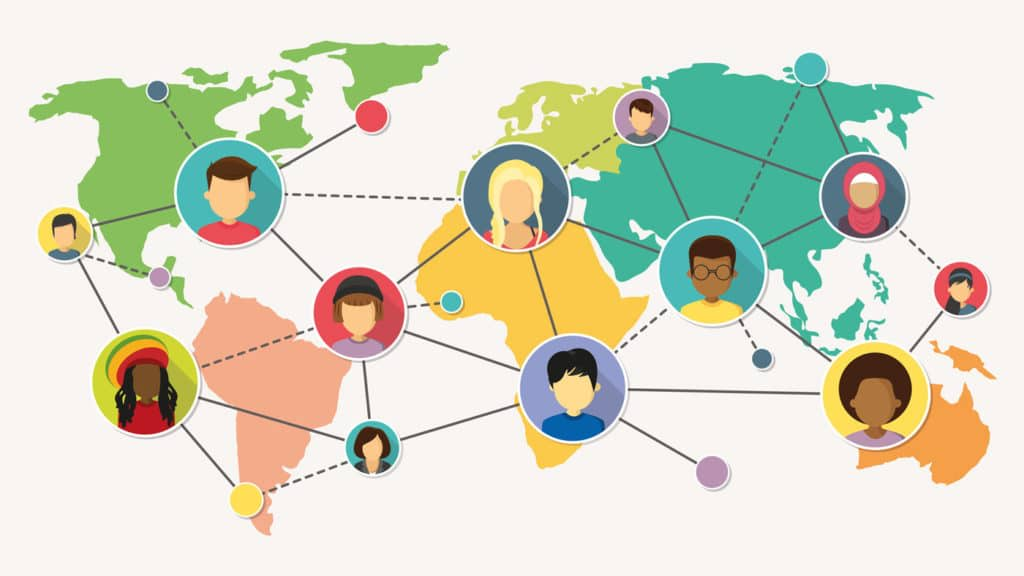
Globalization refers to the increasing interconnectedness of countries, economies, and societies. Advances in transportation, communication, and technology have made it possible for people and ideas to move across borders with unprecedented speed.
One of the most noticeable effects of globalization is the exchange of cultural practices. Music, movies, fashion, cuisine, and entertainment from different countries are now accessible to global audiences. A person living in one part of the world can enjoy food from another continent, watch international films, and listen to music produced thousands of miles away.
This exchange of ideas has enriched cultural experiences and broadened perspectives. People are exposed to diverse viewpoints, traditions, and lifestyles, fostering greater understanding and appreciation of cultural differences. At the same time, globalization has encouraged societies to adapt and evolve in response to changing influences.
Technology as a Driver of Cultural Evolution
Technology has become one of the most powerful forces shaping modern culture. The internet, social media platforms, and digital communication tools have transformed how people interact and share information. Cultural trends can spread globally within hours, influencing behaviors and preferences across different societies.
Social media has created a virtual space where individuals from diverse backgrounds can connect, collaborate, and exchange ideas. Popular cultural movements often gain momentum through online communities, allowing people to participate in global conversations regardless of their location.
Technology has also changed how culture is preserved and transmitted. Traditional stories, languages, music, and historical records can now be stored digitally and shared with future generations. This has helped protect cultural heritage while making it more accessible to wider audiences.
However, technology also presents challenges. The rapid spread of information can sometimes lead to cultural misunderstandings or the oversimplification of complex traditions. Balancing innovation with cultural preservation remains an important consideration in the digital age.
The Influence of Global Media
Global media has played a significant role in shaping modern culture. Television, streaming platforms, films, and online content have introduced audiences to different cultures and lifestyles. International entertainment industries have become major cultural influencers, affecting fashion, language, and social trends worldwide.
The popularity of global media has contributed to the emergence of shared cultural experiences. People from different countries often follow the same television series, listen to the same music, and engage with similar online content. These common interests help create connections across cultural boundaries.
At the same time, local cultures continue to influence global media. Many countries have successfully promoted their cultural products on the international stage, demonstrating that cultural exchange is not a one-way process. This interaction between global and local influences has created a more diverse and interconnected cultural landscape.
Cultural Diversity in a Globalized Society
One of the greatest strengths of globalization is its ability to highlight cultural diversity. Exposure to different traditions and perspectives encourages tolerance, understanding, and mutual respect. People are increasingly recognizing the value of cultural diversity in promoting creativity, innovation, and social harmony.
Multicultural societies have become more common as migration and international mobility increase. In many cities around the world, individuals from various cultural backgrounds live and work together. This diversity enriches communities by introducing new ideas, customs, and experiences.
Cultural diversity also contributes to economic and educational growth. Businesses benefit from diverse perspectives, while educational institutions provide opportunities for cross-cultural learning. These interactions prepare individuals to thrive in a globally connected world.
The Impact on Traditional Values and Practices
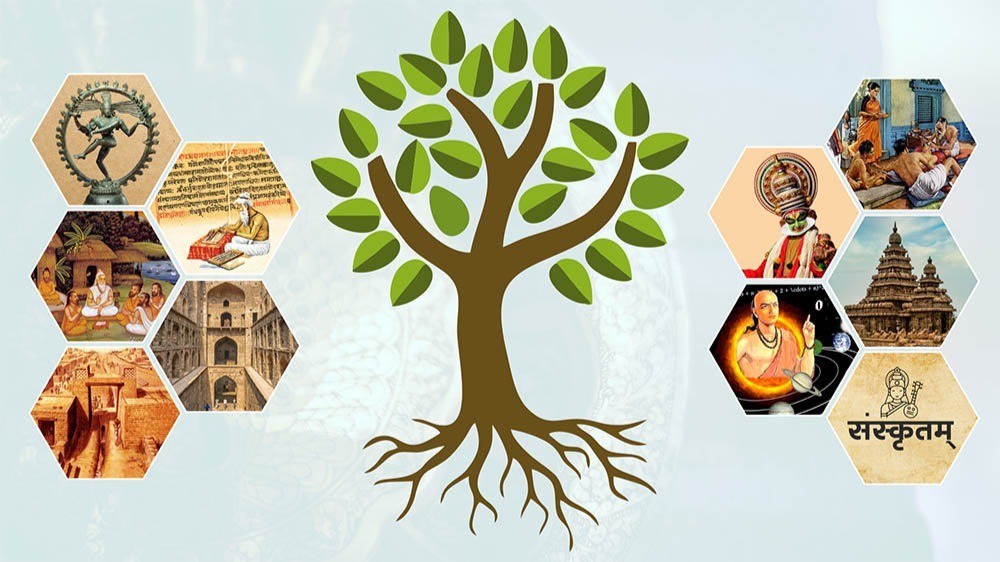
While globalization offers many benefits, it has also raised concerns about the preservation of traditional cultures. As global influences become more widespread, some communities fear the loss of unique customs, languages, and cultural identities.
Younger generations are often exposed to international trends that may differ from traditional practices. This can create tension between preserving cultural heritage and embracing modern lifestyles. In some cases, traditional languages and customs face the risk of decline as societies become more integrated into global networks.
Despite these challenges, many communities are actively working to preserve their cultural heritage. Festivals, cultural education programs, museums, and digital archives help maintain traditions while adapting them to modern contexts. Rather than disappearing, many cultural practices are evolving to remain relevant in contemporary society.
The Rise of Hybrid Cultures
One of the most interesting outcomes of globalization is the development of hybrid cultures. These cultures emerge when people combine elements from different traditions to create new forms of expression. Hybrid cultures can be seen in music, fashion, food, language, and art.
For example, modern cuisine often blends ingredients and cooking techniques from multiple cultures. Fashion trends frequently incorporate styles from various regions, creating unique and innovative designs. Music genres continue to evolve through collaborations between artists from different cultural backgrounds.
Hybrid cultures demonstrate the adaptability and creativity of human societies. They reflect the reality of a connected world where cultural influences interact and evolve continuously.
Education and Cultural Awareness

Education plays a crucial role in helping individuals understand and appreciate cultural diversity. Schools and universities increasingly emphasize global perspectives and cross-cultural communication. Students are encouraged to learn about different societies, histories, and traditions, fostering greater cultural awareness.
Cultural education helps individuals develop empathy and respect for others. It also prepares them to navigate diverse environments in both personal and professional settings. In a globalized world, cultural competence has become an essential skill that supports effective communication and collaboration.
Educational exchanges, study-abroad programs, and international partnerships further contribute to cultural understanding. These experiences allow individuals to engage directly with different cultures, creating meaningful connections and expanding their worldview.
Challenges of Cultural Globalization
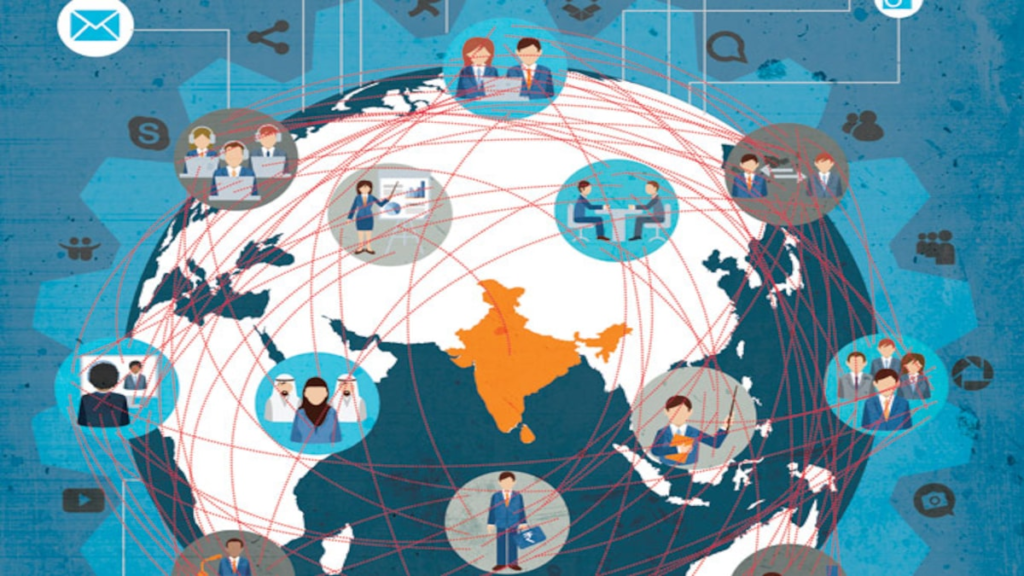
Despite its many advantages, cultural globalization is not without challenges. Some critics argue that globalization can lead to cultural homogenization, where local traditions are overshadowed by dominant global influences. This concern is particularly relevant in smaller communities with limited resources for cultural preservation.
Another challenge involves maintaining cultural authenticity. As cultural elements become commercialized or adapted for global audiences, they may lose some of their original meaning or significance. Ensuring respectful representation of cultural traditions is important for preserving their integrity.
Additionally, cultural misunderstandings can arise when people lack awareness of different customs and values. Promoting cultural education and open dialogue is essential for addressing these challenges and encouraging positive intercultural relationships.
The Future of Modern Culture
The future of modern culture will likely be shaped by continued globalization, technological innovation, and evolving social values. As communication becomes even more accessible, cultural exchange will continue to accelerate. People will have greater opportunities to learn from one another and collaborate across borders.
At the same time, there is growing recognition of the importance of preserving cultural heritage. Many communities are embracing technology as a tool for documenting and sharing traditions while maintaining their unique identities. This balance between global participation and cultural preservation will be a defining characteristic of future cultural development.
Modern culture will continue to evolve as societies adapt to new challenges and opportunities. The ability to embrace diversity while respecting cultural differences will remain essential for creating inclusive and harmonious communities.
FAQs
1. What is modern culture?
Modern culture refers to the beliefs, values, behaviors, and lifestyles shaped by contemporary social, technological, and global influences.
2. How has globalization affected culture?
Globalization has increased cultural exchange, allowing people to experience and adopt traditions, ideas, and practices from around the world.
3. Why is cultural diversity important?
Cultural diversity promotes understanding, creativity, innovation, and stronger connections between different communities.
4. What are hybrid cultures?
Hybrid cultures are created when elements from different cultural traditions combine to form new styles, practices, or identities.
5. How can traditional cultures be preserved in a globalized world?
Traditional cultures can be preserved through education, cultural programs, digital archives, community events, and intergenerational knowledge sharing.