
Innovation has always been at the heart of human progress. Every major advancement in history, from the invention of the printing press to the rise of the internet, has been driven by the desire to solve problems and improve lives. Today, we are living in an era where innovation is advancing faster than ever before. Emerging technologies are reshaping industries, changing consumer behavior, and creating opportunities that were unimaginable just a few decades ago.
Businesses, governments, and individuals are embracing new technologies to improve productivity, enhance communication, and drive economic growth. Understanding innovation and emerging technologies is no longer optional; it has become essential for success in the modern world. This guide explores the meaning of innovation, the most important emerging technologies, their impact on society, and how they are shaping the future.
What Is Innovation?
Innovation refers to the process of introducing new ideas, products, services, or methods that create value. It is not limited to inventing something completely new. Sometimes innovation involves improving existing systems, making processes more efficient, or finding creative solutions to common problems.
Innovation can occur in many forms. Product innovation involves creating new products or improving existing ones. Process innovation focuses on enhancing operational efficiency. Business model innovation changes how companies deliver value to customers. Social innovation addresses societal challenges through creative approaches.
Successful innovation requires curiosity, experimentation, adaptability, and a willingness to challenge traditional thinking. Organizations that encourage innovation often gain a competitive advantage because they can respond quickly to changing market demands and customer expectations.
Why Emerging Technologies Matter
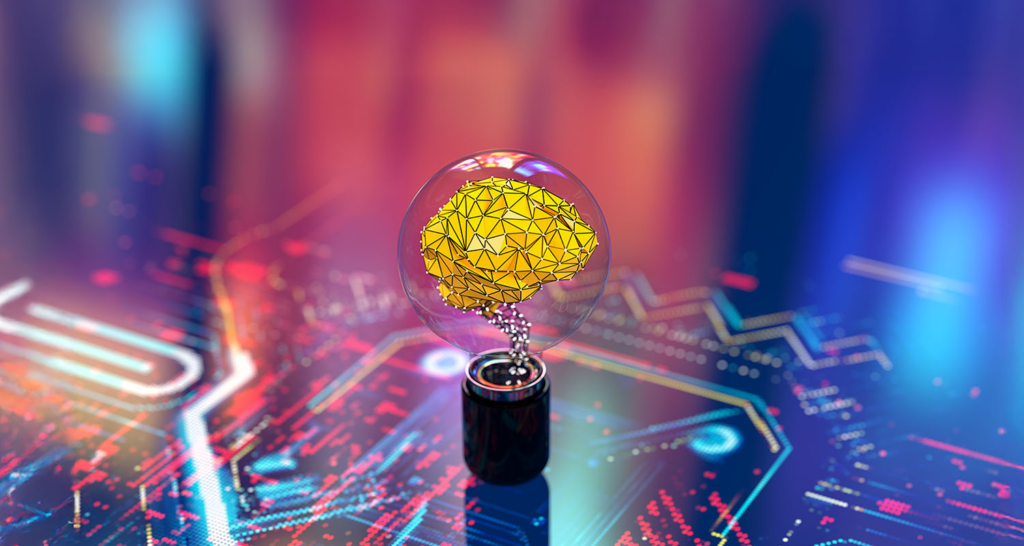
Emerging technologies are technologies that are currently developing or becoming widely adopted and have the potential to significantly impact industries and society. These technologies often introduce new capabilities that transform how businesses operate and how people live their daily lives.
The importance of emerging technologies lies in their ability to solve complex challenges, increase efficiency, reduce costs, and create new opportunities. They allow organizations to automate tasks, analyze large amounts of data, improve decision-making, and deliver better customer experiences.
As global competition increases and digital transformation accelerates, emerging technologies have become key drivers of innovation and economic growth.
Artificial Intelligence: The Engine of Modern Innovation
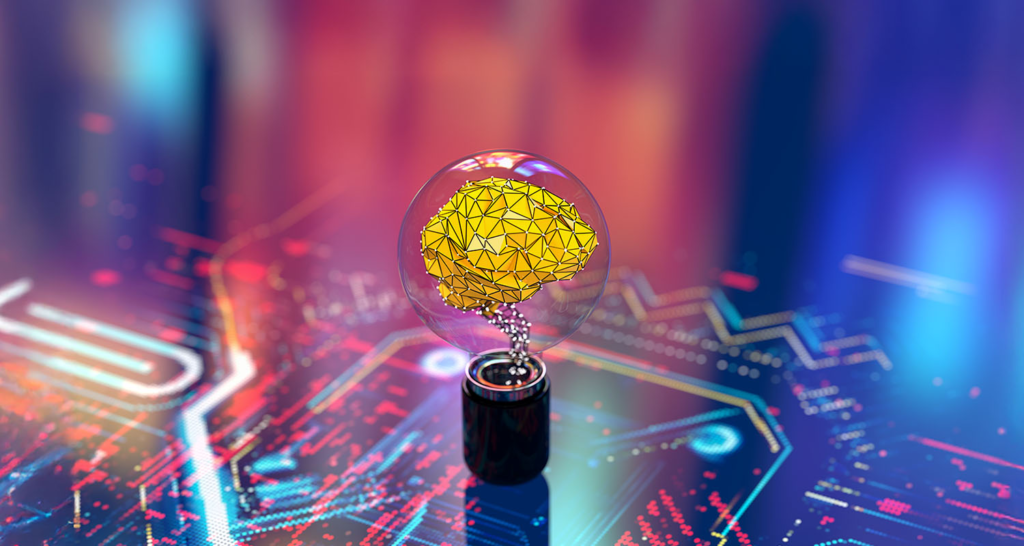
Artificial Intelligence (AI) is one of the most transformative technologies of the 21st century. AI enables machines to perform tasks that traditionally require human intelligence, such as learning, reasoning, problem-solving, and decision-making.
Businesses across industries are using AI to improve efficiency and productivity. In healthcare, AI assists doctors in diagnosing diseases and analyzing medical images. Financial institutions use AI to detect fraud and manage risk. Retail companies rely on AI-powered recommendation systems to personalize customer experiences.
AI also powers virtual assistants, chatbots, language translation tools, and autonomous vehicles. As computing power and data availability continue to grow, AI is expected to become even more influential in shaping the future.
Machine learning is a branch of artificial intelligence that enables computers to learn from data without being explicitly programmed. Instead of following fixed instructions, machine learning systems identify patterns and improve their performance over time.
This technology is widely used in recommendation engines, search algorithms, fraud detection systems, and predictive analytics. Businesses use machine learning to forecast market trends, understand customer preferences, and optimize operations.
The ability to make accurate predictions based on historical data provides organizations with a significant competitive advantage. As data volumes continue to increase, machine learning will remain a critical component of innovation strategies worldwide.
Internet of Things: A Connected Future
The Internet of Things (IoT) refers to a network of interconnected devices that communicate and exchange data over the internet. These devices range from smart home appliances and wearable fitness trackers to industrial sensors and connected vehicles.
IoT technology is transforming industries by enabling real-time monitoring, automation, and predictive maintenance. Smart homes allow users to control lighting, security systems, and appliances remotely. Manufacturers use IoT sensors to monitor equipment performance and reduce downtime.
In healthcare, connected devices help patients track vital signs and share health information with medical professionals. Smart cities leverage IoT systems to manage traffic, optimize energy consumption, and improve public services.
As billions of devices become connected, the impact of IoT on innovation and efficiency will continue to grow.
Blockchain Technology and Digital Trust

Blockchain technology has gained significant attention for its ability to provide secure, transparent, and decentralized record-keeping. A blockchain is a distributed digital ledger that records transactions across multiple computers.
One of the biggest advantages of blockchain is its ability to establish trust without relying on a central authority. This makes it valuable in industries where transparency and security are critical.
Financial institutions use blockchain for secure transactions and digital payments. Supply chain companies leverage blockchain to track products and verify authenticity. Healthcare organizations explore blockchain solutions for secure patient record management.
As concerns about data security and transparency increase, blockchain technology is expected to play a larger role in future innovation.
Cloud Computing and Business Transformation
Cloud computing has revolutionized how organizations store, manage, and access data. Instead of maintaining expensive physical infrastructure, businesses can use cloud-based services to access computing resources over the internet.
Cloud computing offers scalability, flexibility, and cost efficiency. Organizations can quickly deploy applications, collaborate remotely, and manage large volumes of data without significant upfront investments.
The cloud has become a foundation for digital transformation initiatives across industries. It supports remote work, data analytics, artificial intelligence applications, and global business operations.
As businesses continue to embrace digital technologies, cloud computing will remain a critical enabler of innovation.
Cybersecurity in the Digital Age

The rapid adoption of digital technologies has increased the importance of cybersecurity. Organizations now store vast amounts of sensitive data and rely heavily on digital systems to conduct business.
Cyber threats such as ransomware attacks, phishing scams, and data breaches can cause significant financial and reputational damage. As a result, cybersecurity has become a strategic priority for businesses worldwide.
Innovative cybersecurity solutions use artificial intelligence, machine learning, and advanced analytics to identify threats and respond quickly. These technologies help organizations detect unusual behavior, prevent attacks, and protect valuable information.
Strong cybersecurity practices are essential for maintaining trust and ensuring the success of digital transformation initiatives.
Robotics and Automation
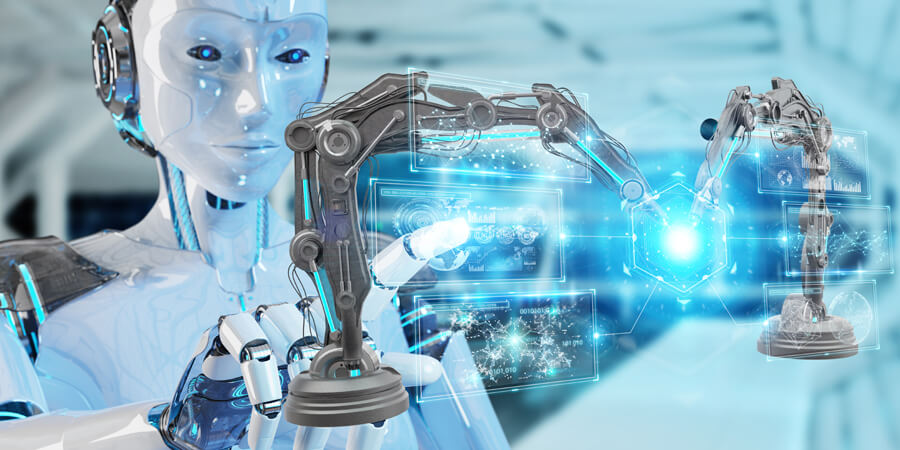
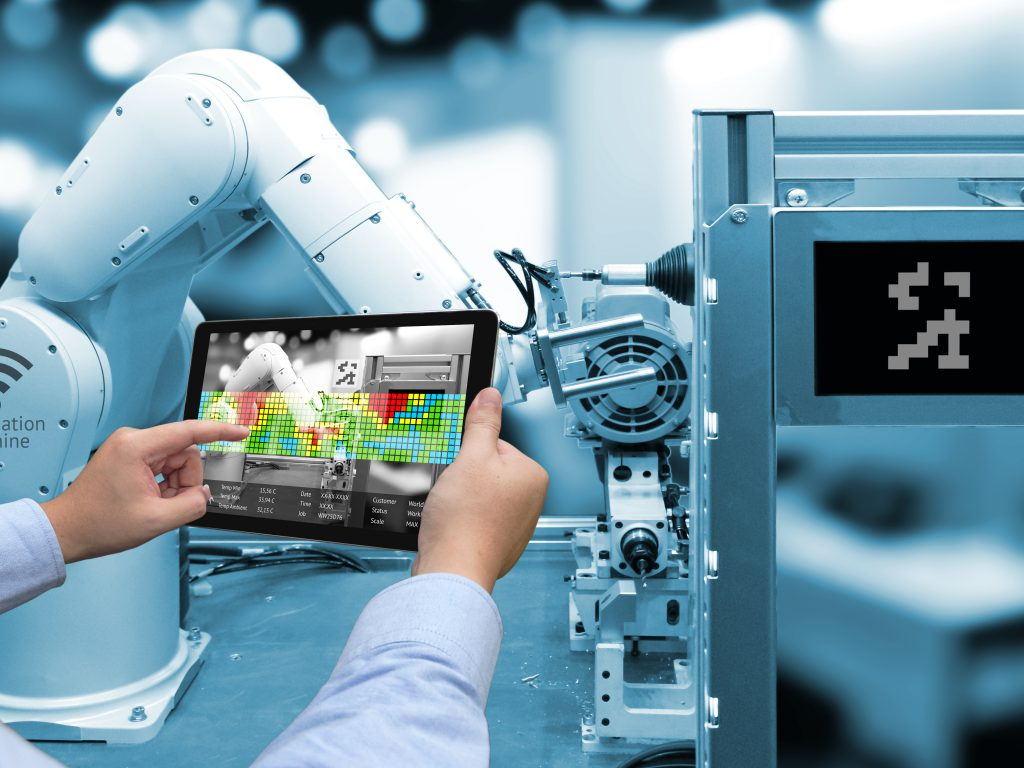
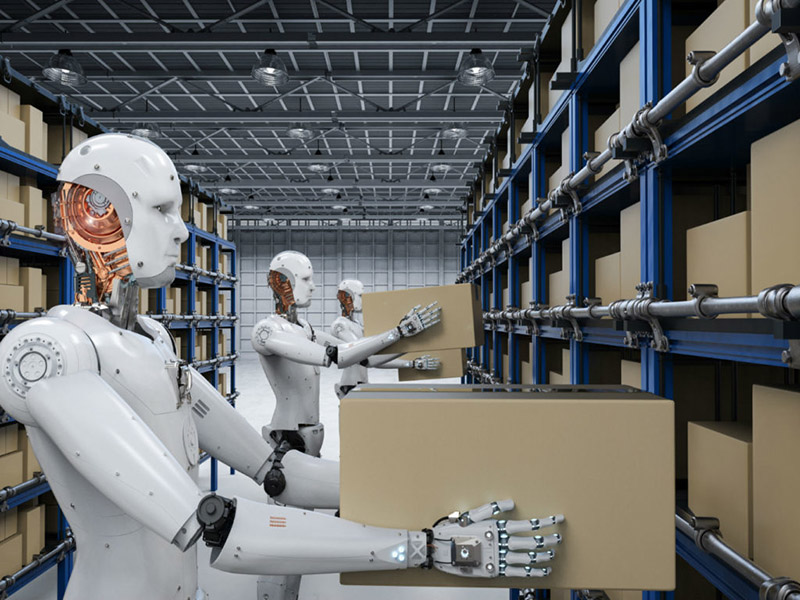
Robotics and automation are changing the way work is performed across industries. Automated systems can complete repetitive tasks with greater speed, accuracy, and consistency than human workers.
Manufacturing companies use robots for assembly lines and quality control. Warehouses rely on automation to manage inventory and process orders efficiently. Healthcare providers use robotic technologies to assist with surgeries and patient care.
While automation may replace certain routine tasks, it also creates opportunities for workers to focus on strategic, creative, and problem-solving activities. Organizations that successfully integrate automation can improve productivity and remain competitive in an evolving marketplace.
Virtual Reality and Augmented Reality
Virtual Reality (VR) and Augmented Reality (AR) are creating immersive digital experiences that enhance learning, entertainment, and business operations.
Virtual Reality places users inside a fully digital environment, while Augmented Reality overlays digital information onto the real world. These technologies are being used in education, healthcare, gaming, retail, and training programs.
Students can explore historical sites through virtual experiences. Retail customers can visualize furniture in their homes before making purchases. Medical professionals can practice procedures using realistic simulations.
As hardware becomes more affordable and software capabilities improve, VR and AR will continue to expand their influence across multiple industries.
The Business Benefits of Innovation


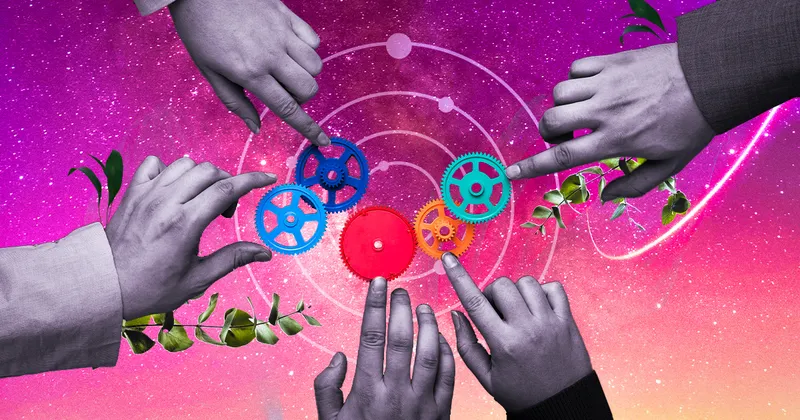
Innovation provides numerous benefits for businesses seeking growth and long-term success. Companies that embrace innovation are better positioned to adapt to changing customer needs and market conditions.
Innovation helps organizations improve products and services, reduce operational costs, increase efficiency, and create new revenue streams. It also strengthens brand reputation and enhances customer satisfaction.
Businesses that foster a culture of innovation encourage employees to think creatively, experiment with new ideas, and continuously improve processes. This culture enables organizations to remain agile and resilient in an increasingly competitive environment.
Challenges Associated with Emerging Technologies
Although emerging technologies offer tremendous opportunities, they also present challenges. High implementation costs, cybersecurity risks, regulatory requirements, and workforce skill gaps can hinder adoption.
Organizations must carefully evaluate technology investments and develop strategies to manage associated risks. Employee training and continuous learning are essential to ensure successful implementation.
Ethical concerns also play a significant role. Issues such as data privacy, algorithmic bias, and responsible AI development require careful consideration. Balancing innovation with ethical responsibility is critical for sustainable growth.
The Future of Innovation and Technology

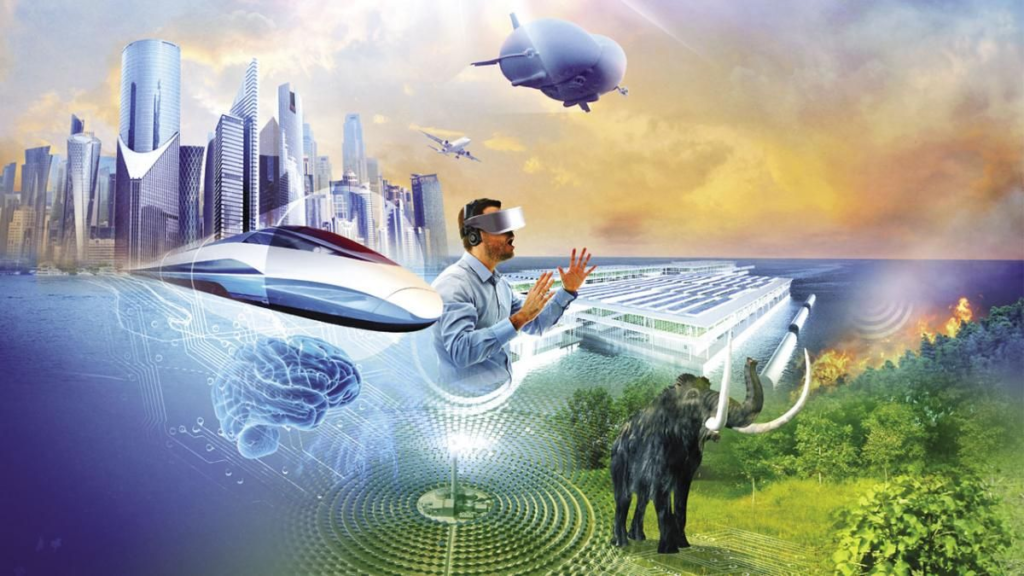
The future of innovation will be shaped by advances in artificial intelligence, quantum computing, biotechnology, renewable energy, and next-generation connectivity. These technologies will continue to transform industries and create new possibilities.
Businesses will increasingly rely on data-driven decision-making and intelligent automation. Sustainable innovation will become a priority as organizations seek environmentally friendly solutions to global challenges.
Collaboration among governments, businesses, researchers, and educational institutions will play a crucial role in accelerating innovation. Those who embrace change and invest in emerging technologies will be best positioned to thrive in the future economy.
Conclusion
Innovation and emerging technologies are driving unprecedented transformation across every sector of society. From artificial intelligence and blockchain to cloud computing and the Internet of Things, these advancements are changing how businesses operate and how people live their lives.
Understanding these technologies is essential for individuals and organizations that want to remain competitive in an increasingly digital world. By embracing innovation, investing in new technologies, and fostering a culture of continuous learning, businesses can unlock new opportunities and achieve long-term success.
The future belongs to those who are willing to adapt, innovate, and leverage emerging technologies to create meaningful value. As technology continues to evolve, innovation will remain the key force shaping the world of tomorrow.