
Innovation has always been a driving force behind human progress, but the digital age has accelerated the pace of change like never before. Advances in technology have transformed how people communicate, work, learn, shop, and conduct business. Digital innovation is no longer limited to technology companies; it affects nearly every industry and aspect of daily life. Organizations that embrace innovation can improve efficiency, enhance customer experiences, and remain competitive in a rapidly evolving marketplace.
The digital age has created an environment where new ideas can spread quickly, technologies can be adopted globally, and businesses can reach customers across borders. As technology continues to evolve, understanding the latest innovation trends has become essential for individuals, businesses, and governments alike. These trends are shaping the future and influencing how society adapts to changing economic and technological landscapes.
Understanding Innovation in the Digital Age
Innovation in the digital age refers to the development and implementation of new technologies, processes, products, and services that improve efficiency, solve problems, or create value. Unlike traditional innovation, digital innovation often occurs at a much faster pace due to advancements in computing power, internet connectivity, and data processing capabilities.
The digital revolution has created opportunities for organizations to rethink traditional business models and develop solutions that meet changing consumer expectations. Companies can now gather real-time data, automate processes, and deliver personalized experiences on a scale that was previously impossible. This transformation has made innovation a critical factor for long-term success.
Digital innovation is not solely about technology. It also involves creativity, adaptability, and the ability to identify opportunities for improvement. Organizations that foster innovative thinking are better equipped to respond to market changes and emerging challenges.
Artificial Intelligence and Machine Learning

Artificial intelligence has become one of the most significant innovation trends of the digital age. AI systems are capable of analyzing large amounts of data, recognizing patterns, and making decisions with minimal human intervention. Machine learning, a subset of artificial intelligence, enables systems to improve their performance over time by learning from experience.
Businesses use artificial intelligence to enhance customer service, automate repetitive tasks, improve decision-making, and optimize operations. Virtual assistants, recommendation engines, language translation tools, and predictive analytics are just a few examples of how AI is being integrated into everyday life.
The impact of artificial intelligence extends beyond business applications. Healthcare providers use AI to assist with medical diagnoses, educators use it to personalize learning experiences, and governments employ it to improve public services. As AI technology continues to advance, its influence on innovation is expected to grow significantly.
Cloud Computing and Digital Transformation
Cloud computing has revolutionized the way organizations manage data and technology resources. Instead of relying on physical infrastructure, businesses can access computing power, storage, and software through internet-based services. This flexibility allows organizations to scale operations efficiently and reduce costs.
Cloud technology has become a foundation for digital transformation. It enables businesses to adopt innovative solutions without making significant investments in hardware or infrastructure. Teams can collaborate remotely, access information from anywhere, and implement new technologies more quickly.
The rise of cloud computing has also supported the growth of remote work and digital collaboration. Organizations can operate more efficiently while providing employees with greater flexibility. As businesses continue to embrace digital transformation, cloud technology will remain a critical driver of innovation.
The Internet of Things
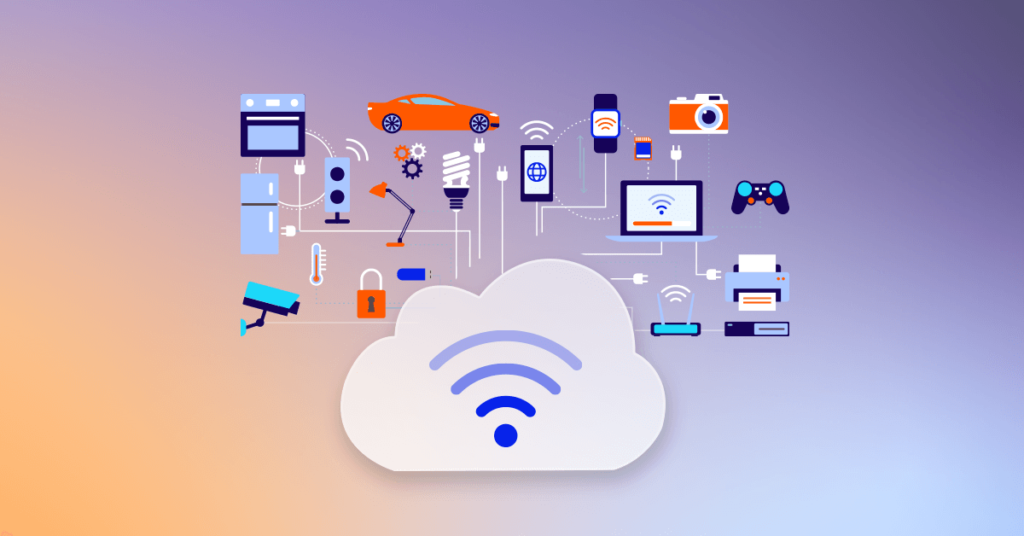
The Internet of Things, commonly known as IoT, refers to a network of connected devices that collect and exchange data through the internet. These devices range from smart home appliances and wearable fitness trackers to industrial sensors and connected vehicles.
IoT technology has created new opportunities for automation, efficiency, and convenience. Smart homes allow users to control lighting, security systems, and appliances remotely. Businesses use IoT devices to monitor equipment performance, track inventory, and optimize supply chains.
The growing number of connected devices generates valuable data that organizations can analyze to improve products and services. As internet connectivity becomes more widespread, the Internet of Things will continue to play a major role in shaping innovation across industries.
Big Data and Advanced Analytics
Data has become one of the most valuable assets in the digital economy. Every online interaction, transaction, and connected device generates information that can be analyzed to gain insights and support decision-making.
Big data refers to extremely large datasets that can reveal patterns, trends, and relationships when analyzed effectively. Advanced analytics tools help organizations transform raw data into meaningful information that drives innovation and business growth.
Companies use data analytics to understand customer behavior, improve marketing strategies, forecast demand, and identify opportunities for improvement. Governments and healthcare institutions also rely on data analysis to develop policies, improve services, and address complex challenges.
As data continues to grow in volume and importance, organizations that effectively leverage analytics will gain a significant competitive advantage.
Automation and Smart Workflows
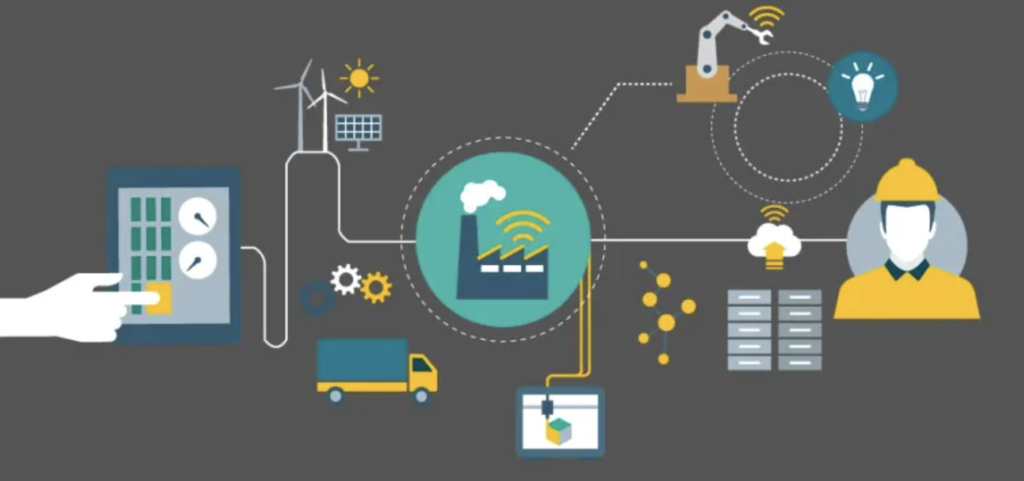
Automation is transforming how businesses operate by reducing the need for manual intervention in repetitive tasks. Digital tools and intelligent systems can perform routine processes more quickly and accurately than traditional methods.
Automation improves productivity, reduces errors, and allows employees to focus on higher-value activities. In manufacturing, automated systems increase production efficiency. In customer service, chatbots provide instant support. In finance, automated software streamlines accounting and reporting processes.
The adoption of automation is not limited to large corporations. Small businesses are also using digital tools to manage operations, communicate with customers, and improve efficiency. As automation technologies become more accessible, their impact on innovation will continue to expand.
Cybersecurity as an Innovation Priority
As digital technologies become more integrated into everyday life, cybersecurity has emerged as a critical area of innovation. Organizations must protect sensitive data, systems, and networks from increasingly sophisticated cyber threats.
Innovative cybersecurity solutions use artificial intelligence, machine learning, and advanced monitoring systems to detect and respond to potential threats in real time. These technologies help organizations identify vulnerabilities and strengthen their security measures.
The importance of cybersecurity extends beyond businesses. Individuals also rely on secure digital systems for banking, communication, and online transactions. As cyber risks continue to evolve, investment in cybersecurity innovation will remain essential for maintaining trust and safety in the digital world.
The Rise of Digital Commerce

Digital commerce has transformed how consumers purchase goods and services. Online shopping platforms, mobile payment systems, and digital marketplaces have created new opportunities for businesses to reach customers worldwide.
Consumers increasingly expect seamless and personalized shopping experiences. Businesses use innovative technologies such as artificial intelligence and data analytics to understand customer preferences and deliver targeted recommendations.
The growth of digital commerce has also encouraged the development of secure payment systems, efficient logistics networks, and advanced customer service solutions. These innovations continue to reshape the retail industry and influence consumer behavior.
Sustainable Innovation in the Digital Era
Sustainability has become an important focus for modern innovation. Organizations are increasingly seeking ways to reduce environmental impact while improving efficiency and profitability.
Digital technologies support sustainability efforts through energy management systems, smart infrastructure, and resource optimization tools. Businesses use data analytics to reduce waste, improve supply chain efficiency, and monitor environmental performance.
Renewable energy technologies, smart transportation systems, and sustainable manufacturing practices are examples of how innovation contributes to environmental responsibility. As global concerns about climate change continue to grow, sustainable innovation will become an increasingly important priority.
The Human Side of Digital Innovation

While technology is a key driver of innovation, people remain at the center of the innovation process. Creativity, collaboration, and critical thinking are essential for developing new ideas and solving complex problems.
Organizations that encourage innovation often invest in employee development, foster collaborative work environments, and promote a culture of continuous learning. The ability to adapt to change and embrace new technologies is becoming increasingly valuable in the modern workforce.
Digital innovation succeeds when technology enhances human capabilities rather than replacing them entirely. The most successful organizations are those that combine technological advancement with human creativity and expertise.
The Future of Innovation
The future of innovation will be shaped by continued advancements in artificial intelligence, connectivity, automation, and digital infrastructure. Emerging technologies such as quantum computing, extended reality, and advanced robotics have the potential to create entirely new industries and transform existing ones.
Innovation will increasingly focus on solving global challenges related to healthcare, sustainability, education, and economic development. Collaboration between businesses, governments, educational institutions, and technology providers will be essential for driving meaningful progress.
As the digital landscape continues to evolve, organizations and individuals must remain adaptable and open to change. Those who embrace innovation and continuously develop their skills will be better positioned to succeed in the future.
Conclusion
Innovation in the digital age is transforming every aspect of society. Technologies such as artificial intelligence, cloud computing, the Internet of Things, big data analytics, automation, and cybersecurity are creating new opportunities for growth, efficiency, and problem-solving. These innovations are reshaping industries, improving customer experiences, and driving economic development.
The pace of technological change shows no signs of slowing down. Understanding and embracing digital innovation is essential for staying competitive in a rapidly evolving world. While technology will continue to advance, the human qualities of creativity, adaptability, and collaboration will remain critical to innovation success.
FAQs
1. What is digital innovation?
Digital innovation involves using technology to create new products, services, processes, or business models that improve efficiency and value.
2. Why is artificial intelligence important in innovation?
Artificial intelligence helps automate tasks, analyze data, improve decision-making, and create personalized experiences.
3. How does cloud computing support innovation?
Cloud computing provides flexible access to technology resources, enabling businesses to scale operations and adopt new solutions quickly.
4. What role does big data play in digital transformation?
Big data provides insights that help organizations make informed decisions, understand customer behavior, and improve performance.
5. Why is cybersecurity important in the digital age?
Cybersecurity protects digital systems and sensitive information from threats, ensuring trust and safety in connected environments.