Diwali, also known as Deepavali, is one of the most widely celebrated festivals in India. Often called the Festival of Lights, it represents the victory of light over darkness, knowledge over ignorance, and good over evil. Families, friends, and communities come together to celebrate the occasion with prayers, decorations, sweets, gifts, and joyful gatherings.
Diwali is more than a festival of lights and celebrations. It carries deep cultural and spiritual meaning. Different regions and communities follow their own customs, but the central message remains similar: welcome positivity, share happiness, and create new beginnings.
In 2026, Diwali will once again bring people together through traditional rituals, colourful decorations, family celebrations, and acts of kindness. Understanding its customs and cultural importance can make the festival even more meaningful.
The Cultural Significance of Diwali

Diwali has a special place in Indian culture because it celebrates hope, positivity, and the triumph of good over evil. The festival is associated with different stories and traditions across India. One of the most popular stories comes from the Ramayana, which describes Lord Rama’s return to Ayodhya after fourteen years of exile and his victory over Ravana.
According to tradition, the people of Ayodhya welcomed Lord Rama, Sita, and Lakshmana by lighting rows of oil lamps. This is one of the reasons lighting diyas has become an important part of Diwali celebrations.
In other regions, Diwali is connected with Goddess Lakshmi, who is worshipped for prosperity and well-being. Some communities also celebrate the festival as a reminder of spiritual freedom and the importance of following a righteous path.
These different beliefs make Diwali a festival with diverse cultural meanings. Regardless of regional differences, it encourages people to leave negativity behind and welcome happiness into their lives.
Preparing Homes for Diwali
Cleaning and decorating the home is one of the most common Diwali traditions. Families usually begin preparations several days before the festival. They clean rooms, organise cupboards, remove unused items, and make their homes look fresh and welcoming.
This tradition is often associated with welcoming positive energy and Goddess Lakshmi. Many families believe that a clean and organised home creates a pleasant environment for prayers and celebrations.
People also decorate entrances, balconies, windows, and living spaces with colourful lights, flowers, and traditional decorations. Some prefer simple decorations, while others create elaborate festive arrangements.
Preparing the home together can also become a meaningful family activity. Children may help arrange decorations, while adults prepare the space for guests and religious ceremonies.
Lighting Diyas and Decorating with Lights
Diwali Festival Guide | India’s Spectacular Celebration of Light | FEstivation.com
Lighting diyas is one of the most recognisable traditions of Diwali. Small clay lamps filled with oil or ghee are placed near entrances, windows, balconies, and prayer areas. Their warm glow creates a peaceful and festive atmosphere.
Traditionally, diyas symbolise the removal of darkness and the arrival of hope. Today, many families combine traditional lamps with decorative LED lights, lanterns, and colourful electric decorations.
People also decorate their homes with string lights and candles to create an inviting environment. However, it is important to use electrical decorations carefully and keep open flames away from curtains, paper, and other materials that can catch fire.
Choosing reusable decorations and energy-efficient lights can also make the celebration more environmentally responsible.
Rangoli: A Colourful Part of Diwali Culture

Rangoli is a traditional Indian art form that adds colour and creativity to Diwali celebrations. It is commonly created near the entrance of homes, courtyards, and prayer spaces. Families use coloured powders, flower petals, rice, or other decorative materials to create beautiful patterns.
Traditional rangoli designs often include flowers, geometric shapes, diyas, and religious symbols. Some people create simple designs, while others prepare detailed patterns with multiple colours.
Making rangoli is not only about decoration. It is also a way to welcome guests and express creativity. Family members often participate together, making the activity enjoyable for children and adults.
For a more sustainable celebration, natural colours, flower petals, and rice flour can be used instead of synthetic materials. These options can reduce waste while maintaining the beauty of traditional designs.
Lakshmi Puja and Traditional Prayers
Diwali 2025 Puja Muhurat: Know Auspicious Timings, Vidhi, Samagri, And Bhog
Lakshmi Puja is an important part of Diwali for many Hindu families. Goddess Lakshmi is worshipped as a symbol of wealth, prosperity, and good fortune. Lord Ganesha is also commonly worshipped for wisdom and the removal of obstacles.
Families prepare a clean prayer area and arrange flowers, fruits, sweets, lamps, and other offerings. During the puja, they offer prayers and seek blessings for peace, happiness, and prosperity.
The exact timing and rituals may vary according to regional customs and family traditions. Some families perform detailed ceremonies, while others prefer a simple prayer at home.
The deeper meaning of the ritual is not limited to material wealth. It also reminds people to value honesty, gratitude, hard work, and responsible use of resources.
Traditional Diwali Food and Sweets
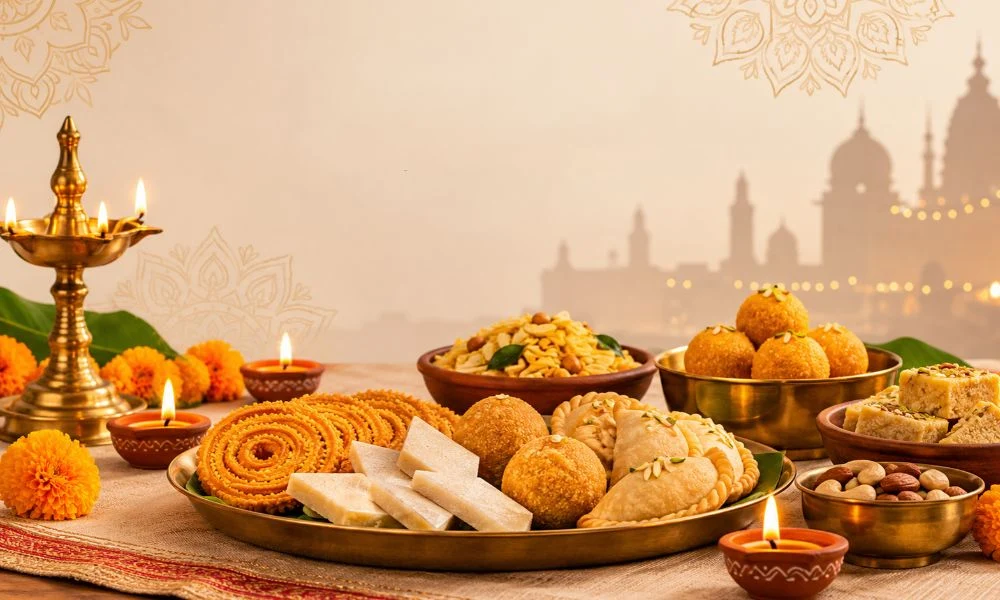
Food is an essential part of Diwali celebrations. Families prepare a variety of traditional dishes and sweets to share with relatives, friends, and neighbours. These recipes often come from family traditions and are prepared specially for the festive season.
Popular Diwali sweets include ladoos, barfi, gulab jamun, jalebi, kaju katli, and soan papdi. Different regions also have their own special festive dishes. Savoury snacks such as chakli, namak pare, mathri, and mixtures are commonly served alongside sweets.
Many families prepare food at home, while others purchase festive treats from local sweet shops. Sharing food is an important part of the celebration because it brings people together and expresses affection.
A thoughtful Diwali menu can include homemade dishes, traditional recipes, and options for guests with different food preferences. Preparing reasonable quantities also helps prevent unnecessary food waste.
Wearing Traditional Clothes During Diwali
Diwali 2025 & New Year 2026 Trends | Decor, Fashion & Cele | WordMitr
Wearing new or traditional clothes is another popular Diwali custom. Many people choose outfits that reflect Indian culture and the festive spirit. Women may wear sarees, lehengas, or salwar suits, while men often choose kurtas, jackets, or other traditional clothing.
Festive fashion also includes colourful fabrics, embroidery, jewellery, and accessories. However, traditional clothing is not compulsory. People can celebrate comfortably in whatever outfits suit their preferences and family customs.
For many families, getting ready together becomes a special part of the occasion. Children enjoy wearing new clothes, and relatives often take photographs to preserve memories of the celebration.
Choosing comfortable outfits and reusing traditional clothing can also make festive fashion more practical and sustainable.
Exchanging Gifts and Sharing Happiness
Gift-giving is a meaningful part of Diwali because it allows people to express appreciation and strengthen relationships. Families exchange gifts with relatives, friends, neighbours, and colleagues.
Common Diwali gifts include sweets, dry fruits, decorative items, clothing, household products, and personalised presents. Some people prefer handmade gifts because they feel more personal and thoughtful.
The value of a gift does not depend on its price. A simple present chosen with care can create a lasting impression. Many people also use the occasion to support small businesses by purchasing handmade products from local sellers.
Gift exchanges help maintain relationships and spread happiness. They remind people that festivals become more meaningful when celebrations are shared with others.
Regional Diwali Traditions Across India

India’s cultural diversity makes Diwali celebrations different from one region to another. Although the festival is widely associated with lights and prosperity, local customs, religious beliefs, food, and rituals create unique celebrations.
In North India, Diwali is strongly connected with the story of Lord Rama’s return to Ayodhya. Homes are decorated with diyas, and families perform Lakshmi Puja.
In Gujarat, the festive period includes traditional prayers, decorative displays, and the celebration of the Gujarati New Year, which follows Diwali.
In Maharashtra, families celebrate with traditional food, oil baths in some communities, prayers, and gatherings. Special snacks and sweets are prepared for relatives and guests.
In South India, some communities observe Naraka Chaturdashi as an important part of the Diwali period. Early morning rituals, traditional food, and family celebrations are common.
In parts of eastern India, Kali Puja is an important celebration during the Diwali period. Devotees worship Goddess Kali with prayers and decorated religious spaces.
These regional traditions show how one festival can represent many different cultural experiences while bringing communities together.
Eco-Friendly Diwali Celebrations
Modern Diwali celebrations are increasingly focusing on environmental responsibility. Traditional customs can be enjoyed while making choices that reduce pollution, waste, and unnecessary consumption.
One simple step is to use clay diyas, reusable decorations, and energy-efficient lights. Families can also choose natural rangoli colours and avoid excessive plastic decorations.
Firecrackers are traditionally used in many celebrations, but they can contribute to air and noise pollution and may create safety risks. Choosing a celebration without fireworks is one way to make the festival more considerate of children, older adults, animals, and people sensitive to noise.
Other useful ideas include:
- Use reusable decorative items instead of disposable products.
- Avoid wasting food and prepare suitable quantities.
- Choose gifts with minimal packaging.
- Support local artisans and small businesses.
- Use LED lights to reduce electricity consumption.
- Keep candles and diyas away from flammable materials.
- Dispose of waste responsibly after celebrations.
An eco-friendly Diwali does not need to be less colourful or enjoyable. Small decisions can help create a safer and more responsible festive environment.
Diwali Celebrations with Family and Friends
Building an Indian Community Abroad: The Complete 2026 Guide for Indians Living Overseas
Diwali is a time when family members and friends make an effort to spend time together. People who live away from their hometowns may travel to meet relatives, while others arrange gatherings at home.
Families often prepare meals together, decorate their living spaces, perform prayers, exchange gifts, and share stories. Children enjoy the lights and sweets, while older family members pass down traditional customs and explain their cultural importance.
For people who cannot meet in person, video calls and online greetings help maintain connections. Even a short conversation can make someone feel remembered and included.
These shared experiences often become some of the most valuable memories of the festival. They remind people that the real happiness of Diwali comes from relationships, kindness, and togetherness.
The Importance of Charity and Helping Others
Diwali is also an opportunity to think about people who may not have the same resources or opportunities to celebrate. Acts of kindness and charity can give the festival a deeper meaning.
Some families donate clothes, food, books, or essential supplies to people in need. Others support community organisations, distribute sweets, or spend time helping elderly neighbours.
Even small actions can make a positive difference. Sharing a meal, offering assistance, or including someone who may feel lonely can spread happiness beyond one’s own home.
Teaching children about generosity during Diwali is particularly valuable. It helps them understand that festivals are not only about receiving gifts but also about sharing what they have with others.
How Diwali Traditions Are Changing in Modern Times
Diwali celebrations have changed in many ways as lifestyles and technology have developed. Online shopping, digital invitations, virtual greetings, and home delivery services have made festive preparations more convenient.
Many families now combine traditional decorations with modern lighting and creative home designs. Social media also allows people to share rangoli patterns, recipes, outfits, and family photographs with friends and relatives around the world.
At the same time, there is growing interest in sustainable products, handmade decorations, local businesses, and celebrations that create less pollution.
Although the style of celebration may change, traditional values continue to remain important. Families still gather for prayers, prepare festive meals, exchange gifts, and spend time with loved ones.
The balance between modern convenience and cultural traditions allows Diwali to remain meaningful for different generations.
Tips for Planning a Meaningful Diwali in 2026

Planning ahead can make Diwali more enjoyable and less stressful. Instead of completing every preparation at the last moment, families can divide tasks across several days.
Here are some practical ideas:
- Prepare a budget: Decide how much you want to spend on decorations, food, clothes, and gifts.
- Plan decorations early: Choose diyas, lights, flowers, and rangoli materials before the festival.
- Prepare the menu: Make a list of sweets, snacks, and meals you want to serve.
- Organise family activities: Plan prayers, games, photographs, or a small gathering.
- Choose thoughtful gifts: Focus on useful and meaningful presents rather than expensive items.
- Follow safety precautions: Use electrical decorations and open flames carefully.
- Reduce waste: Prefer reusable products and avoid preparing more food than necessary.
A simple plan helps families focus on enjoying the festival instead of worrying about unfinished preparations.
Conclusion
Diwali is a festival that brings together culture, tradition, spirituality, and family celebrations. From lighting diyas and creating rangoli to performing Lakshmi Puja, preparing traditional sweets, and exchanging gifts, every custom adds something special to the occasion.
Its meaning extends beyond decorations and celebrations. Diwali encourages people to welcome positivity, strengthen relationships, help others, and appreciate the importance of hope and kindness.
As families celebrate Diwali in 2026, they can preserve traditional customs while adopting safer and more environmentally responsible practices. Whether the celebration is grand or simple, its true value lies in the happiness shared with others and the positive spirit carried into everyday life.
FAQs
1. What is Diwali?
Diwali is the Festival of Lights, celebrating the victory of good over evil.
2. Why is Diwali celebrated?
It celebrates hope, positivity, and the triumph of light over darkness.
3. What are popular Diwali traditions?
Lighting diyas, making rangoli, performing puja, and exchanging gifts.
4. Which sweets are popular during Diwali?
Ladoo, kaju katli, barfi, gulab jamun, and jalebi.
5. How can we celebrate an eco-friendly Diwali?
Use reusable decorations, natural rangoli colours, and energy-efficient lights.
The Factor News team
Written and checked by the people who run Factor News.