
Technology has fundamentally changed the way people communicate, learn, work, and share ideas across the world. In 2026, digital innovation continues to influence every aspect of daily life, making it easier than ever for people from different countries and cultures to connect. From social media platforms and streaming services to artificial intelligence and virtual collaboration tools, technology has created a global environment where information travels instantly and cultural exchange happens in real time.
While technology has brought people closer together, it has also transformed traditions, entertainment, education, language, and business. Cultural trends that once spread slowly across regions can now become worldwide movements within hours. Understanding how technology is transforming global culture helps individuals and businesses adapt to a rapidly changing digital world while appreciating the opportunities and challenges that come with greater connectivity.
The Rise of Global Connectivity

The internet has made it possible for people from different backgrounds to interact without geographical barriers. Social media platforms, messaging apps, and video conferencing tools enable millions of people to communicate instantly regardless of location.
This increased connectivity encourages cultural exchange, allowing people to learn about traditions, customs, languages, and lifestyles from around the world. It has also strengthened international collaboration in education, business, and entertainment.
Social Media Is Shaping Modern Culture
Social media has become one of the strongest influences on modern culture. Platforms allow creators, businesses, and communities to share ideas with global audiences within seconds. Fashion trends, music, food, travel experiences, and social movements spread rapidly through short videos, photos, and live streams.
This digital environment allows cultures to inspire one another while giving individuals opportunities to express their identities and connect with people who share similar interests.
Streaming Services Are Expanding Cultural Awareness

Movies, television series, documentaries, and music are no longer limited by national borders. Streaming platforms provide instant access to entertainment from different countries, helping audiences discover new languages, storytelling styles, and artistic traditions.
International films, television dramas, and music have gained worldwide popularity, encouraging greater appreciation for diverse cultures and creative expression.
Artificial Intelligence Is Changing Communication
Artificial intelligence has improved communication by offering real-time translation, personalized recommendations, intelligent search, and automated customer support. AI-powered language tools help people communicate across language barriers more effectively than ever before.
Businesses use AI to understand customer preferences across different markets, while individuals use AI assistants to learn new skills, organize information, and improve productivity.
Digital Education Creates Global Learning Opportunities

Technology has transformed education by making learning resources available to anyone with an internet connection. Online courses, virtual classrooms, educational videos, and digital libraries allow students to access high-quality education regardless of their location.
This accessibility encourages cultural understanding by allowing learners to study international history, languages, literature, and traditions from experts around the world.
Technology Is Influencing Language
Digital communication has introduced new words, abbreviations, and expressions that quickly become part of everyday conversations. Social media and online communities often create trends that spread internationally, influencing vocabulary across multiple languages.
At the same time, translation technology helps preserve communication between cultures while making information more accessible to global audiences.
Remote Work Is Creating International Collaboration

Remote work technologies have changed workplace culture by allowing organizations to hire talent from different countries. Video conferencing, cloud collaboration, and project management software enable teams to work together regardless of location.
This international collaboration promotes cultural diversity within organizations while encouraging employees to understand different working styles and communication practices.
Technology Supports Cultural Preservation
Although technology introduces change, it also helps preserve cultural heritage. Museums, libraries, and cultural organizations use digital archives, virtual reality, and 3D scanning to protect historical artifacts and traditional knowledge.
Digital preservation ensures that future generations can access valuable cultural resources even if physical objects become damaged or difficult to reach.
The Growth of Digital Communities
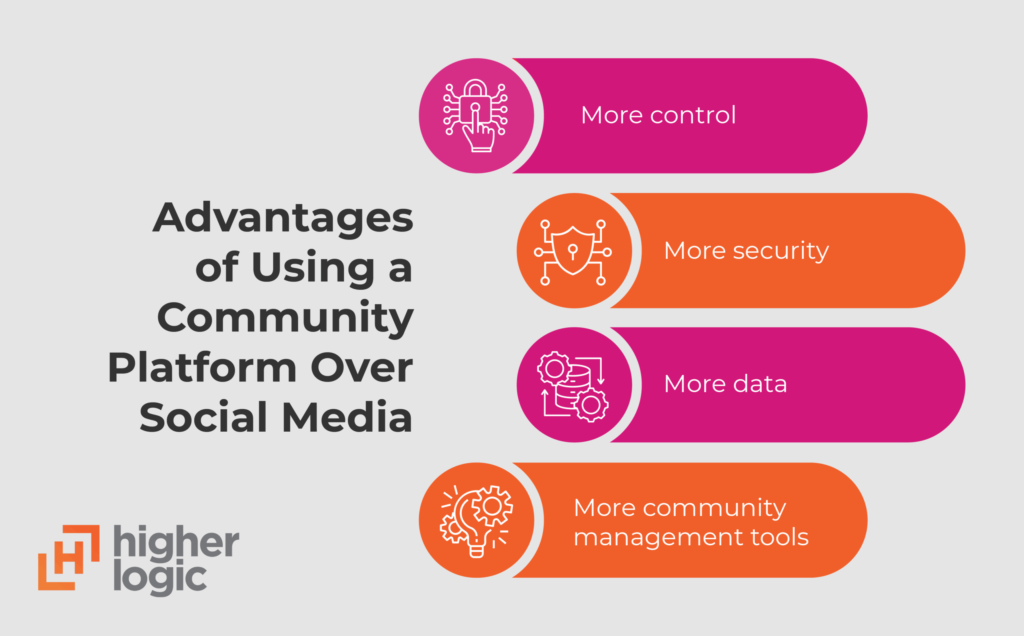
Online communities bring together people who share common interests, regardless of where they live. Whether focused on art, gaming, education, technology, or hobbies, these communities encourage collaboration, knowledge sharing, and cultural exchange.
People can participate in discussions, attend virtual events, and build relationships with individuals from different cultural backgrounds.
Challenges of Technology and Global Culture
Despite its many advantages, technology also presents challenges. The rapid spread of information can sometimes lead to misinformation, cultural misunderstandings, and the loss of local traditions. Privacy concerns, digital addiction, and unequal access to technology remain significant issues in many parts of the world.
Balancing technological progress with respect for cultural diversity is essential to ensuring that global connectivity benefits everyone.
Comparison Table
| Area | Traditional Culture | Technology-Driven Culture |
|---|---|---|
| Communication | Face-to-face interactions | Instant global communication |
| Education | Classroom-based learning | Online and remote education |
| Entertainment | Local media | Global streaming platforms |
| Business | Local markets | International digital commerce |
| Cultural Exchange | Travel-based experiences | Virtual global interaction |
| Language | Regional communication | AI-assisted multilingual communication |
How to Embrace Technology While Preserving Culture
Technology should be used as a tool to strengthen cultural understanding rather than replace traditional values. Supporting local artists, learning native languages, celebrating cultural festivals, and preserving historical knowledge remain important even in a digital world.
Individuals can also use technology responsibly by verifying information, respecting different perspectives, protecting personal privacy, and promoting positive online communication.
Conclusion
Technology is transforming global culture by connecting people, expanding access to information, and creating new opportunities for learning, collaboration, and creativity. From artificial intelligence and social media to online education and digital entertainment, technological innovation has made cultural exchange faster and more accessible than ever before.
While digital advancements continue to shape modern society, preserving cultural heritage and respecting diversity remain equally important. By combining innovation with cultural appreciation, individuals and communities can enjoy the benefits of technology while maintaining the traditions and values that make every culture unique. As technology continues to evolve, its role in shaping global culture will only become more significant, offering new ways for people around the world to connect, learn, and grow together.
FAQs
1. How is technology transforming global culture?
Technology connects people worldwide, making it easier to share ideas, traditions, and cultural experiences through digital platforms.
2. What role does social media play in global culture?
Social media helps spread cultural trends, news, music, fashion, and ideas quickly, encouraging global communication and collaboration.
3. How has technology changed education across cultures?
Online learning platforms and digital resources provide access to education worldwide, allowing people to learn about different cultures and languages.
4. What are the benefits of technology for cultural exchange?
Technology promotes communication, international collaboration, cultural awareness, and access to diverse forms of entertainment and knowledge.
5. Can technology help preserve cultural heritage?
Yes. Digital archives, virtual museums, and online documentation help protect and preserve historical artifacts, languages, and cultural traditions for future generations.