
Technology has become one of the most powerful forces shaping modern society. Over the past few decades, advances in communication, transportation, artificial intelligence, and digital platforms have changed how people live, work, learn, and interact. While technology is often discussed in terms of economic growth and innovation, its impact on culture is equally significant.
Culture represents the shared values, beliefs, customs, traditions, languages, and behaviors that define communities and societies. As technology continues to evolve, it influences how cultures are preserved, shared, and transformed across the globe. Today, people can connect with individuals from different countries instantly, access information from nearly any location, and participate in cultural experiences without leaving their homes.
This transformation has created new opportunities for cultural exchange while also raising important questions about identity, tradition, and globalization. Understanding how technology is reshaping culture helps us appreciate both its benefits and its challenges.
The Rise of Global Connectivity
One of the most visible ways technology has transformed culture is through global connectivity. The internet has made it possible for people from different parts of the world to communicate and share ideas in real time.
Social media platforms, messaging applications, and video conferencing tools have removed many geographical barriers. A person in India can easily interact with someone in Brazil, Japan, or Canada within seconds. This level of connectivity has encouraged greater cultural understanding and increased awareness of different lifestyles, traditions, and perspectives.
As a result, cultural exchange has become faster and more widespread than at any other point in human history. People are exposed to diverse viewpoints, helping create a more interconnected global society.
Social Media and Cultural Influence
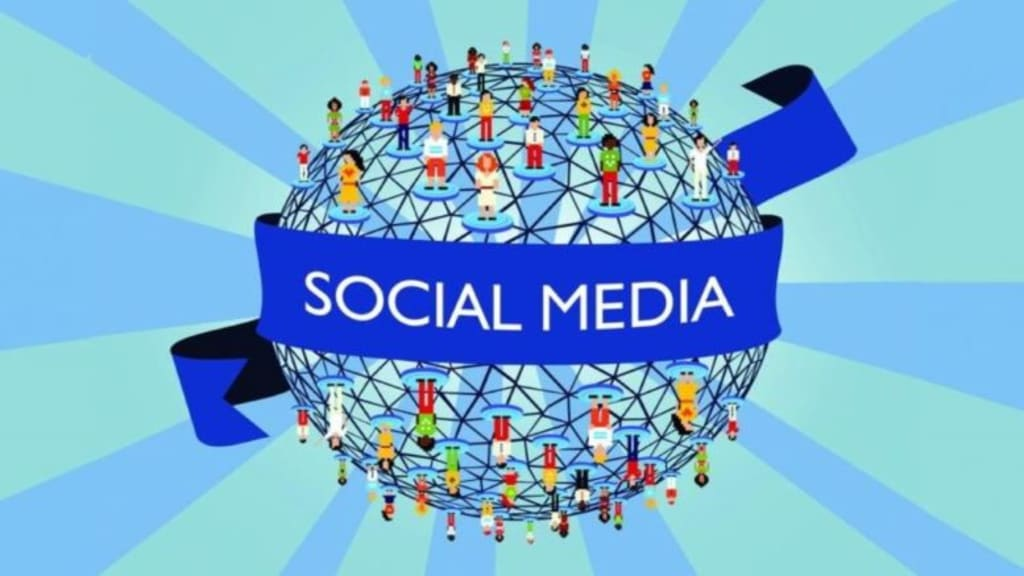
Social media has become a major force in shaping cultural trends. Platforms such as Instagram, TikTok, Facebook, and YouTube allow users to create and share content with audiences worldwide.
These platforms influence fashion, music, language, food preferences, and entertainment. Trends that begin in one country can quickly spread across continents, reaching millions of people within days.
Social media has also given individuals the ability to share their cultural traditions with global audiences. Festivals, dances, recipes, and local customs can now gain international recognition through online platforms.
However, social media can also contribute to cultural homogenization, where global trends sometimes overshadow local traditions. Balancing global influence with cultural preservation remains an ongoing challenge.
Preserving Cultural Heritage Through Technology
Technology has become an important tool for preserving cultural heritage. Many historical documents, artworks, monuments, and traditions are being digitally archived to ensure they remain accessible for future generations.
Museums and cultural institutions use digital technologies to create virtual exhibits and online collections. These resources allow people to explore cultural artifacts regardless of their physical location.
Advanced technologies such as 3D scanning and virtual reality help preserve historical sites and cultural landmarks. Even if physical structures are damaged by natural disasters or conflict, digital records can help maintain their historical significance.
Through preservation efforts, technology plays a valuable role in protecting cultural heritage while making it more accessible to global audiences.
The Impact on Language and Communication
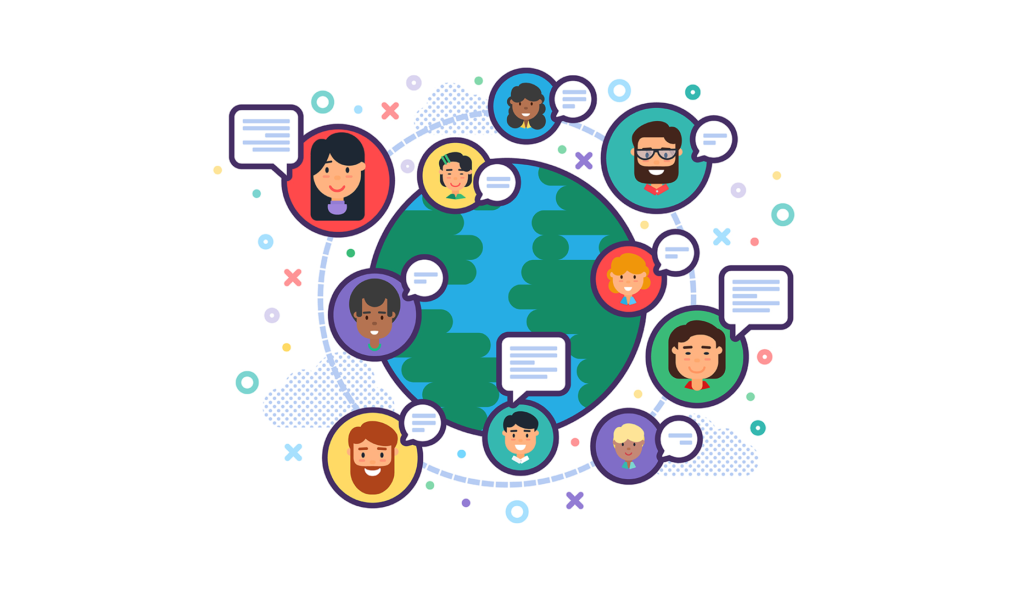
Language is a fundamental part of culture, and technology has significantly changed how people communicate. Digital communication tools enable instant messaging, video calls, and online collaboration across different languages and regions.
Translation software and language-learning applications have made it easier for people to communicate with individuals from different linguistic backgrounds. This has strengthened international cooperation and cultural exchange.
At the same time, technology influences the evolution of language. New words, abbreviations, and communication styles emerge through social media and digital interactions. While some view these changes as a natural evolution, others worry that traditional forms of language may gradually disappear.
Technology continues to shape how languages are used, learned, and preserved in modern society.
Entertainment in the Digital Age
The entertainment industry has experienced major cultural changes due to technology. Streaming services, online gaming, podcasts, and digital content platforms have transformed how people consume entertainment.
In the past, access to international entertainment was limited. Today, audiences can watch films, listen to music, and enjoy content from around the world with a few clicks.
This increased accessibility has introduced people to new cultures and artistic traditions. International films, television series, and music genres have gained popularity far beyond their countries of origin.
Technology has also created opportunities for independent creators to share their work with global audiences, contributing to a more diverse cultural landscape.
Education and Cultural Awareness

Technology has expanded access to education and cultural knowledge. Online courses, educational websites, and digital libraries provide learning opportunities to millions of people worldwide.
Students can explore different cultures through virtual tours, documentaries, online discussions, and international collaborations. This exposure helps foster cultural understanding and encourages respect for diversity.
Educational technology also supports the preservation of traditional knowledge by documenting customs, languages, and historical information. Communities can use digital tools to share cultural stories and educate younger generations about their heritage.
As access to educational resources continues to grow, technology will play an increasingly important role in promoting cultural awareness.
The Influence of Technology on Traditions
Many cultural traditions have adapted to technological advancements. Weddings, religious ceremonies, festivals, and family gatherings are now often shared through live streaming and digital platforms.
Technology enables families and communities separated by distance to participate in important cultural events. This has become particularly valuable in an increasingly globalized world where people frequently live and work far from their hometowns.
While technology enhances accessibility, some individuals worry that digital experiences may reduce the personal connections traditionally associated with cultural events. Finding a balance between convenience and authenticity remains important.
Globalization and Cultural Change
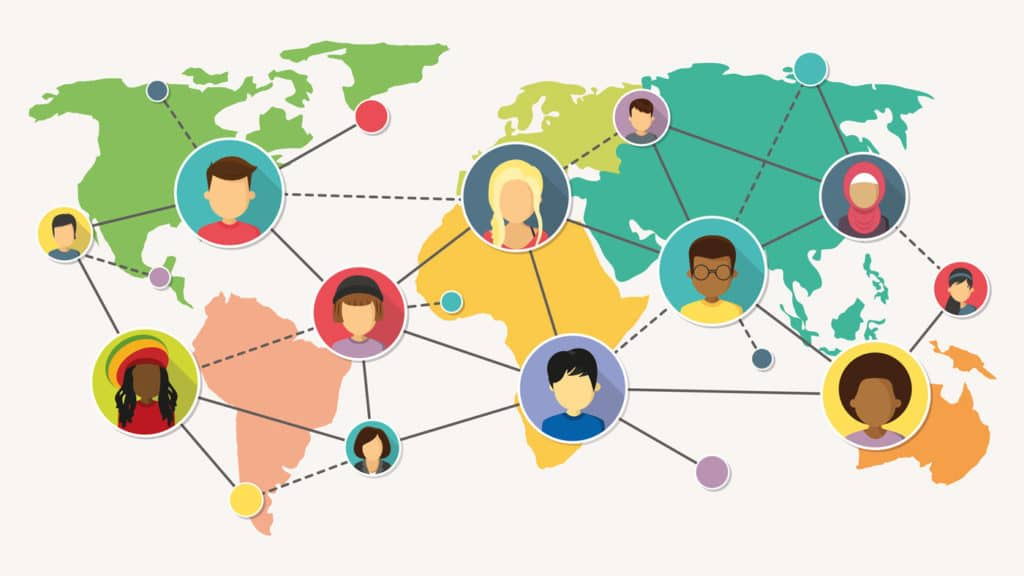
Technology has accelerated globalization by making information and communication more accessible. This process has encouraged the exchange of ideas, products, and cultural practices across national boundaries.
Globalization has introduced people to new cuisines, fashion styles, artistic expressions, and social values. Many societies have embraced aspects of other cultures while maintaining their own traditions.
However, some critics argue that globalization can weaken local cultural identities if dominant global trends overshadow regional customs and practices. Protecting cultural diversity while benefiting from global connectivity is one of the key challenges of the digital era.
Artificial Intelligence and Cultural Development
Artificial intelligence is becoming increasingly influential in cultural development. AI technologies are used in content creation, translation services, recommendation systems, and digital preservation projects.
AI-powered tools help make cultural content more accessible by translating texts, generating subtitles, and providing personalized recommendations based on user preferences.
At the same time, AI raises questions about creativity, authenticity, and cultural representation. As these technologies become more advanced, societies must consider how they can be used responsibly while respecting cultural values and traditions.
Challenges of Technological Influence on Culture
Although technology offers many benefits, it also presents challenges. One concern is the spread of misinformation through digital platforms, which can influence cultural perceptions and social attitudes.
Privacy issues, digital addiction, and excessive screen time are additional concerns. Some people worry that increased reliance on technology may reduce face-to-face interactions and weaken traditional community bonds.
Another challenge involves ensuring equal access to technology. Not all communities have the same opportunities to benefit from digital tools and resources. Addressing these inequalities is essential for creating inclusive cultural development.
The Future of Culture in a Digital World
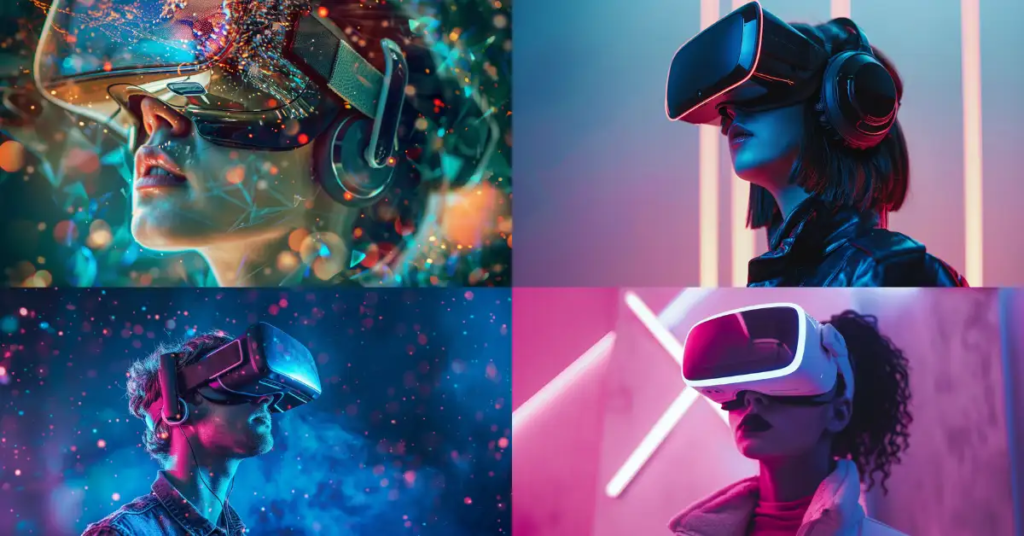
The relationship between technology and culture will continue to evolve in the coming years. Emerging technologies such as virtual reality, augmented reality, and artificial intelligence will likely create new forms of cultural expression and interaction.
Virtual cultural experiences may allow people to explore museums, attend festivals, and participate in educational activities from anywhere in the world. Digital platforms will continue to provide opportunities for cultural exchange and collaboration.
At the same time, preserving cultural diversity and protecting traditional values will remain important priorities. Technology should serve as a tool that supports cultural growth rather than replacing the unique identities that define different communities.
Conclusion
Technology has transformed culture around the world in profound ways. It has connected people across continents, expanded access to information, preserved cultural heritage, and created new opportunities for cultural exchange. Through social media, digital entertainment, educational platforms, and emerging technologies, individuals can experience and share cultures like never before.
While technology brings many advantages, it also presents challenges related to cultural preservation, identity, and social interaction. The key to navigating this transformation lies in balancing innovation with respect for cultural diversity and tradition.
As technology continues to advance, its influence on culture will only grow stronger. By embracing its benefits while addressing its challenges, societies can create a future where technology enhances cultural understanding and enriches human experiences worldwide.
FAQ’s
1. How does technology influence culture?
Technology affects communication, entertainment, education, traditions, and cultural exchange across societies.
2. Can technology help preserve cultural heritage?
Yes, digital archives, virtual museums, and 3D scanning help protect and preserve cultural heritage.
3. What role does social media play in culture?
Social media spreads cultural trends, encourages global interaction, and promotes cultural awareness.
4. Does globalization affect local cultures?
Yes, globalization introduces new cultural influences while sometimes challenging traditional customs and identities.
5. How will technology shape culture in the future?
Emerging technologies such as AI, virtual reality, and augmented reality will create new ways for people to experience and share culture.