
Culture is constantly evolving, reflecting the way people live, communicate, celebrate, and connect with one another. In 2026, cultural trends are being influenced by rapid technological advancements, increased global interaction, environmental awareness, and a growing appreciation for diversity. While modern lifestyles continue to reshape traditions, many communities are also making conscious efforts to preserve their cultural heritage. This balance between innovation and tradition is creating a richer and more inclusive global culture.
From digital art and sustainable fashion to local festivals and multicultural cuisine, today’s cultural landscape is more interconnected than ever before. People are embracing ideas from different parts of the world while also taking pride in their own customs, languages, and values. Social media, travel, and online communities have made cultural exchange easier, allowing traditions to reach wider audiences and inspiring new forms of creativity.
Understanding these emerging trends helps individuals, businesses, educators, and travelers appreciate the changing world around them. Whether you’re interested in global traditions, lifestyle changes, or creative expression, staying informed about cultural trends provides valuable insight into how societies are evolving.
The Rise of Cultural Diversity and Inclusion
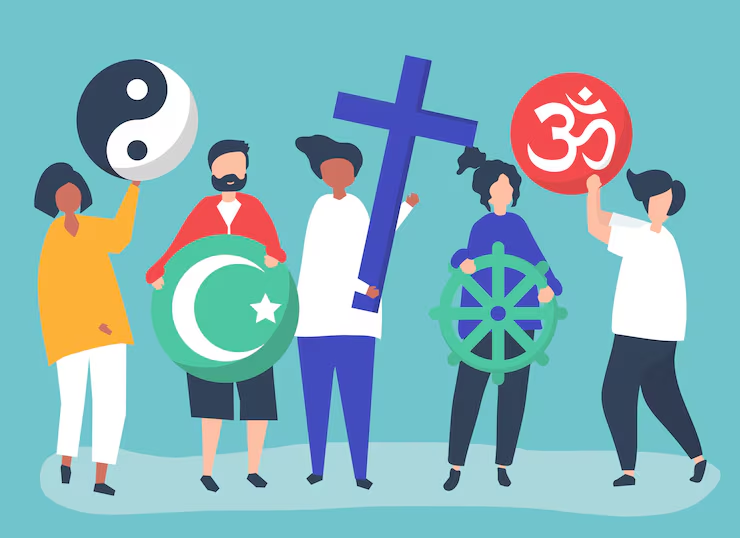
One of the most significant cultural trends in 2026 is the growing emphasis on diversity and inclusion. People are becoming more open to learning about different cultures, beliefs, and traditions. Organizations, schools, and communities are promoting equal opportunities while celebrating unique identities.
Businesses are also recognizing the importance of representing different cultures in their products, marketing campaigns, and workplace environments. This approach not only creates stronger relationships with customers but also encourages innovation by bringing together people with diverse backgrounds and perspectives.
Cultural diversity has become an important part of education, entertainment, and international business, helping build greater understanding across borders.
Digital Culture Continues to Expand

Technology has transformed the way people create and experience culture. Social media platforms, streaming services, podcasts, and virtual events allow individuals to share traditions, music, art, and stories with audiences around the world.
Digital creators are introducing cultural content through short videos, live broadcasts, online exhibitions, and educational channels. This has made learning about different cultures more accessible than ever before.
While digital platforms have expanded cultural awareness, they have also encouraged creators to preserve traditional art forms by presenting them in modern and engaging ways.
The Growth of Virtual Cultural Experiences
Museums, historical sites, and cultural organizations now offer virtual tours, interactive exhibitions, and online workshops. These experiences allow people to explore different cultures regardless of their location.
Virtual experiences have become especially valuable for students, researchers, and travelers who want to learn about history and traditions before visiting a destination.
Sustainable Living Becomes a Cultural Value
Environmental awareness is influencing cultural habits across the globe. Communities are adopting more sustainable lifestyles by reducing waste, supporting local businesses, and choosing environmentally friendly products.
Traditional practices such as repairing household items, buying locally produced goods, and using natural materials are becoming popular again. Many cultures have long promoted sustainable living, and these traditions are now inspiring modern lifestyles.
Consumers are also paying greater attention to ethical fashion, eco-friendly packaging, and responsible tourism, making sustainability an important cultural movement in 2026.
Traditional Festivals Gain Global Recognition
Cultural festivals continue to attract international attention as travelers seek authentic experiences. Music festivals, religious celebrations, food festivals, and traditional ceremonies provide opportunities to experience local customs firsthand.
Many destinations are investing in preserving these celebrations while making them accessible to global visitors. Festivals not only strengthen community identity but also contribute to local economies by supporting tourism and small businesses.
Participating in cultural festivals helps people appreciate traditions while encouraging meaningful cultural exchange.
Local Cuisine Takes Center Stage
Food remains one of the strongest expressions of culture. In 2026, travelers and food enthusiasts are increasingly choosing authentic local dining experiences instead of international restaurant chains.
Regional recipes, traditional cooking methods, and locally sourced ingredients are becoming more popular as people seek genuine cultural experiences.
Local food markets, cooking classes, and farm-to-table restaurants allow visitors to connect with communities while learning about culinary traditions passed down through generations.
The Popularity of Fusion Cuisine
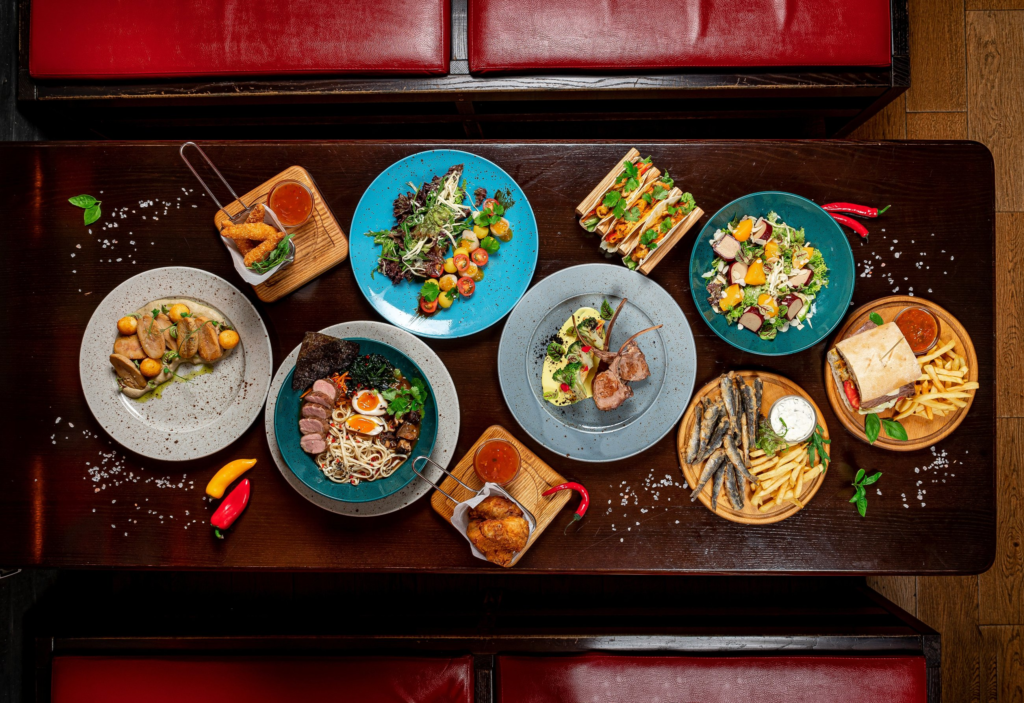
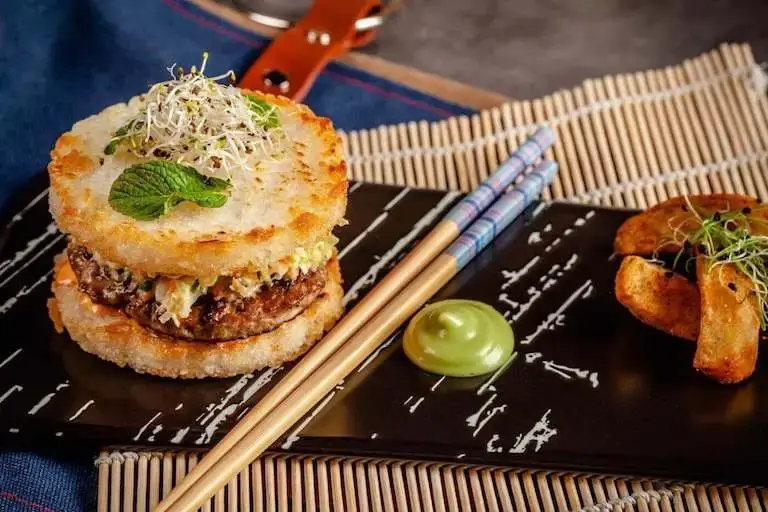
While traditional dishes remain important, chefs are also experimenting by combining ingredients and cooking styles from different cultures. Fusion cuisine reflects today’s interconnected world, offering creative flavors while respecting the origins of each culinary tradition.
Successful fusion cooking celebrates cultural diversity rather than replacing traditional recipes.
Fashion Inspired by Cultural Heritage
Fashion continues to reflect cultural identity while embracing contemporary styles. Designers are incorporating traditional fabrics, handcrafted embroidery, indigenous patterns, and historical techniques into modern clothing collections.
Consumers are increasingly interested in purchasing clothing that supports local artisans and preserves traditional craftsmanship. Handmade textiles and culturally inspired designs are gaining appreciation for their quality, uniqueness, and cultural significance.
This trend helps protect centuries-old skills while creating economic opportunities for local communities.
Cultural Tourism Continues to Grow
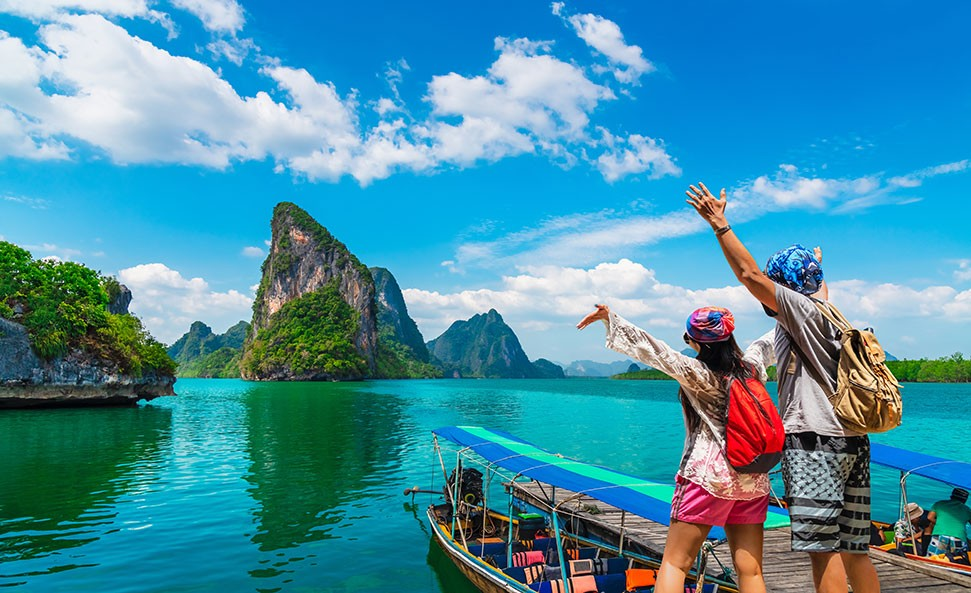
Travelers are seeking experiences that allow them to engage with local communities rather than simply visiting famous attractions. Cultural tourism has become one of the fastest-growing segments of the travel industry.
Visitors now enjoy activities such as:
- Learning traditional crafts
- Attending local festivals
- Visiting historical landmarks
- Exploring indigenous communities
- Participating in cultural workshops
- Sampling regional cuisine
These experiences create lasting memories while supporting local economies and preserving cultural heritage.
The Importance of Preserving Indigenous Cultures
Around the world, indigenous communities are working to preserve their languages, traditions, music, and customs. Governments, educational institutions, and nonprofit organizations are increasing efforts to document and protect indigenous knowledge for future generations.
Traditional storytelling, handcrafted artwork, and ancestral practices provide valuable insights into history, environmental conservation, and community living. Supporting indigenous cultures helps maintain cultural diversity and ensures these unique traditions continue to thrive in a rapidly changing world.
FAQs
1. What are the biggest cultural trends in 2026?
The biggest cultural trends include sustainability, digital creativity, cultural diversity, local tourism, and the revival of traditional arts and crafts.
2. Why is cultural diversity important?
Cultural diversity promotes mutual understanding, encourages innovation, and helps people appreciate different traditions, beliefs, and perspectives.
3. How has technology influenced culture in 2026?
Technology has made cultural exchange easier through social media, virtual events, online learning, and digital platforms that showcase traditions worldwide.
4. What is cultural tourism?
Cultural tourism involves traveling to experience a destination’s history, traditions, festivals, food, art, and local way of life.
5. How can individuals help preserve cultural heritage?
People can support local artisans, participate in cultural events, learn about traditional customs, and help protect historical sites and indigenous traditions.