
The world is changing at a pace never seen before. New technologies emerge every year, global challenges affect millions of people, and societies continue to adapt to shifting economic, environmental, and health conditions. In the middle of all these changes, science remains one of the most powerful tools humanity has for understanding the world and solving problems.
Science is not limited to laboratories, research centers, or university classrooms. It affects almost every aspect of daily life, from the food we eat and the medicines we use to the technology that keeps us connected. As the world becomes more complex and interconnected, the importance of science continues to grow.
In today’s rapidly evolving environment, science helps people make informed decisions, develop innovative solutions, and prepare for future challenges. Understanding why science matters has never been more important than it is today.
Science Helps Us Understand the World
At its core, science is the process of discovering how the world works. Through observation, experimentation, and evidence-based reasoning, scientists uncover facts that help explain natural phenomena.
Without science, many aspects of life would remain mysteries. Scientific research has helped humanity understand the structure of matter, the movement of planets, the functioning of ecosystems, and the complexity of the human body. These discoveries have expanded human knowledge and transformed society.
In a changing world, understanding reality through evidence becomes increasingly important. Scientific knowledge allows individuals and governments to make decisions based on facts rather than assumptions. This ability to distinguish evidence from misinformation is essential in modern society.
Science Drives Innovation and Technology


Many of the technologies people rely on every day are the result of scientific discoveries. Smartphones, computers, the internet, medical equipment, renewable energy systems, and modern transportation all originated from scientific research.
Innovation begins with curiosity. Scientists explore questions and conduct experiments to uncover new knowledge. Engineers and inventors then apply that knowledge to create practical solutions.
The rapid advancement of technology has transformed communication, education, healthcare, and business. Scientific breakthroughs continue to improve efficiency, productivity, and quality of life.
As industries evolve and new challenges emerge, science remains the foundation of technological progress. Without continued investment in scientific research, future innovations would be limited.
Science Improves Healthcare
One of the most significant contributions of science is its impact on health and medicine. Scientific research has helped increase life expectancy, reduce disease, and improve overall well-being.
Vaccines, antibiotics, diagnostic tools, surgical techniques, and advanced treatments have saved countless lives. Medical science continues to discover new ways to prevent illnesses and treat complex conditions.
The recent global health crises demonstrated the importance of scientific research and international collaboration. Scientists worked tirelessly to understand diseases, develop treatments, and create preventive measures.
In a changing world where new health challenges may emerge, scientific research remains essential for protecting public health and improving medical care.
Science Helps Address Climate Change
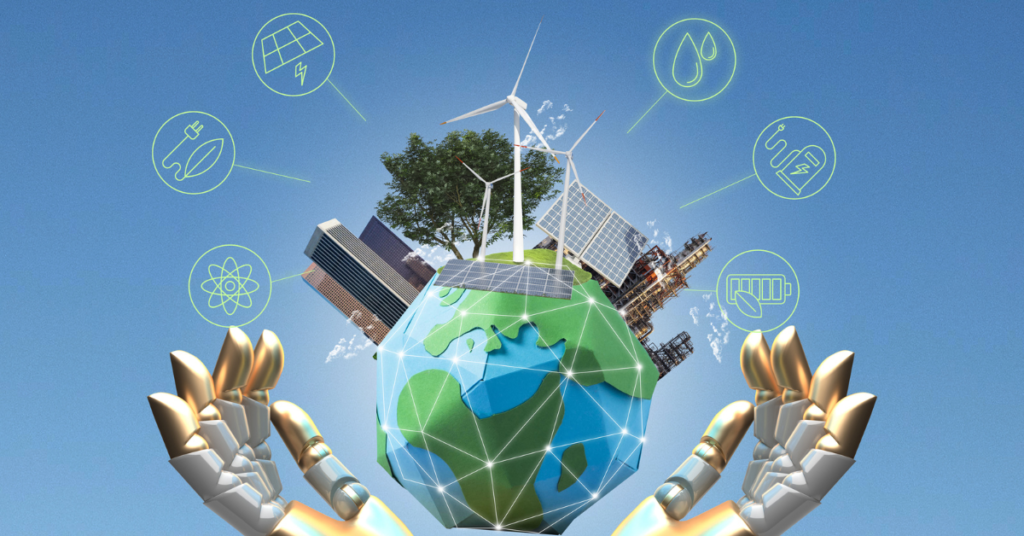

Climate change is one of the most pressing issues facing humanity today. Rising temperatures, extreme weather events, and environmental degradation affect communities around the world.
Science plays a crucial role in understanding these challenges. Researchers collect data, analyze trends, and develop models that help explain how climate systems are changing.
Scientific findings guide policies and strategies aimed at reducing environmental impact. Renewable energy technologies, sustainable farming methods, and conservation efforts all depend on scientific knowledge.
Without science, it would be difficult to measure environmental changes or develop effective solutions. Scientific research provides the information needed to protect natural resources and create a more sustainable future.
Science Supports Economic Growth
Economic development and scientific advancement often go hand in hand. Countries that invest in scientific research and education tend to experience stronger innovation and productivity.
Scientific discoveries create new industries, generate employment opportunities, and support business growth. Fields such as biotechnology, artificial intelligence, renewable energy, and advanced manufacturing rely heavily on scientific expertise.
Research institutions and universities contribute to economic progress by developing technologies that businesses can commercialize. These innovations often lead to improved products, services, and processes.
As global competition increases, science becomes a critical factor in maintaining economic strength and creating opportunities for future generations.
Science Enhances Education
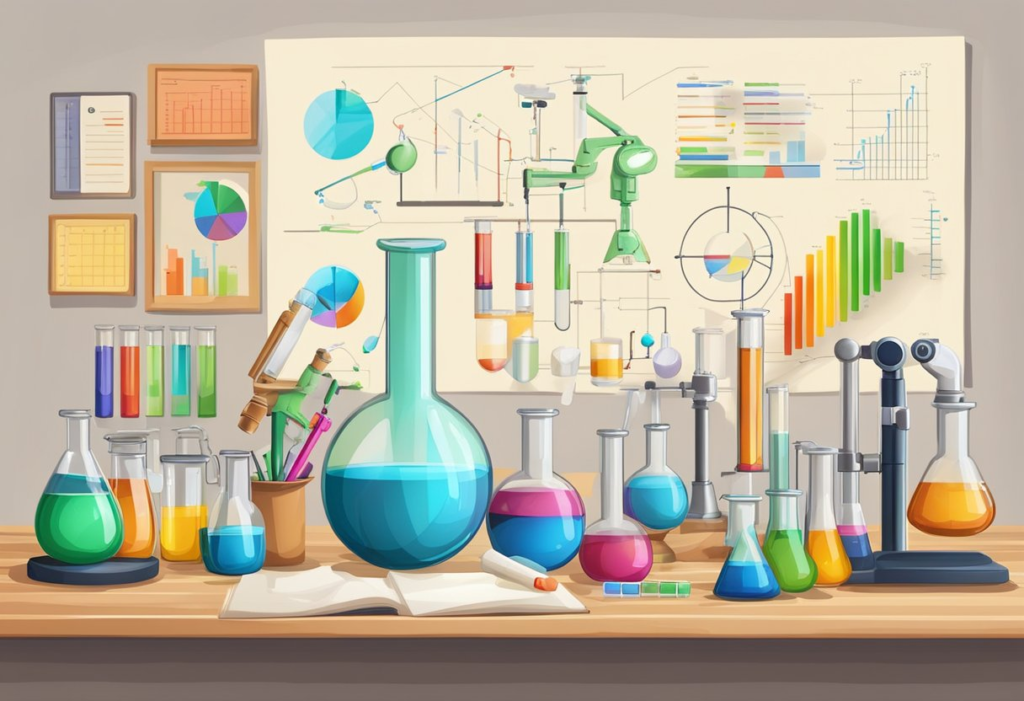

Education and science are closely connected. Scientific thinking encourages curiosity, critical analysis, and problem-solving skills.
Students who learn science gain a deeper understanding of the world around them. They learn how to evaluate evidence, ask meaningful questions, and draw logical conclusions.
These skills extend beyond science classrooms. They help individuals make informed decisions in everyday life and contribute effectively to society.
In a rapidly changing world, lifelong learning is becoming increasingly important. Science education prepares people to adapt to new technologies, industries, and challenges throughout their lives.
Science Helps Combat Misinformation
The digital age has made information more accessible than ever before. However, it has also increased the spread of misinformation and false claims.
Scientific thinking provides a framework for evaluating information critically. It encourages people to seek evidence, verify sources, and question unsupported statements.
When individuals understand scientific principles, they are better equipped to identify misleading information and make informed decisions.
In an era where information spreads instantly across the globe, scientific literacy is essential for maintaining informed and responsible communities.
Science Encourages Global Cooperation


Many modern challenges extend beyond national borders. Climate change, public health emergencies, food security, and environmental protection require international collaboration.
Science serves as a universal language that brings researchers from different countries together. Scientists regularly share knowledge, data, and discoveries to address common challenges.
Collaborative research efforts have led to major achievements in medicine, technology, and environmental conservation. These partnerships demonstrate how science can unite people around shared goals.
As global issues become increasingly interconnected, international scientific cooperation will continue to play a vital role in finding effective solutions.
Science Shapes the Future
The future will present opportunities and challenges that are difficult to predict. Emerging technologies such as artificial intelligence, quantum computing, biotechnology, and space exploration have the potential to transform society.
Scientific research helps ensure that these advancements are developed responsibly and used for the benefit of humanity. It provides the knowledge needed to understand potential risks and maximize positive outcomes.
Preparing for the future requires a commitment to scientific discovery and innovation. Societies that support research and education will be better positioned to adapt to change and seize new opportunities.
Science not only helps solve today’s problems but also lays the foundation for tomorrow’s achievements.
The Role of Individuals in Supporting Science


Science is not solely the responsibility of researchers and institutions. Individuals also play an important role in supporting scientific progress.
People can contribute by staying informed, valuing evidence-based decision-making, and encouraging science education. Supporting research initiatives and promoting scientific literacy helps strengthen communities and societies.
Parents, teachers, policymakers, and business leaders all have opportunities to foster a culture that values curiosity and learning.
When society embraces science, it creates an environment where innovation and discovery can flourish.
Conclusion
Science matters more than ever in a changing world because it provides the knowledge, tools, and solutions needed to address modern challenges. From healthcare and technology to climate change and economic development, scientific research improves lives and drives progress.
As societies continue to evolve, the importance of science will only increase. It helps people understand complex issues, make informed decisions, and build a better future. By supporting scientific education, research, and innovation, humanity can continue to overcome obstacles and create opportunities for generations to come.
The changing world demands thoughtful solutions, and science remains one of the most reliable paths toward progress, understanding, and sustainable development.
FAQ’s
1. Why is science important in daily life?
Science improves health, technology, communication, and overall quality of life.
2. How does science help solve global problems?
Science provides evidence-based solutions for challenges such as climate change, disease, and resource management.
3. Why is science education important?
It develops critical thinking, problem-solving skills, and informed decision-making abilities.
4. How does science support economic growth?
Scientific innovation creates industries, jobs, and technological advancements that drive economic progress.
5. What role does science play in the future?
Science helps develop new technologies and solutions that address future challenges and improve human life.