
Science continues to shape the way people live, work, communicate, and understand the world. From artificial intelligence and space exploration to medical research and climate solutions, scientific discoveries are opening new possibilities every year. In 2026, science is moving forward through innovative research, advanced technologies, and new approaches to solving real-world problems.
Many developments that once seemed impossible are becoming part of everyday life. Doctors are exploring more personalized treatments, researchers are developing cleaner energy solutions, and scientists are using advanced computer systems to understand complicated problems. These changes are not limited to laboratories. They influence education, healthcare, transportation, agriculture, communication, and the environment.
Understanding current science trends helps people recognize how discoveries may affect their future. It also encourages curiosity, critical thinking, and a better understanding of the natural world. Let’s explore some of the important scientific trends and breakthroughs shaping 2026.
Artificial Intelligence Is Changing Scientific Research

Artificial intelligence has become an important part of modern scientific research. Researchers use AI-powered systems to study large amounts of information, recognize patterns, and explore possibilities that may take humans much longer to identify.
In healthcare, AI can help researchers examine medical images, study disease patterns, and support the development of new treatments. In environmental science, it can analyze climate information and help scientists understand changes in weather conditions.
AI is also improving laboratory research. Some advanced systems can help organize experiments, process results, and suggest areas that require further investigation.
However, AI does not replace scientific knowledge or human judgment. Researchers still need to verify results, evaluate evidence, and make important decisions. Its biggest advantage is that it can support scientific work and make certain research processes more efficient.
Space Exploration and Discoveries Beyond Earth
[Discuss] SpaceX Dragon XL spacecraft – collectSPACE: Messages
Space exploration remains one of the most exciting areas of science. Scientists continue studying planets, moons, stars, and distant galaxies to understand how the universe developed and whether life could exist beyond Earth.
Space missions provide valuable information about the surfaces and atmospheres of other planets. Mars exploration, for example, helps scientists investigate the planet’s geological history and search for signs that microbial life may have existed there in the past.
The James Webb Space Telescope has also expanded our understanding of distant galaxies, star formation, and planetary atmospheres. Its observations allow astronomers to study objects that are extremely far from Earth.
In 2026, space research continues to focus on improving spacecraft, developing new observation technologies, and understanding the challenges of long-duration space missions.
These discoveries may eventually help humans explore more distant parts of the solar system while improving scientific knowledge about Earth’s place in the universe.
Medical Science and Personalized Healthcare
Medical science is developing new ways to understand diseases, improve diagnosis, and create treatments that better match individual patients.
Personalized healthcare is an important area of this progress. Instead of treating every patient in exactly the same way, doctors and researchers increasingly study factors such as genetics, medical history, lifestyle, and individual responses to treatment.
Genetic research is helping scientists understand why certain diseases develop and why treatments may work differently for different people. Advances in molecular biology are also supporting research into targeted therapies.
Another important development is the growing use of advanced diagnostic tools. Modern imaging technologies and laboratory tests can help healthcare professionals identify certain medical conditions more accurately.
Although many new treatments still require extensive research and clinical testing, medical science is creating opportunities for more informed and effective healthcare decisions.
Renewable Energy and Clean Technology
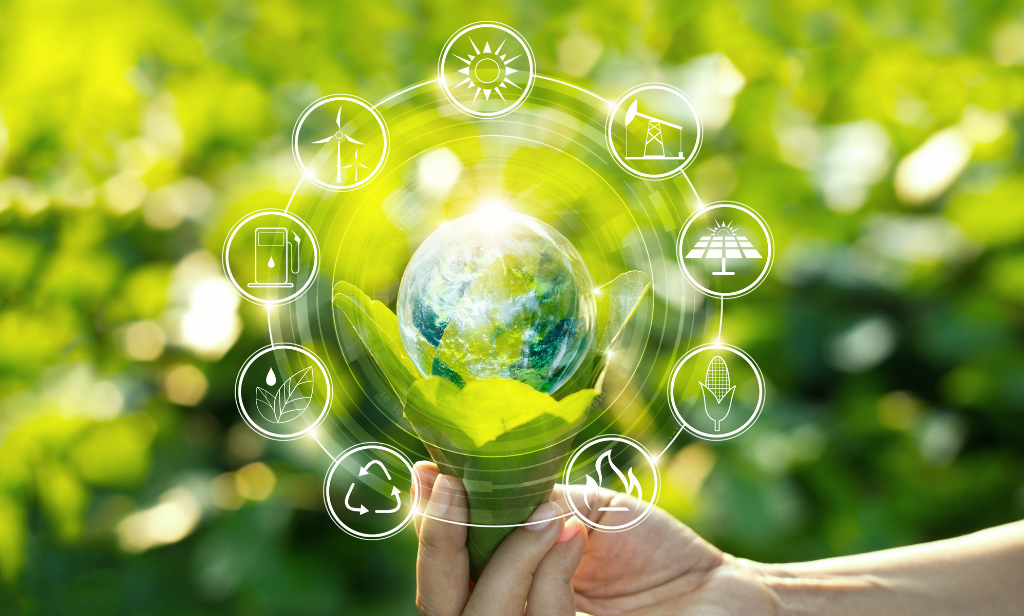
Investing in the energy transition | Allianz Global Investors
Energy production is an important scientific challenge because traditional fossil fuels contribute to greenhouse gas emissions and environmental pollution.
Scientists and engineers are working on cleaner alternatives, including solar power, wind energy, hydropower, and improved energy storage systems.
Solar technology continues to improve through research into more efficient photovoltaic materials. Wind turbines are also becoming more advanced, helping increase electricity generation in suitable locations.
Battery technology is another important area of development. Better energy storage can help renewable energy systems provide electricity when sunlight or wind is unavailable.
Researchers are also exploring green hydrogen as a potential energy source for certain industries and transportation applications.
These technologies are not a complete solution to climate challenges, but they can contribute to a more sustainable energy system when supported by suitable infrastructure and responsible planning.
Climate Science and Environmental Protection
Climate science helps researchers understand changes in Earth’s atmosphere, oceans, land, and ecosystems. It also provides important information about rising temperatures, changing rainfall patterns, and extreme weather events.
Scientists use satellites, weather stations, ocean measurements, and computer models to study environmental changes. This information helps communities prepare for risks such as heatwaves, floods, droughts, and coastal erosion.
Another important area is biodiversity research. Scientists are studying how pollution, habitat destruction, and climate change affect plants, animals, and natural ecosystems.
Environmental technology is also creating new possibilities. Better water purification systems, improved waste management, and sustainable agricultural practices can help reduce pressure on natural resources.
Climate science is especially important because environmental problems affect food production, public health, infrastructure, and economic development. Reliable scientific research helps governments and communities make better long-term decisions.
Biotechnology and Genetic Engineering

Biotechnology combines biology with technology to develop useful solutions in medicine, agriculture, food production, and environmental management.
One major area of research is genetic engineering. Scientists can study and modify genetic material to understand how particular genes influence biological processes.
CRISPR-based gene editing has attracted considerable attention because it offers researchers a way to make targeted changes to DNA. Scientists are investigating its potential applications in treating genetic conditions and improving agricultural crops.
Biotechnology is also helping researchers develop improved vaccines, diagnostic methods, and biological products.
In agriculture, scientific developments may help produce crops with improved resistance to certain diseases and environmental conditions. However, genetic technologies require careful testing and ethical oversight.
The future of biotechnology will depend on responsible research, safety standards, and clear evaluation of its benefits and risks.
Robotics and Automation in Modern Industries
Robotics is changing how industries perform complicated, repetitive, and physically demanding tasks. Modern robots are used in manufacturing, healthcare, agriculture, logistics, and scientific laboratories.
In factories, robotic systems can help assemble products, move materials, and perform precision operations. These machines can improve consistency and reduce certain workplace risks.
Healthcare robotics is another growing area. Robotic-assisted surgical systems allow trained medical professionals to perform certain procedures with specialized instruments and controlled movements.
Agricultural robots are being developed to monitor crops, identify weeds, and support harvesting activities.
Robotics is also becoming more connected with artificial intelligence. This combination can help machines recognize their surroundings and respond to changing conditions.
Despite these developments, human supervision remains important. Industries must consider worker training, safety, maintenance, and the possible effects of automation on employment.
Quantum Computing and Advanced Technology
Quantum computing is an emerging field that uses principles of quantum physics to process information in a different way from traditional computers.
Conventional computers use bits represented by zeros and ones. Quantum computers use quantum bits, commonly called qubits, which can behave according to quantum properties such as superposition and entanglement.
Researchers are investigating how quantum computing could help solve particular problems in chemistry, materials science, optimization, and other specialized areas.
For example, scientists hope that future quantum systems may help simulate complicated molecular interactions, supporting research into new materials and medicines.
However, quantum computing is still developing. Current systems face challenges involving errors, stability, and the difficulty of maintaining qubits.
It is important to understand that quantum computers will not replace ordinary computers for everyday activities. Their potential lies in solving specific problems that may be difficult for conventional computing systems.
Agriculture Science and Food Innovation
Agriculture science is becoming increasingly important as the world looks for reliable ways to produce food while protecting natural resources.
Modern farming combines traditional agricultural knowledge with technologies such as soil sensors, satellite monitoring, automated irrigation, and data analysis.
Precision agriculture allows farmers to understand the specific needs of different parts of their fields. This can help them manage water, fertilizers, and other resources more efficiently.
Scientists are also studying crop varieties that can tolerate certain environmental stresses, including heat, drought, and plant diseases.
Food science is contributing to developments in food preservation, alternative proteins, and improved nutritional products.
These innovations can support food security, but their success depends on affordability, local farming conditions, accessibility, and responsible use of technology.
Nanotechnology and New Materials
Nanotechnology focuses on understanding and working with materials at an extremely small scale. At this level, materials can show different physical, chemical, and biological properties.
Researchers are exploring nanotechnology for applications in medicine, electronics, energy, water treatment, and manufacturing.
In healthcare, certain nanoparticles are being studied for their potential role in delivering medicines to specific areas of the body. In electronics, nanoscale materials may support the development of smaller and more efficient components.
Scientists are also developing advanced materials that are lighter, stronger, or better suited to particular industrial applications.
Nanotechnology has significant potential, but researchers must carefully evaluate its safety and environmental impact. Understanding how nanoparticles interact with living organisms and natural ecosystems remains an important part of this work.
The Importance of Science Education in 2026
Scientific knowledge is not only important for researchers and engineers. It also helps ordinary people understand everyday developments and make informed decisions.
Science education encourages students to ask questions, examine evidence, test ideas, and learn from mistakes. These skills are valuable in almost every profession.
Digital learning platforms, interactive experiments, educational videos, and virtual laboratories are making scientific topics more accessible.
Schools and educational institutions can also encourage practical learning through robotics projects, environmental activities, coding, and laboratory experiments.
Another important skill is scientific literacy. People need to understand the difference between reliable research, personal opinions, misleading claims, and unsupported information.
A better understanding of science can help individuals participate more confidently in discussions about technology, healthcare, climate change, and society.
Ethical Challenges in Modern Scientific Research
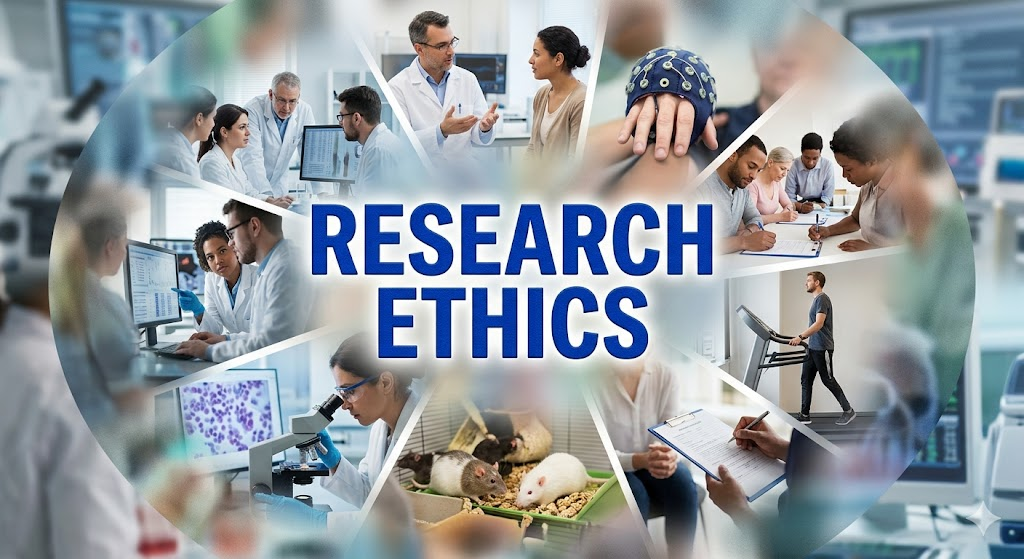
Scientific progress brings opportunities, but it also creates important responsibilities. New technologies can affect privacy, employment, healthcare decisions, environmental safety, and human rights.
Artificial intelligence raises questions about data protection, fairness, and accountability. Genetic engineering requires careful consideration of safety, consent, and long-term consequences.
Medical research must protect participants and follow established ethical standards. Environmental research should also consider how new technologies affect ecosystems and local communities.
Scientists, governments, businesses, and educational institutions all have a role in ensuring that scientific developments are used responsibly.
Public awareness and transparent research practices are equally important. People should have access to understandable information about the benefits, limitations, and possible risks of new discoveries.
How Science Will Shape the Future
The future of science will likely depend on collaboration between different research fields. Artificial intelligence, biotechnology, robotics, environmental science, and advanced materials are increasingly connected.
For example, AI can support medical research, biotechnology can contribute to agricultural improvements, and material science can help develop better energy storage systems.
These connections show that scientific progress does not happen in isolation. Discoveries in one field can create new opportunities in another.
At the same time, the value of scientific innovation should not be measured only by how advanced a technology appears. Its real importance depends on whether it solves meaningful problems, improves people’s lives, and protects the environment.
People can stay informed by following reliable scientific publications, reading research summaries, attending educational events, and developing an interest in how the natural world works.
Conclusion
Science trends in 2026 demonstrate how research and innovation are influencing the modern world. From space exploration and personalized healthcare to renewable energy, quantum computing, and biotechnology, scientific developments are creating new ways to address complex challenges.
However, progress also requires responsibility. New discoveries must be tested carefully, ethical concerns must be considered, and scientific information should be shared accurately.
FAQs
1. What are the major science trends in 2026?
AI, biotechnology, space exploration, robotics, and renewable energy.
2. How is AI helping scientific research?
AI helps analyze data, identify patterns, and support research.
3. What is the importance of space exploration?
It helps scientists understand planets, stars, and the universe.
4. How is science improving healthcare?
New technologies support better diagnosis and personalized treatments.
5. Why is renewable energy important?
It helps reduce pollution and supports a more sustainable future.
The Factor News team
Written and checked by the people who run Factor News.


