Culture is an important part of people’s lives. It reflects their history, beliefs, traditions, food, clothing, music, and ways of celebrating special occasions. Every country has its own customs that make its identity unique. Cultural celebrations bring people together, create happy memories, and help preserve traditions that have been followed for generations.
Across the world, festivals are celebrated in different ways. In India, Diwali fills homes with lights and happiness. Brazil is famous for its colourful Carnival, Japan celebrates the beauty of cherry blossoms, and Mexico remembers loved ones through the Day of the Dead. Each celebration has its own meaning, but all of them share a common purpose: bringing people closer.
In 2026, cultural celebrations continue to connect families and communities. Although modern lifestyles have changed the way people celebrate, traditional values remain important. Learning about festivals from different countries helps us understand different lifestyles and appreciate the cultural diversity of our world.
Understanding the Importance of Cultural Celebrations

Cultural celebrations are not just occasions for entertainment. They help people stay connected with their roots and understand the history of their communities. Many festivals are connected to religious beliefs, seasonal changes, historical events, and traditional customs.
For families, festivals provide an opportunity to spend quality time together. People prepare special meals, decorate their homes, visit relatives, and participate in community activities. These moments strengthen relationships and create memories that families carry for years.
Celebrations are also important for younger generations. Children learn traditional songs, stories, dances, and customs by watching their elders and participating in family events. This helps keep cultural knowledge alive even as society changes.
Famous Cultural Festivals Around the World
Every country has special celebrations that reflect its traditions and identity. Some festivals are known for their religious importance, while others attract attention because of their music, food, decorations, and public performances.
Diwali in India
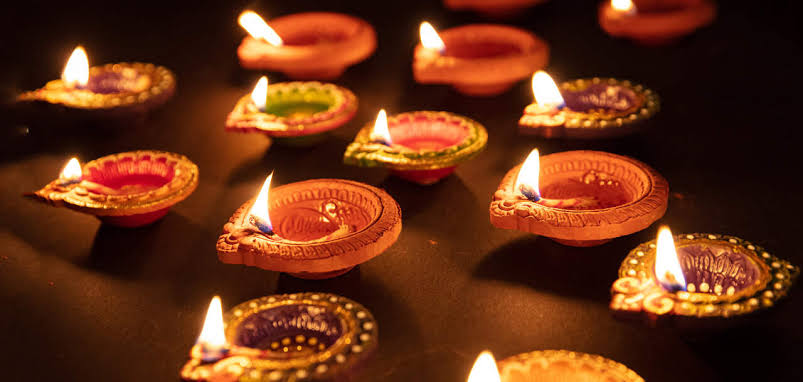
Diwali is one of the most widely celebrated festivals in India. Popularly known as the Festival of Lights, it represents the victory of good over evil and light over darkness. Before the celebration, families clean their homes, decorate entrances with rangoli, and prepare traditional sweets.
On Diwali, people light diyas, offer prayers, exchange gifts, and enjoy meals with family members. Different regions follow different customs, making the festival an important part of India’s cultural diversity.
Carnival in Brazil
Brazilian Carnival is famous for its colourful costumes, energetic music, and lively street parades. Rio de Janeiro hosts some of the most recognised Carnival celebrations, featuring impressive samba performances.
People participate in dance events, street parties, and musical performances. The festival provides an opportunity for communities to express their creativity and celebrate Brazilian culture.
Hanami in Japan
Hanami is a traditional Japanese custom of enjoying cherry blossoms during spring. When the trees begin to bloom, families and friends visit parks to admire the flowers, take photographs, and enjoy outdoor meals.
Cherry blossoms are often associated with the beauty of temporary moments. This tradition reflects the Japanese appreciation of nature and the changing seasons.
Day of the Dead in Mexico
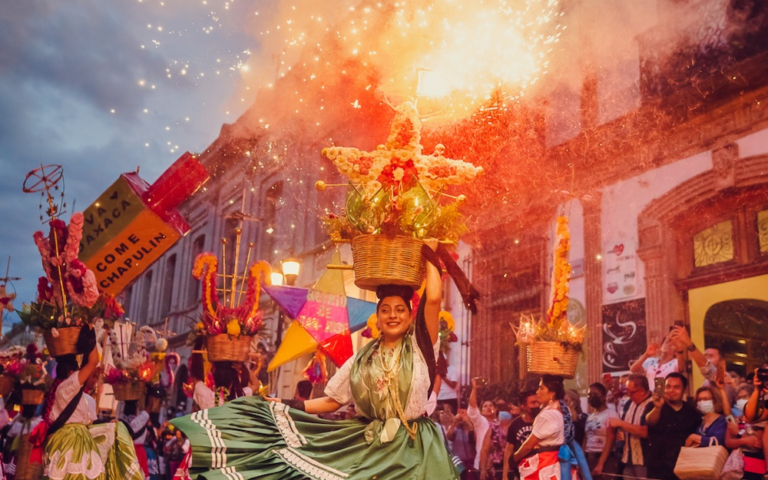
Día de los Muertos, commonly known as Day of the Dead, is a Mexican celebration that honours family members and loved ones who have passed away. Families prepare special altars with photographs, candles, flowers, and favourite foods.
The celebration focuses on remembering loved ones and keeping family memories alive. Traditional music, decorations, and special meals make it an important part of Mexican heritage.
The Role of Traditional Food in Cultural Celebrations
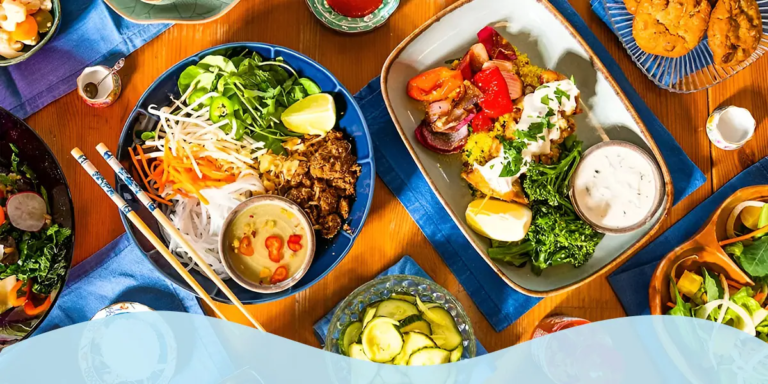
Food plays an important role in every culture. Traditional recipes often reflect a region’s history, available ingredients, and family customs. During festivals, people prepare special dishes that are connected to celebrations and family memories.
In India, festivals often include sweets such as ladoo, jalebi, barfi, and gulab jamun. During Chinese New Year, families prepare dumplings and other traditional dishes associated with good fortune. In Mexico, pan de muerto is traditionally prepared for Day of the Dead.
Preparing food together is also an important family activity. Parents and grandparents teach younger members traditional recipes and cooking methods. These experiences help preserve flavours and traditions that have been part of family life for generations.
Trying food from other countries is another enjoyable way to explore different cultures. It introduces people to new ingredients, cooking techniques, and eating habits.
Music and Dance in Cultural Festivals
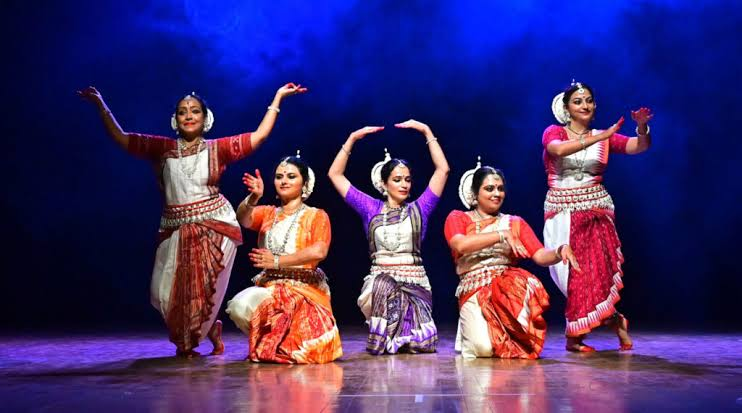
Music and dance bring energy and excitement to cultural celebrations. They allow people to express emotions, share stories, and showcase their artistic traditions. Many traditional performances have been practised for generations and remain an important part of festivals.
India is known for classical dance forms such as Kathak and Bharatanatyam. Brazil is famous for samba, while Spain is recognised for flamenco. Each performance style has its own movements, rhythms, and cultural background.
Traditional music is commonly performed during weddings, religious ceremonies, seasonal festivals, and public gatherings. These performances also provide opportunities for local artists to share their talents.
Today, many festivals combine traditional performances with modern music. This combination helps younger generations enjoy cultural celebrations while remaining connected to their heritage.
Traditional Clothing and Cultural Fashion
Traditional clothing represents the history, identity, and creativity of different communities. Special outfits are commonly worn during festivals, weddings, religious ceremonies, and other important occasions.
In India, sarees, lehengas, sherwanis, and kurta-pajamas are popular during celebrations. Japan is recognised for its traditional kimono, while Scotland has the kilt. Mexico is known for colourful regional outfits featuring traditional embroidery.
Many traditional garments are made using techniques such as weaving, hand printing, and embroidery. These skills are often passed from one generation to another and provide opportunities for local craftspeople.
Modern fashion has also influenced traditional clothing. Many people now combine traditional outfits with contemporary designs, allowing cultural fashion to remain relevant in changing lifestyles.
Religious and Spiritual Celebrations
Religion and spirituality influence many festivals around the world. These occasions allow people to express their beliefs, offer prayers, reflect on their lives, and spend time with their communities.
Christmas, Eid al-Fitr, Easter, Diwali, Hanukkah, and Vesak are examples of celebrations observed by different religious communities.
Christmas is celebrated by many Christians through church services, family gatherings, decorations, and gift exchanges. Eid al-Fitr marks the end of Ramadan and is observed with special prayers, charitable giving, and festive meals.
Hanukkah is an important Jewish festival celebrated through the lighting of the menorah and family traditions. Vesak is observed by Buddhist communities to honour the life and teachings of Gautama Buddha.
Although these celebrations have different meanings, many encourage kindness, gratitude, generosity, and peace.
How Cultural Festivals Bring Communities Together
One of the most meaningful parts of cultural celebrations is the way they bring people closer. During festivals, families, friends, neighbours, and visitors participate in activities that create a sense of belonging.
Local communities often organise cultural programmes, traditional markets, music performances, and food events. These gatherings allow people to discover regional art and interact with local artists.
Festivals also encourage people from different backgrounds to connect. Someone attending an unfamiliar celebration may discover new traditions, enjoy different foods, and learn about local customs.
These experiences help people understand one another and develop respect for different cultures.
Cultural Celebrations and Tourism
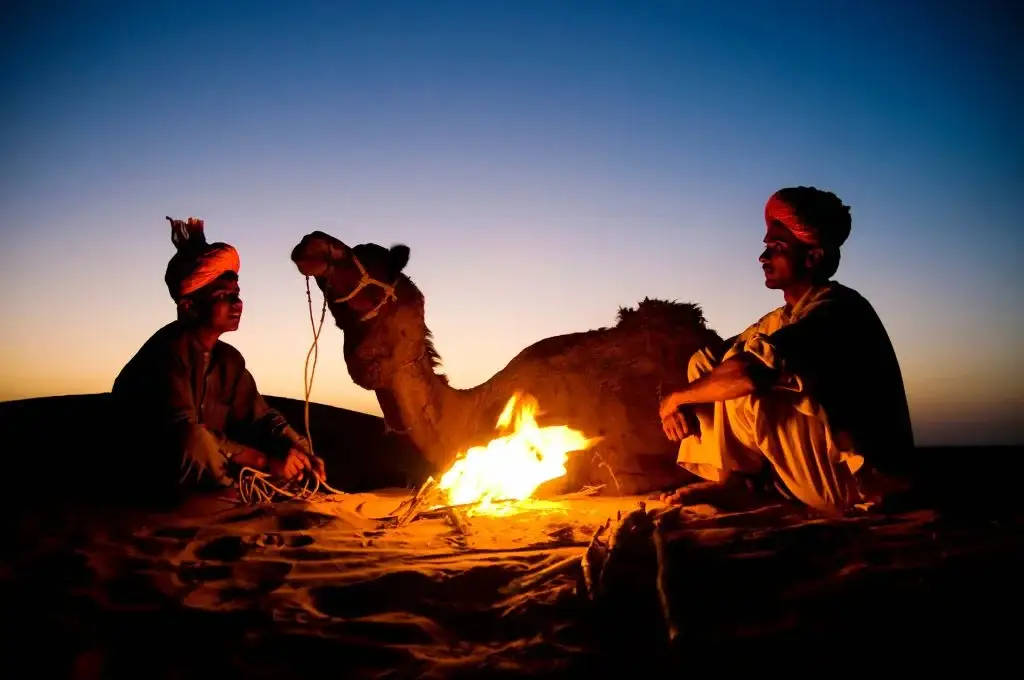
Cultural festivals have become an important part of international tourism. Many travellers plan their holidays around special events because festivals offer experiences that ordinary sightseeing cannot provide.
People travel to Brazil to experience Carnival, visit Japan during cherry blossom season, and explore India during Diwali and Holi. These occasions allow visitors to experience traditional food, music, crafts, and local celebrations.
Festival tourism also supports local businesses. Hotels, restaurants, transport providers, market sellers, and tour operators often benefit from increased visitor activity.
However, visitors should respect local traditions and follow event guidelines. Learning about the cultural meaning of a festival before attending can make the experience more enjoyable and meaningful.
How Technology Is Changing Cultural Celebrations
Technology has changed how people discover and share cultural celebrations. Social media platforms allow families and communities to share photographs, videos, recipes, and festival memories with people living in different parts of the world.
Online platforms also make it easier to find event information, check schedules, book tickets, and plan travel. Cultural organisations can reach wider audiences through online exhibitions and live performances.
People who cannot travel can still learn about different traditions through documentaries, virtual events, and educational videos.
However, technology cannot completely replace the experience of participating in a real celebration. Meeting people, enjoying traditional meals, watching live performances, and learning local customs remain important parts of cultural experiences.
Simple Ways to Explore Different Cultures at Home
Exploring different cultures does not always require international travel. Families can learn about traditions through simple activities at home.
Preparing an international recipe is a good way to begin. Families can select a traditional dish, learn about its history, and prepare it together. Listening to music from different countries can also introduce people to new artistic styles.
Children can explore cultural traditions through books, documentaries, traditional stories, and creative activities. Families can also organise cultural evenings where everyone shares something interesting about a particular country.
These activities make learning enjoyable and encourage children to become curious about the world around them.
Preserving Cultural Heritage for Future Generations
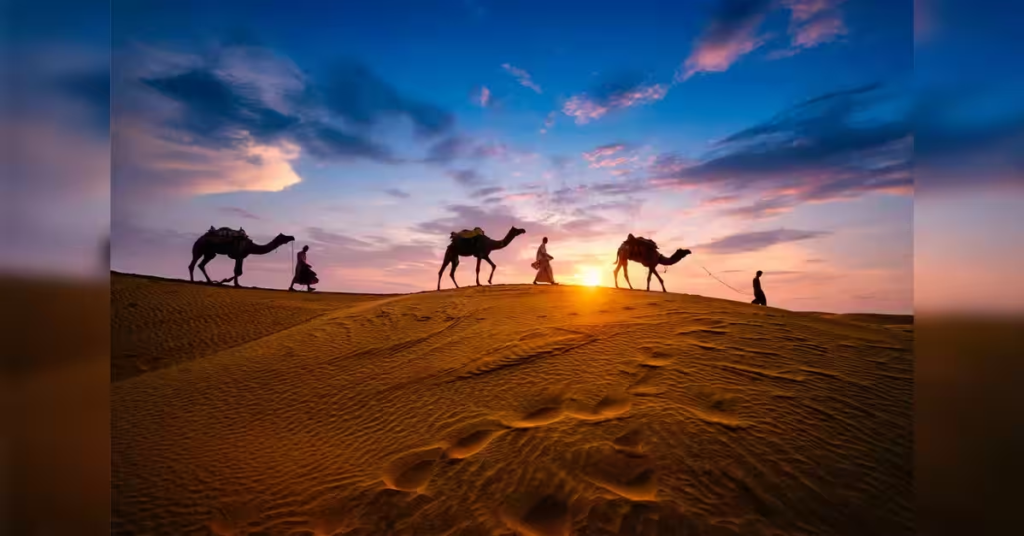
Cultural heritage includes traditional languages, music, dance, art, handicrafts, historical buildings, and community customs. These elements help people understand their history and maintain a connection with their roots.
However, some traditions are becoming less common because of changing lifestyles, urbanisation, and declining interest among younger generations. Traditional crafts, folk performances, and local languages may gradually disappear if they are not actively practised.
Families can help preserve heritage by sharing traditional recipes, stories, songs, and customs with children. Schools can organise cultural activities, while local organisations can support artists and craftspeople.
Supporting handmade products and attending traditional performances are also practical ways to protect cultural knowledge.
Preserving heritage does not mean avoiding modern lifestyles. It means respecting the past and finding meaningful ways to keep traditions alive for the future.
Respecting Different Cultures During Festivals
Participating in cultural celebrations is a wonderful experience, but respecting the people and traditions behind them is equally important. Every festival has its own customs, and visitors should understand basic guidelines before attending.
Some religious places have specific clothing requirements, while certain events may restrict photography. Following these guidelines shows consideration for the local community.
Visitors can also support local businesses by purchasing handmade products, enjoying regional food, and choosing locally organised activities.
Approaching unfamiliar traditions with curiosity and an open mind makes cultural experiences more meaningful. It also helps create positive connections between visitors and local communities.
Conclusion
Global cultural celebrations are an important part of human life. They bring families and communities together, preserve traditional practices, and help people express their history and identity. From India’s Diwali and Brazil’s Carnival to Japan’s Hanami and Mexico’s Day of the Dead, every festival has its own story and significance.
In 2026, cultural traditions continue to remain meaningful despite changing lifestyles and modern technology. Traditional food, music, dance, clothing, and family gatherings help keep cultural .
Frequently Asked Questions
1. What are cultural celebrations?
Cultural celebrations are festivals and events that reflect the traditions, history, and beliefs of different communities.
2. Why are cultural festivals important?
They preserve traditions, bring families together, and promote cultural understanding.
3. What are some famous cultural festivals worldwide?
Diwali, Carnival, Hanami, Day of the Dead, and Chinese New Year are popular examples.
4. How do cultural celebrations support tourism?
They attract visitors, promote local traditions, and support small businesses.
5. How can we preserve cultural heritage?
We can preserve heritage by teaching traditional customs, supporting local artists, and participating in cultural events.
The Factor News team
Written and checked by the people who run Factor News.