
Culture is what links our past to where we are today. It’s built from the stories we tell, the things we make, and the routines we keep. When you take time to notice these details, visiting a new place turns from a standard vacation into something far more rewarding.
You don’t need a background in history or social sciences to get a real feel for a destination. It really just comes down to staying curious, keeping an open mind, and paying attention to how past events shaped the present day.
Here is a closer look at how local customs, historical trade, creative traditions, and shared landmarks come together to define different regions across the globe.
Living Traditions: The Rituals That Bring Us Together
Customs show you what a community values most. Passed down across generations, these routines—whether they are massive annual street celebrations or quiet family dinners—give people a sense of anchor and belonging.
| Traditional Feature | Cultural Value |
|---|---|
| Seasonal Festivals | Marks annual changes and a connection to the environment |
| Memorial Rituals | Honors family history and turns mourning into shared celebration |
| Shared Meals | Welcomes guests and strengthens neighborhood bonds |
What Public Festivals Reveal
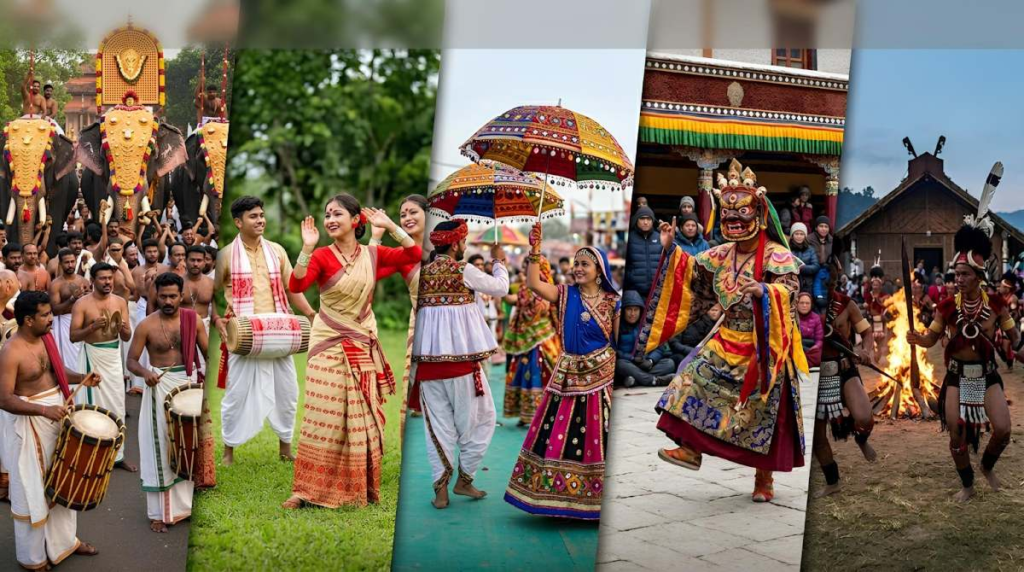
Local events offer a clear window into what people care about, how they celebrate, and how they honor their roots.
- Changing seasons: Plenty of long-standing gatherings tie directly to nature. Events like Japan’s spring cherry blossom gatherings (Hanami) or India’s spring color festival (Holi) celebrate new beginnings and the shift in weather.
- Honoring ancestors: Gatherings like Mexico’s Día de los Muertos (Day of the Dead) handle loss with color, music, and warmth. Instead of staying heavy or sad, it becomes a lively gathering that remembers relatives who passed away.
Food as a Regional Language
Regional recipes reflect geography, old trade routes, and movement over time. Ingredients and cooking habits tell a story that goes well beyond basic nutrition.
In many Mediterranean and Middle Eastern towns, sitting down for a meal is an unhurried affair centered around hospitality. Certain preparation methods are so deeply tied to local identity that international groups work to protect them—like traditional French baking, Georgian winemaking in earthenware jars (qvevri), or the slow, multi-ingredient preparation of Mexican mole.
Understanding the Past to Make Sense of the Present
To figure out why a country operates the way it does today, look at its history. Historical events aren’t just dates to memorize; they explain why local laws, spoken languages, buildings, and social habits look the way they do now.
| Historical Influence | Lasting Cultural Impact |
|---|---|
| Ancient Trade Routes | Spread new ideas, tools, and spiritual beliefs |
| Cultural Blending | Merged different languages, foods, and architecture |
| Historic Structures | Shows the skills, tools, and focus of early builders |
Trade, Movement, and Mixed Cultures
National borders rarely match the old travel paths that originally shaped human settlement.
The Silk Road, for example, did far more than move silk and raw materials between East Asia and Europe. It acted as a massive pathway for new technologies, philosophies, and religious beliefs that altered daily life at both ends of the route.
In other places, different groups came together during periods of migration or conflict, creating blended customs. You can spot this dynamic throughout Latin America and the Caribbean, where European, African, and Indigenous influences mixed over time to form distinct regional music, recipes, and building styles.
Creative Expression and Storytelling
People have always used visual arts, music, and performance to work through big questions, record achievements, and pass down advice.
| Era | Primary Focus | Distinctive Style |
|---|---|---|
| Ancient & Religious Art | Faith, local lore, and honoring leaders | Highly symbolic layouts rather than life-like figures |
| The Renaissance | Realism, human observation, and science | Natural proportions and early perspective techniques |
| Modern Era | Personal emotion and fresh techniques | Bold colors, abstract designs, and a focus on movement |
Performance and Spoken Histories
In many regions, major events were never written down in books. Instead, they were remembered through song, movement, and spoken stories.
- Spoken traditions: Australian Aboriginal Dreamtime stories use “songlines” as audio maps to navigate the land while passing down ecological advice and cultural rules accumulated over thousands of years.
- Stage performance: Theater styles like Japanese Kabuki or Indian Kathakali use elaborate costumes, precise movements, and live background music to keep ancient legends fresh for modern audiences.
Protecting Shared Landmarks and Heritage
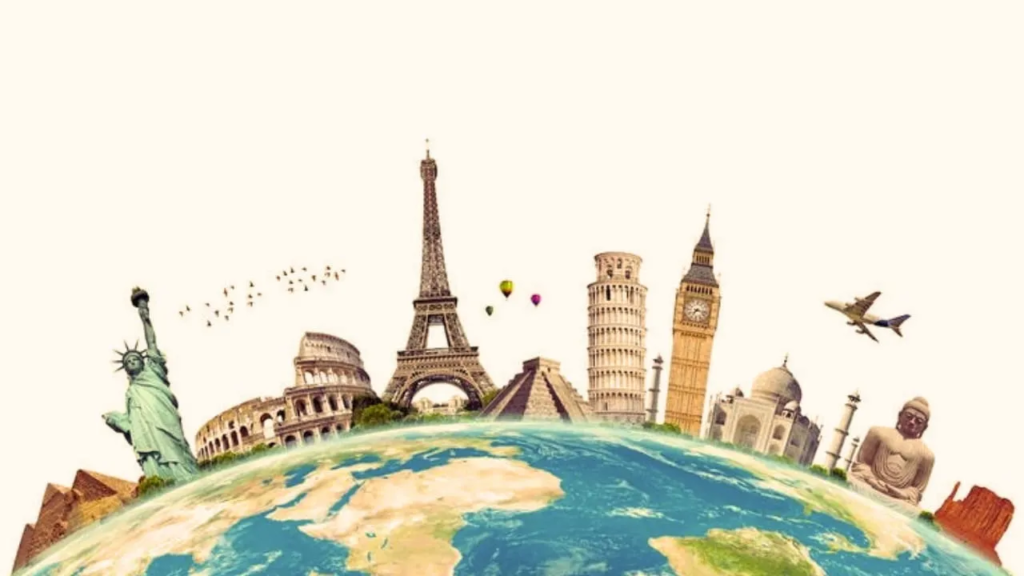
Heritage covers what was built in the past, what remains today, and what gets preserved for the next generation. That includes physical structures (tangible heritage) along with music, oral accounts, and traditional crafts (intangible heritage).
| Heritage Category | Examples |
|---|---|
| Tangible | Ancient ruins, historical neighborhoods, artifacts |
| Intangible | Spoken histories, regional crafts, performing arts |
Preserving Vulnerable Locations
Groups like UNESCO mark specific places to help protect sites of exceptional value to human history. This covers everything from ancient stone forts to farming landscapes, like the mountain rice terraces of the Philippine Cordilleras.
These sites belong to the global story, no matter where they happen to sit geographically. But historic places face real risks from heavy foot traffic, bad weather, urban development, and regional conflicts. Protecting them isn’t just about saving old masonry—it’s about holding onto the physical records of human history.
History Is at the Heart of Culture
To understand a culture, it helps to understand its history.
Historical events can influence everything from language and architecture to food and traditions. Migration, trade, wars, political changes, exploration, and relationships between neighboring communities have all shaped cultures over time.
For example, a city’s architecture may show influences from several historical periods. A traditional recipe may contain ingredients introduced through old trade routes. A language may include words borrowed from neighboring cultures.
History shows us that cultures have never existed completely separately. People have been exchanging ideas and traditions for centuries.
Traditions Connect Generations
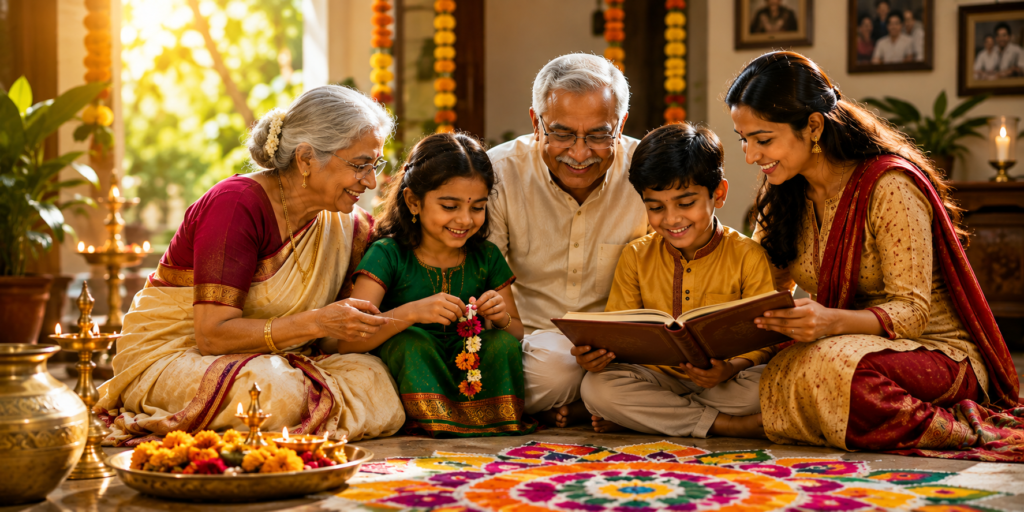
Traditions are practices passed from one generation to another.
They may include family celebrations, traditional meals, religious or seasonal festivals, ceremonies, clothing, music, dances, crafts, and storytelling.
For many families, traditions create a strong connection with the past. A recipe learned from a grandparent or a festival celebrated every year can become an important part of family identity.
Traditions can also change over time. Younger generations may introduce new ideas while keeping meaningful parts of older customs.
Art Reflects Cultural Identity
Art gives people another way to express their history and identity.
Painting, sculpture, pottery, weaving, embroidery, jewelry, photography, architecture, and other creative forms can reflect the values and experiences of a community.
Traditional artwork often contains patterns, colors, materials, or symbols that have special meanings.
At the same time, modern artists frequently combine traditional influences with contemporary ideas. This creates new forms of expression while keeping connections to the past.
Art can therefore act as both a record of history and a reflection of modern life.
Music and Dance Tell Stories
Music is found in almost every culture.
Traditional songs can tell stories about family, love, nature, work, history, celebration, or important events. Musical instruments themselves can also be connected to particular regions and communities.
Dance often plays a similar role. Traditional dances may be performed during festivals, weddings, ceremonies, or community gatherings.
Modern musicians and dancers are also finding new ways to combine traditional styles with contemporary sounds and movements.
This allows cultural traditions to remain relevant while reaching new audiences.
FAQ’s
1. What is global culture?
Global culture includes the traditions, history, art, languages, food, music, and customs shared by communities around the world.
2. Why is cultural heritage important?
Cultural heritage preserves valuable traditions, stories, skills, and historical knowledge for future generations.
3. How can I learn about different cultures?
You can explore museums, festivals, traditional foods, music, books, languages, art, and conversations with people from different backgrounds.
4. How do traditions change over time?
Traditions can adapt to modern lifestyles while keeping important elements of their original meaning and history.
5. Why should we respect cultural differences?
Respect helps us understand different perspectives, avoid stereotypes, and appreciate the diversity of human experiences.