
Culture is one of the most interesting parts of human life. It shapes the way people celebrate, communicate, eat, dress, create art, tell stories, and connect with one another. Every community has its own traditions and customs, while many cultural practices have been passed from one generation to the next.
Exploring culture does not require traveling around the world. You can discover new cultures through food, music, books, festivals, museums, films, family stories, and conversations with people from different backgrounds. The more we learn about different cultures, the easier it becomes to appreciate the many ways people experience life.
What Is Culture?
Culture is the collection of ideas, traditions, values, customs, arts, beliefs, languages, and everyday practices shared by a group of people.
It can be connected to a country, region, community, family, or even a particular group with shared interests. Culture is not something that stays exactly the same forever. It changes as people interact with one another and as societies develop.
For example, traditional clothing may be worn during important celebrations while modern clothing is used in everyday life. Traditional recipes may also be adapted using ingredients or cooking methods that are more common today.
This combination of old and new is what makes culture constantly evolving.
Why History Matters
History provides important context for understanding culture.
Many traditions that seem ordinary today have stories behind them. They may have developed because of historical events, migration, geography, religion, trade, agriculture, or relationships between different communities.
Learning about history can help explain why certain foods are popular in particular regions, why specific festivals are celebrated, or why a community speaks a particular language.
History also reminds us that cultures are influenced by one another. Trade routes, travel, migration, and communication have connected communities for centuries.
Understanding these connections makes cultural history much more than a collection of dates and events. It becomes a story about people.
The Importance of Traditions

Traditions are practices that communities pass from one generation to another.
They can include family meals, weddings, religious or seasonal celebrations, traditional clothing, music, dances, storytelling, crafts, and special ceremonies.
For many people, traditions create a sense of belonging. They provide opportunities for families and communities to come together and remember their shared history.
At the same time, traditions can change. Younger generations may introduce new ideas while still keeping important elements of older customs.
This does not necessarily mean a tradition is disappearing. Sometimes it is simply finding a new place in modern life.
Festivals Bring People Together
Festivals are often some of the most visible expressions of culture.
They can celebrate a historical event, seasonal change, harvest, religious occasion, artistic tradition, or local identity. Festivals often include food, music, dancing, decorations, performances, parades, and community gatherings.
What makes festivals special is the atmosphere they create. Streets may become more colorful, families may prepare traditional dishes, and people may wear clothing associated with the occasion.
Festivals also provide an opportunity for visitors to learn about a community in a more personal and memorable way.
Whether it is a small local celebration or a large international event, festivals can create connections between people.
Food Is Part of Cultural Identity
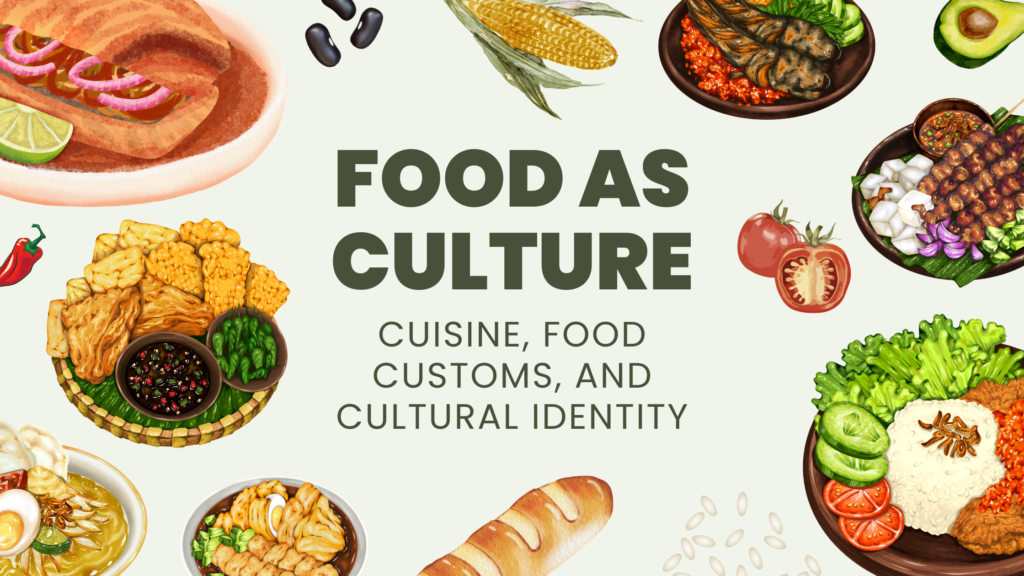
Food is one of the easiest ways to experience culture.
Traditional dishes often reflect a region’s geography, climate, agriculture, history, and available ingredients. A recipe may also carry family memories and stories.
For example, a particular dish might be prepared during weddings, holidays, festivals, or family gatherings. The recipe may have been taught by grandparents or adapted over generations.
Trying traditional food can therefore be more than simply tasting something new. It can provide a glimpse into the history and lifestyle of the people who created it.
Cooking cultural dishes at home can also be a fun way to explore another part of the world without leaving your kitchen.
Language Connects People
Language is closely connected to culture.
It allows people to communicate, tell stories, preserve history, and express ideas that may be difficult to translate perfectly into another language.
Idioms, sayings, jokes, songs, and traditional expressions can reveal a great deal about how communities think and communicate.
Many regions are multilingual, and people may use different languages in different situations. This diversity adds another layer to cultural identity.
Learning even a few words from another language can be a simple way to show curiosity and respect when exploring another culture.
Music and Dance Tell Stories
Music and dance are powerful forms of cultural expression.
Traditional songs may tell stories about love, history, work, nature, celebrations, or important events. Dances can represent community identity and may be performed during festivals, weddings, ceremonies, or other gatherings.
At the same time, modern musicians and dancers often combine traditional influences with contemporary styles.
This creates exciting new forms of cultural expression while keeping older influences alive.
Art and Craft Preserve Heritage
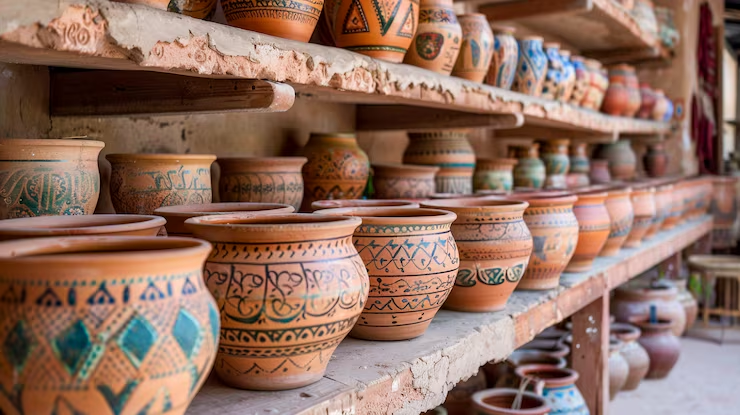
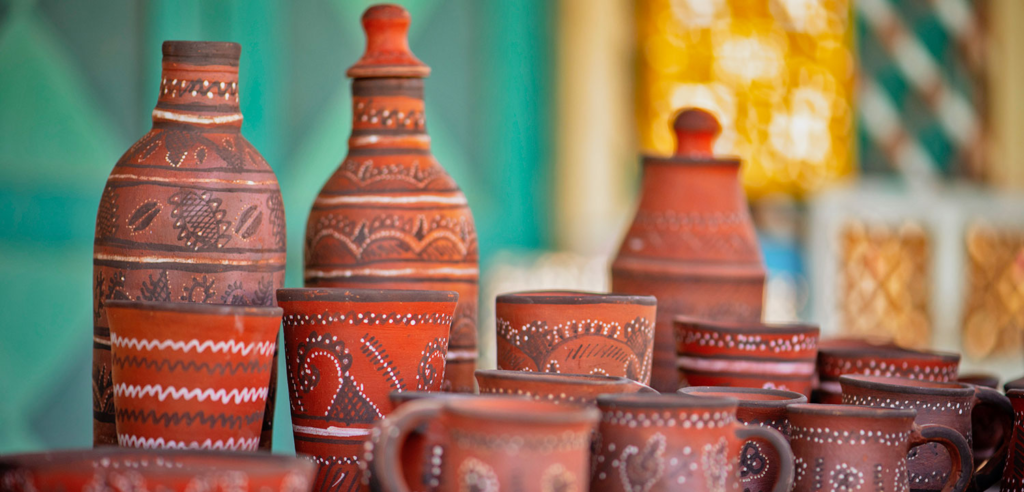
Paintings, sculptures, textiles, pottery, jewelry, woodworking, weaving, embroidery, and other crafts can preserve cultural history.
Traditional crafts often require skills that have been taught for generations. Patterns, materials, and techniques may have specific meanings connected to local history or identity.
Supporting traditional artists and craftspeople can help these skills continue into the future.
Museums, cultural centers, galleries, and community events can also provide opportunities to learn about traditional art.
Clothing Can Reflect Identity
Traditional clothing can communicate information about a community’s history and identity.
Some garments are associated with particular celebrations or ceremonies, while others were originally designed for practical reasons such as climate or work.
Modern fashion may incorporate traditional patterns, fabrics, or designs, creating a connection between heritage and contemporary style.
It is important to learn about the meaning behind cultural clothing rather than treating it simply as a costume or trend.
Cultural Heritage and Historic Places
Cultural heritage includes more than traditions and celebrations. It can also include historic buildings, monuments, archaeological sites, landscapes, artworks, documents, and objects.
Historic places can help communities remember important events and understand how earlier generations lived.
Protecting these places is important because once significant cultural sites are damaged or lost, future generations may never have the opportunity to experience them in the same way.
Travelers can contribute by respecting local rules, avoiding damage, and supporting responsible tourism.
Family Stories Are Cultural History
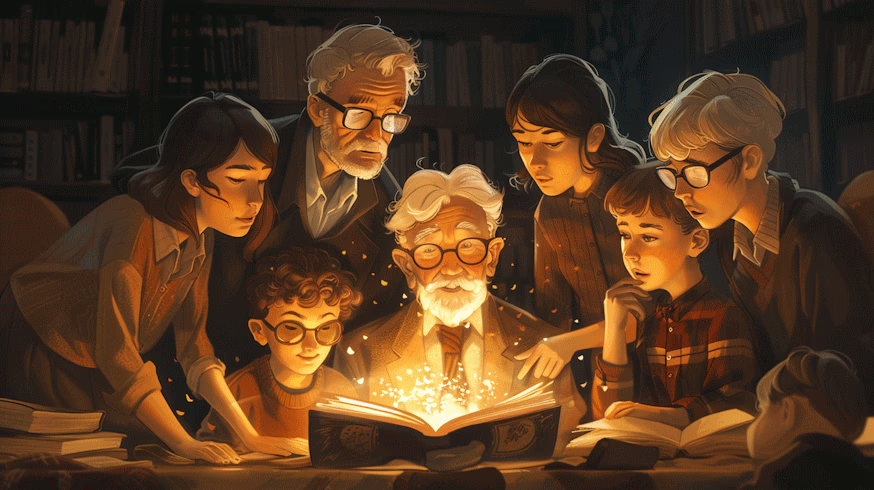
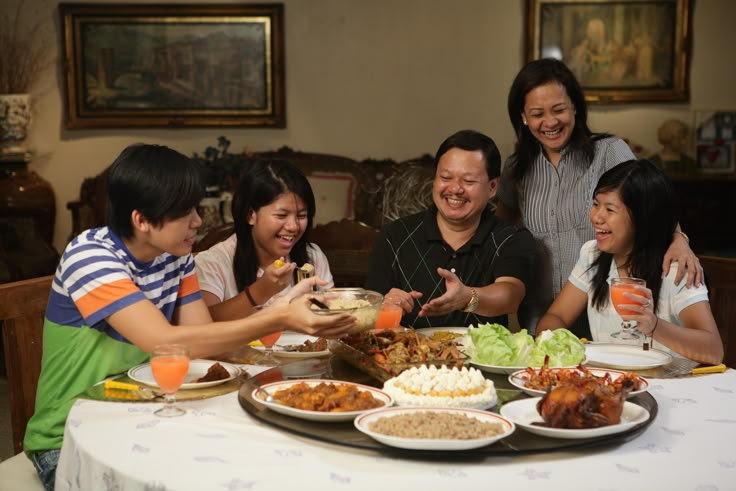
Culture is not always found in museums or textbooks.
Family stories can be an important source of cultural knowledge. Grandparents and older relatives may remember traditions, recipes, songs, celebrations, or local customs that are not formally documented.
As families grow and move to different places, these stories can become especially valuable.
Writing down recipes, recording family stories, saving photographs, or simply talking with older relatives can help preserve personal and cultural history.
How Technology Is Changing Culture
Technology has made it easier than ever to share culture.
People can now discover music, recipes, languages, traditions, films, art, and festivals from around the world through digital platforms.
Social media has also allowed communities to share their traditions with wider audiences. A local celebration can now be seen by people thousands of miles away.
However, digital culture also creates challenges. Traditional knowledge can sometimes be presented without proper context or credit.
Being respectful, checking sources, and learning from reliable cultural organizations can help create a better understanding.
Respecting Cultural Differences
Exploring culture should begin with curiosity and respect.
Different customs may seem unusual when viewed from the outside, but they often make sense within their historical and social context.
Instead of immediately judging something as strange or wrong, take time to understand why the tradition exists.
Avoid making broad assumptions about an entire country or community based on one experience. Cultures contain enormous diversity, and individuals may have very different relationships with traditional practices.
Respectful curiosity makes cultural exploration more meaningful.
Cultural Exchange Enriches Everyday Life
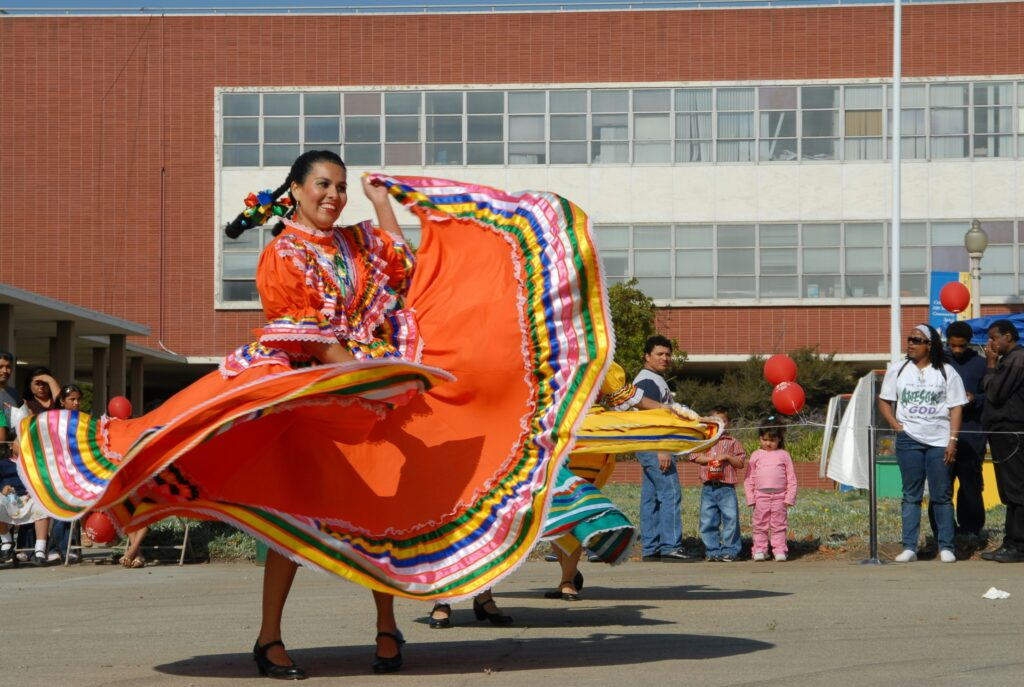
Culture does not exist in isolation.
People have shared ideas, foods, languages, music, technologies, and traditions across borders for centuries. Many things we consider familiar today have influences from different parts of the world.
Cultural exchange can introduce people to new perspectives and encourage creativity.
It can happen through travel, education, friendships, food, music, literature, sports, and online communities.
When approached respectfully, cultural exchange can help people understand one another and appreciate differences.
Easy Ways to Explore Culture
You do not need a large budget or an international trip to learn about culture.
Try visiting a local museum, attending a cultural festival, learning a traditional recipe, listening to music from another region, reading books by international authors, or watching documentaries about different communities.
You can also learn a few phrases in another language or speak with someone about their family traditions.
Small experiences can lead to a much deeper understanding over time.
The Future of Culture
Culture will continue to change.
Some traditions may become less common, while others may experience a revival. New technology, migration, global communication, and changing lifestyles will continue to influence how people express their identities.
The important thing is to preserve valuable cultural knowledge while allowing communities to decide how their traditions should evolve.
Young people have an especially important role in this process. By learning from older generations and finding new ways to share
FAQ’s
1. What is culture?
Culture includes the traditions, customs, language, food, art, values, history, and everyday practices shared by a community.
2. Why are traditions important?
Traditions help preserve history, strengthen community connections, and pass cultural knowledge between generations.
3. How do festivals represent culture?
Festivals often bring together traditional food, music, clothing, celebrations, and customs that reflect a community’s identity.
4. How can I learn about other cultures?
You can explore museums, books, traditional foods, music, festivals, languages, documentaries, and conversations with people from different backgrounds.
5. Why is cultural heritage important?
Cultural heritage helps communities preserve their history, identity, traditions, skills, and stories for future generations.