
Let’s step back and look at the bigger picture for a second. Think about the last time you sat down, scrolled through your phone, and stumbled upon a piece of music from a country you’ve never visited, or a recipe from a community half a world away. It feels completely normal to us now, doesn’t it? But if you really think about it, even just twenty or thirty years ago, that kind of instant, casual exposure to the world would have felt like absolute science fiction. This unprecedented level of connectivity is transforming Culture in ways we are only beginning to understand. Today, people can experience different traditions, languages, art forms, and lifestyles from across the globe with just a few clicks, making cultural exchange faster and more accessible than ever before
For the vast majority of human history, culture was something anchored firmly by geography. You grew up within a specific valley, a particular city, or a distinct country, and your worldview was naturally shaped by the people physically standing around you. Your language, your traditions, the food your family cooked on holidays, the music that defined your childhood—they were all carefully preserved within invisible geographic borders.
But today, those borders have largely dissolved into thin air. We are living through a massive, unprecedented shift in how human beings interact. Thanks to the internet, rapid travel, and global economies, we are all packed into a crowded, chaotic digital living room together.
This leaves us with a fascinating, slightly messy reality to figure out. Is this hyper-connected world turning us into one giant, boring, identical global monoculture? Or is it actually giving us the ultimate canvas to celebrate what makes us unique? Let’s break down what’s really happening to our collective identity, minus the clinical academic jargon.
What Culture Actually Means (When We Aren’t Being Pretentious)
Before we figure out where culture is going, we should probably admit what it actually is. Culture isn’t just a fancy oil painting hanging in a quiet museum, or a historical text dusty with age. It’s the invisible software running in the background of your brain. It dictates how you talk to your parents, what makes you laugh, how you deal with grief, how you celebrate success, and what you consider “polite” behavior.
  Traditional Culture Model:  Passed strictly down through generations vertically.

  Modern Networked Model:     Passed vertically + shared horizontally across global networks.
At its core, culture gives us a sense of gravity—it anchors us. It’s how a community passes down its survival guides, its moral compasses, and its identity from one generation to the next through stories, food, and shared rituals. When you understand your culture, you naturally feel like you belong somewhere. But what happens to that gravity when you are suddenly exposed to a thousand other competing cultural signals every time you open an app?
The Digital Living Room: Why Physical Distance No Longer Matters


The rise of global connectivity has completely broken the old rules of human interaction. The internet https://factor.news/how-technology-is-transforming-culture-around-the-worlddidn’t just make communication faster; it completely changed the social fabric of our lives.
Think about how we travel, work, and consume media now:
- The Scale of Travel: Millions of us cross oceans every year for vacations, jobs, or school, bringing our habits with us and absorbing new ones along the way.
- Cross-Border Workspaces: Businesses now hire teams spanning four continents, forcing people from vastly different cultural backgrounds to find common ground over video calls.
- Instant Social Networks: A teenager in Tokyo can start a fashion trend on TikTok that a college student in London adopts by Thursday afternoon.
We aren’t just visiting other cultures anymore; we are actively living alongside them in the digital space.
The Double-Edged Sword of Technology
There is no denying that technology is the main engine driving this cultural acceleration. Look at streaming platforms. You can sit on your couch on a rainy Tuesday evening and watch a gripping crime thriller from South Korea, listen to an Afrobeat playlist compiled by a producer in Nigeria, and read a translated novel by an author from Argentina.
This level of access is an incredible gift. It breeds natural empathy. It makes the world feel smaller and less intimidating because you quickly realize that regardless of our different languages or clothes, we are all navigating the exact same core human emotions—love, fear, ambition, and heartbreak.
+--------------------------------------------------------------------------+
|                       THE CULTURAL BALANCE SHEET                         |
+------------------------------------+-------------------------------------+
| THE PROS (EXCHANGE)                | THE CONS (HOMOGENIZATION)           |
| • Fosters deep empathy & awareness | • Local traditions face erasure     |
| • Blends styles into new art forms | • Dominant media drowns small voices|
| • Democratizes creative tools      | • Languages face extinction risks   |
+------------------------------------+-------------------------------------+
But let’s be completely honest about the dark side of this tech shift. While digital platforms are amazing for sharing information, they also tend to prioritize whatever gets the most clicks. This means massive, heavily funded Western media empires and dominant corporate trends often drown out local voices. There is a genuine, valid fear that smaller languages, ancient storytelling traditions, and local customs are quietly being ironed out by a giant, algorithmic steamroller.
The Art of the Remix: Cultural Exchange in Action
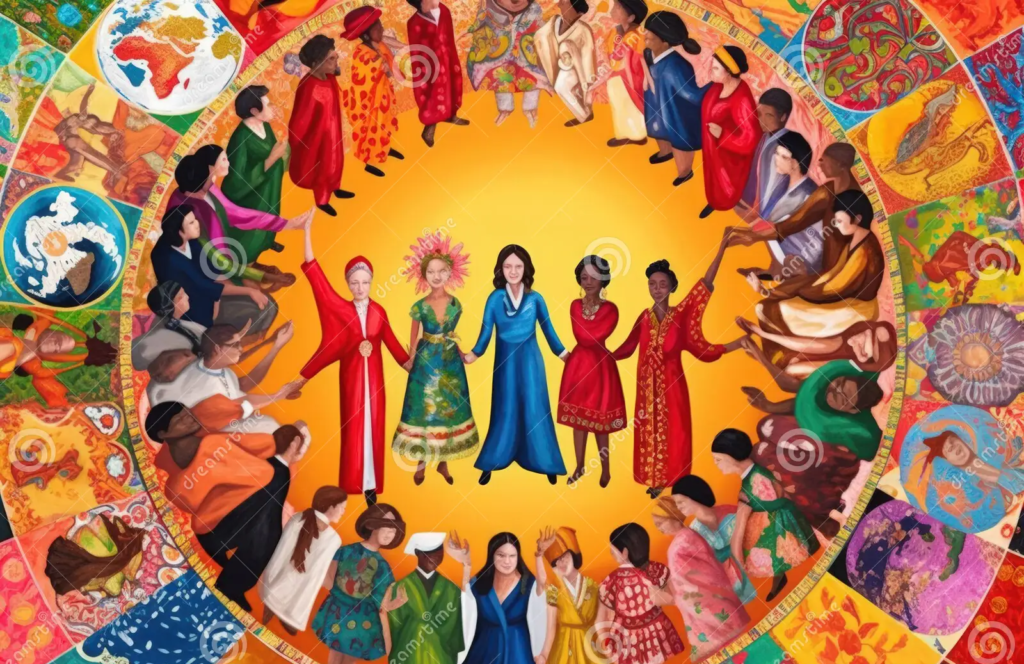
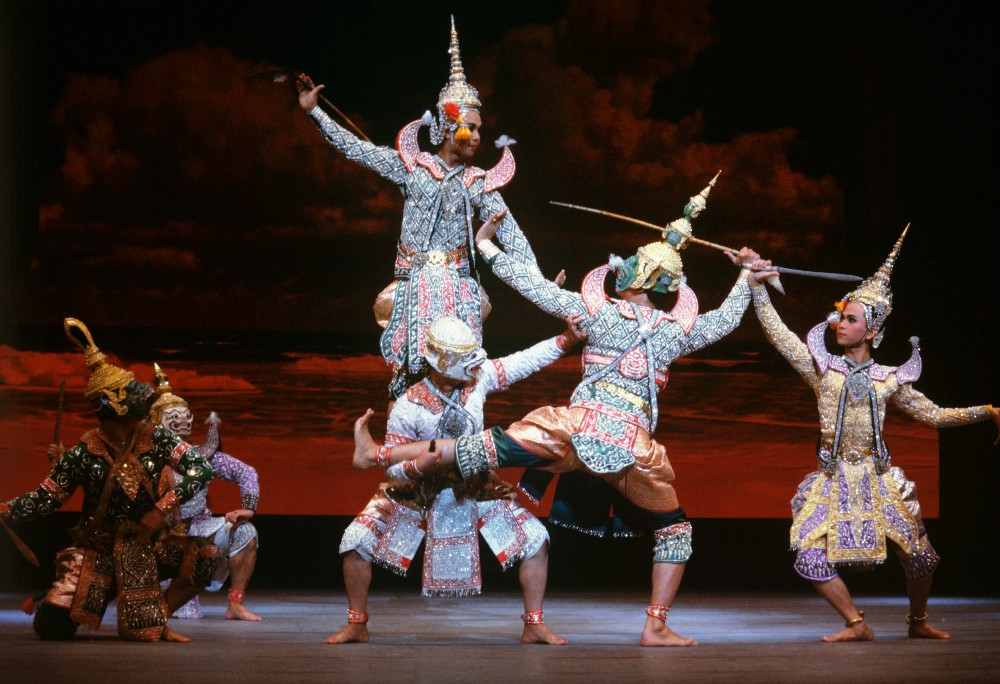
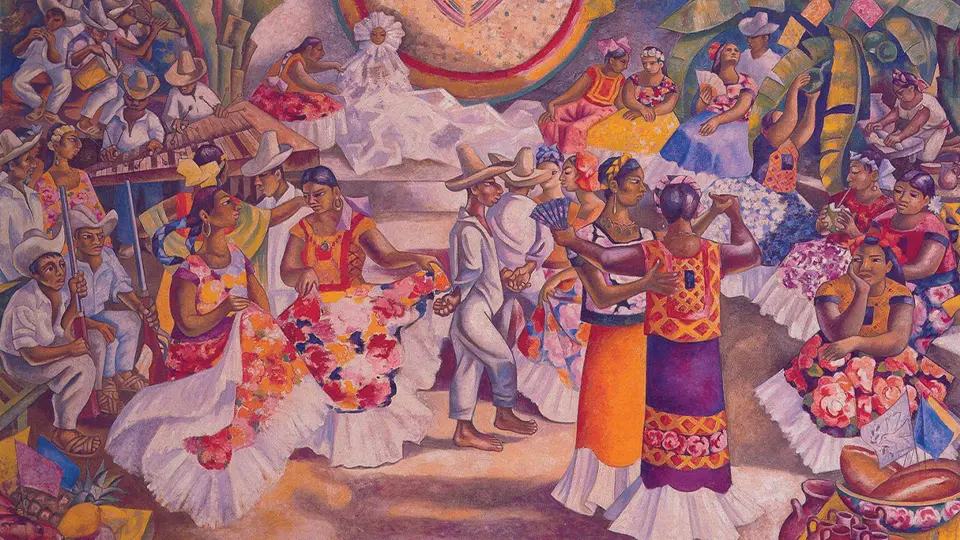
When different cultures collide, they don’t always erase each other. More often than not, they do something far more interesting: they remix.
Take food, for example. Walk down the street of any major city today, and you’ll find fusion restaurants that blend culinary traditions in ways that would have horrified purists fifty years ago but absolutely delight our palates today. Think of Tex-Mex, sushi burritos, or Indian-style pizzas.
Music does the exact same thing. The most exciting genres emerging right now don’t belong to just one country. They are beautiful, fluid hybrids—pop songs that loop traditional Latin rhythms with electronic beats made in Berlin, topped with verses sung in a mix of English and Spanish.
Education has evolved in tandem. When young people study abroad or collaborate online with peers from across the globe, they aren’t losing their identity. They are simply building a secondary skill set: cross-cultural intelligence. They learn to code-switch, to see problems from multiple angles, and to realize that their way of doing things isn’t the only way—it’s just one way
Because everything is changing so fast, there is a very powerful counter-movement happening right now. People are looking at the rapid pace of globalization and realizing, “Wait, if we don’t actively protect our history, it’s going to vanish.”
Preserving cultural heritage isn’t about building a wall around your community and refusing to let anything new in—that’s just isolationism, and it ultimately suffocates a culture. True preservation is about documenting and honoring your roots so you can stand firm while you adapt to the future.
Ironically, the exact same technology that threatens local cultures is also becoming their savior:
- Digital Linguistic Archives: Activists are using recording apps to capture the speech of the last remaining native speakers of endangered indigenous languages, creating free online databases for future generations.
- Virtual Reality Museums: Immersive tech allows someone living in a landlocked country to digitally walk through ancient ruins or historic structures half a world away, keeping historical awareness alive.
- Crowdsourced Traditions: Communities are utilizing social media groups to share traditional recipes, textile weaving techniques, and regional folklore that might otherwise have died out with older generations.
The Next Generation: Innovation Meets History
If you want to know what the future of culture looks like, you just have to watch how young people use the internet. The younger generation has never known a world that wasn’t connected. They are digital natives who seamlessly balance two seemingly contradictory mindsets: global awareness and intense cultural pride.
                  ┌──> Global Awareness (Universal Values)
  Modern Youth ───┤
                  └──> Cultural Pride (Local Identity Restoration)
They don’t see a conflict between loving global pop culture and passionately defending their local roots. You see young creators using modern video platforms to perform ancient folk dances to electronic beats, or fashion designers using traditional hand-woven fabrics to create sleek, modern streetwear. They are proving that heritage doesn’t have to be static or boring to survive; it can be vibrant, relevant, and undeniably cool.
The Roadblocks: Misunderstanding and Inequality
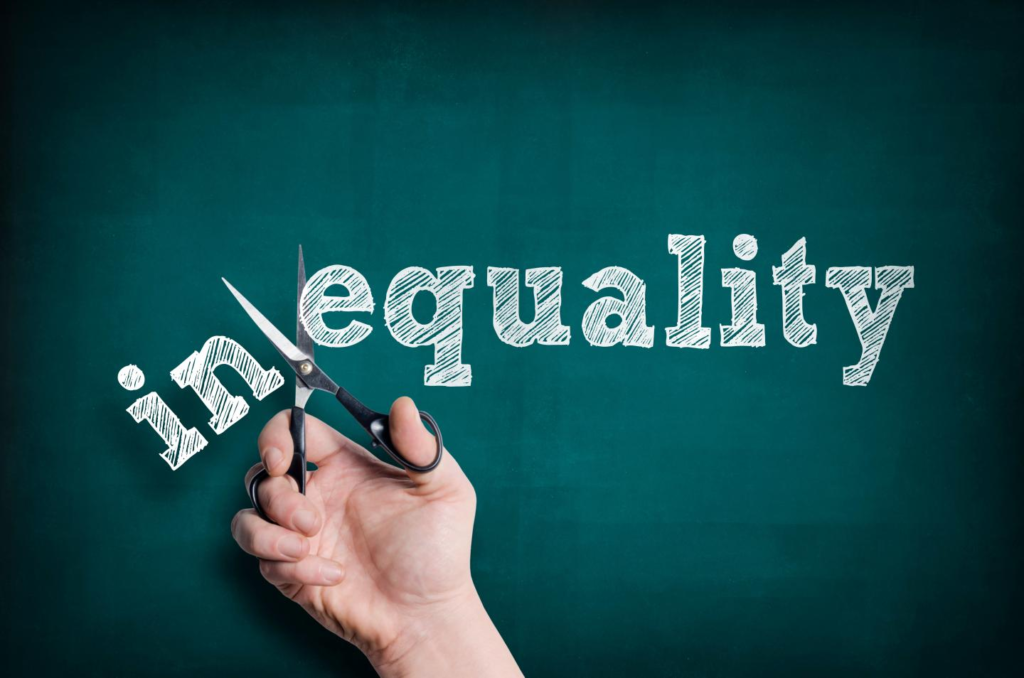
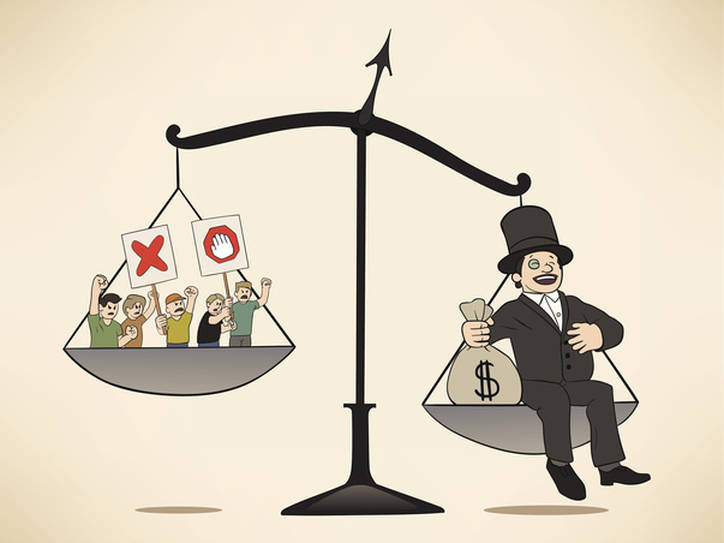
We can’t paint a completely rosy picture here. This connected world of ours comes with some serious, structural friction.
First of all, just because we are communicating more doesn’t mean we are understanding each other better. The internet is notorious for creating digital echo chambers and spreading misinformation. It is tragically easy for a cultural nuance to get completely stripped out of a short video, leading to massive online outrages, stereotyping, and bitter divisions.
Secondly, we have to acknowledge the staggering digital divide. It takes a certain level of economic stability, reliable electricity, and high-speed internet access to participate in this global cultural exchange. Millions of people around the world are still cut off from these digital tools. When we talk about the “global conversation,” we have to ask ourselves: who are we leaving out of the room?
Where Do We Go From Here?
So, what is the ultimate destiny of culture in this interconnected era?
If you ask me, we aren’t heading toward a future where every city looks identical, everyone speaks the exact same language, and local traditions disappear. That would be an incredibly dull tragedy. Instead, the future looks much more like a mosaic—a vibrant, complex picture where individual, distinct pieces of local heritage are held together by a shared framework of global connection.
We are all learning to carry multiple identities at once. You can be proud of your specific hometown roots, deeply loyal to your country’s traditions, and still consider yourself a curious, empathetic citizen of the world.
At the end of the day, culture has never been a static artifact frozen in time. It is a living, breathing organism. It changes because we change. By consciously choosing to protect our historical roots while keeping our minds wide open to new perspectives, we can build a world where technology doesn’t dilute our identity, but rather enriches the beautiful, complex story of who we are.
FAQ’s
1. What is culture?
Culture is the collection of beliefs, traditions, values, language, and customs shared by a group of people.
2. How does technology affect culture?
Technology helps spread cultural ideas, connect people globally, and preserve traditions through digital platforms.
3. What is cultural diversity?
Cultural diversity refers to the presence of different cultures, traditions, and perspectives within a society.
4. Why is cultural heritage important?
Cultural heritage preserves history, traditions, and identity for future generations.
5. How is globalization changing culture?
Globalization increases cultural exchange, allowing people to learn from and interact with different cultures worldwide.