
Modern professional life is often fast-paced, demanding, and filled with responsibilities. Between managing deadlines, attending meetings, commuting, and balancing personal commitments, many professionals struggle to prioritize their health and wellness. Long working hours, unhealthy eating habits, lack of physical activity, and high stress levels can gradually affect both physical and mental well-being.
The good news is that maintaining a healthy lifestyle does not require drastic changes or endless hours in the gym. Small, consistent habits can make a significant difference in improving energy levels, productivity, and overall quality of life. This guide explores practical health and wellness strategies specifically designed for busy professionals who want to stay healthy while succeeding in their careers.
Why Health and Wellness Matter for Professionals
Health and wellness are directly connected to workplace performance and personal satisfaction. When individuals feel physically strong and mentally balanced, they are more likely to remain productive, focused, and motivated.
Benefits of prioritizing health and wellness include:
- Increased energy and stamina
- Improved concentration and decision-making
- Better stress management
- Stronger immune system
- Enhanced work performance
- Greater emotional resilience
- Improved work-life balance
Investing in personal well-being is not a luxury; it is a necessity for long-term professional success and personal happiness.
Understanding Wellness Beyond Physical Health
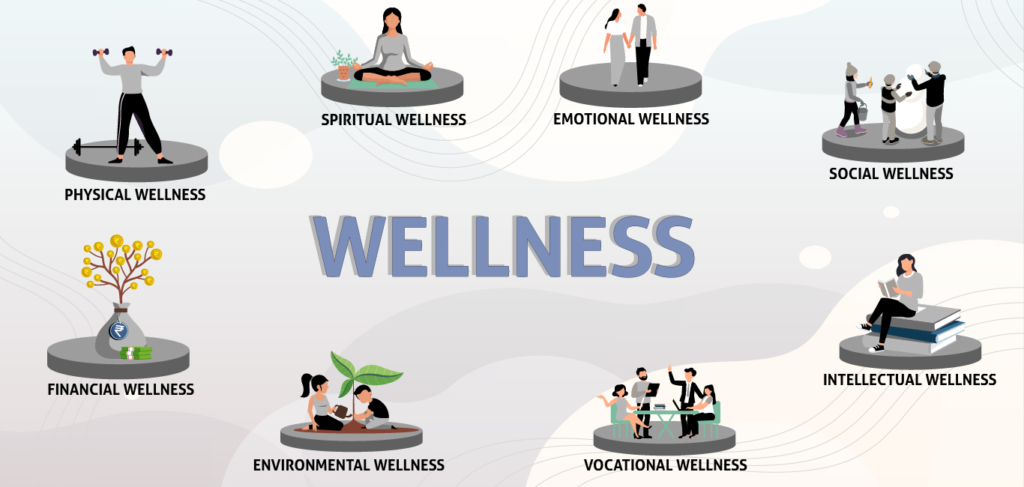
Many people associate wellness only with exercise and nutrition. However, true wellness includes several interconnected dimensions.
Physical Wellness
Physical wellness focuses on maintaining a healthy body through proper nutrition, regular exercise, adequate sleep, and preventive healthcare.
Mental Wellness
Mental wellness involves managing stress, maintaining focus, and developing healthy coping mechanisms for life’s challenges.
Emotional Wellness
Emotional wellness includes understanding and managing emotions effectively while building positive relationships.
Social Wellness
Strong social connections contribute to overall happiness and provide valuable support during difficult times.
Occupational Wellness
Occupational wellness refers to finding satisfaction and purpose in one’s work while maintaining a healthy balance between professional and personal life.
Building Healthy Eating Habits


Nutrition plays a crucial role in maintaining energy and productivity throughout the day. Unfortunately, busy schedules often lead professionals to rely on fast food, processed snacks, and sugary beverages.
Start the Day with a Balanced Breakfast
A nutritious breakfast provides the energy needed to begin the day effectively. Consider including:
- Whole grains
- Fruits
- Protein sources such as eggs or yogurt
- Healthy fats like nuts and seeds
Plan Meals in Advance

Meal preparation can help avoid unhealthy food choices during busy workdays. Preparing meals ahead of time saves both time and money while supporting healthier eating habits.
Stay Hydrated
Water is essential for concentration, energy, and overall health. Many professionals mistake dehydration for fatigue or hunger.
Tips for staying hydrated:
- Carry a reusable water bottle
- Set reminders to drink water
- Limit sugary drinks
- Include water-rich foods in meals
Choose Healthy Snacks
Healthy snacks can prevent energy crashes and support sustained productivity.
Good options include:
- Fresh fruits
- Nuts and seeds
- Greek yogurt
- Whole-grain crackers
- Vegetables with hummus
Making Time for Exercise
One of the most common excuses for avoiding exercise is lack of time. However, physical activity does not require hours of daily commitment.

Benefits of Regular Exercise
Regular physical activity can:
- Improve cardiovascular health
- Increase energy levels
- Reduce stress
- Support weight management
- Enhance mood
- Improve sleep quality
Short Workouts Can Be Effective
Even 20 to 30 minutes of exercise can provide significant health benefits. Busy professionals can incorporate:
- Brisk walking
- Cycling
- Home workouts
- Bodyweight exercises
- Yoga sessions
Stay Active Throughout the Day

Small movements add up over time.
Examples include:
- Taking the stairs instead of elevators
- Walking during phone calls
- Stretching between meetings
- Standing while working when possible
Consistency is often more important than intensity.
Managing Workplace Stress
Stress is one of the biggest challenges faced by professionals today. While some stress can motivate performance, chronic stress can negatively impact health and productivity.
Identify Stress Triggers
Understanding the causes of stress is the first step toward managing it effectively.
Common workplace stressors include:
- Heavy workloads
- Tight deadlines
- Job insecurity
- Poor work-life balance
- Communication challenges
Practice Mindfulness

Mindfulness techniques can help individuals remain calm and focused.
Examples include:
- Deep breathing exercises
- Meditation
- Mindful walking
- Journaling
Even a few minutes of mindfulness each day can improve emotional well-being.
Learn to Prioritize Tasks
Effective time management reduces stress and improves productivity.
Strategies include:
- Creating daily task lists
- Setting realistic goals
- Focusing on high-priority tasks first
- Avoiding unnecessary multitasking
Take Regular Breaks
Continuous work without breaks can lead to mental fatigue. Short breaks throughout the day help restore focus and creativity.
The Importance of Quality Sleep
Sleep is often sacrificed in the pursuit of professional success. However, inadequate sleep can reduce productivity, impair decision-making, and increase health risks.
Benefits of Good Sleep
Quality sleep supports:
- Brain function
- Memory
- Immune health
- Emotional stability
- Physical recovery
Create a Healthy Sleep Routine


Professionals can improve sleep quality by:
- Going to bed at consistent times
- Limiting screen exposure before bedtime
- Avoiding caffeine late in the day
- Creating a comfortable sleep environment
Most adults benefit from seven to nine hours of sleep each night.
Maintaining Mental Health
Mental health is just as important as physical health. Ignoring emotional well-being can lead to burnout, anxiety, and reduced performance.
Recognize Signs of Burnout
Common symptoms include:
- Persistent fatigue
- Reduced motivation
- Difficulty concentrating
- Increased irritability
- Emotional exhaustion
Seek Support When Needed
Talking with trusted friends, family members, mentors, or mental health professionals can provide valuable support and perspective.
Engage in Enjoyable Activities


Hobbies and leisure activities help reduce stress and promote overall happiness.
Examples include:
- Reading
- Gardening
- Painting
- Music
- Sports
- Traveling
Making time for enjoyable activities improves life satisfaction and mental resilience.
Achieving Work-Life Balance
Work-life balance is essential for long-term wellness. Professionals who maintain healthy boundaries often experience greater productivity and satisfaction.
Set Clear Boundaries
Avoid allowing work responsibilities to dominate personal time.
Strategies include:
- Establishing work hours
- Limiting after-hours emails
- Taking regular vacations
- Scheduling personal activities
Spend Time with Family and Friends
Strong relationships contribute significantly to emotional well-being. Prioritizing meaningful connections helps create a balanced and fulfilling life.
Learn to Say No
Accepting too many commitments can lead to overwhelm and burnout. Evaluating priorities carefully allows individuals to focus on what matters most.
Preventive Healthcare Matters
Preventive healthcare helps identify potential health concerns before they become serious problems.
Important preventive measures include:
- Annual health checkups
- Vaccinations
- Regular dental visits
- Vision examinations
- Health screenings based on age and risk factors
Early detection often leads to more effective treatment and better health outcomes.
Creating a Sustainable Wellness Plan
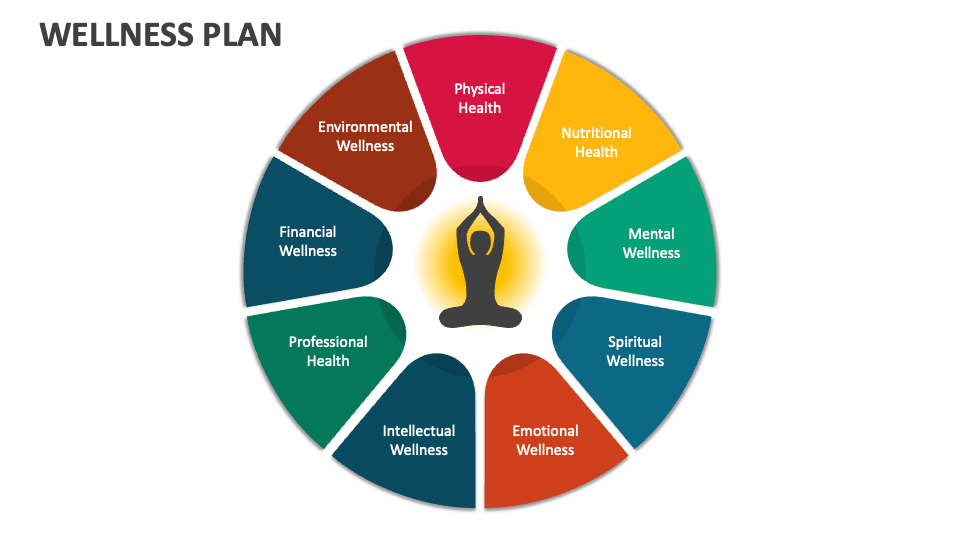
The most successful wellness plans are realistic and sustainable. Rather than attempting drastic lifestyle changes, professionals should focus on small improvements that can be maintained over time.
A simple wellness plan may include:
- Exercising three to five times per week
- Drinking adequate water daily
- Eating balanced meals
- Practicing stress management techniques
- Maintaining consistent sleep habits
- Scheduling regular health checkups
Small actions performed consistently often lead to significant long-term results.
Conclusion
Health and wellness are essential foundations for professional success and personal fulfillment. While busy schedules can make healthy living challenging, adopting practical habits can significantly improve physical health, mental well-being, and overall quality of life.
By focusing on balanced nutrition, regular exercise, stress management, quality sleep, mental health, and preventive care, professionals can build sustainable routines that support both career growth and personal happiness. The journey toward better wellness does not require perfection. Consistent, intentional choices made every day can create lasting positive change.
FAQ’s
1. How can busy professionals stay healthy with limited time?
Busy professionals can focus on small habits such as meal planning, short workouts, staying hydrated, taking regular breaks, and maintaining consistent sleep schedules.
2. What is the most important aspect of wellness?
Wellness involves a combination of physical, mental, emotional, and social well-being. Maintaining balance across these areas is essential for overall health.
3. How much exercise is recommended for working professionals?
Most health experts recommend at least 150 minutes of moderate physical activity per week, which can be divided into shorter sessions.
4. How can professionals reduce workplace stress?
Stress can be reduced through effective time management, mindfulness practices, regular breaks, exercise, and maintaining healthy boundaries between work and personal life.
5. Why is sleep important for productivity?
Quality sleep improves concentration, memory, decision-making, emotional stability, and energy levels, all of which contribute to better workplace performance.