
Culture is one of the most powerful forces that shape human society. It influences how people communicate, interact, celebrate, and support one another. Every community, regardless of its size or location, is built upon a shared set of values, traditions, beliefs, and customs that create a sense of identity and belonging. These cultural elements help individuals feel connected to their community and contribute to a stronger social fabric.
In today’s rapidly changing world, communities face numerous challenges, including social division, economic uncertainty, and cultural differences. Amid these challenges, culture continues to play a vital role in bringing people together and fostering unity. It provides a foundation for mutual understanding, cooperation, and collective growth. Strong communities are not built solely through infrastructure or economic development; they are strengthened by the cultural bonds that connect people and inspire them to work toward common goals.
Understanding the role of culture in building strong communities is essential because it highlights the importance of preserving traditions while embracing diversity and social progress.
Understanding Culture and Community
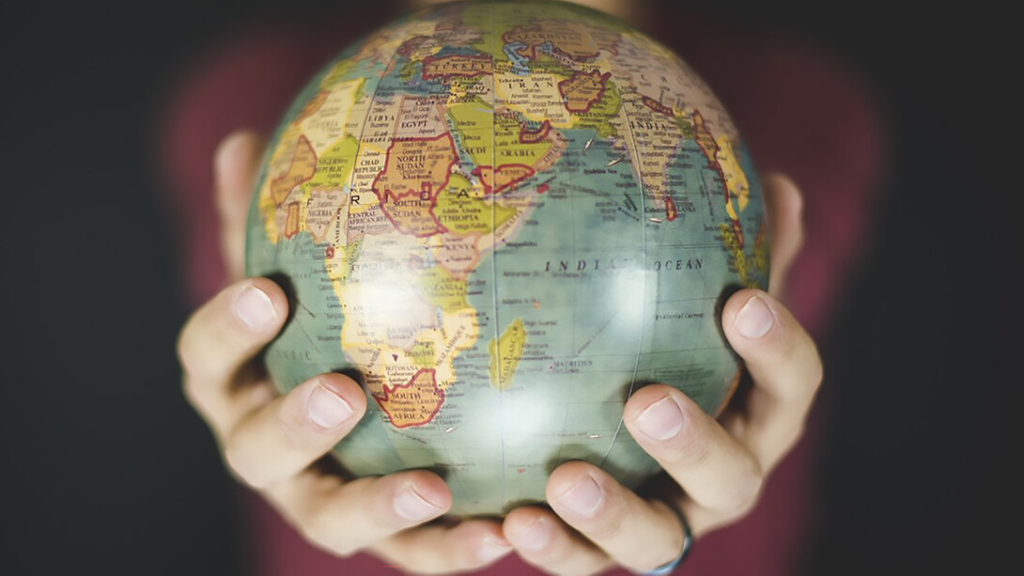

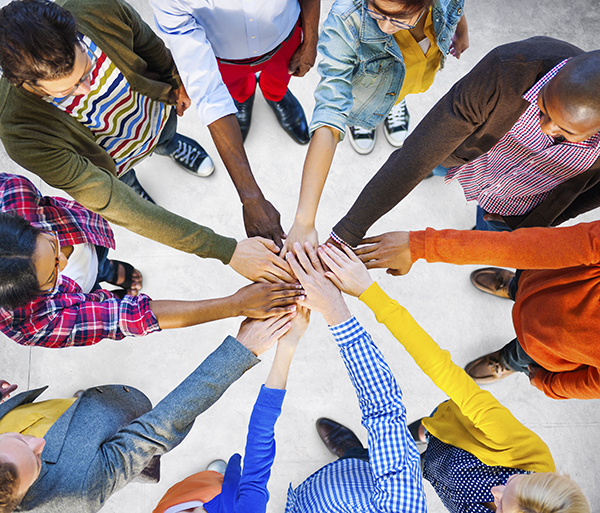
Culture refers to the shared beliefs, customs, traditions, languages, values, and behaviors that characterize a group of people. It influences every aspect of daily life, from social interactions and celebrations to education and decision-making. Culture provides individuals with a sense of identity and helps define how communities function.
A community is a group of people who share common interests, values, goals, or geographical locations. Communities can exist within neighborhoods, cities, organizations, schools, and even online spaces. While communities may differ in size and structure, they all rely on social connections and shared experiences to thrive.
The relationship between culture and community is deeply interconnected. Culture shapes community values, while communities help preserve and pass culture from one generation to the next. Together, they create a sense of belonging that strengthens social bonds and encourages cooperation.
Culture Creates a Sense of Identity



One of the most important roles of culture is its ability to create a shared identity among community members. People often feel connected to others who share similar traditions, beliefs, and values. This sense of identity fosters pride and encourages individuals to actively participate in community life.
Shared cultural experiences provide a foundation for social cohesion. Festivals, ceremonies, local traditions, and cultural celebrations remind people of their common heritage and strengthen their emotional connection to the community. These experiences help individuals understand where they come from and how they fit within a larger social group.
A strong sense of identity contributes to community stability. When people feel connected to their culture and community, they are more likely to support local initiatives, engage in volunteer activities, and contribute to collective well-being.
Promoting Social Unity and Cooperation

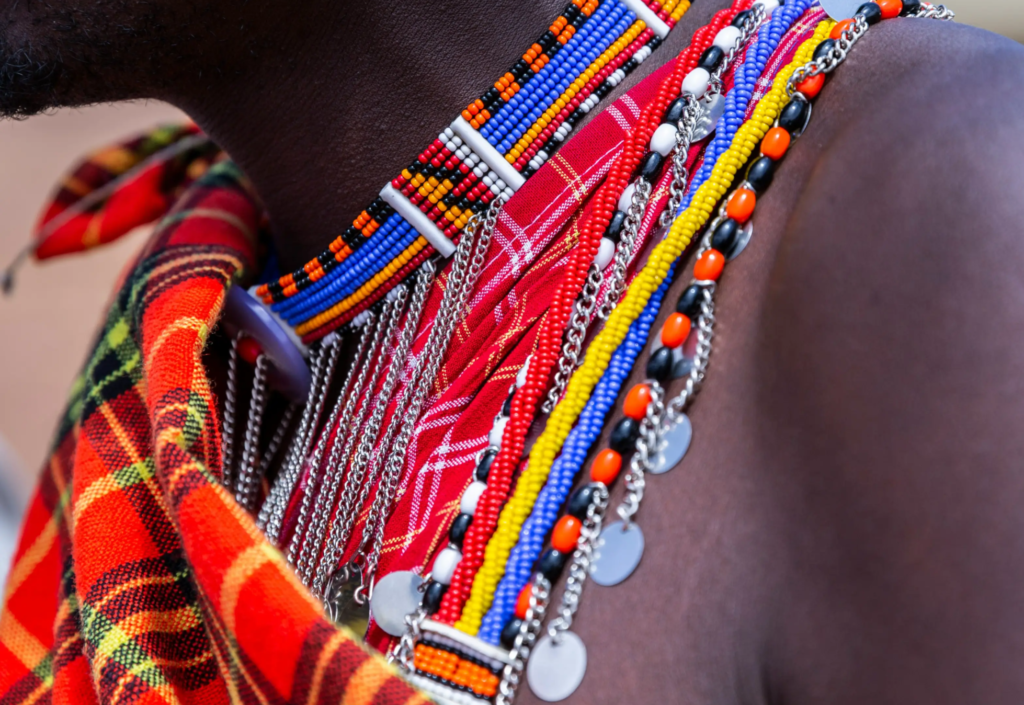
Culture plays a significant role in promoting social unity by encouraging shared values and common goals. Communities often rely on cultural principles such as respect, responsibility, kindness, and cooperation to maintain harmony and social order.
When individuals share cultural values, they are more likely to trust one another and work together to address challenges. This trust forms the basis of strong social relationships and effective collaboration. Communities with strong cultural foundations often demonstrate higher levels of civic engagement and mutual support.
Cultural traditions also provide opportunities for people to come together and strengthen relationships. Community gatherings, festivals, and celebrations encourage interaction among residents and create a sense of togetherness. These events help build friendships, reduce social isolation, and foster a spirit of cooperation.
Preserving Traditions and Heritage

Culture serves as a bridge between the past and the future. Through traditions, stories, language, music, and customs, communities preserve their heritage and pass it on to future generations. This preservation helps maintain continuity and ensures that valuable cultural knowledge is not lost over time.
Traditional practices often reflect the history and experiences of a community. They provide insights into how previous generations lived, solved problems, and celebrated important milestones. By preserving these traditions, communities maintain a connection to their roots and strengthen their collective identity.
Cultural heritage also contributes to community pride. People are often inspired by the achievements and traditions of their ancestors, which motivates them to protect and celebrate their cultural legacy. This sense of pride can unite community members and encourage them to work together toward shared goals.
Encouraging Diversity and Inclusion

Modern communities are becoming increasingly diverse due to globalization, migration, and cultural exchange. While diversity can present challenges, it also creates opportunities for learning, innovation, and social growth. Culture plays a crucial role in helping communities embrace diversity while maintaining unity.
A culturally inclusive community values different perspectives and encourages mutual respect. By learning about and appreciating various cultural traditions, people develop greater empathy and understanding. This reduces prejudice and promotes positive relationships among individuals from different backgrounds.
Communities that celebrate diversity often experience greater creativity and resilience. Exposure to different ideas and experiences encourages problem-solving and innovation. When people feel respected and included, they are more likely to contribute their talents and participate actively in community life.
Strengthening Communication and Understanding

Effective communication is essential for building strong communities, and culture significantly influences how people communicate. Shared cultural norms and values provide a common framework for understanding and interaction.
Cultural activities often create opportunities for dialogue and exchange. Through storytelling, art, music, and community events, individuals can share experiences and learn from one another. These interactions help bridge differences and strengthen social connections.
Understanding cultural differences is particularly important in diverse communities. When individuals take the time to learn about other cultures, they become better equipped to communicate respectfully and effectively. This promotes cooperation and reduces the likelihood of misunderstandings or conflicts.
Supporting Community Development


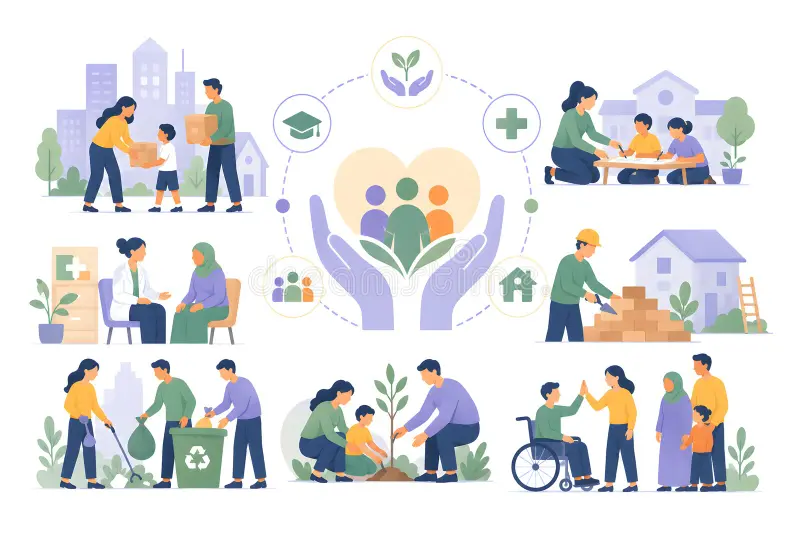
Culture contributes to community development by inspiring collective action and encouraging social participation. Communities with strong cultural foundations often demonstrate greater commitment to improving local conditions and supporting community initiatives.
Cultural institutions such as museums, libraries, community centers, and cultural organizations provide spaces for education, creativity, and social engagement. These institutions help preserve cultural heritage while promoting learning and collaboration.
Cultural events can also stimulate local economies by attracting visitors, supporting businesses, and creating employment opportunities. Festivals, exhibitions, and cultural celebrations generate economic activity while strengthening community identity.
By encouraging participation and engagement, culture helps communities develop the social capital needed to achieve long-term growth and sustainability.
Building Resilience During Difficult Times
Strong communities are often characterized by their ability to overcome challenges and adapt to change. Culture plays an important role in building resilience by providing emotional support, shared values, and a sense of purpose during difficult times.
During periods of crisis, cultural traditions and community networks offer comfort and stability. Shared rituals, celebrations, and support systems help people cope with uncertainty and maintain hope. Communities that are culturally connected are often better equipped to recover from natural disasters, economic hardships, and social challenges.
The sense of belonging created by culture encourages individuals to support one another during difficult circumstances. This collective strength contributes to community resilience and long-term well-being.
The Impact of Technology on Community Culture

Technology has transformed how communities interact and share culture. Social media, online platforms, and digital communication tools allow people to connect across geographic boundaries and participate in cultural experiences from anywhere in the world.
Digital technology has made it easier to preserve and promote cultural heritage. Communities can document traditions, share stories, and showcase cultural achievements to global audiences. This increased visibility helps protect cultural practices and encourages cultural exchange.
At the same time, technology presents challenges related to cultural preservation. Rapid access to global influences can sometimes overshadow local traditions. Communities must find ways to embrace technological innovation while maintaining their unique cultural identities.
The Future of Culture in Community Building
As societies continue to evolve, culture will remain a fundamental component of strong communities. Future communities will likely become even more diverse and interconnected, making cultural understanding increasingly important.
Education, cultural exchange, and community engagement will play essential roles in fostering social cohesion and inclusion. By promoting respect for cultural differences while preserving shared values, communities can create environments where everyone feels valued and connected.
Technology will continue to influence cultural development, offering new opportunities for collaboration and cultural preservation. Communities that successfully balance innovation with tradition will be well-positioned to thrive in a rapidly changing world.
Conclusion
Culture is the foundation upon which strong communities are built. It creates a sense of identity, promotes social unity, preserves heritage, encourages inclusion, and strengthens communication. Through shared values and traditions, culture brings people together and inspires collective action for the common good.
FAQs
1. Why is culture important in building communities?
Culture creates shared values, identity, and connections that strengthen social bonds within communities.
2. How does culture promote unity?
Culture encourages cooperation, mutual respect, and a sense of belonging among community members.
3. What role does cultural diversity play in communities?
Cultural diversity brings new perspectives, creativity, and opportunities for learning and growth.
4. How can communities preserve their culture?
Communities can preserve culture through education, traditions, festivals, and cultural organizations.
5. How does culture help communities during difficult times?
Culture provides emotional support, strengthens relationships, and encourages collective resilience during challenges.