
Science has always been humanity’s most powerful tool for understanding the universe. Throughout history, scientific discoveries have transformed the way people view the world, solve problems, and improve their quality of life. From uncovering the laws of motion to decoding the human genome, each breakthrough has expanded the boundaries of knowledge and opened new possibilities for future generations.
Today, scientific research is advancing at an extraordinary pace. New technologies, improved research methods, and international collaboration are enabling scientists to make discoveries that were once considered impossible. These findings are not only deepening our understanding of the natural world but are also influencing healthcare, environmental protection, space exploration, and technology.
The Rapid Evolution of Scientific Research
Scientific research has evolved dramatically over the past few decades. Advanced computing systems, artificial intelligence, and sophisticated laboratory equipment have accelerated the pace of discovery. Scientists can now analyze vast amounts of data in a fraction of the time previously required.
Global collaboration has also become a major factor in scientific progress. Researchers from different countries can share information instantly, allowing teams to work together on complex projects. This collaborative approach has led to breakthroughs in medicine, climate science, astronomy, and many other fields.
As technology continues to improve, the ability to explore previously unknown areas of science becomes increasingly possible, leading to discoveries that challenge long-standing assumptions.
New Insights into the Human Brain

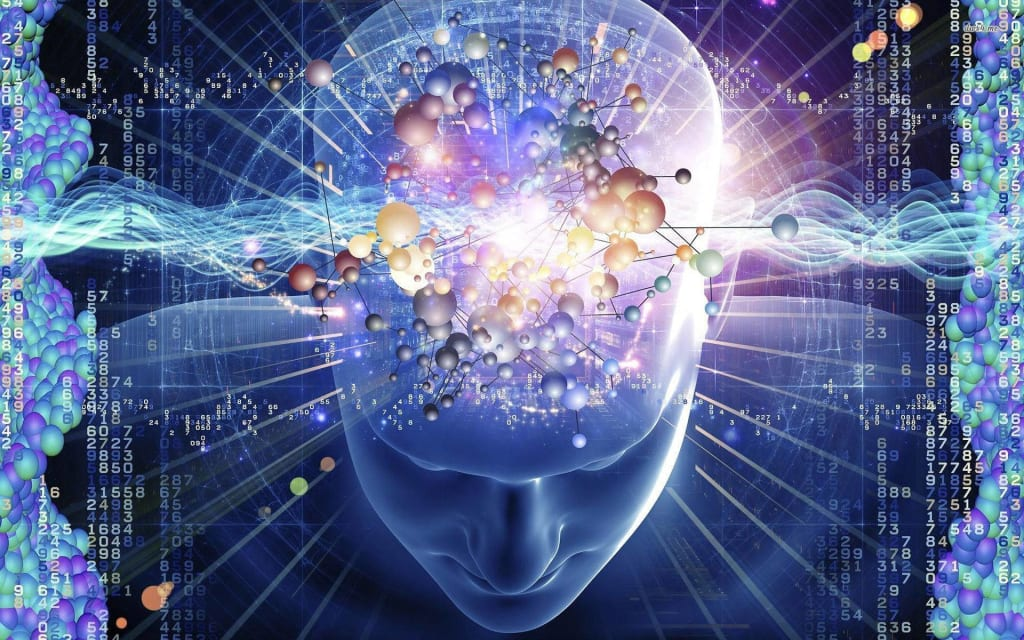
The human brain remains one of the most complex structures in the known universe. Recent scientific discoveries have provided valuable insights into how the brain functions, learns, and adapts.
Researchers have discovered that the brain possesses a remarkable ability known as neuroplasticity. This means that the brain can reorganize itself by forming new neural connections throughout life. This discovery has changed the traditional belief that the brain becomes fixed after childhood.
Scientists are also making progress in understanding neurological disorders such as Alzheimer’s disease, Parkinson’s disease, and epilepsy. Advanced brain imaging technologies allow researchers to observe brain activity in real time, leading to more accurate diagnoses and improved treatments.
These discoveries are helping medical professionals develop therapies that may improve the lives of millions of people worldwide.
Breakthroughs in Genetics and Human Health
One of the most significant scientific advancements of recent years involves genetics. The study of genes has transformed modern medicine and provided new understanding of human health.
Gene-editing technologies have enabled scientists to modify DNA with unprecedented precision. Researchers are exploring ways to treat inherited diseases by correcting genetic mutations responsible for various conditions.
Personalized medicine is another major development. Instead of applying the same treatment to every patient, doctors can now use genetic information to design treatments tailored to an individual’s unique genetic makeup. This approach improves effectiveness and reduces unwanted side effects.
Genetic research is also helping scientists understand the origins of diseases, paving the way for preventive healthcare strategies that could significantly improve public health outcomes.
Discoveries in Space Exploration
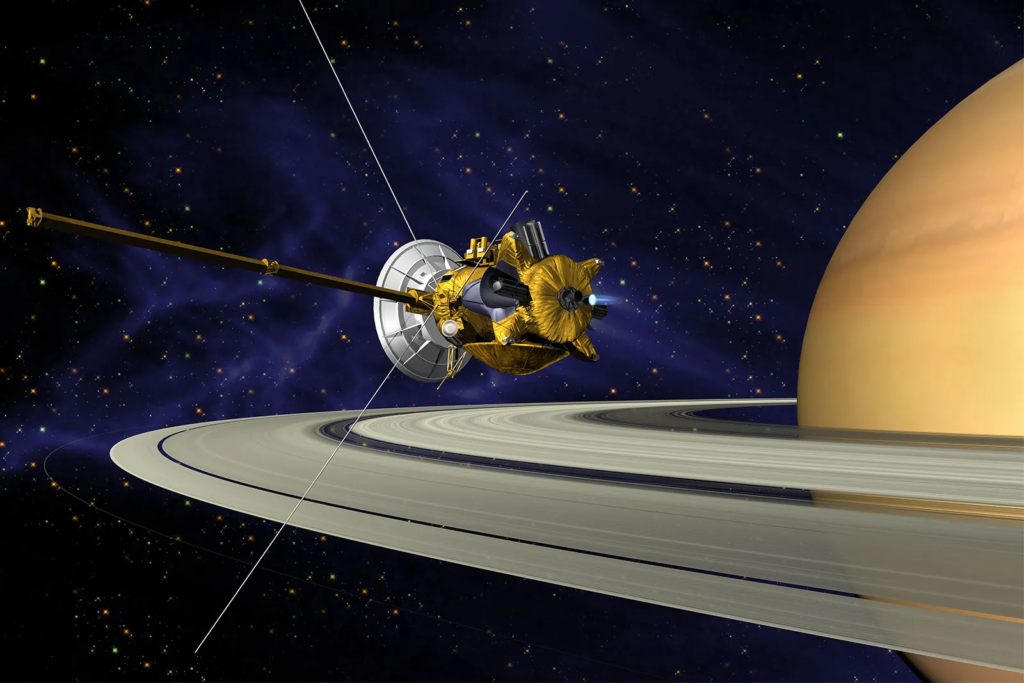

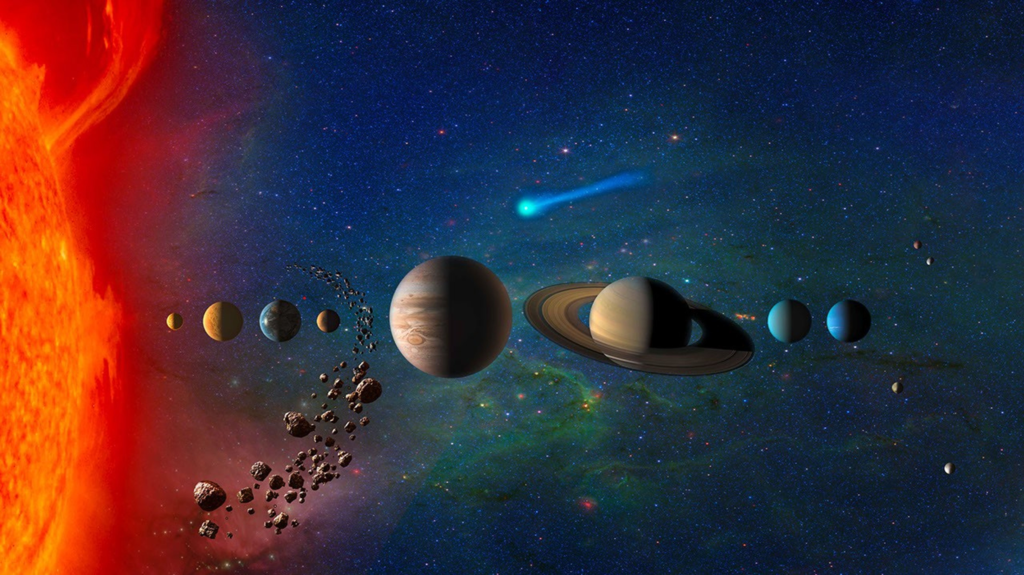
Space exploration continues to reveal fascinating information about the universe. Modern telescopes and space missions have expanded humanity’s knowledge of distant planets, stars, and galaxies.
Scientists have identified thousands of planets outside our solar system, known as exoplanets. Some of these planets exist within regions where conditions may support liquid water, increasing the possibility of discovering extraterrestrial life.
Research into black holes has also provided remarkable insights. Scientists have captured images of black holes and studied their behavior, helping to validate theories about gravity and spacetime.
Exploration missions continue to gather information about Mars, the Moon, and other celestial bodies. These discoveries may eventually support future human exploration beyond Earth and deepen our understanding of the cosmos.
Understanding Climate Change More Clearly

Climate science has experienced significant advancements in recent years. Improved data collection methods and sophisticated climate models have enhanced our understanding of how Earth’s climate system functions.
Researchers have identified stronger connections between human activities and global temperature increases. Studies continue to provide evidence regarding the impact of greenhouse gas emissions on weather patterns, sea levels, and ecosystems.
Scientific discoveries have also highlighted the importance of preserving biodiversity and protecting natural habitats. Understanding environmental changes allows governments and organizations to develop strategies for reducing risks and promoting sustainability.
As climate challenges continue to grow, scientific research remains essential for developing effective solutions and guiding policy decisions.
Artificial intelligence is not only a technological breakthrough but also a powerful scientific tool. AI systems are helping researchers process enormous datasets, identify patterns, and accelerate discoveries across multiple disciplines.
In healthcare, AI assists scientists in analyzing medical images, predicting disease progression, and identifying potential treatments. In astronomy, artificial intelligence helps researchers detect distant celestial objects and analyze complex astronomical data.
AI is also being used in chemistry and materials science to discover new compounds and develop innovative materials with unique properties. These applications demonstrate how technology and science can work together to accelerate progress.
The integration of AI into scientific research is expected to continue transforming the way discoveries are made in the future.
Advances in Renewable Energy
The search for sustainable energy solutions has led to significant scientific breakthroughs in renewable energy technologies. Researchers are developing more efficient solar panels, wind turbines, and energy storage systems.
Improved battery technology is helping address one of the biggest challenges associated with renewable energy: storing power for use when sunlight or wind is unavailable. Scientists are exploring new materials and designs that could dramatically increase battery performance.
Advancements in clean energy technologies are reducing dependence on fossil fuels and supporting efforts to combat climate change. These discoveries are critical for building a more sustainable future while meeting growing global energy demands.
The Discovery of New Species

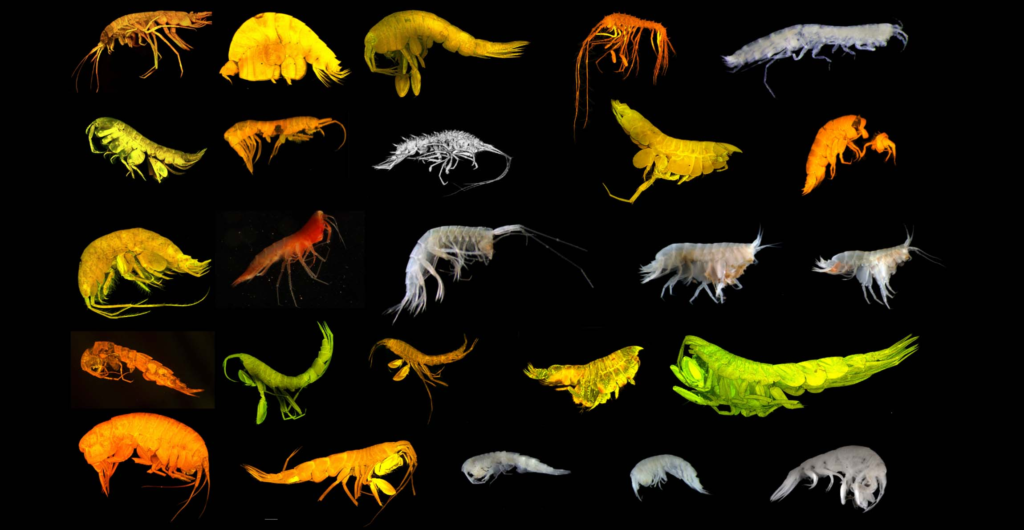

Despite centuries of exploration, scientists continue to discover new species of plants, animals, and microorganisms. Many of these discoveries occur in remote environments such as deep oceans, rainforests, and underground ecosystems.
The identification of new species contributes to our understanding of biodiversity and ecosystem health. It also highlights how much remains unknown about life on Earth.
Studying newly discovered organisms can lead to important applications in medicine, agriculture, and environmental science. Some species contain unique compounds that may be useful in developing new drugs or industrial products.
The ongoing discovery of life forms demonstrates that Earth still holds many scientific mysteries waiting to be explored.
Quantum Science and the Future of Computing
Quantum science is opening new frontiers in technology and physics. Quantum computers operate using principles that differ fundamentally from traditional computers.
Unlike conventional systems that process information using binary digits, quantum computers use quantum bits that can represent multiple states simultaneously. This capability allows them to solve certain complex problems much faster than traditional machines.
Researchers believe quantum computing could revolutionize fields such as cryptography, materials science, financial modeling, and drug development.
Although practical quantum computers are still under development, scientific progress in this field continues to generate excitement about future possibilities.
Understanding the Origins of the Universe

Scientists continue to investigate one of humanity’s oldest questions: How did the universe begin? Advances in astronomy and physics are providing new clues about the origins and evolution of the cosmos.
Observations of distant galaxies help researchers study conditions that existed billions of years ago. Advanced instruments allow scientists to detect faint signals from the early universe, improving understanding of cosmic evolution.
The study of dark matter and dark energy remains one of the most intriguing areas of modern science. Although these mysterious components appear to make up most of the universe, their true nature remains unknown.
Continued research may eventually reveal answers to some of the most profound questions about existence itself.
The Impact of Scientific Discoveries on Society
Scientific discoveries influence nearly every aspect of modern life. Advances in medicine improve health outcomes, technological innovations increase productivity, and environmental research helps protect natural resources.
Science also drives economic growth by creating new industries and generating employment opportunities. Breakthroughs often lead to products and services that improve living standards and address societal challenges.
Perhaps most importantly, scientific discoveries inspire curiosity and encourage critical thinking. They remind humanity that there is always more to learn and explore.
As knowledge expands, society becomes better equipped to solve complex problems and build a more prosperous future.