
Technology has become one of the most powerful drivers of economic development in the modern world. From the invention of the steam engine during the Industrial Revolution to the rise of artificial intelligence and cloud computing today, technological advancements have consistently transformed economies and improved living standards. In the twenty-first century, technology is no longer just a supporting tool for businesses and governments; it has become a central pillar of economic growth, productivity, innovation, and global competitiveness.
Modern economies depend heavily on technological infrastructure, digital communication, automation, and data-driven decision-making. Countries that invest in technology often experience higher productivity levels, stronger industries, improved public services, and increased employment opportunities. Technology enables businesses to operate more efficiently, reach wider markets, and create innovative products and services that contribute to overall economic prosperity.
This article explores the role of technology in modern economic development, highlighting its impact on productivity, employment, globalization, education, healthcare, and sustainable growth.
Understanding Economic Development
Economic development refers to the process through which a nation improves the economic, political, and social well-being of its citizens. It involves more than simply increasing national income. True economic development includes improvements in infrastructure, education, healthcare, employment opportunities, and quality of life.
Technology plays a critical role in achieving these goals by helping societies use resources more efficiently and create new opportunities for growth. Technological innovation can transform industries, improve communication, and solve complex challenges that limit economic progress.
Technology as a Driver of Productivity Growth


Productivity is one of the most important factors influencing economic development. It measures how efficiently goods and services are produced using available resources. Technological advancements allow businesses to produce more output with the same or fewer inputs.
Automation, robotics, and advanced software systems have significantly improved productivity across various sectors. Manufacturing industries now use automated machines that perform repetitive tasks faster and more accurately than humans. This reduces production costs and increases output.
Similarly, digital tools help organizations manage operations efficiently. Businesses can analyze large amounts of data, optimize supply chains, and improve customer service through technology. Higher productivity leads to increased profits, economic expansion, and improved living standards.
The Rise of the Digital Economy
The digital economy has become a major component of modern economic development. It includes economic activities that rely on digital technologies such as the internet, mobile devices, cloud computing, and online platforms.
E-commerce has transformed the way businesses operate and consumers shop. Companies can now sell products globally through online marketplaces, reducing geographical barriers and expanding market access. Small businesses, which previously struggled to reach customers beyond their local communities, can now compete in international markets.
Digital payment systems have also revolutionized financial transactions. Mobile banking, online wallets, and digital payment platforms make financial services more accessible, particularly in developing countries where traditional banking infrastructure may be limited.
The growth of the digital economy generates employment, attracts investment, and contributes significantly to national economic output.
Innovation and Entrepreneurship

Technology encourages innovation, which is essential for long-term economic growth. Innovative products, services, and business models create new industries and transform existing ones.
Entrepreneurs use technology to identify market opportunities, develop solutions, and launch businesses with relatively low startup costs. Software development, mobile applications, digital marketing, and online education platforms are examples of technology-driven industries that have emerged in recent years.
Startups often become major contributors to economic development by creating jobs, attracting investments, and stimulating competition. Successful technology companies can have a significant impact on national economies by generating revenue and expanding global influence.
Governments and private investors increasingly support technology startups because they recognize their potential to drive future economic growth.
Technology and Employment

The growth of information technology, cybersecurity, artificial intelligence, software engineering, digital marketing, and data analytics has generated millions of jobs worldwide. As industries adopt new technologies, workers acquire new skills and transition into emerging occupations.
The relationship between technology and employment is complex. While automation can replace certain repetitive jobs, technology also creates new employment opportunities that did not previously exist.
Remote work has become another significant technological development. Digital communication platforms allow employees to work from different locations, expanding employment opportunities and reducing geographical limitations.
To maximize the benefits of technological change, governments and educational institutions must invest in workforce training and skill development programs that prepare individuals for technology-driven careers.
Globalization and International Trade
Technology has accelerated globalization by making communication and transportation faster, cheaper, and more efficient. Businesses can now collaborate with partners, suppliers, and customers across the globe in real time.
Advanced logistics systems, digital communication tools, and online marketplaces have expanded international trade opportunities. Companies can source materials from different countries, manufacture products efficiently, and sell them in global markets.
Technology has also improved access to information, enabling businesses to understand foreign markets and adapt their strategies accordingly. As international trade grows, countries benefit from increased exports, foreign investment, and economic integration.
Developing nations can leverage technology to participate more actively in the global economy and reduce economic disparities.
Improving Education and Human Capital


Education is a fundamental component of economic development, and technology has transformed the way people learn and acquire skills.
Online learning platforms provide access to educational resources regardless of location. Students can enroll in courses, attend virtual classrooms, and access digital libraries from anywhere in the world. This increases educational opportunities and helps build a skilled workforce.
Technology also supports personalized learning experiences through adaptive educational software. These systems identify individual learning needs and provide customized content to improve outcomes.
A well-educated population contributes to economic growth by increasing productivity, fostering innovation, and attracting investment. As technology continues to reshape industries, continuous learning becomes increasingly important for economic success.
Technology in Healthcare and Economic Growth
A healthy population is essential for sustainable economic development. Technology has significantly improved healthcare services, leading to better health outcomes and increased workforce productivity.
Medical technologies such as diagnostic imaging, telemedicine, electronic health records, and artificial intelligence assist healthcare professionals in providing more effective treatments. Telemedicine, in particular, has expanded access to healthcare services in rural and underserved areas.
Improved healthcare reduces disease burdens, decreases absenteeism, and enhances overall quality of life. Healthy individuals are more productive and contribute more effectively to economic activities.
Investments in healthcare technology not only improve public health but also create opportunities for economic growth through medical research, biotechnology, and healthcare innovation.
Infrastructure Development Through Technology


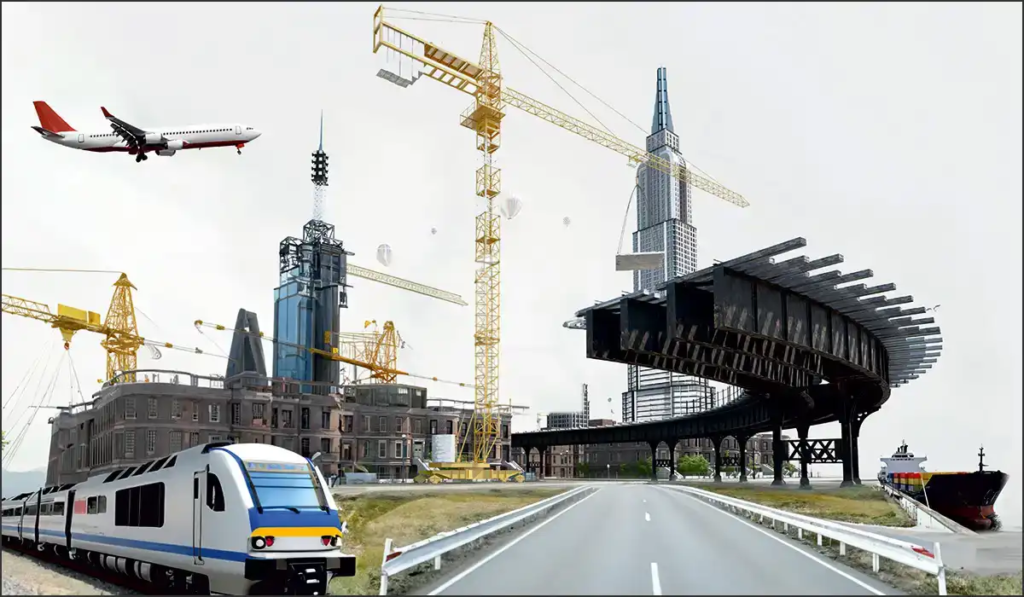
Modern infrastructure is increasingly dependent on technological innovation. Smart cities, intelligent transportation systems, renewable energy networks, and advanced communication technologies contribute to economic development.
Digital infrastructure, including high-speed internet and telecommunications networks, enables businesses to operate efficiently and supports the growth of the digital economy. Reliable internet connectivity has become as important as traditional infrastructure such as roads and electricity.
Technology also improves energy efficiency and resource management. Smart grids, renewable energy technologies, and environmental monitoring systems help countries achieve sustainable development goals while supporting economic growth.
Strong technological infrastructure attracts investment and enhances national competitiveness.
Challenges and Risks



Despite its many benefits, technology also presents challenges that must be addressed. One major concern is the digital divide, which refers to unequal access to technology and internet services. Individuals and communities without access to digital resources may struggle to participate fully in modern economic activities.
Cybersecurity threats represent another challenge. As economies become more digitized, protecting sensitive information and critical infrastructure becomes increasingly important.
Automation may also lead to job displacement in certain sectors. Policymakers must implement strategies that support workforce transition and skill development to ensure that technological progress benefits society as a whole.
Addressing these challenges requires collaboration among governments, businesses, educational institutions, and civil society organizations.
The Future of Technology and Economic Development
Emerging technologies such as artificial intelligence, blockchain, quantum computing, biotechnology, and advanced robotics are expected to play an even greater role in future economic development.
Artificial intelligence can enhance productivity, improve decision-making, and create innovative solutions across industries. Blockchain technology may increase transparency and efficiency in financial systems and supply chains.
As technological innovation continues to accelerate, countries that invest in research, education, and digital infrastructure will be better positioned to achieve sustainable economic growth and maintain global competitiveness.
The future economy will increasingly depend on knowledge, innovation, and technological capabilities.
Conclusion
Technology has become one of the most influential forces shaping modern economic development. It drives productivity, supports innovation, expands global trade, improves education and healthcare, and creates new opportunities for businesses and individuals. The digital economy continues to transform traditional industries while opening pathways for entrepreneurship and sustainable growth.
Although challenges such as cybersecurity risks, job displacement, and digital inequality remain, the overall impact of technology on economic development has been overwhelmingly positive. Nations that embrace technological innovation and invest in human capital are more likely to achieve long-term prosperity and economic resilience.
As the world moves toward an increasingly digital future, technology will continue to serve as a key catalyst for economic progress and improved quality of life.
FAQ’s
1. What is the role of technology in economic development?
Technology improves productivity, promotes innovation, creates jobs, enhances education and healthcare, and supports overall economic growth.
2. How does technology increase productivity?
Technology enables automation, efficient resource management, faster communication, and data-driven decision-making, helping businesses produce more with fewer resources.
3. What is the digital economy?
The digital economy includes economic activities that rely on digital technologies such as the internet, online platforms, e-commerce, and digital payment systems.
4. Can technology create employment opportunities?
Yes. While some jobs may be automated, technology also creates new careers in fields such as software development, cybersecurity, artificial intelligence, and digital marketing.
5. Why is technology important for future economic growth?
Emerging technologies such as artificial intelligence, blockchain, and advanced robotics have the potential to increase efficiency, stimulate innovation, and drive sustainable economic development in the future.