
The word “wellness” gets tossed around constantly these days, often conjuring images of expensive spa weekends, high-tech gadgets, or pristine homes that look more like art museums than places where people actually live. But strip away the marketing, and the core concept of home wellness is disarmingly simple: your living space should be a place that restores you. It ought to be a quiet, comfortable retreat that supports your physical health, calms your mind, and gives you a soft place to land after a demanding day.
The best part? You don’t need an enormous budget, a team of contractors, or a total interior overhaul to make your home feel good. By focusing on fundamental human needs—deep sleep, clean air, pure water, balanced light, and quiet moments—you can make your existing living space work significantly harder for your overall well-being. Here are ten practical, straightforward strategies to turn your home into a personal sanctuary.
Reclaim Your Bedroom for Deep Sleep
Most adults simply are not getting the seven to eight hours of restful sleep required for optimal mental clarity and physical recovery. While lifestyle habits certainly play a role, your environment is often the silent culprit behind restless nights. If you consistently struggle to drift off or find yourself waking up throughout the night, giving your bedroom a sleep-focused makeover is the single best investment you can make.
Start by tackling light pollution, which actively suppresses your body’s melatonin production. Install heavy blackout curtains or thermal drapes to block out intrusive streetlights, glaring security lights, and passing car headlights. Once the windows are covered, turn your attention inside the room. Unplug or cover up the tiny, aggressive blue and green LED indicator lights on phone chargers, alarm clocks, air units, and hall outlets.
Equally important is managing your exposure to screens. The blue light emitted by smartphones, tablets, and televisions tricks your brain into believing it is still middle of the afternoon, delaying your natural sleep cycle. Aim to shut off all electronic devices at least an hour before bedtime, replacing screen time with a book or quiet conversation. Finally, audit what you sleep on. Swap out synthetic polyester sheets for breathable, natural textiles like organic cotton, linen, or bamboo, and ensure your mattress provides genuine support for your spine.
Bring Nature Indoors with Air-Purifying Plants
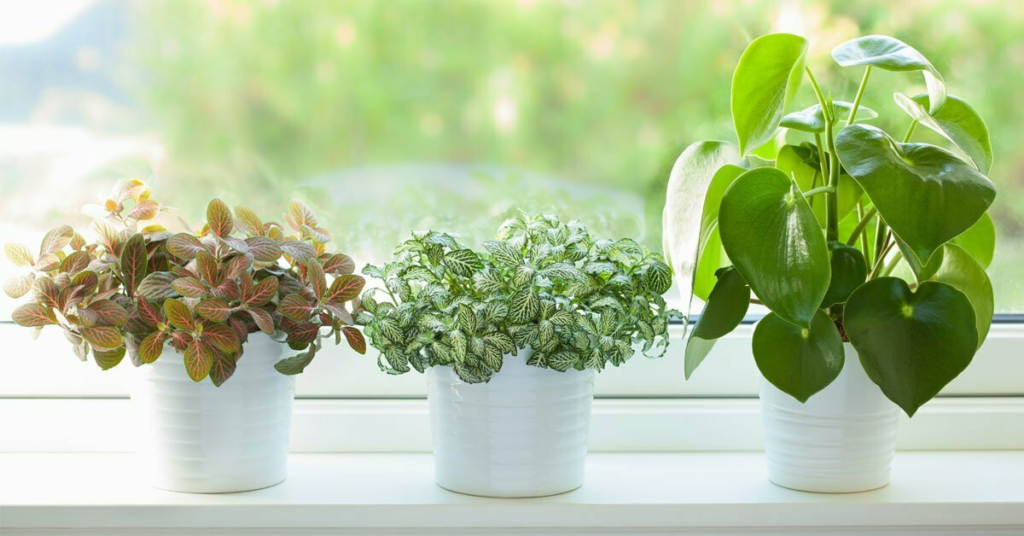
In modern homes, synthetic materials, paints, furniture adhesives, and everyday dust can cause indoor air to become surprisingly stale. Bringing living plants into your space is one of the simplest, most enjoyable ways to refresh your indoor environment while adding texture and vibrant visual warmth.
Plants naturally absorb carbon dioxide and release fresh oxygen, but certain varieties go a step further by filtering out trace airborne compounds. Popular, low-maintenance options like snake plants, peace lilies, pothos, and spider plants thrive indoors and act as natural micro-filters. For those looking to make a striking design statement, a vertical plant wall or a clustered plant shelf can turn an empty wall into an active feature of natural greenery.
If you share your home with curious pets or young children, always double-check plant safety before bringing a new specimen home. Varieties like peace lilies and certain philodendrons can cause digestive upset if chewed on, so keep toxic plants on high shelves or opt for pet-safe alternatives like Boston ferns, peperomia, or parlor palms.
Upgrade Your Indoor Air with a True HEPA Purifier
While houseplants do a lovely job of bringing life and subtle air filtration into a room, an electronic air purifier is what truly elevates indoor air quality to medical-grade standards. This is especially vital if you live in a dense urban environment, suffer from seasonal pollen allergies, keep furry pets, or live in an area prone to seasonal wildfire smoke.
When shopping for an air purifier, look specifically for units built with a True HEPA filter. Unlike standard synthetic filters, True HEPA filters trap at least 99.97% of airborne particles down to 0.3 microns in size—including fine dust, pet dander, mold spores, and smoke particles.
Pay close attention to the Clean Air Delivery Rate (CADR) and recommended room sizing listed on the machine. Placing a small desktop purifier in a wide-open, open-concept living area will yield minimal results. If you have a large living space, you will get far better airflow by using two medium-sized purifiers placed at opposite ends of the room rather than relying on a single unit tucked in a corner.
Adopt a Dynamic Workspace with a Standing Desk
Modern life requires many of us to spend long hours working at a computer, and by now, we have all heard the warnings about the health risks associated with sitting all day. However, forcing yourself to stand for eight hours straight isn’t a silver bullet either—standing in one place for extended periods can place excess pressure on your lower back, knees, and feet.
The healthiest approach is movement and variety. Setting up a bi-level workspace allows you to shift positions dynamically throughout the workday. An adjustable electric standing desk or a simple manual desktop converter lets you seamlessly transition between sitting and standing whenever your body signals that it needs a change.
Try working in alternating blocks: stand during morning meetings or quick email sweeps, sit during focused writing or detailed analytical tasks, and step away to stretch every hour. This simple rhythm keeps your circulation active, improves your energy levels, and reduces physical fatigue by the time the workday wraps up.
Simplify Your Routine with Natural Cleaning Products

We often rely on heavy-duty commercial cleaners under the assumption that strong chemical smells equal a clean home. However, many conventional sprays release volatile organic compounds (VOCs) and synthetic fragrances that linger in the air long after you finish wiping down the counter, irritating sensitive lungs and skin.
For daily maintenance and surface wiping, heavy chemicals are rarely necessary. You can clean almost your entire home effectively and affordably using simple, non-toxic ingredients found in most pantry cupboards:
- All-Purpose Surface Cleaner: Combine equal parts white distilled water and white vinegar in a clean spray bottle. Used with a reusable microfiber cloth, this mixture easily cuts through grime on glass, mirrors, chrome fixtures, and ceramic tile.
- Gentle Stone Countertop Spray: Because acidic vinegar can dull natural stone, clean granite, marble, or quartz using a mixture of warm water, a few ounces of rubbing alcohol, and a few drops of liquid Castile soap. Add lavender or eucalyptus essential oil for a fresh, natural scent.
- Natural Appliance Polish: Clean stainless steel surfaces with a damp cloth first, then apply a tiny drop of coconut oil or olive oil to a soft microfiber rag. Buffing it gently along the grain leaves appliances shining without chemical residue.
Rethink Your Home’s Water Quality
Water is the body’s primary fuel, yet municipal tap water often carries a heavy taste of chlorine, mineral scale, or chemical treatment byproducts. If you have been relying on a slow, low-capacity pitcher filter sitting in the back of your refrigerator, upgrading your water system can make staying hydrated infinitely more pleasant.
Installing an under-sink reverse osmosis system or an active-carbon countertop filter provides clean, crisp drinking water on demand without generating endless plastic waste from single-use bottles.
Don’t limit your water filtration thoughts to the kitchen, either. Hard water and excess chlorine in shower water can strip your skin and scalp of natural oils, leading to chronic dryness, irritation, and brittle hair. Attaching an inexpensive, multi-stage filter to your showerhead neutralizes harsh minerals, leaving your skin feeling noticeably softer after every bath.
Organize Your Kitchen Around Whole-Food Habits


The layout and organization of your kitchen subtly guide your daily eating choices. When healthy ingredients are hidden away behind solid cabinet doors while processed snacks sit out on the counter, making good choices requires constant willpower. Flipping that layout makes healthy living feel completely effortless.
Start by making fresh foods visually appealing and accessible. Keep a large, beautiful bowl filled with seasonal fruit on the main island or kitchen table where anyone can grab a quick snack on the go. If you have a sunny windowsill, set up a small indoor herb garden with basil, mint, and parsley to add instant flavor and fresh nutrients to weeknight meals.
Take time to reorganize your pantry using clear glass jars or transparent containers for bulk staples like oats, quinoa, brown rice, lentils, nuts, and seeds. When you can clearly see beautiful, wholesome ingredients sitting on your shelves, you are far more likely to cook with them instead of ordering takeout.
If you happen to be planning a larger kitchen remodel, prioritize health-conscious materials from the start: look for low-VOC cabinet finishes, formaldehyde-free plywood, and sustainable natural flooring like linoleum, cork, or FSC-certified hardwood.
Sync Your Home with Natural Light Cycles
Human physiology is deeply tied to the natural cycle of the sun. Getting adequate daylight during the morning and early afternoon helps regulate your circadian rhythm, boosts daytime alertness, and prevents vitamin D deficiencies.
Make a habit of opening your drapes and blinds wide as soon as you wake up to flood your home with natural sunlight. Keep windows clean to maximize light pass-through, and arrange seating—like a reading armchair or breakfast table—near natural light sources.
Just as important as morning daylight is evening darkness. Exposing yourself to harsh, bright overhead lighting in the hours leading up to bedtime sends mixed signals to your brain, disrupting the body’s natural wind-down process. As evening approaches, turn off bright central ceiling lights and switch to low, warm-toned floor lamps (aim for bulbs rated around 2700K or lower). Creating a soft, warm ambiance in the evening signals to your nervous system that it is time to slow down and prepare for rest.
Carve Out a Dedicated Unwinding Zon
In a busy household, finding a moment of absolute quiet can feel almost impossible unless you intentionally create space for it. Setting aside a dedicated unwinding spot—no matter how small—gives your mind a clear physical location associated strictly with relaxation, meditation, or quiet reflection.
Your relaxation zone does not need to be an entire room. It can be a quiet corner of your bedroom, a wide windowsill, an alcove under the stairs, or a sunny spot in a home office. Keep this space completely minimalist and free from daily clutter, work papers, and laundry piles.
Furnish the spot with simple, high-comfort items: a thick floor cushion, a soft woven throw blanket, dim lighting, and perhaps a small Bluetooth speaker for ambient music or guided meditation. If you live with family members or roommates, establish a gentle boundary—such as a closed door or a simple sign—to let others know you are taking fifteen minutes of undisturbed time to reset.
Design a Grounding Outdoor Connection

Connecting with nature is one of the most effective ways to lower cortisol levels and restore mental clarity. Author and Zen monk Shunmyo Masuno often writes about how tiny, intentional adjustments in our physical surroundings can foster a deep sense of inner calm. One of his key suggestions is establishing a personal spot where you can pause and observe the natural world daily.
You do not need a sprawling suburban garden or an elaborate backyard setup to put this into practice. Your outdoor connection might take the form of a meticulously arranged patio garden, a couple of potted plants arranged around a small solar water fountain on a condo balcony, or even a single flowering plant placed on a window ledge next to a comfortable chair.
The physical size of the space is secondary. What truly matters is creating an inviting spot that encourages you to step away from your screens, take a deep breath of fresh air, and simply be present in the moment.
FAQ’s
1. What is home wellness?
Home wellness means creating a clean, comfortable, organized, and relaxing environment that supports healthy everyday living.
2. How can I make my home healthier?
Keep rooms clean, improve ventilation, reduce clutter, use safe products, and maintain a comfortable indoor environment.
3. Does home organization improve wellness?
Yes. An organized home can make daily routines easier and create a more comfortable living environment.
4. How can I make my home more relaxing?
Use comfortable furniture, natural light, calming décor, good ventilation, and a clutter-free layout.
5. What are simple home wellness habits?
Clean regularly, open windows when appropriate, stay organized, maintain appliances, and create dedicated spaces for rest and relaxation.