
Global culture is evolving at an unprecedented pace, driven by rapid technological innovation, increased international connectivity, and changing social values. In 2026, people are more connected than ever through digital platforms, allowing ideas, traditions, art, music, fashion, and lifestyles to spread across borders within seconds. While cultural exchange has always existed, modern technology has accelerated this process, creating a world where diverse influences shape everyday life.
The future of global culture is not about replacing local traditions but about blending different perspectives to create more inclusive and interconnected societies. From artificial intelligence and social media to sustainable living and digital creativity, several emerging trends are transforming how people communicate, work, learn, and celebrate cultural diversity. Understanding these trends helps individuals, businesses, and communities prepare for a future where culture continues to evolve alongside technology.
Technology Continues to Shape Cultural Exchange
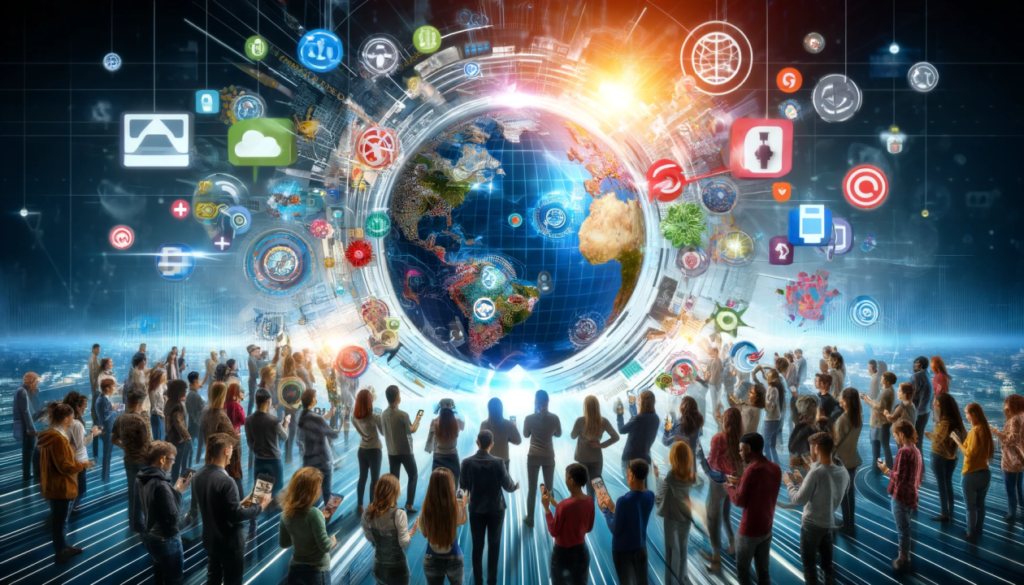
Technology remains one of the strongest forces influencing global culture. Social media platforms, video streaming services, and artificial intelligence allow people to discover new traditions, languages, and creative expressions from every corner of the world. Content creators now reach international audiences instantly, making cultural exchange faster and more accessible than ever before.
Digital communication has also strengthened collaboration between artists, educators, entrepreneurs, and organizations, encouraging innovation across different cultures.
The Growth of Digital Communities
Online communities have become important spaces for cultural interaction. People with shared interests can connect regardless of where they live, creating global networks based on hobbies, education, business, gaming, and creative arts.
These communities encourage learning, collaboration, and greater appreciation for different perspectives while breaking down geographical barriers.
Artificial Intelligence Is Influencing Creativity
Artificial intelligence is transforming creative industries by assisting with writing, graphic design, music production, filmmaking, and content creation. Rather than replacing human creativity, AI often supports creators by simplifying repetitive tasks and providing new ideas.
As AI becomes more accessible, creative collaboration between humans and technology is expected to become an important part of global culture.
Sustainable Living Is Becoming a Cultural Priority
Environmental awareness continues to influence cultural values worldwide. More people are adopting sustainable lifestyles by reducing waste, supporting ethical brands, choosing renewable energy, and embracing eco-friendly products.
Businesses and governments are also promoting sustainability through responsible manufacturing, green technology, and environmental education, making sustainability an important cultural movement.
Cultural Diversity Is Being Celebrated
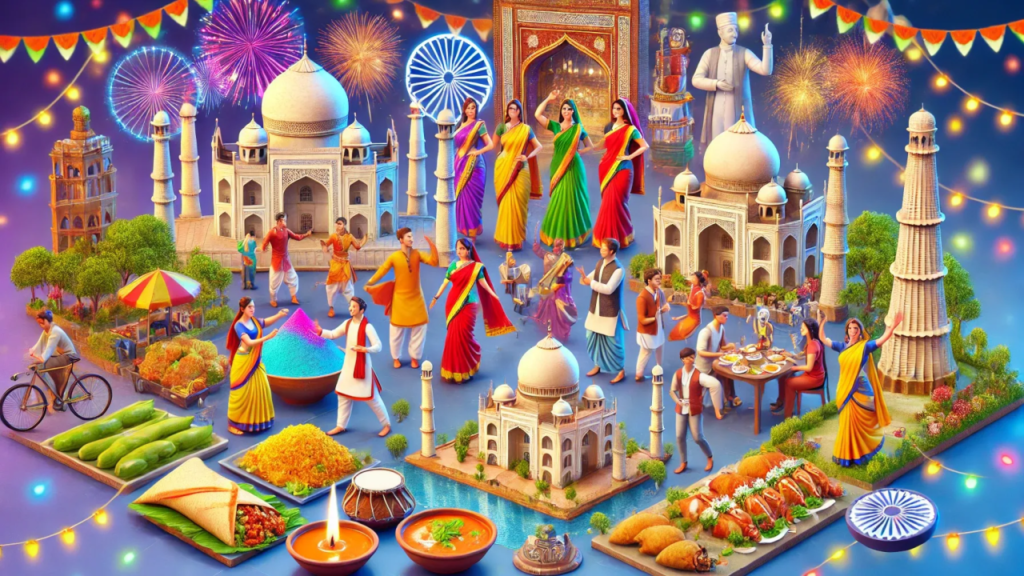
Globalization has increased appreciation for cultural diversity. International festivals, online education, travel experiences, and multicultural workplaces encourage people to understand and respect different customs, traditions, and beliefs.
Many organizations now recognize diversity as a strength that promotes innovation, creativity, and stronger communities.
Remote Work Is Changing Lifestyle and Work Culture
Remote and hybrid work models have transformed professional culture around the world. Employees collaborate across countries using cloud technology, video conferencing, and digital project management tools.
This global workforce encourages cultural understanding while giving businesses access to international talent and diverse perspectives.
Entertainment Is Becoming More Global
Movies, television series, music, and digital content now reach audiences worldwide through streaming platforms. Viewers regularly explore entertainment produced in different countries, leading to greater interest in international storytelling, languages, and artistic traditions.
This global accessibility has expanded opportunities for creators while exposing audiences to new cultural experiences.
Education Without Borders
Online education has made knowledge more accessible than ever before. Students can learn from universities, experts, and institutions located anywhere in the world without leaving home.
This accessibility promotes lifelong learning while encouraging greater understanding of global history, languages, and cultures.
Challenges Facing Global Culture
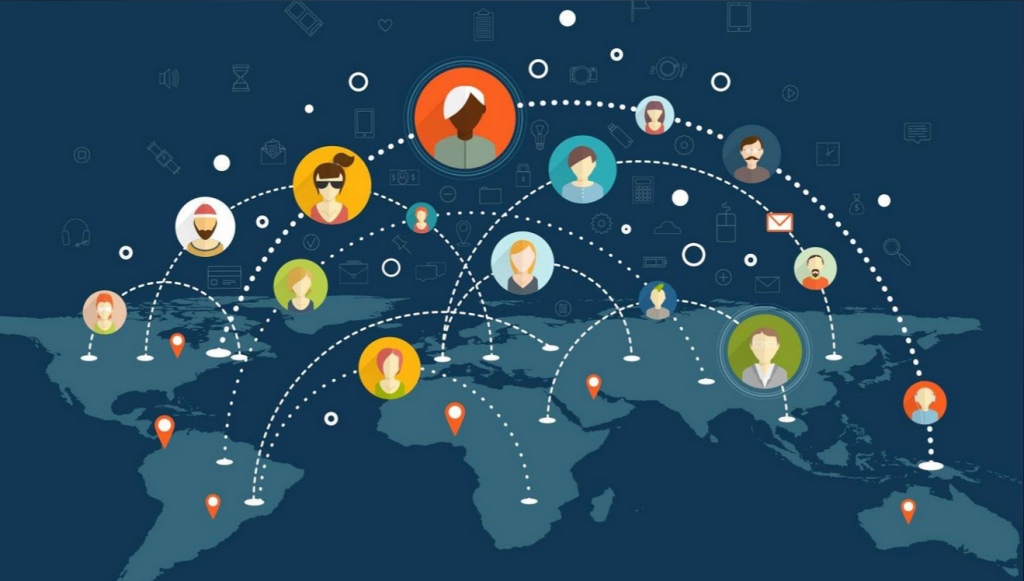
Although global connectivity offers many benefits, it also creates challenges. Misinformation, digital privacy concerns, unequal access to technology, and the potential loss of local traditions remain important issues.
Balancing technological progress with cultural preservation is essential to ensuring that future generations continue to value their unique heritage while embracing global innovation.
Comparison Table
| Trend | Impact on Global Culture |
|---|---|
| Artificial Intelligence | Supports creativity and communication |
| Social Media | Accelerates cultural exchange |
| Online Education | Expands global learning opportunities |
| Sustainable Living | Promotes responsible lifestyles |
| Remote Work | Encourages international collaboration |
| Streaming Platforms | Increases cultural awareness |
| Digital Communities | Connects people across borders |
How to Prepare for the Future of Global Culture
Individuals can prepare by embracing lifelong learning, respecting cultural diversity, developing digital skills, and staying informed about global developments. Businesses should invest in inclusive workplaces, digital transformation, and sustainable practices while encouraging cross-cultural collaboration.
By remaining open to new ideas and maintaining respect for cultural traditions, people can benefit from globalization without losing their cultural identity.
Conclusion
The future of global culture will be shaped by technology, innovation, sustainability, and increasing international collaboration. Digital communication, artificial intelligence, online education, and global entertainment continue to bring people closer together while creating new opportunities for creativity and economic growth.
At the same time, preserving cultural heritage and celebrating diversity remain essential responsibilities. By embracing technological progress while respecting local traditions and values, individuals and communities can help build a more connected, inclusive, and culturally rich world. As global culture continues to evolve, those who adapt thoughtfully will be better prepared to thrive in an increasingly interconnected future.
FAQ’s
1. What is global culture?
Global culture refers to the exchange of ideas, traditions, values, and lifestyles among people from different countries through communication, travel, and technology.
2. What trends are shaping global culture in 2026?
Key trends include artificial intelligence, social media, digital communication, sustainable living, remote work, and cultural diversity.
3. How does technology influence global culture?
Technology connects people worldwide, making it easier to share knowledge, entertainment, traditions, and cultural experiences.
4. Why is cultural diversity important?
Cultural diversity encourages mutual respect, creativity, innovation, and a better understanding of different communities around the world.
5. How can people adapt to the future of global culture?
People can adapt by embracing lifelong learning, respecting different cultures, improving digital skills, and staying informed about global trends.