
Global culture is changing more rapidly than ever before, shaped by technological innovation, international travel, digital communication, and the exchange of ideas across borders. People from different countries can now connect instantly, share traditions, and learn about one another’s lifestyles through online platforms and global communities. As a result, cultures are becoming more interconnected while still maintaining their unique identities. In 2026, understanding global culture is essential for individuals, businesses, educators, and travelers because cultural awareness promotes collaboration, creativity, and mutual respect. The future of global culture is not about replacing local traditions but about creating opportunities for different cultures to learn from one another while preserving their heritage for future generations.
Technology Is Connecting Cultures Around the World
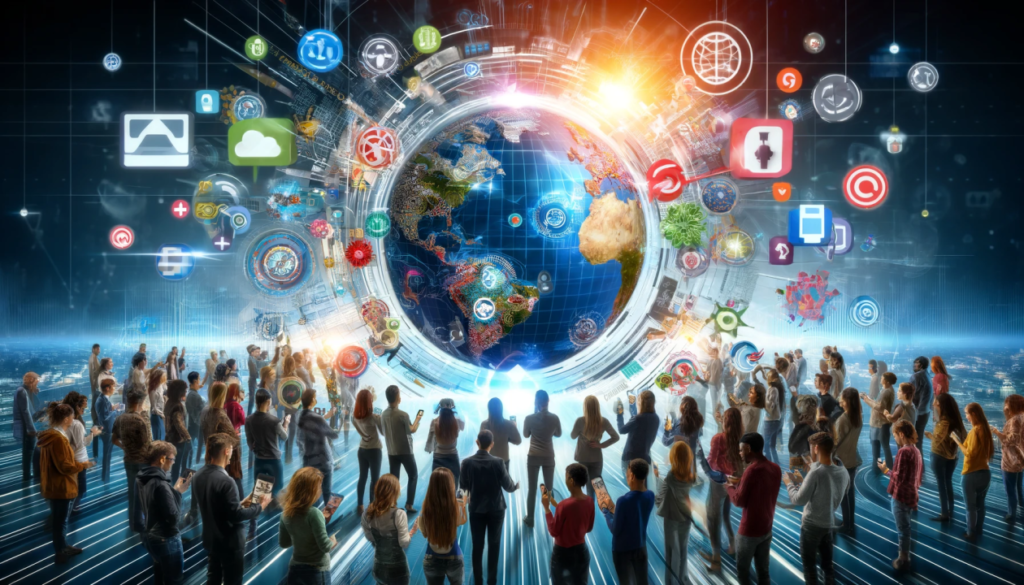
Technology has become one of the most powerful forces driving cultural exchange. Through social media, video streaming services, online education, and virtual events, people can experience different languages, music, traditions, and celebrations without leaving their homes. Artists, musicians, writers, and educators now reach international audiences with ease, allowing local cultures to gain worldwide recognition. Virtual museum tours, online cultural festivals, and digital storytelling have made cultural experiences more accessible than ever before. As technology continues to improve, people will have even more opportunities to explore and appreciate the traditions of different communities while building meaningful global connections.
Cultural Diversity Is Becoming a Global Strength
One of the most significant trends shaping the future is the growing appreciation for cultural diversity. Organizations, schools, and communities increasingly recognize that people from different cultural backgrounds bring unique perspectives, skills, and ideas. Diverse workplaces encourage innovation, while multicultural education helps students develop respect and understanding for different traditions and beliefs. Businesses are also adapting their products and marketing strategies to serve global audiences more effectively. Rather than encouraging uniformity, globalization is creating an environment where cultural differences are celebrated as valuable contributions to society.
Sustainable Cultural Tourism Is Growing
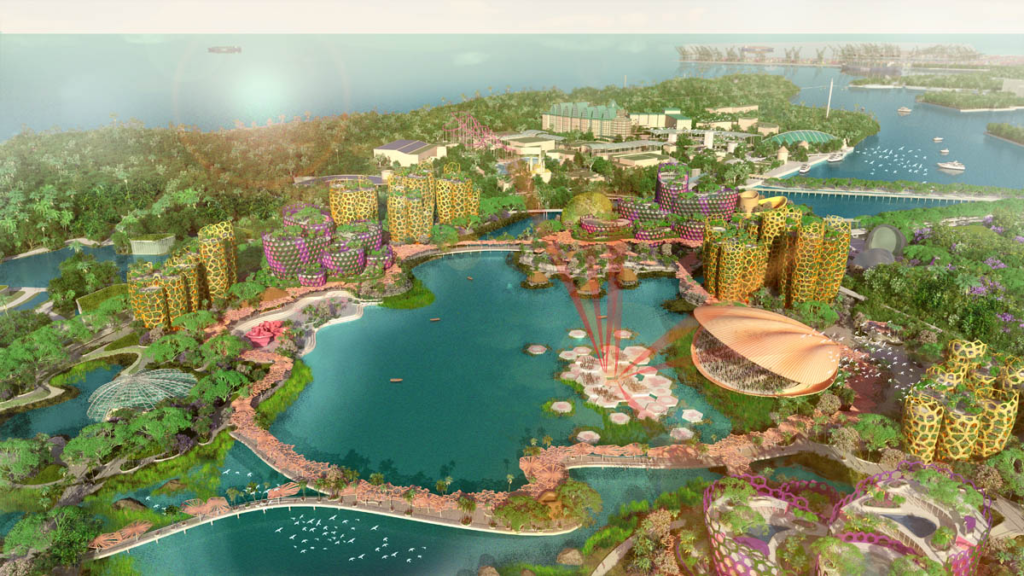
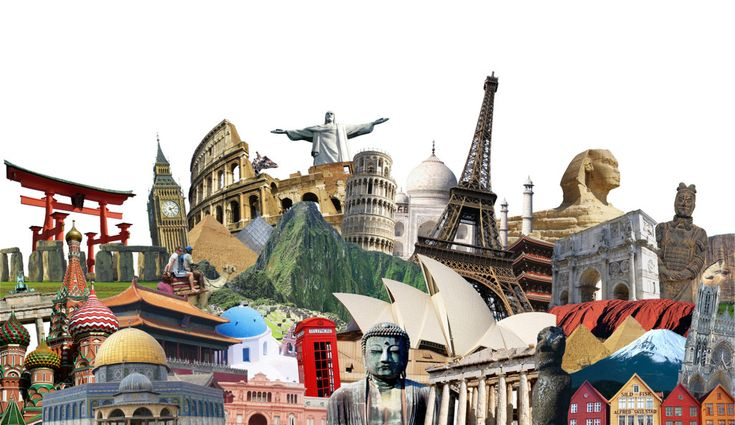
Travel has become an important way for people to experience different cultures firsthand. However, travelers today are seeking more meaningful experiences that respect local traditions and support community development. Sustainable cultural tourism encourages visitors to explore historical sites, participate in local festivals, learn traditional crafts, and purchase products made by local artisans. This approach helps preserve cultural heritage while providing economic opportunities for local communities. Responsible tourism also promotes environmental conservation by encouraging travelers to respect natural resources and historical landmarks. As awareness of sustainable travel continues to grow, cultural tourism will play an important role in protecting traditions for future generations.
Traditional Arts and Heritage Are Being Preserved
Although technology continues to transform society, there is renewed interest in protecting traditional arts, crafts, languages, music, and historical sites. Governments, cultural organizations, and local communities are investing in programs that preserve cultural heritage through education, exhibitions, festivals, and digital archives. Younger generations are learning traditional skills while using modern technology to promote and share their cultural identity with wider audiences. Handmade products, traditional performances, and regional storytelling continue to attract both local and international interest, demonstrating that preserving cultural heritage remains an important part of global development.
Food Continues to Unite People Across Cultures
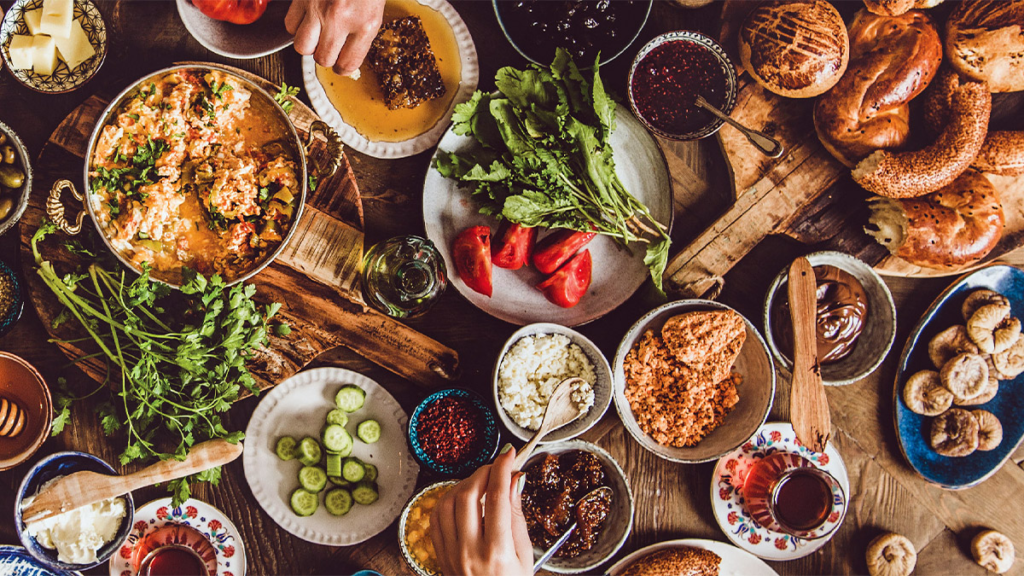
Food has always been one of the easiest and most enjoyable ways to experience different cultures. In 2026, international cuisine is more accessible than ever, allowing people to enjoy authentic dishes from around the world while learning about the traditions behind them. Restaurants, food festivals, and cooking classes encourage cultural exchange by introducing new flavors and cooking techniques. At the same time, local ingredients and traditional recipes remain central to cultural identity. Food brings families and communities together, creating opportunities for conversation, celebration, and appreciation of different cultural backgrounds.
Global Collaboration Is Driving Cultural Innovation
International collaboration has become a defining feature of modern culture. Artists, educators, researchers, entrepreneurs, and businesses regularly work together across borders to create innovative projects that combine ideas from multiple cultures. Educational exchange programs, international conferences, and creative partnerships encourage people to share knowledge and solve global challenges together. Digital communication makes collaboration easier than ever, allowing teams from different countries to work efficiently regardless of location. These partnerships strengthen relationships between nations while encouraging respect, creativity, and shared progress.
The Role of Education in Building Cultural Understanding

Education plays a crucial role in preparing future generations to live and work in an increasingly connected world. Schools and universities are placing greater emphasis on global citizenship, cultural awareness, language learning, and international cooperation. Students are encouraged to study world history, explore different traditions, and develop communication skills that help them interact respectfully with people from diverse backgrounds. Online learning platforms and international exchange opportunities further expand access to cultural knowledge, helping learners become more open-minded and globally aware.
Challenges Facing Global Culture
Despite many positive developments, global culture also faces important challenges. Rapid globalization can sometimes place pressure on local traditions, languages, and customs, making preservation more difficult. The spread of misinformation, cultural stereotypes, and unequal access to technology may also limit meaningful cultural exchange. Balancing modernization with heritage preservation requires cooperation between governments, educators, businesses, and local communities. By supporting cultural education, protecting historical sites, and respecting cultural differences, societies can ensure that globalization strengthens rather than weakens cultural diversity.
Conclusion
The future of global culture is shaped by connection, innovation, diversity, and mutual respect. Technology continues to bring people closer together while providing new opportunities to learn about different traditions, languages, and lifestyles. Sustainable tourism, cultural preservation, international collaboration, and inclusive education all contribute to a world where cultural diversity is valued rather than overlooked. Although globalization presents both opportunities and challenges, the future depends on maintaining a balance between embracing progress and protecting cultural heritage. By respecting different perspectives, supporting local communities, and celebrating the richness of human traditions, people can help create a more inclusive, understanding, and culturally connected world for future generations.
FAQ’s
1. What is global culture?
Global culture refers to the exchange of ideas, traditions, values, art, food, language, and customs among people from different countries and communities around the world.
2. How is technology influencing global culture?
Technology connects people through social media, virtual events, online education, and digital communication, making it easier to share and experience different cultures.
3. Why is cultural diversity important?
Cultural diversity promotes mutual respect, creativity, innovation, and understanding by bringing together people with different backgrounds, perspectives, and traditions.
4. What is sustainable cultural tourism?
Sustainable cultural tourism encourages travelers to respect local traditions, support local businesses, preserve cultural heritage, and minimize environmental impact while exploring new destinations.
5. How can individuals help preserve global culture?
People can preserve global culture by respecting local customs, supporting traditional artisans, participating in cultural events, learning about different cultures, and promoting cultural heritage for future generations.