
Healthy living is not about following strict diets, spending hours in the gym, or making dramatic lifestyle changes overnight. Instead, it is about creating simple, sustainable habits that support your physical, mental, and emotional well-being every day. A healthy lifestyle helps you feel more energetic, improves your mood, strengthens your immune system, and reduces the risk of many long-term health conditions. By making small but consistent improvements, you can enjoy a better quality of life while protecting your future health.
In today’s fast-paced world, maintaining good health has become more important than ever. Busy schedules, unhealthy eating habits, lack of physical activity, and constant stress can negatively affect our overall well-being. Fortunately, healthy living does not have to be complicated. Choosing nutritious foods, staying active, getting enough sleep, and managing stress are practical steps that anyone can take. This guide explores essential wellness tips that will help you build a healthier lifestyle and enjoy long-term benefits.
Understanding the Importance of Healthy Living
Good health is the foundation of a happy and productive life. When your body and mind function well, everyday tasks become easier, and you feel more confident in handling challenges. Healthy living not only reduces the risk of diseases such as diabetes, heart disease, obesity, and high blood pressure but also improves mental clarity, emotional stability, and physical strength.
A healthy lifestyle also supports stronger relationships, better work performance, and greater independence as you grow older. Investing in your health today can lead to years of improved well-being and fewer medical problems in the future.
Build Healthy Eating Habits

A balanced diet provides your body with the nutrients it needs to function properly. Every meal should include a variety of foods that supply vitamins, minerals, fibre, protein, and healthy fats. Eating nutritious meals regularly helps maintain energy levels, supports digestion, and strengthens the immune system.
Aim to include plenty of fresh fruits and vegetables in your daily meals. Whole grains such as oats, brown rice, and wholemeal bread provide long-lasting energy and improve digestive health. Lean protein sources including chicken, fish, eggs, beans, and lentils help build and repair muscles. Healthy fats from avocados, olive oil, nuts, and seeds support brain function and heart health.
Reducing processed foods, sugary drinks, and excessive salt can significantly improve your overall health. Preparing meals at home also gives you greater control over ingredients and portion sizes.
Stay Hydrated Every Day
Water plays a vital role in nearly every function of the body. It regulates body temperature, supports digestion, transports nutrients, lubricates joints, and removes waste products. Even mild dehydration can cause tiredness, headaches, poor concentration, and reduced physical performance.
Make it a habit to drink water throughout the day instead of waiting until you feel thirsty. Carrying a reusable water bottle can help remind you to stay hydrated. You can also increase your fluid intake by eating water-rich foods such as cucumbers, oranges, watermelon, and strawberries.
Exercise Regularly


Regular physical activity is one of the most effective ways to improve overall health. Exercise strengthens the heart, builds muscle, increases flexibility, improves balance, and helps maintain a healthy body weight. It also supports mental well-being by reducing stress and releasing endorphins that naturally improve mood.
You do not need an expensive gym membership to stay active. Walking, jogging, cycling, swimming, yoga, dancing, and bodyweight exercises are all excellent ways to improve fitness. Even short periods of activity throughout the day can make a noticeable difference.
Try to include a combination of cardiovascular exercise, strength training, and flexibility exercises each week to support complete physical fitness.
Prioritise Quality Sleep
Sleep is essential for both physical recovery and mental performance. During sleep, the body repairs tissues, restores energy, strengthens the immune system, and processes memories. Poor sleep can lead to fatigue, reduced concentration, irritability, and increased risk of chronic illnesses.
Developing healthy sleep habits can improve both the quantity and quality of your rest. Try to go to bed and wake up at the same time every day, even on weekends. Keep your bedroom quiet, dark, and comfortable, and avoid using electronic devices shortly before bedtime. Limiting caffeine in the evening can also help improve sleep quality.
Adults generally benefit from seven to nine hours of sleep each night, although individual needs may vary.
Manage Stress in Healthy Ways
Stress is a normal part of life, but chronic stress can negatively affect both physical and mental health. Learning healthy coping strategies helps reduce anxiety, improve emotional resilience, and support overall wellness.
Simple stress-management techniques include deep breathing exercises, meditation, journaling, listening to music, spending time outdoors, reading, or practising mindfulness. Taking regular breaks during work and maintaining hobbies that you enjoy also contribute to better emotional health.
Building strong relationships with family and friends provides valuable emotional support during difficult times.
Take Care of Your Mental Health

Mental health is just as important as physical health. Looking after your emotional well-being helps you cope with daily challenges, maintain positive relationships, and enjoy a more balanced life.
Practising gratitude, setting realistic goals, celebrating personal achievements, and making time for relaxation all contribute to improved mental wellness. Speaking openly with trusted friends or seeking professional support when needed is a sign of strength, not weakness.
Remember that mental well-being requires ongoing care, just like physical fitness.
Maintain a Healthy Weight
Maintaining a healthy weight supports heart health, joint function, mobility, and overall energy levels. Instead of following restrictive diets, focus on balanced nutrition and regular exercise that you can maintain over the long term.
Eating appropriate portion sizes, limiting sugary snacks, staying active, and avoiding excessive processed foods can help support healthy weight management. Sustainable habits are much more effective than temporary solutions.
Strengthen Your Immune System Naturally
A strong immune system helps protect the body from infections and illnesses. Healthy daily habits play a significant role in supporting normal immune function.
To keep your immune system healthy:
- Eat a balanced diet rich in fruits and vegetables.
- Exercise regularly.
- Sleep well every night.
- Stay hydrated.
- Wash your hands regularly.
- Avoid smoking.
- Limit alcohol consumption.
- Manage stress effectively.
Together, these habits create a strong foundation for long-term health.
Limit Screen Time
Technology is an important part of modern life, but excessive screen time can contribute to eye strain, poor posture, disrupted sleep, and reduced physical activity.
Take regular breaks from screens, maintain good posture while working, and avoid using electronic devices immediately before bedtime. Spending more time outdoors and participating in physical activities helps create a healthier balance between digital and real-life experiences.
Build Positive Daily Habits
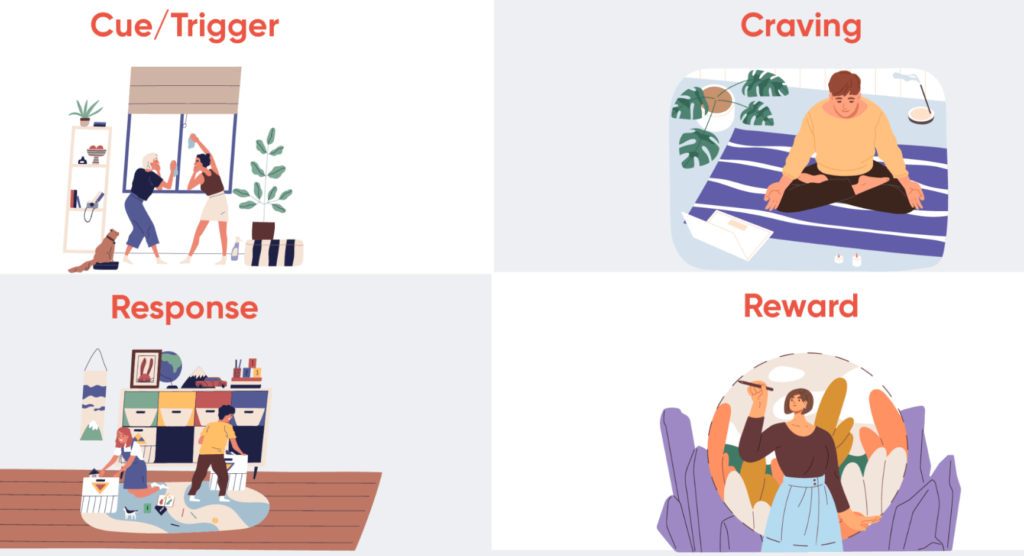
Healthy living is built through small, consistent actions repeated over time. Rather than trying to change everything at once, focus on introducing one new healthy habit each week.
Examples include:
- Walking after meals
- Preparing healthy breakfasts
- Drinking more water
- Stretching each morning
- Cooking meals at home
- Reading before bed instead of using a phone
- Spending time outdoors every day
These small habits gradually become part of your daily routine and contribute to lasting improvements.
Schedule Preventive Health Check-ups
Preventive healthcare helps identify potential health concerns before they become serious. Regular check-ups allow healthcare professionals to monitor your health and provide guidance based on your individual needs.
Routine health screenings may include blood pressure checks, cholesterol testing, blood sugar monitoring, vision and hearing examinations, dental check-ups, and recommended vaccinations. Early detection often leads to more effective treatment and better long-term outcomes.
Create a Healthy Home Environment
Your surroundings have a significant impact on your health and well-being. Creating a clean, organised, and supportive home encourages healthier daily habits.
Keep nutritious foods readily available, maintain a tidy living space, encourage regular physical activity, and create quiet areas for relaxation and quality sleep. A healthy home environment makes positive lifestyle choices easier to maintain for the entire family.
Practice Self-Care
Self-care is an important part of overall wellness. Taking time to care for yourself helps reduce stress, improve emotional health, and prevent burnout.
Self-care activities may include reading, gardening, exercising, spending time with loved ones, pursuing hobbies, enjoying nature, or simply taking time to rest. Looking after yourself enables you to better support others while maintaining your own well-being.
Long-Term Benefits of Healthy Living
Adopting healthy habits today provides benefits that extend far into the future. Consistent healthy choices improve physical fitness, mental resilience, and overall quality of life.
Frequently Asked Questions (FAQs)
1. What is the first step toward healthy living?
Start by eating a balanced diet, staying active, and drinking enough water every day.
2. How much exercise should I get each week?
Aim for at least 150 minutes of moderate physical activity per week.
3. Why is sleep important for overall wellness?
Quality sleep helps your body recover, boosts immunity, and supports mental health.
4. How can I reduce daily stress?
Practice deep breathing, exercise regularly, get enough sleep, and make time for relaxation.
5. Can small lifestyle changes improve my health?
Yes. Small, consistent habits like eating healthier, staying hydrated, and exercising regularly can lead to significant long-term health benefits.