
Culture is continuously evolving. The ways people live, communicate, work, celebrate, and relate to one another today differ significantly from past generations. Technological advances, social media, widespread access to education, international travel, and global connectivity have all reshaped the modern social landscape.
However, cultural evolution does not mean traditional heritage has vanished. In communities worldwide, historic customs remain a central part of daily life while new ideas, technologies, and social structures integrate into society. Modern culture exists as a dynamic balance between familiar heritage and changing daily realities.
Understanding Modern Culture
Modern culture encompasses the shared ideas, habits, values, practices, and lifestyles that influence how individuals live today. It is reflected in everyday choices: the food on our tables, the clothing we wear, how we communicate, and how we spend our leisure time.
                          The Spectrum of Modern Culture

     Traditional Roots                        Modern Adaptation
 ┌──────────────────────┐                  ┌──────────────────────┐
 │ • Family Gatherings  │                  │ • Digital Connectivity│
 │ • Cultural Festivals │ ─── Adapts To ──►│ • Global Cuisines    │
 │ • Historic Customs   │                  │ • Hybrid Workstyles  │
 │ • Local Languages    │                  │ • Shared Online Spaces│
 └──────────────────────┘                  └──────────────────────┘
Culture is not static. It develops as living conditions, tools, environments, and human needs change. A family might observe a traditional religious or seasonal festival according to ancestral customs, but coordinate the gathering through group messaging platforms or invite distant relatives via live video feeds. This intersection demonstrates how traditional practices maintain their relevance by adapting to current tools.
Technological Drivers of Cultural Change

Technology stands as one of the most powerful catalysts shaping contemporary social behavior. High-speed internet, smartphones, video streaming platforms, and social networks have restructured how people create and maintain relationships.
- Speed of Communication: Messages that once took days or weeks to travel via mail now cross continents in seconds, enabling families and communities to maintain tight bonds across long distances.
- Global Content Access: Entertainment—including film, television, music, and digital literature—is instantly accessible worldwide. Cultural movements and creative artistic trends now spread internationally within days rather than years.
- Virtual Communities: Individuals with specialized interests, rare languages, or specific cultural backgrounds can connect through online networks, creating global micro-cultures around shared passions.
Adapting Customs to Contemporary Lifestyles
Busy professional schedules, urban living, nuclear family units, and technological convenience influence how traditional customs are practiced today.
Rather than weakening heritage, adaptation often helps keep traditions viable for younger, busier generations. A family preparing a celebratory feast might purchase pre-packaged traditional ingredients online to save preparation time, allowing them to participate in cultural rituals despite demanding work schedules. When circumstances prevent travel, joining a ceremony virtually allows individuals to stay connected to their roots.
Globalization and Intercultural Exchange
Increased global trade, digital communication, and international migration have made daily life more culturally varied. Elements of foreign cultures—including cuisine, fashion, music, literature, and art—are easily accessible in most urban centers.
                  ┌────────────────────────────────────────┐
                  │       Drivers of Cultural Exchange    │
                  └───────────────────┬────────────────────┘
                                      │
         ┌────────────────────────────┼────────────────────────────┐
         │                            │                            │
┌────────▼────────┐          ┌────────▼────────┐          ┌────────▼────────┐
│ Global Commerce │          │ Digital Media   │          │ Travel & Migration│
│ International   │          │ Online platforms│          │ Direct exposure │
│ trade of goods, │          │ sharing music,  │          │ to foreign      │
│ food, & fashion.│          │ art, and film.  │          │ communities.    │
└─────────────────┘          └─────────────────┘          └─────────────────┘
Exposure to diverse ways of life fosters open-mindedness, cross-cultural empathy, and intellectual curiosity. It encourages people to look beyond regional norms and appreciate different perspectives, while also highlighting the importance of understanding the history and context behind borrowed cultural practices.
Evolving Values Across Generations
Social expectations, personal values, and priorities shift over time. Younger generations frequently re-evaluate traditional views regarding education, career structure, individual independence, personal fulfillment, and work-life balance.
| Focus Area | Historic Cultural Emphasis | Contemporary Cultural Emphasis |
|---|---|---|
| Career Path | Lifetime stability; predictable progression | Flexibility; personal fulfillment; continuous learning |
| Communication | In-person gatherings; formal correspondence | Digital communication; direct instant messaging |
| Community Structure | Strictly geographic and regional ties | Interest-based, global, and digital networks |
| Individual Identity | Adherence to established community roles | Personal expression; work-life integration |
Despite these generational shifts, foundational values like honesty, integrity, mutual respect, community responsibility, and family support remain deeply important to people across demographic lines.
Expression and Identity in the Digital Space
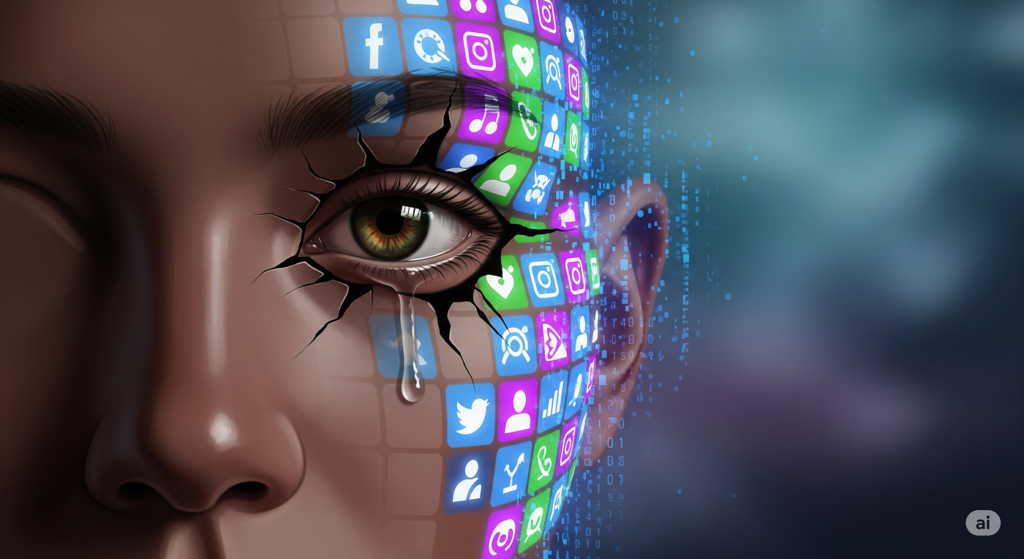
Social platforms offer unprecedented avenues for individuals to share their heritage with a global audience. People document local regional recipes, demonstrate traditional textile creation, highlight folk music, and share local history through video and written formats.
This visibility helps smaller or underrepresented communities preserve their traditions and spark interest among younger community members. However, rapid digital sharing can also oversimplify complex customs, turning long-standing traditions into short-lived trends. Maintaining a genuine understanding of a practice’s historical context remains crucial for respectful cultural sharing.
Culinary Evolution and Fashion Identity
Food and clothing provide clear, everyday visual examples of cultural synthesis:
- Food: Traditional family recipes passed down through generations exist alongside fusion cuisines that blend local ingredients with international techniques. Food remains a central anchor for family gatherings, seasonal holidays, and cultural celebrations.
- Fashion: Modern daily wear frequently prioritizes comfort, utility, and global design trends. However, traditional attire retains immense significance during weddings, religious events, national holidays, and regional festivals, allowing individuals to honor their lineage.
The Importance of Cultural Understanding

Living in a diverse, connected world requires cultural awareness. People from different regions bring distinct communication habits, social norms, and personal perspectives to workplaces, schools, and civic life.
Developing an understanding of diverse cultural backgrounds reduces misunderstandings, resolves conflicts, and creates inclusive environments where individuals feel respected and heard. Cultural literacy is a practical skill for effective collaboration in modern society.
Looking forward, culture will continue to adjust alongside technological and social developments. The future of human culture is neither a total loss of old customs nor a static preservation of the past, but an ongoing blend of inherited wisdom and modern innovation.
FAQs
1. What is modern culture?
Modern culture includes the changing values, traditions, lifestyles, ideas, and behaviors found in today’s society.
2. How does technology affect culture?
Technology changes how people communicate, work, share traditions, and discover ideas from different cultures.
3. Are traditional cultures disappearing?
Not necessarily. Many traditions are adapting to modern lifestyles while remaining an important part of cultural identity.
4. How does globalization influence culture?
Globalization allows people to discover different foods, languages, fashion, music, and traditions from around the world.
5. Why is cultural identity important?
Cultural identity connects people with their history, family, traditions, community, and sense of belonging.