
Culture is one of the most interesting parts of being human. It shapes the way people communicate, celebrate, eat, create art, build communities, and understand the world around them. Every region has its own traditions, stories, customs, values, and forms of expression.
Learning about different cultures can help us understand people beyond stereotypes and discover the many ways communities have developed throughout history.
Culture is not limited to famous landmarks or traditional festivals. It can be found in everyday life, from family meals and clothing to music, language, celebrations, architecture, and social customs.
This guide explores world culture in simple terms and explains why traditions, heritage, and cultural experiences remain important today.
What Is Culture?
Culture is the collection of ideas, behaviors, traditions, knowledge, values, and creative expressions shared by a group of people.
It can include language, food, music, religion, art, clothing, celebrations, family traditions, social customs, and ways of communicating.
Culture develops over time. Geography, history, migration, trade, technology, and interactions with neighboring communities can all influence it.
This means culture is not fixed. It can change as communities grow and connect with the wider world.
Why Culture Matters
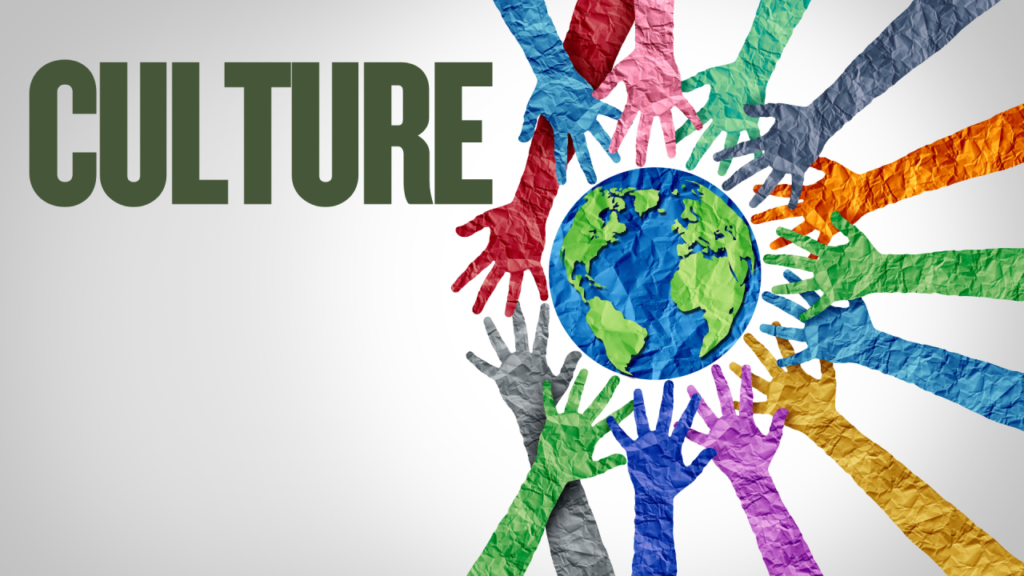
Culture gives communities a sense of identity and connection.
Traditions can help people remember their history and pass important knowledge from one generation to another. Cultural practices can also create opportunities for families and communities to come together.
Understanding culture can also encourage respect.
When we learn why people celebrate certain events, eat particular foods, speak specific languages, or follow certain customs, we gain a better understanding of the experiences that shape their lives.
The Role of History
History and culture are closely connected.
Major historical events, migrations, conflicts, trade routes, technological changes, and political developments can influence cultural traditions.
Architecture can reveal how a community lived in the past. Traditional foods can show how people adapted to local ingredients. Music and storytelling can preserve memories and historical experiences.
Learning history therefore provides useful context for understanding modern cultural practices.
Language and Cultural Identity
Language is more than a communication system. It can also carry history, identity, humor, stories, and cultural knowledge.
Many languages contain expressions that are difficult to translate directly because they are connected to local experiences and traditions.
Languages can change over time as communities interact with one another.
Some languages are spoken by large populations, while others are used by smaller communities. Protecting linguistic diversity can help preserve cultural knowledge and heritage.
Learning even a few basic words in another language can also make travel and cultural interaction more respectful and enjoyable.
Food and Cultural Traditions

Food is one of the easiest ways to experience culture.
Traditional dishes often reflect geography, climate, agriculture, history, and trade.
Ingredients available in a region can influence local cuisine, while migration and cultural exchange can introduce new cooking methods and flavors.
Food traditions are also closely connected to family life.
Recipes are often passed from one generation to another, sometimes with each family adding its own variations.
Trying local food while traveling can therefore provide more than a meal. It can offer insight into the history and daily life of a community.
Festivals and Celebrations
Festivals bring people together and often reflect important cultural or historical values.
Celebrations may mark seasonal changes, religious occasions, historical events, harvests, family milestones, or community traditions.
Music, dancing, clothing, food, decorations, and ceremonies can all play a role.
Festivals can also attract visitors and create opportunities for cultural exchange.
When attending a cultural celebration, visitors should learn basic etiquette and follow local expectations.
Traditional Clothing
Clothing can reflect culture, geography, history, social traditions, and artistic expression.
Traditional garments may be worn during everyday life, special occasions, ceremonies, festivals, or important family events.
Colors, patterns, fabrics, and designs can sometimes carry specific meanings.
Modern clothing has changed many traditional styles, but cultural garments continue to play an important role in many communities.
Visitors should always be respectful when photographing people wearing traditional clothing and avoid treating cultural dress as a costume.
Music and Dance
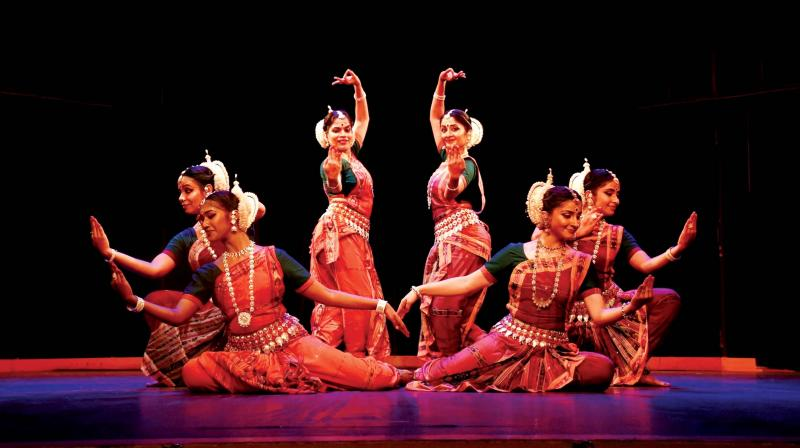

Music and dance are powerful forms of cultural expression.
Traditional songs and dances can preserve stories, celebrate important occasions, or bring communities together.
Different regions have developed unique musical instruments, rhythms, dance styles, and performance traditions.
Modern music often combines influences from different cultures.
This cultural exchange has created new genres and styles while also helping traditional sounds reach wider audiences.
Art and Handicrafts
Art provides another way to understand cultural history.
Painting, sculpture, pottery, weaving, woodwork, jewelry, textiles, and other crafts can reflect local materials, beliefs, stories, and artistic traditions.
Traditional crafts are often developed through skills passed from one generation to another.
Supporting genuine local artisans can help preserve these skills and provide economic opportunities for communities.
When purchasing cultural products, it is worth learning about their origin and ensuring that they are ethically produced.
Architecture and Cultural Heritage
Buildings can tell stories about the communities that created them.
Traditional homes, temples, mosques, churches, palaces, markets, public buildings, and historic neighborhoods can reveal information about local materials, climate, beliefs, technology, and social structures.
Some historic sites have been preserved because of their cultural or historical significance.
Visitors should respect preservation rules and avoid damaging or touching protected structures.
Stories, Myths, and Oral Traditions
Storytelling has played an important role in human societies for thousands of years.
Stories can teach values, explain traditions, preserve memories, entertain audiences, and connect generations.
Some stories are written down, while others have been passed through spoken traditions.
Folklore and mythology vary greatly between cultures, but many stories explore themes such as courage, family, nature, responsibility, love, and conflict.
Studying these stories can provide valuable insight into how communities understand the world.
Family and Community Traditions

Culture is often learned at home.
Families may have their own traditions involving meals, celebrations, greetings, ceremonies, storytelling, and special occasions.
Communities also develop shared customs.
These traditions can create a sense of belonging and provide continuity between generations.
However, traditions can change over time. Younger generations may adapt old practices to fit modern lifestyles while still preserving their central meaning.
Cultural Heritage
Cultural heritage includes traditions, places, objects, knowledge, and practices that communities consider important to their identity and history.
Heritage can be tangible, such as historic buildings, artworks, monuments, and artifacts.
It can also be intangible, including language, music, dance, traditional knowledge, storytelling, rituals, and craftsmanship.
Preserving cultural heritage helps future generations understand where traditions came from and why they matter.
Cultural Diversity
The world contains enormous cultural diversity.
Different communities may have different languages, social customs, foods, artistic traditions, family structures, and ways of celebrating important events.
Cultural diversity does not mean that communities have nothing in common.
People across the world often share universal experiences such as family relationships, celebrations, work, friendship, creativity, and the desire for community.
Recognizing both differences and similarities can help create greater understanding.
How Travel Can Teach You About Culture
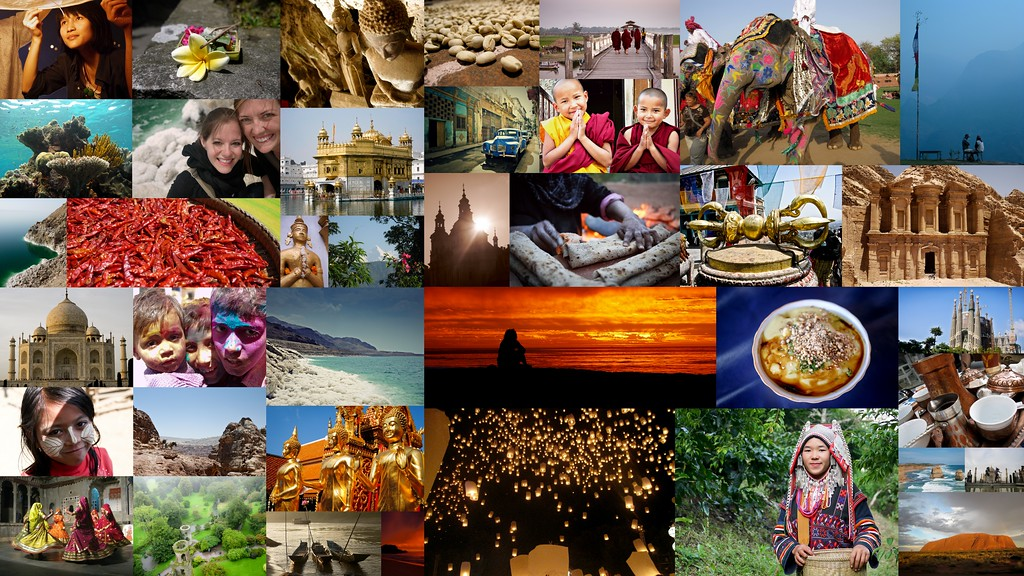
Travel offers an opportunity to experience culture directly.
Instead of focusing only on major tourist attractions, explore local neighborhoods, markets, museums, cultural centers, food traditions, and community events when appropriate.
Talk respectfully with local people and learn about everyday life.
Travelers should avoid assuming that one person represents an entire culture. Every community contains different experiences, opinions, and lifestyles.
The best cultural travel is based on curiosity and respect.
Cultural Respect While Traveling
Visitors should make an effort to understand local customs.
Simple actions can make a significant difference.
Dress appropriately when visiting religious or culturally sensitive places. Ask before photographing people. Follow rules at historic sites. Learn basic greetings where possible.
Avoid mocking unfamiliar customs or assuming that your own cultural habits are universal.
Respectful behavior makes cultural experiences more meaningful for both visitors and local communities.
Culture and Modern Technology

Technology has changed how culture is shared.
Social media, streaming platforms, digital archives, online communities, and video platforms allow cultural traditions to reach people around the world.
A traditional performance can now be viewed by international audiences. Local artists can share their work globally. People can learn languages and explore cultural history from home.
However, digital sharing can also remove context.
When consuming cultural content online, it is useful to learn about its original background instead of judging it based only on a short video or image.
Globalization and Cultural Change
Globalization has increased interaction between cultures.
People travel, migrate, study, work, and communicate across borders more easily than ever before.
This exchange can lead to new foods, music, fashion, art, and ideas.
At the same time, some communities are concerned about the loss of traditional languages, crafts, and practices.
Cultural preservation does not necessarily mean rejecting change. It can involve finding ways to keep important traditions alive while allowing communities to adapt naturally.
Supporting Local Culture
Travelers and consumers can support cultural communities in practical ways.
Buying products directly from local artisans, visiting community-run attractions, choosing local restaurants, and participating respectfully in cultural activities can help support local economies.
Learning about the origin of products is also important.
Avoid purchasing items made from protected wildlife, illegal artifacts, or materials that may contribute to cultural or environmental harm.
Responsible choices can help ensure that cultural tourism benefits the people and communities who maintain these traditions.
Why Learning About Other Cultures Is Valuable
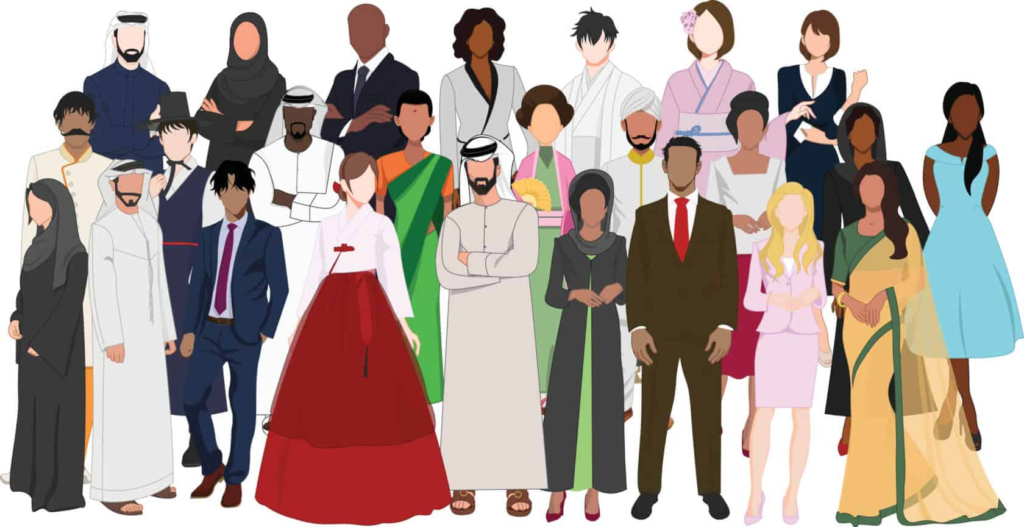
Learning about other cultures can challenge assumptions and encourage curiosity.
It can help people recognize that there are many ways to organize family life, celebrate important events, prepare food, create art, and communicate.
Cultural knowledge can also improve communication in international workplaces, schools, travel, and online communities.
The goal is not to memorize every tradition in the world. It is to approach cultural differences with openness, respect, and a willingness to learn.
Simple Ways to Explore World Culture
You do not have to travel internationally to learn about culture.
You can:
- Try traditional recipes.
- Read books by authors from different regions.
- Learn a new language.
- Visit museums and cultural centers.
- Listen to international music.
- Watch documentaries about different communities.
- Explore local cultural festivals.
- Learn about traditional crafts.
- Study the history of a new region.
- Talk respectfully with people from different backgrounds.
Small experiences can lead to a deeper understanding of the world.
FAQ’s
1. What is world culture?
World culture includes the traditions, languages, food, art, beliefs, customs, and lifestyles of different communities.
2. Why is cultural heritage important?
It preserves history, identity, traditions, knowledge, and practices for future generations.
3. How can I learn about different cultures?
Travel, read books, try traditional foods, explore museums, learn languages, and attend cultural events respectfully.
4. Why should we respect cultural differences?
Respect helps build understanding, reduces stereotypes, and encourages positive connections between communities.
5. Does culture change over time?
Yes. Culture naturally evolves through generations, technology, migration, and interactions between communities.