
World culture is a fascinating collection of traditions, beliefs, languages, art, food, customs, celebrations, and everyday lifestyles that have developed across different communities over generations. Every region has its own identity, shaped by history, geography, religion, family traditions, migration, and social change.
Exploring culture allows us to understand how people live, celebrate important moments, communicate, prepare food, create art, and preserve their heritage. It also gives travelers and curious minds the opportunity to experience something beyond familiar surroundings.
From ancient traditions to modern cultural movements, the world offers countless stories and experiences waiting to be discovered.
What Is World Culture?
Culture refers to the shared practices, values, customs, knowledge, and creative expressions of a particular community or society. It influences everyday life in ways that people may not always notice.
Language is one of the most visible parts of culture. The words people use, the stories they tell, and the ways they communicate can reveal important details about their history and identity.
Food is another major part of culture. Traditional dishes often reflect local ingredients, climate, agriculture, and historical influences. A simple meal can tell a story about where a community came from and how its traditions developed.
Music, dance, clothing, architecture, festivals, crafts, and family customs also help preserve cultural identity.
The Importance of Cultural Heritage
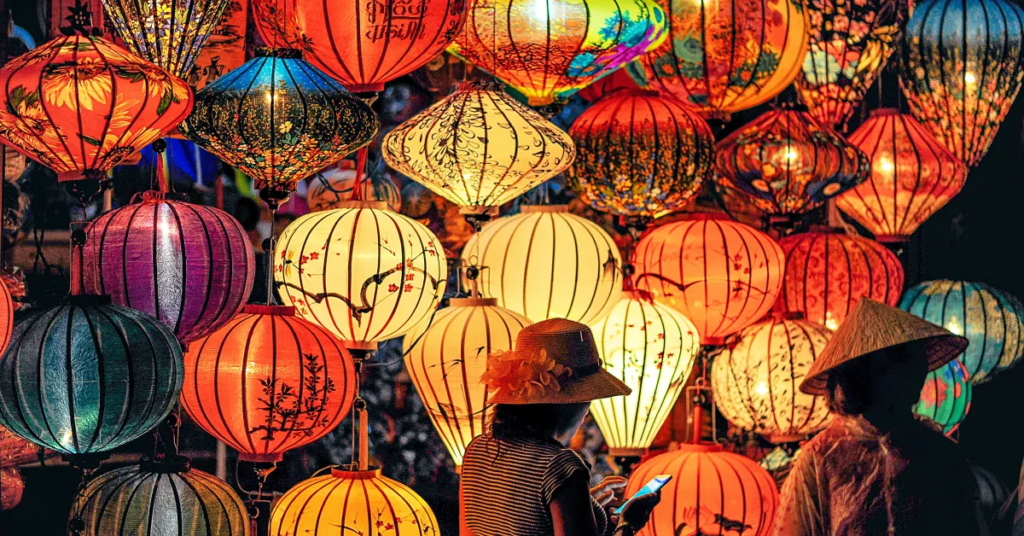
Cultural heritage connects the present with the past. Historic buildings, monuments, traditional crafts, ancient languages, music, stories, and ceremonies can help communities preserve knowledge from earlier generations.
Heritage is not limited to famous landmarks. It can also be found in everyday activities such as traditional cooking, handmade crafts, local celebrations, storytelling, and family customs.
Preserving cultural heritage helps future generations understand where their communities came from. It also creates opportunities for people from different backgrounds to learn from one another.
How History Shapes Culture
History has a powerful influence on culture. Events such as migration, trade, wars, exploration, political changes, and technological developments can affect language, food, architecture, art, and social traditions.
For example, cities that have historically connected different trading regions often have diverse cuisines, languages, and architectural styles. Communities influenced by migration may combine traditions from different places to create new cultural expressions.
This is why culture is constantly evolving. While some traditions remain closely connected to the past, others change naturally as communities adapt to modern life.
Exploring Cultural Traditions
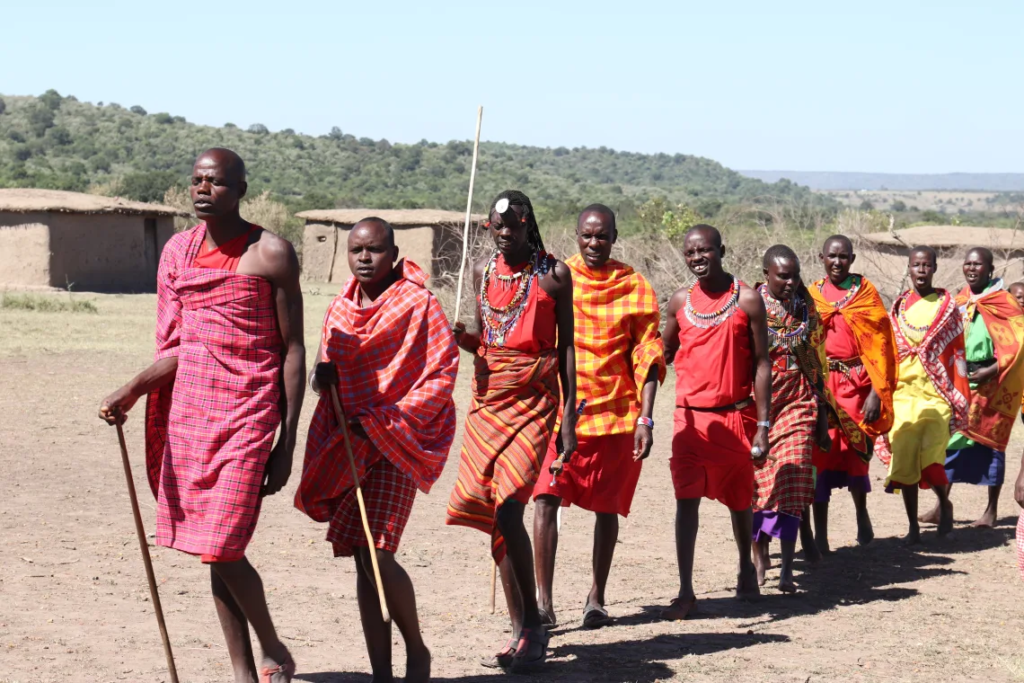
Traditions are practices passed from one generation to another. They can include festivals, weddings, religious or spiritual ceremonies, seasonal events, traditional clothing, dances, music, and family gatherings.
Some traditions are celebrated publicly, while others are practiced privately within families or communities.
Learning about traditions is an excellent way to understand cultural values. A celebration may emphasize family, community, gratitude, remembrance, harvest, friendship, or important stages of life.
When exploring traditions, it is important to approach them with respect. Not every cultural practice is designed for visitors or entertainment. Understanding the meaning behind a tradition is often more valuable than simply observing it.
The Role of Food in Culture
Food is one of the easiest and most enjoyable ways to explore culture.
Traditional meals often reflect the ingredients naturally available in a region. Climate, geography, agriculture, trade, and history can all influence local cuisine.
Different cultures have developed unique cooking methods, spices, ingredients, and dining customs. In many communities, food is strongly connected to family and hospitality.
A traditional meal may be prepared for holidays, weddings, religious events, or family gatherings. Recipes are often passed between generations, sometimes changing slightly as each generation adds its own touch.
Trying local food while traveling can therefore provide more than a new taste. It can offer insight into the history and lifestyle of a community.
Festivals and Cultural Celebrations
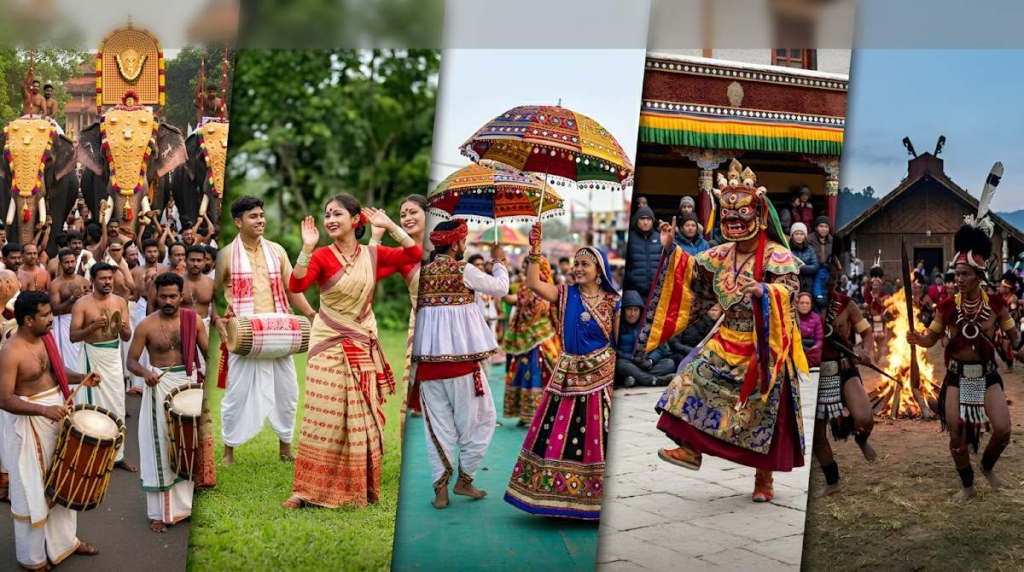
Festivals bring people together and are among the most visible expressions of culture. They can celebrate historical events, religious traditions, seasonal changes, harvests, music, art, food, or local identity.
Some celebrations are colorful and energetic, while others are quiet and reflective. Music, dancing, traditional clothing, decorations, food, and ceremonies can all play important roles.
For visitors, festivals can provide memorable experiences, but respectful participation is essential. Learning basic cultural etiquette before attending a celebration can help travelers avoid misunderstandings and show appreciation for local customs.
Art, Music and Dance
Art provides another window into cultural identity. Paintings, sculptures, pottery, textiles, photography, architecture, and crafts can reveal how communities understand their environment and history.
Music and dance are equally important. Traditional songs may tell stories about family, nature, historical events, love, work, or community life.
In many parts of the world, traditional music and dance continue to evolve alongside modern styles. Young artists often combine older cultural influences with contemporary sounds and creative ideas.
This combination of tradition and innovation demonstrates that culture is not frozen in time.
Language and Cultural Identity
Language is deeply connected to identity. It carries stories, expressions, humor, history, and knowledge from one generation to the next.
Many communities have unique phrases or expressions that are difficult to translate directly into another language. These expressions can reveal cultural attitudes and ways of thinking.
Learning even a few words in a local language can improve a travel experience. Simple greetings, thank-you phrases, and polite expressions can demonstrate respect and make interactions more meaningful.
Language learning can also help people understand cultural differences without relying only on translations.
Unique Cultural Experiences for Travelers
Traveling provides an opportunity to experience culture directly rather than only reading about it.
Visitors can explore local markets, museums, historic neighborhoods, cultural centers, traditional restaurants, craft workshops, and community events. Walking through a historic area can reveal details about architecture and daily life that may not be visible in guidebooks.
Staying in locally owned accommodations, eating regional food, and supporting local artisans can also create more meaningful experiences.
However, cultural travel should not mean treating communities like attractions. Visitors should respect local rules, ask permission before photographing people, and avoid turning sensitive traditions into entertainment.
Museums and Historic Places
Museums help preserve and explain cultural history. They can contain artifacts, artwork, clothing, tools, documents, photographs, and other objects connected to a community’s past.
Historic places can provide another type of experience. Visiting old neighborhoods, monuments, temples, forts, theaters, houses, and archaeological sites can help travelers understand how people lived in previous periods.
Whenever possible, learning from local guides and official cultural organizations can add useful context to these visits.
Modern Culture and Changing Traditions
Culture continues to change as technology, travel, migration, media, and globalization influence everyday life.
Young people may maintain traditional festivals while listening to international music, using modern technology, and following global fashion trends. Families may prepare traditional recipes while adapting them to new ingredients or modern lifestyles.
This does not necessarily mean traditional culture is disappearing. In many cases, communities find creative ways to keep cultural practices relevant.
Modern culture can therefore be viewed as a combination of heritage and innovation.
Cultural Diversity Makes the World Interesting
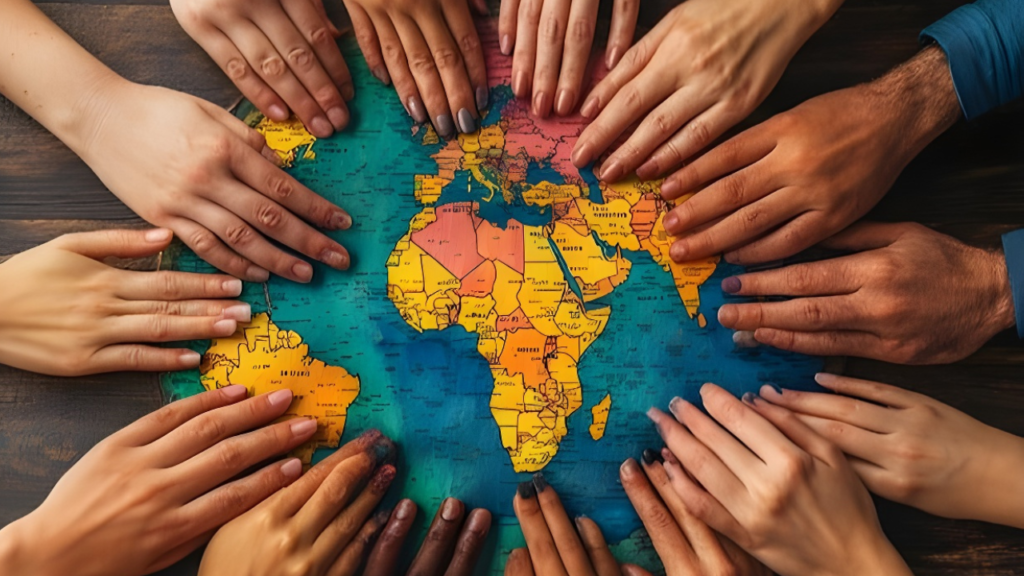
One of the most valuable lessons from exploring world culture is that there is no single way to live a meaningful life.
Different communities may have different ideas about family, celebrations, food, work, hospitality, clothing, communication, and social relationships.
These differences can sometimes create misunderstandings, especially when people judge unfamiliar customs using their own cultural expectations.
Learning about other cultures encourages curiosity instead of assumptions. It helps people recognize that differences are not automatically wrong or strange.
How to Explore Culture Respectfully
Cultural exploration is most rewarding when approached with an open mind.
Before visiting a new place, research basic customs and etiquette. Learn what types of clothing may be appropriate, understand local photography rules, and become familiar with important social expectations.
When speaking with local people, listen carefully and avoid making assumptions. If you are invited to participate in a cultural activity, follow the guidance of people who belong to that community.
Support local businesses and artisans where possible. Buying authentic locally made products can help support traditional skills and local economies.
Most importantly, remember that culture belongs to the people who practice it. Respect should always come before curiosity.
The Value of Cultural Exchange
Cultural exchange allows people to share ideas, traditions, stories, and experiences. It can happen through travel, education, food, music, art, language learning, community events, and friendships.
When people exchange cultural experiences respectfully, they can discover similarities as well as differences.
A traditional recipe may introduce someone to a new flavor. A local festival may explain an important historical story. A conversation may challenge an assumption. A piece of music may create an emotional connection even when the listener does not understand the language.
These experiences can make the world feel more connected.
Preserving Culture for Future Generations
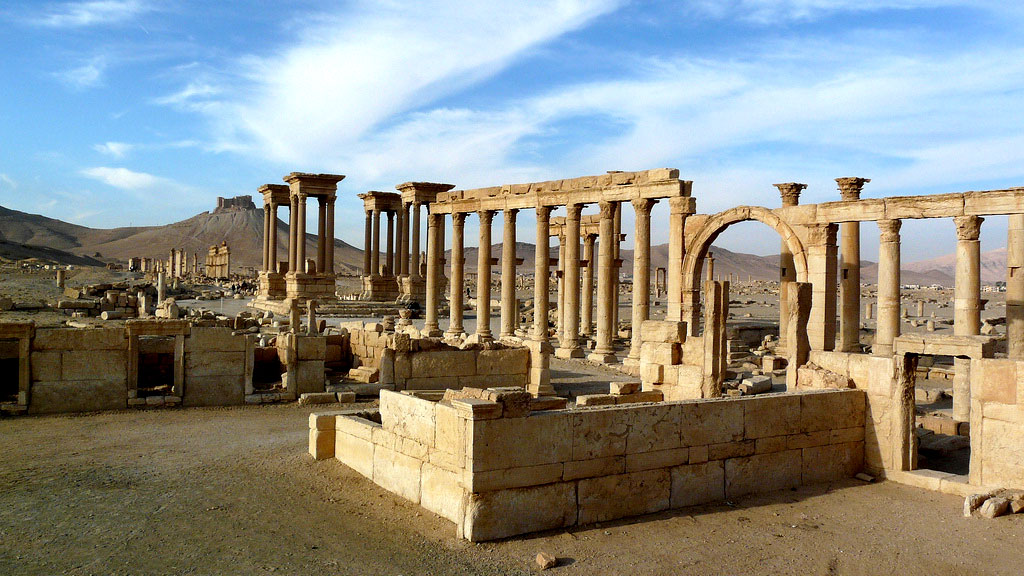
Preserving cultural traditions is a shared responsibility. Communities, families, educators, museums, cultural organizations, and governments can all contribute.
Young people play an especially important role because they can carry traditions into the future while adapting them to modern circumstances.
Digital technology can also help preserve cultural knowledge. Photographs, recordings, digital archives, documentaries, and online educational resources can make cultural materials available to wider audiences.
At the same time, preservation should respect community ownership and consent, especially when dealing with sacred, private, or sensitive cultural knowledge.
FAQ’s
1. What is world culture?
World culture includes the traditions, customs, languages, food, art, music, and lifestyles of different communities.
2. Why is cultural heritage important?
Cultural heritage preserves history, traditions, knowledge, and identity for future generations.
3. How can I experience local culture?
Try local food, visit museums, explore historic places, attend cultural events, and interact respectfully with local communities.
4. How does history influence culture?
History shapes languages, traditions, food, architecture, art, and social customs over generations.
5. How can travelers respect local culture?
Learn local customs, follow cultural etiquette, ask permission before taking photos, and respect community traditions.