
Culture is one of the most meaningful parts of human life. It shapes how people celebrate, communicate, create, eat, work, tell stories, and connect with their communities. From ancient traditions and historic landmarks to music, art, food, language, and modern cultural expressions, every society has its own unique identity.
Exploring culture helps us understand the world and the people who live in it. It allows us to discover different perspectives, appreciate creativity, and learn how traditions have developed over generations.
Culture is not limited to museums or history books. It can be found in everyday life, from family customs and local festivals to music, clothing, architecture, and shared values.
What Is Culture?
Culture includes the ideas, traditions, customs, beliefs, art, language, food, music, and ways of life shared by a group of people.
Every community has its own cultural identity. Some traditions may have existed for centuries, while others continue to develop as society changes.
Culture can be influenced by geography, history, religion, migration, technology, trade, and interactions between different communities.
This is why culture is constantly evolving. While some traditions remain unchanged, others adapt to modern lifestyles and new influences.
The Importance of Traditions

Traditions connect people with their history and communities. They may include celebrations, ceremonies, family customs, traditional clothing, recipes, music, dances, and storytelling.
Many traditions are passed from one generation to the next. They help preserve important memories and provide a sense of belonging.
Festivals are a great example of cultural traditions. They often bring people together through food, music, performances, decorations, and shared celebrations.
Learning about traditions from different parts of the world can help people appreciate the diversity of human experiences.
Understanding History Through Culture
History and culture are closely connected. The events of the past often influence the way communities live and express themselves today.
Historic buildings, ancient cities, monuments, museums, and archaeological sites provide important information about previous generations.
Studying history can help us understand how societies developed and how ideas, languages, technologies, and traditions changed over time.
Cultural history also shows how different communities influenced one another through travel, trade, migration, and communication.
The Role of Art in Culture
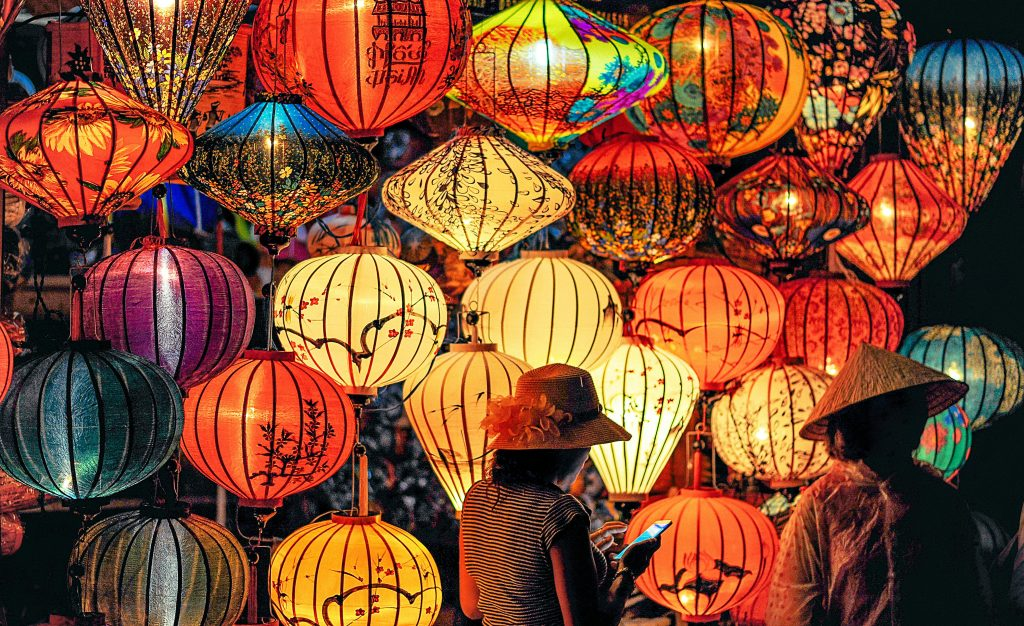
Art is one of the most powerful ways people express ideas and emotions. Paintings, sculptures, photography, crafts, architecture, and digital artwork all contribute to cultural expression.
Art can reflect the history and values of a society. It can also challenge ideas, tell stories, and encourage people to see the world differently.
Traditional art often uses techniques and styles passed down through generations. Modern art may combine traditional influences with new materials, technologies, and creative approaches.
Both forms are important parts of cultural identity.
Music and Cultural Expression
Music exists in every part of the world. Different communities have developed unique musical styles, instruments, rhythms, and traditions.
Music can be connected to celebrations, ceremonies, work, storytelling, and entertainment.
Traditional music often reflects a community’s history and identity. Modern music continues to evolve as artists combine different influences and technologies.
The global popularity of music has also created new cultural connections. People can now discover songs and musical styles from around the world with just a few clicks.
Food as a Part of Culture
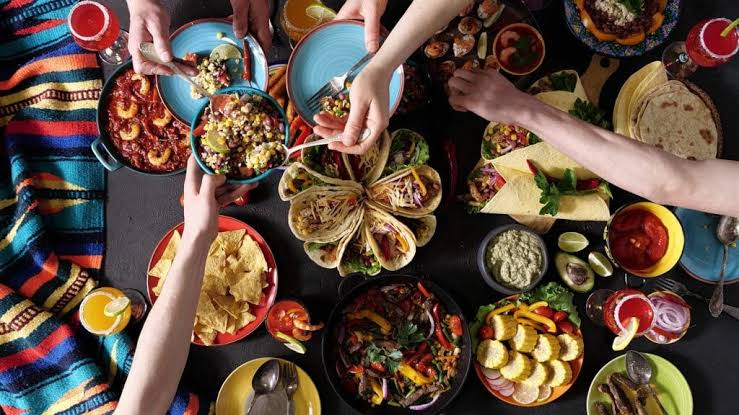
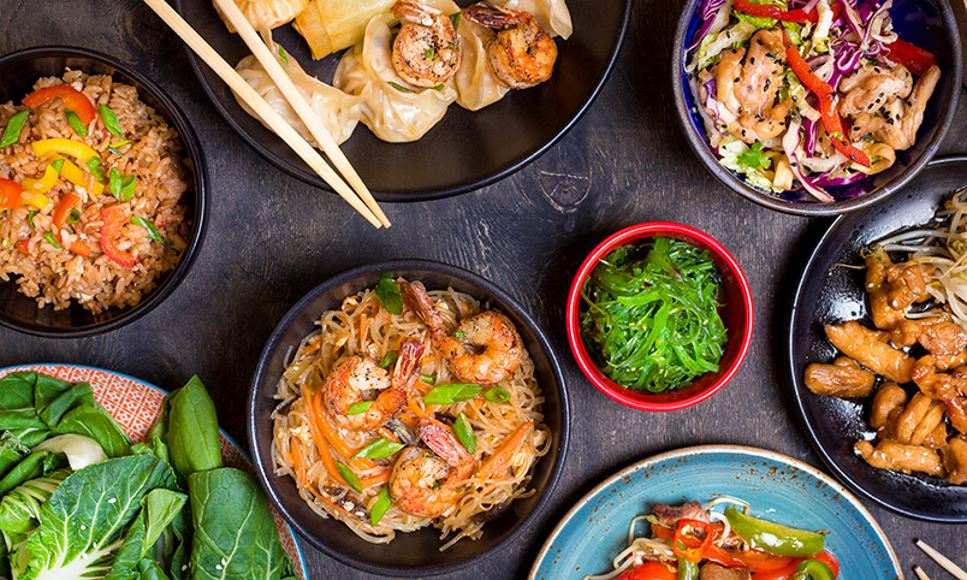
Food is an important part of cultural identity. Traditional recipes often reflect local ingredients, history, climate, and family traditions.
Many dishes are passed from one generation to the next, with each family adding its own personal style.
Food can also bring people together. Shared meals, festivals, markets, and celebrations often play an important role in community life.
Exploring food from different cultures can be a simple and enjoyable way to learn about the world.
Language and Identity
Language is closely connected to culture and identity. It allows people to communicate ideas, preserve stories, and pass knowledge between generations.
Every language has its own expressions, sounds, and ways of describing the world.
Many languages also have regional variations and dialects. These differences can reflect local history and cultural development.
Learning even a few words from another language can help people connect with different communities and show respect for their culture.
Cultural Heritage
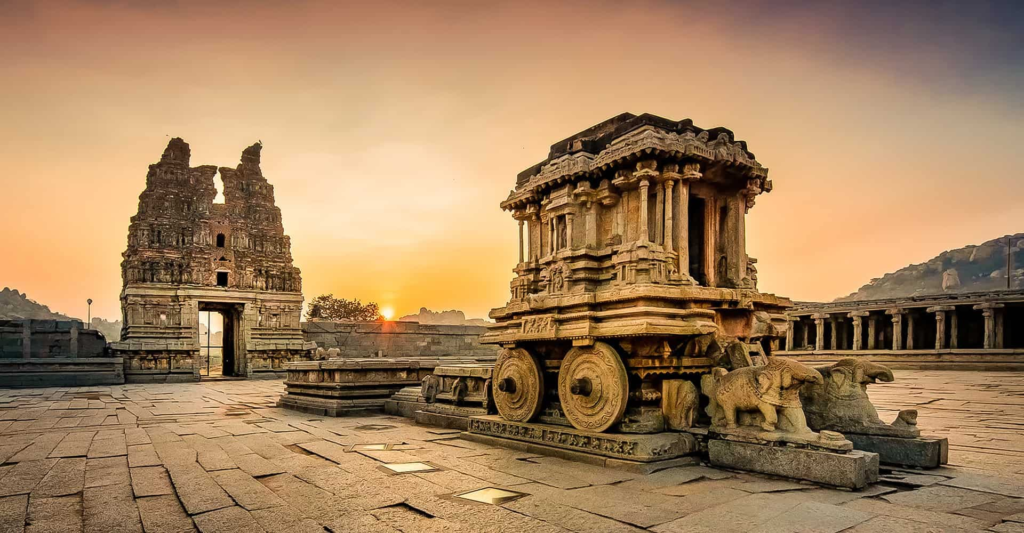
Cultural heritage includes the traditions, places, objects, knowledge, and practices that communities value and preserve.
Historic buildings, traditional crafts, ancient monuments, festivals, music, and storytelling can all be part of cultural heritage.
Protecting cultural heritage is important because it helps future generations understand the past.
Heritage preservation can also support education, tourism, and local communities.
Museums and Cultural Experiences
Museums provide opportunities to explore art, history, science, and cultural traditions.
Visitors can learn about ancient civilisations, famous artists, historical events, traditional objects, and modern cultural movements.
Cultural experiences are not limited to museums. Local markets, festivals, historic neighbourhoods, performances, workshops, and community events can also provide valuable insights.
When exploring a new culture, taking time to observe and learn can make the experience more meaningful.
Cultural Diversity
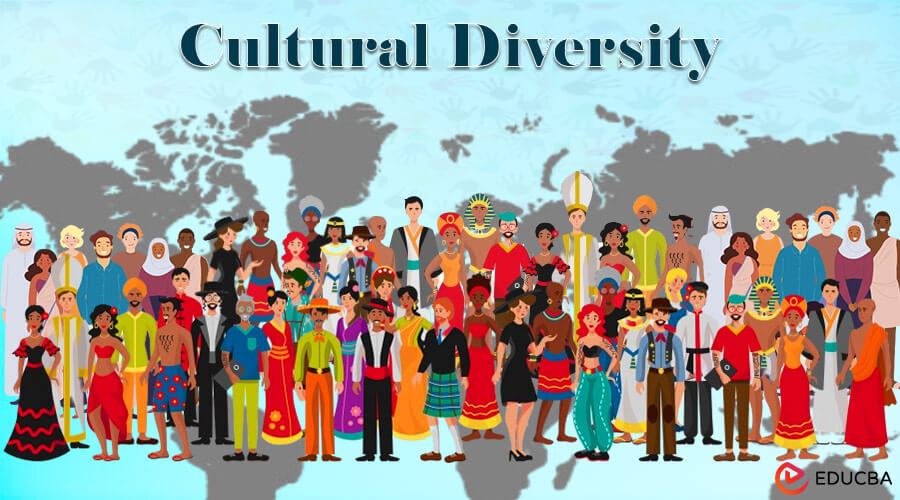
The world is home to thousands of cultures, each with its own traditions and perspectives.
Cultural diversity makes communities more interesting and helps people learn from different experiences.
Understanding cultural differences can encourage respect and reduce misunderstandings.
It is important to approach other cultures with curiosity and an open mind. Not every tradition needs to be viewed through the lens of one’s own customs.
Learning about differences can help people develop greater appreciation and understanding.
The Influence of Travel
Travel offers a direct way to experience different cultures. Visiting new places can introduce people to different foods, languages, traditions, architecture, music, and ways of life.
Responsible travel involves respecting local communities and customs.
Travellers can support local businesses, learn basic cultural etiquette, avoid damaging heritage sites, and show respect for local traditions.
The best cultural experiences often come from genuine curiosity and meaningful interaction.
Modern Culture and Technology

Technology has changed how culture is created and shared. Social media, streaming platforms, digital art, online communities, and global communication allow cultural ideas to travel quickly.
A song, artwork, trend, or tradition can reach people around the world within a short time.
This has created new forms of cultural exchange. People can discover different perspectives and creative styles without travelling.
At the same time, digital culture continues to evolve rapidly, creating new forms of communication and expression.
Preserving Cultural Traditions
Modern life can sometimes put traditional practices at risk. As communities change, certain languages, crafts, customs, and forms of knowledge may become less common.
Preserving traditions can involve education, community programmes, museums, cultural organisations, and family storytelling.
Younger generations can play an important role by learning about their heritage and finding new ways to keep traditions relevant.
Preservation does not always mean keeping traditions exactly the same. In many cases, culture survives by adapting to changing times.
How to Explore Culture Respectfully
When learning about a culture, respect is essential. Avoid making assumptions based on limited information or treating traditions as entertainment without understanding their meaning.
Take time to learn from reliable sources and listen to people from the culture itself.
When travelling, follow local customs and be aware of appropriate behaviour, clothing, photography, and communication.
A respectful approach creates more meaningful cultural experiences.
Why Cultural Learning Matters



Learning about culture can improve understanding between people. It helps us recognise that there are many different ways to live, communicate, celebrate, and express ideas.
Cultural knowledge can also encourage creativity. Artists, writers, designers, musicians, and creators often find inspiration by exploring different cultural influences.
Most importantly, culture reminds us of the shared human experiences that connect people across different backgrounds.
FAQ’s
1. What is culture?
Culture includes the traditions, history, art, language, food, music, customs, and values shared by a community.
2. Why is cultural heritage important?
Cultural heritage helps preserve history, traditions, and knowledge for future generations.
3. How can I learn about different cultures?
Explore museums, books, travel, traditional food, music, art, festivals, and reliable cultural resources.
4. Why is cultural diversity valuable?
Cultural diversity encourages understanding, creativity, respect, and appreciation for different ways of life.
5. How can we preserve cultural traditions?
Traditions can be preserved through education, storytelling, community events, cultural programmes, and family practices.