
Culture has always been a powerful force that shapes the way people live, communicate, work, and express themselves. From language and traditions to music, fashion, food, and technology, culture influences nearly every aspect of daily life. In today’s interconnected world, global culture is evolving faster than ever before. Advances in technology, international travel, digital communication, and social media have brought people from different backgrounds closer together, creating opportunities for cultural exchange while also presenting new challenges.
As we move further into 2026, global culture continues to transform in exciting ways. Traditional customs are blending with modern innovations, and communities are finding new ways to preserve their heritage while embracing change. Understanding these cultural trends helps individuals, businesses, educators, and governments adapt to an increasingly connected world. This article explores the key trends shaping the future of global culture and explains why they matter for society.
The Growing Influence of Digital Culture
Digital technology has become one of the biggest drivers of cultural change. The internet allows people from different countries to share ideas, traditions, and creative works instantly. Social media platforms, online communities, and streaming services have made global culture more accessible than ever before.
People now discover international music, films, recipes, fashion trends, and art with just a few clicks. Digital creators are introducing audiences to unique cultural experiences that were once limited by geography. This exchange of ideas promotes greater understanding while inspiring creativity across cultures.
However, digital culture also raises important questions about protecting local traditions and maintaining cultural identity. As global trends spread rapidly online, communities are working to ensure that their unique customs and values are not lost.
Cultural Diversity Becomes a Global Strength
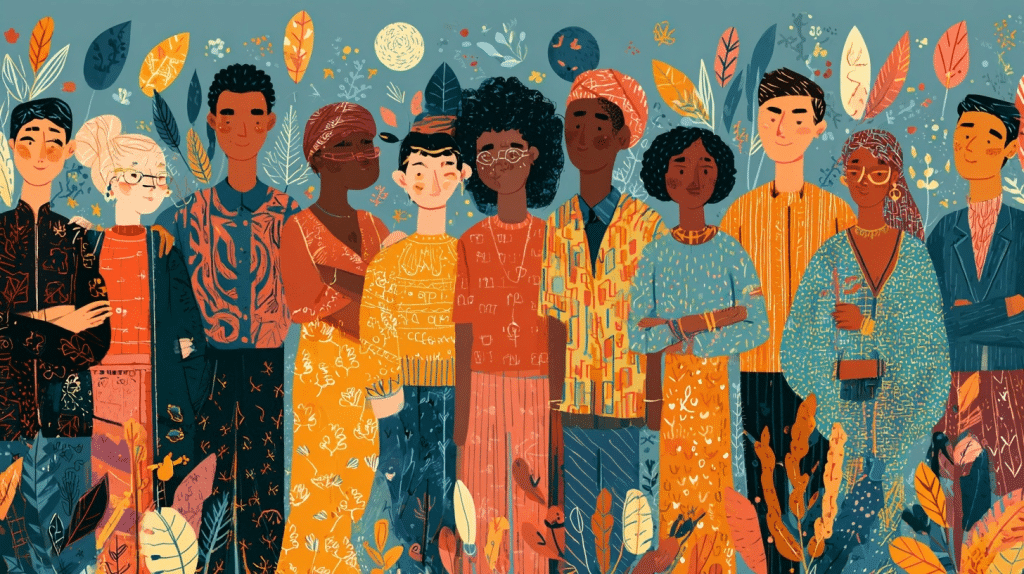
One of the most significant cultural trends is the growing appreciation for diversity. Organizations, educational institutions, and businesses increasingly recognize that diverse perspectives encourage innovation and stronger problem-solving.
Countries are becoming more multicultural due to migration, international education, and global business opportunities. As people interact with individuals from different backgrounds, they develop greater respect for different beliefs, languages, and traditions.
Celebrating diversity strengthens communities by promoting inclusion and encouraging people to learn from one another. Future societies will continue to value cultural diversity as a key driver of creativity and collaboration.
Technology Is Transforming Cultural Expression
Technology has changed the way culture is created, shared, and preserved. Artists now use artificial intelligence, virtual reality, augmented reality, and digital design tools to create immersive cultural experiences.
Museums are offering virtual tours, historical sites can be explored online, and cultural festivals are streamed worldwide. These innovations make cultural experiences available to millions of people regardless of location.
Technology also helps preserve endangered languages, historical documents, and traditional art forms by creating digital archives that future generations can access.
Social Media Shapes Modern Culture
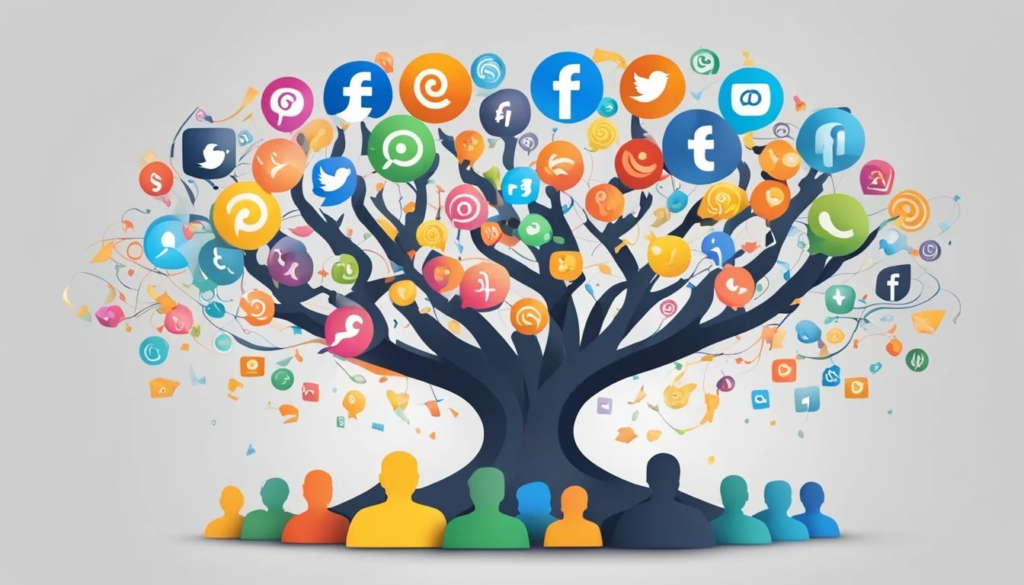
Social media has become one of the most influential cultural platforms in the world. Trends spread globally within hours, allowing people to participate in conversations that cross national boundaries.
Influencers, educators, artists, and community leaders use social media to share cultural traditions, historical knowledge, and creative content. Popular challenges, educational videos, and storytelling have introduced audiences to customs from around the world.
While social media creates opportunities for cultural appreciation, users must also ensure that traditions are represented respectfully and accurately.
Global Cuisine Continues to Expand
Food has become one of the easiest ways people experience different cultures. International restaurants, cooking tutorials, food delivery services, and travel have introduced global cuisine to wider audiences.
Traditional recipes are being adapted using local ingredients while maintaining their cultural significance. Fusion cuisine continues to grow as chefs combine techniques and flavors from different cultures to create new dining experiences.
Food also serves as a bridge between communities, encouraging cultural appreciation through shared meals and culinary traditions.
Sustainable Cultural Practices Gain Importance

Environmental awareness is influencing cultural traditions across the world. Communities are adopting sustainable practices while preserving cultural heritage.
Traditional craftsmanship, handmade products, local farming, eco-friendly festivals, and responsible tourism are becoming more popular as people seek environmentally conscious lifestyles.
Many indigenous communities have practiced sustainable living for generations, and their knowledge is increasingly recognized as valuable in addressing modern environmental challenges.
The Rise of Global Entertainment
Entertainment has become truly international. Movies, television series, music, gaming, and online streaming introduce audiences to stories from every corner of the world.
People now enjoy films produced in different languages, listen to international music genres, and follow artists from multiple countries. This exposure increases cultural understanding while creating opportunities for global collaboration among creators.
The entertainment industry continues to break language barriers through subtitles, dubbing, and improved translation technologies.
Cultural Heritage Meets Innovation
Preserving cultural heritage remains essential even as societies embrace modernization. Governments, museums, educational institutions, and local communities are investing in projects that protect historical sites, languages, and traditions.
Digital preservation technologies allow historical artifacts to be scanned and documented, making them accessible to researchers and the public.
Young generations are also finding creative ways to keep traditions alive by combining ancient customs with modern design, music, fashion, and technology.
Education Encourages Global Citizenship

Education plays an important role in shaping future cultural understanding. Schools and universities increasingly emphasize international collaboration, multicultural education, and global citizenship.
Students learn about different cultures through exchange programs, online classrooms, and collaborative research projects. These experiences prepare future generations to work effectively in diverse environments.
Language learning also continues to grow as communication across cultures becomes increasingly valuable in business and education.
Artificial Intelligence and Cultural Innovation
Artificial intelligence is becoming a valuable tool for cultural preservation and creativity. AI helps translate languages, restore historical documents, recommend educational content, and assist researchers studying cultural history.
Creative professionals are also using AI to generate artwork, compose music, and develop interactive storytelling experiences inspired by different cultures.
Although AI offers exciting opportunities, human creativity and cultural authenticity remain essential to preserving meaningful traditions.
Responsible Tourism Supports Cultural Exchange
Tourism continues to influence global culture by connecting people with different communities and traditions. Travelers increasingly seek authentic cultural experiences rather than simply visiting popular attractions.
Responsible tourism encourages visitors to respect local customs, support small businesses, and protect historical landmarks.
Communities benefit economically while sharing their traditions with visitors in meaningful ways that preserve cultural identity.
Fashion Reflects Cultural Evolution
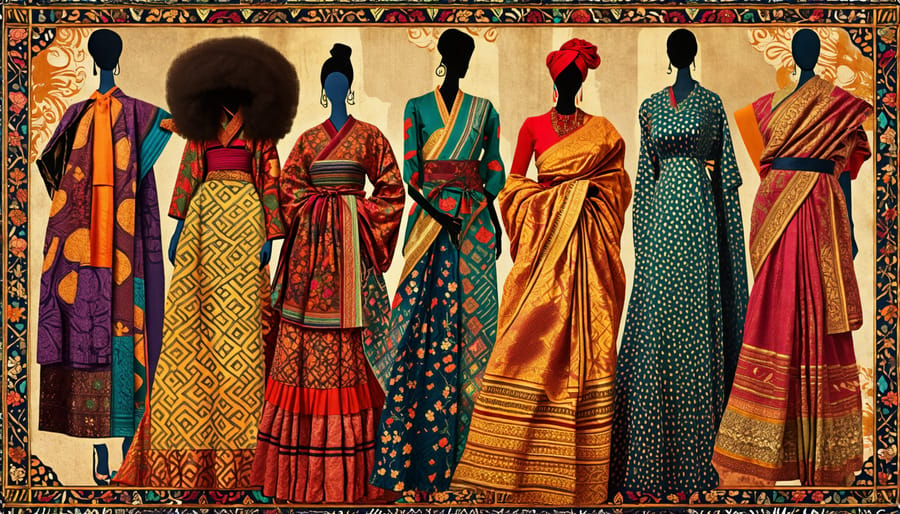
Fashion has always been an important form of cultural expression. Designers now draw inspiration from global traditions while creating modern styles that appeal to international audiences.
Consumers are becoming more interested in sustainable fashion, ethical production, and handmade craftsmanship. Traditional textiles and local artisans are receiving greater recognition as people value authenticity and quality over mass production.
Fashion continues to reflect changing social values, creativity, and cultural appreciation.
The Importance of Cultural Preservation
Despite rapid globalization, preserving local traditions remains essential. Every language, celebration, art form, and historical practice contributes to humanity’s shared heritage.
Communities are documenting oral histories, restoring historical buildings, teaching traditional crafts, and encouraging younger generations to participate in cultural celebrations.
Balancing modernization with preservation ensures that future generations inherit rich cultural traditions alongside technological progress.
Challenges Facing Global Culture

Although cultural exchange offers many benefits, it also presents challenges.
Globalization can sometimes lead to cultural homogenization, where local traditions become overshadowed by global trends. Digital misinformation may spread inaccurate representations of cultures, while commercialization can reduce meaningful traditions to entertainment.
Addressing these challenges requires education, respectful dialogue, responsible media, and continued efforts to preserve cultural authenticity.
What the Future Holds
The future of global culture will likely be defined by greater collaboration, technological innovation, and cultural appreciation. Advances in artificial intelligence, virtual reality, digital communication, and education will continue to connect people across borders.
At the same time, communities will place increasing importance on protecting their cultural identities while embracing positive global influences. The balance between innovation and tradition will shape how societies evolve in the coming decades.
Conclusion
Global culture is entering an exciting period of transformation. Technology, education, travel, entertainment, sustainability, and international collaboration are bringing people closer together while creating new opportunities for cultural exchange. As societies become increasingly interconnected, understanding and respecting different cultures will become even more important.
The future of global culture is not about replacing traditions with modernity but about finding meaningful ways to preserve cultural heritage while embracing innovation. By celebrating diversity, supporting cultural preservation, encouraging responsible communication, and promoting global understanding, individuals and communities can help create a future where every culture continues to thrive.
As we move forward, the ability to learn from one another, appreciate different perspectives, and preserve our shared human heritage will define the strength and richness of global culture for generations to come.
FAQ’s
1. What is global culture?
Global culture refers to the shared ideas, values, traditions, and influences that develop through interaction between people from different countries and cultures.
2. How is technology changing global culture?
Technology connects people worldwide, making it easier to share cultural traditions, art, music, education, and ideas through digital platforms.
3. Why is cultural diversity important?
Cultural diversity promotes creativity, innovation, mutual respect, and stronger communities by encouraging people to learn from different perspectives.
4. What are the biggest cultural trends in 2026?
Key trends include digital culture, AI-driven creativity, sustainable lifestyles, multicultural collaboration, responsible tourism, and the preservation of cultural heritage.
5. How can individuals help preserve cultural heritage?
People can preserve cultural heritage by supporting local traditions, learning about different cultures, respecting historical sites, and passing cultural knowledge to future generations.