
Space exploration is no longer a distant dream limited to science fiction or Cold War rivalries. Today, it stands at the center of global innovation, economic ambition, and humanity’s long-term survival. Thanks to groundbreaking technology, bold private companies, and renewed international cooperation, space exploration is entering its most powerful era yet—and the impact reaches far beyond the stars.
A Perfect Storm of Innovation and Opportunity
What makes this era so different from the past? Simply put, multiple revolutions are happening at once:
- Rapid advancements in AI and robotics
- Cheaper and reusable rocket technology
- Strong government–private sector partnerships
- Growing public interest and global competition
Unlike earlier decades, progress is no longer slow or experimental. Instead, discoveries are happening faster, cheaper, and smarter.
Technology Has Rewritten the Rules of Space
Modern space missions are powered by tools that didn’t exist even 20 years ago.
Artificial Intelligence & Automation
AI now plays a crucial role in navigation, data analysis, and autonomous decision-making in deep space. Rovers can analyze soil samples without waiting for Earth-based commands, saving time and reducing mission risk.
Reusable Rockets
Reusable launch systems have dramatically reduced costs. This shift—championed by private companies—has made frequent missions financially viable rather than exceptional.
Advanced Telescopes
The launch of the James Webb Space Telescope has transformed our understanding of the universe. It captures images from billions of years ago, helping scientists study galaxy formation, black holes, and potentially habitable planets.
Governments and Private Companies Are Finally Aligned
For decades, space exploration depended almost entirely on government agencies. That model has evolved.
- NASA now collaborates closely with private firms.
- SpaceX has revolutionized launch frequency and cost efficiency.
- New players are entering the race, turning space into a competitive and innovative ecosystem.
This partnership-driven approach allows governments to focus on science and safety while private companies accelerate engineering and scalability.
Space Exploration Is About Life on Earth, Too
One common misconception is that space exploration only benefits astronauts and scientists. In reality, everyday life on Earth is deeply connected to space technology.
Climate Monitoring
Satellites track deforestation, ocean temperatures, melting glaciers, and extreme weather patterns. These insights are essential for fighting climate change.
Communication & Navigation
GPS, satellite internet, disaster response systems, and global broadcasting all depend on space infrastructure.
Medical and Scientific Breakthroughs
Research conducted in microgravity has led to advances in medicine, materials science, and even cancer research.
Mars, Moon, and Beyond: A Clear Roadmap
This powerful era isn’t driven by vague ambitions—it’s guided by clear, achievable goals.
The Moon
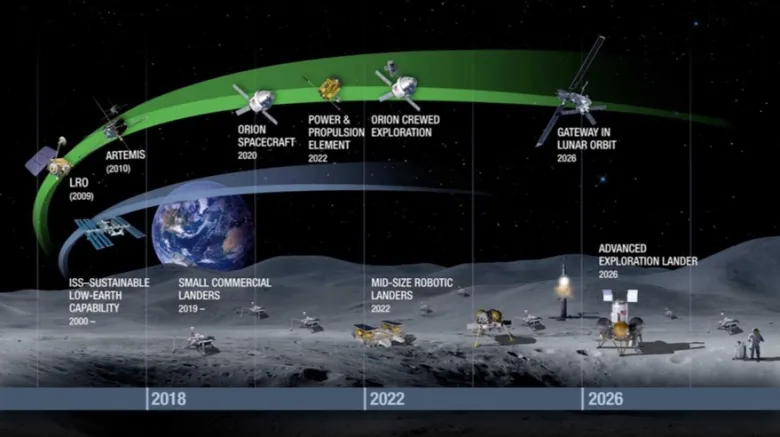
Programs like Artemis aim to establish a long-term human presence on the Moon, serving as a testing ground for deeper missions.
Mars
Robotic explorers are already studying the Martian surface, searching for signs of ancient life and preparing for future human missions.
Deep Space
Asteroid mining, space stations beyond Earth orbit, and interplanetary travel are shifting from theory to planning stages.
Global Competition Is Fueling Rapid Progress
Space exploration has become a symbol of national prestige and technological strength. Countries across Asia, Europe, and the Middle East are investing heavily in their own missions.
This competition is healthy and productive—it accelerates innovation, encourages collaboration, and pushes boundaries faster than ever before.
The Space Economy Is Exploding
Experts estimate the global space economy could be worth trillions of dollars in the coming decades. Opportunities include:
- Satellite manufacturing
- Space tourism
- Data analytics from space-based sensors
- Off-world resource extraction
This economic potential ensures sustained investment and long-term growth in space exploration.
Why This Era Truly Feels Different
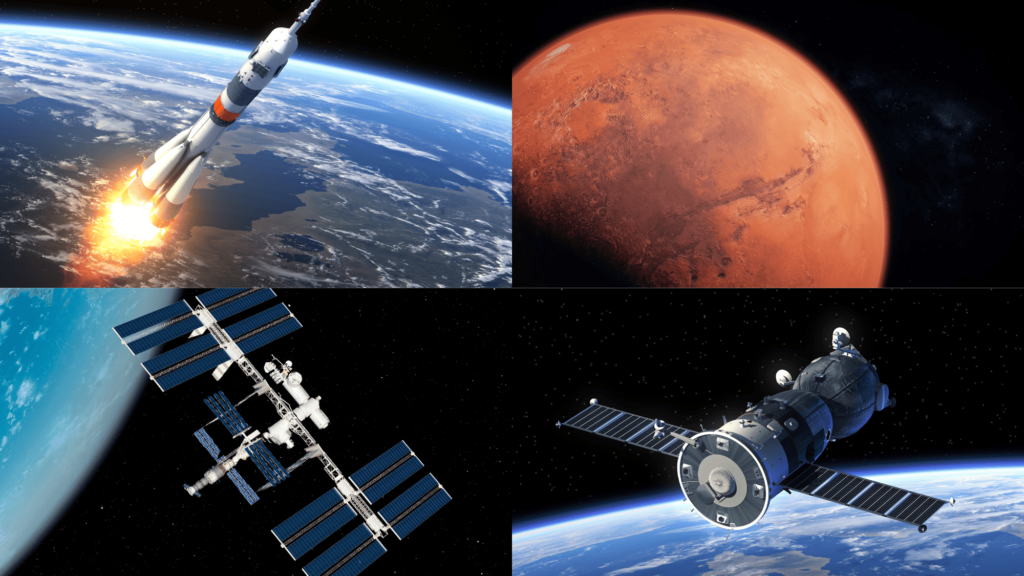
Unlike past space booms, today’s momentum is sustainable. The goals are practical, the funding is diversified, and the benefits are immediate.
More importantly, space exploration is no longer just about “going farther.” It’s about:
- Protecting Earth
- Advancing science
- Inspiring future generations
- Securing humanity’s place in the universe
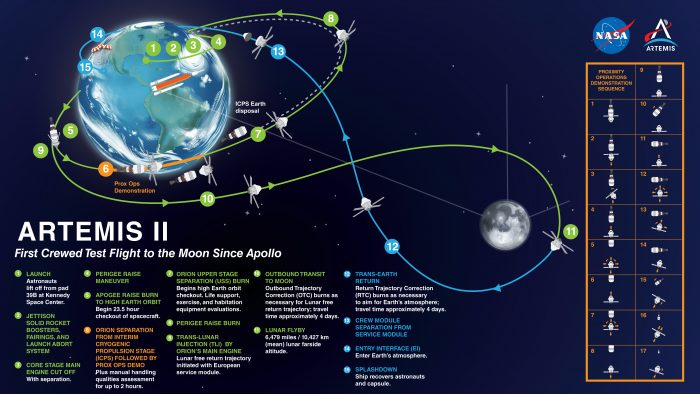
Space exploration is entering its most powerful era because everything finally aligns—technology, ambition, economics, and global cooperation. What once felt impossible is now scheduled, funded, and actively unfolding.
As we look up at the night sky today, we’re not just seeing stars—we’re witnessing the next chapter of human progress being written among them.
This article is for informational and educational purposes only. Space missions, timelines, and technologies are subject to change based on scientific, political, and financial developments.
#SpaceExploration #SpaceTechnology #FutureOfSpace #NASA #SpaceX #JamesWebbTelescope #MarsMission #MoonMission #DeepSpace #Astronomy #Carrerbook#Anslation#AstroScience #SpaceInnovation #SpaceEconomy #HumanityInSpace #ScienceAndTechnology