
The U.S. economy in 2025 is navigating a complex mix of resilience and headwinds: while growth is holding up in some quarters and consumers are still spending, structural pressures — like elevated inflation, a cooling labor market, and global uncertainty — are casting long shadows. Here’s a breakdown of where things stand.
What’s Holding Up — Growth, Spending, and Recovery Signals
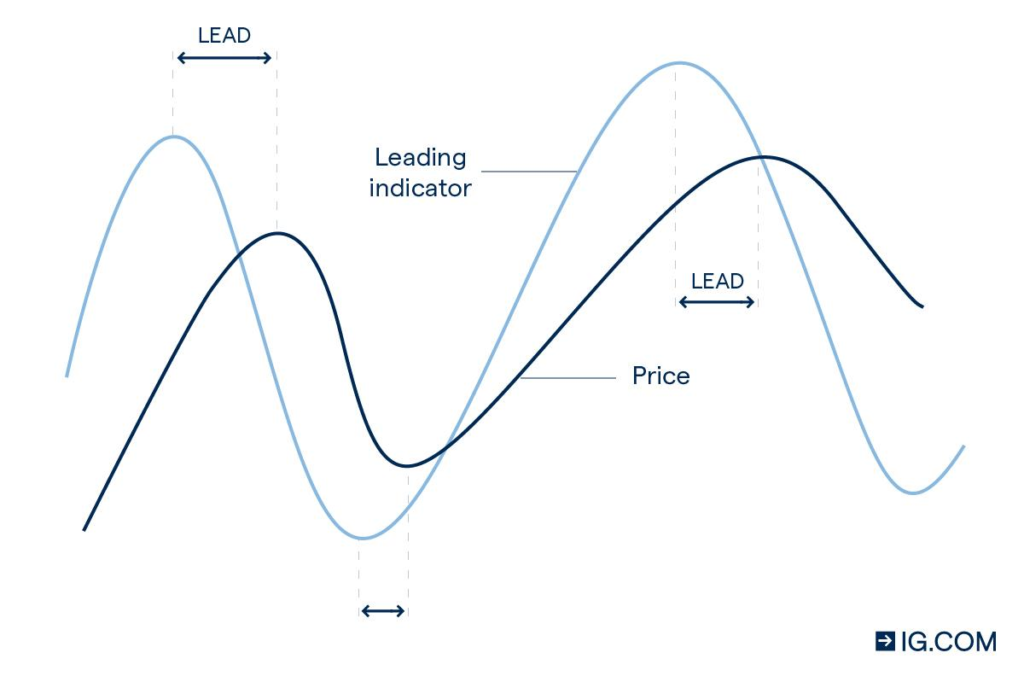
- According to the latest data, real gross domestic product (GDP) in the second quarter of 2025 jumped 3.8 % (annualized) — a strong rebound after a weak start to the year.
- The uptick in GDP was driven largely by an increase in consumer spending and a drop in imports (which counts favorably in GDP calculus).
- Personal income and personal consumption expenditure (PCE) — two major indicators of household health — have risen in many states, reflecting broad-based economic activity across the United States.
- Despite uncertainty, estimates suggest 2025’s “real GDP growth” will likely land around 2.0%, a modest but respectable pace under current global and domestic conditions.
In short: growth hasn’t collapsed. Rather, after a shaky first quarter, the economy saw a bounce — suggesting that consumption and business activity are still providing a base level of support.
What’s Weak or Uncertain — Inflation, Jobs, and Structural Headwinds
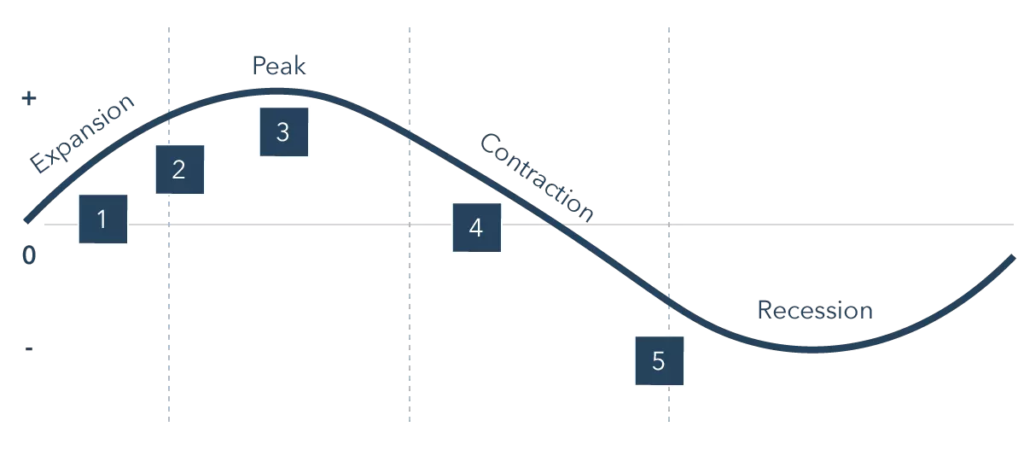
- Inflation remains a challenge. Although somewhat moderated compared to previous spikes, prices — especially for housing, services, energy and food — are still elevated. U.S.
- The labor market shows signs of cooling. For example, the most recent official employment data indicates that the U.S. economy added about 119,000 nonfarm payroll jobs in September 2025 — a modest increase, but far lower than the robust hiring seen in earlier years. Bureau of Labor Statistics
- The unemployment rate remains around 4.4%.
- Meanwhile, participation rates and job openings have dipped compared to past years: the workforce is growing more slowly, partly due to immigration slowdown and demographic shifts — meaning fewer new jobs are needed just to keep unemployment stable.
- On the policy side, the central bank — the Federal Reserve (Fed) — has signaled caution. On December 10, 2025, the Fed cut its benchmark interest rate by 25 basis points to 3.50–3.75%, the third rate cut of the year.
- While interest rate cuts may ease borrowing and support some growth, uncertainty remains: inflation remains sticky, and consumer expectations — including around medical costs and overall financial conditions — remain wary.
Thus, while growth is present, the underlying strength seems uneven: job growth is slowing, inflation remains a worry, and the structural shift in labor force participation may weigh on future growth potential.
What Analysts & Forecasts Expect — How 2026 and Beyond Might Shape Up
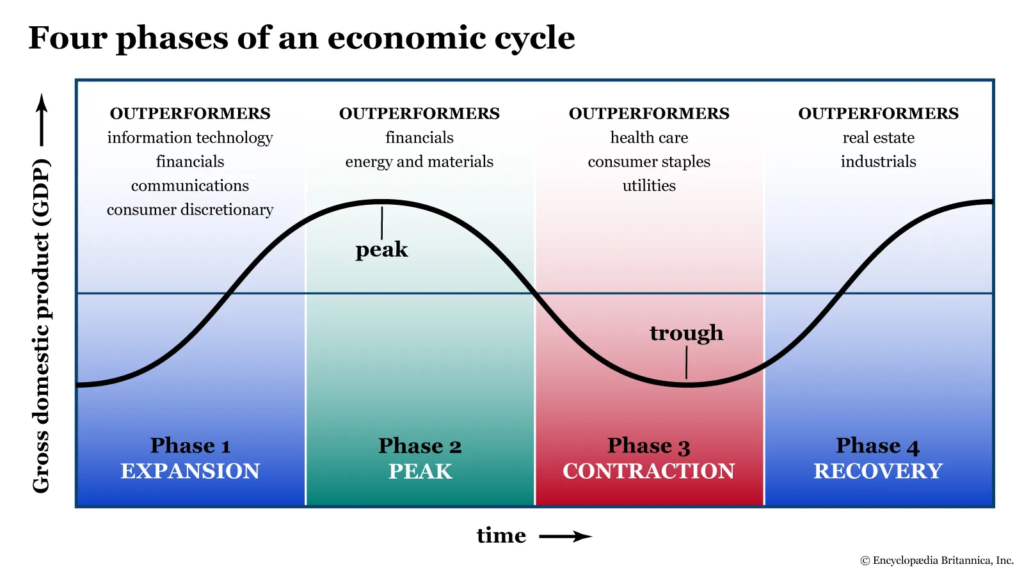
- According to the Organisation for Economic Co‑operation and Development (OECD), real GDP growth in the U.S. is projected to slow to around 1.7% in 2026, before gradually recovering to ~1.9% in 2027.
- Some forecasts expect a mild “soft landing” — not a recession — as inflation gradually moderates, fiscal stimulus and private investment (especially in technology and infrastructure) support modest growth.
- On the monetary-policy front, the Fed’s December rate cut signals a shift toward easing, but officials have expressed reluctance to commit to aggressive future cuts — in part because inflation remains above their comfort zone.
- That said, if inflation continues to moderate and labor markets hold up decently, interest rate cuts could help revive sectors like housing, consumer durables, and business investment in 2026.
So: modest growth likely ahead — but much depends on how inflation, labor markets, and global headwinds evolve.
Key Risks & What Could Go Wrong
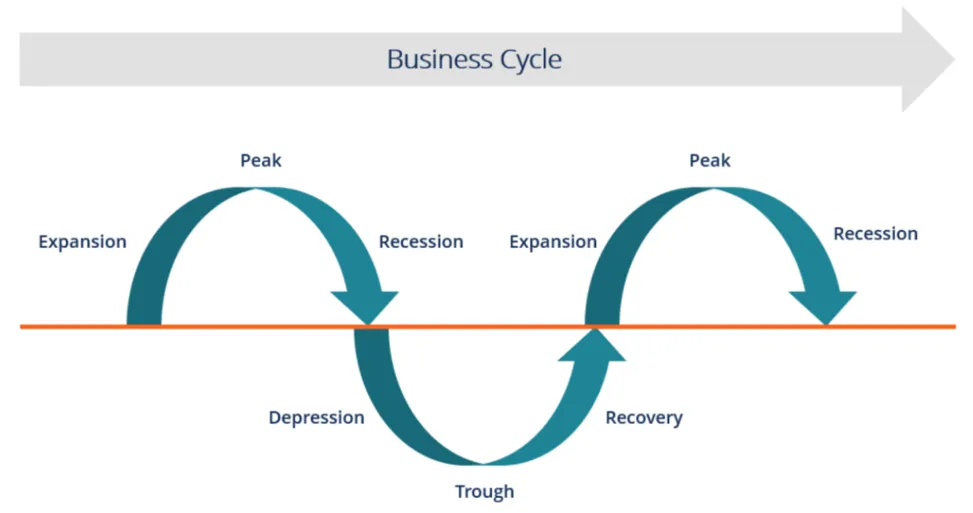
- Persistent inflation — If price pressures (on energy, housing, essentials) don’t ease, consumers’ spending power could shrink significantly, denting demand.
- Sluggish labor & population growth — Lower immigration and demographic shifts may reduce workforce growth, limiting long-term output and consumption growth.
- Slow business investment — If companies remain cautious (due to global uncertainty, geopolitics, or tight financing) — innovation, productivity gains, and hiring could lag.
- Global headwinds & trade tensions — International economic slowdowns, supply-chain disruptions, or renewed trade frictions could hit exports and corporate sentiment hard.
- Miscalibrated monetary policy — If the Fed cuts rates too aggressively or too little, it might trigger either a surge in inflation or a deeper slowdown.
What to Watch This Quarter & 2026
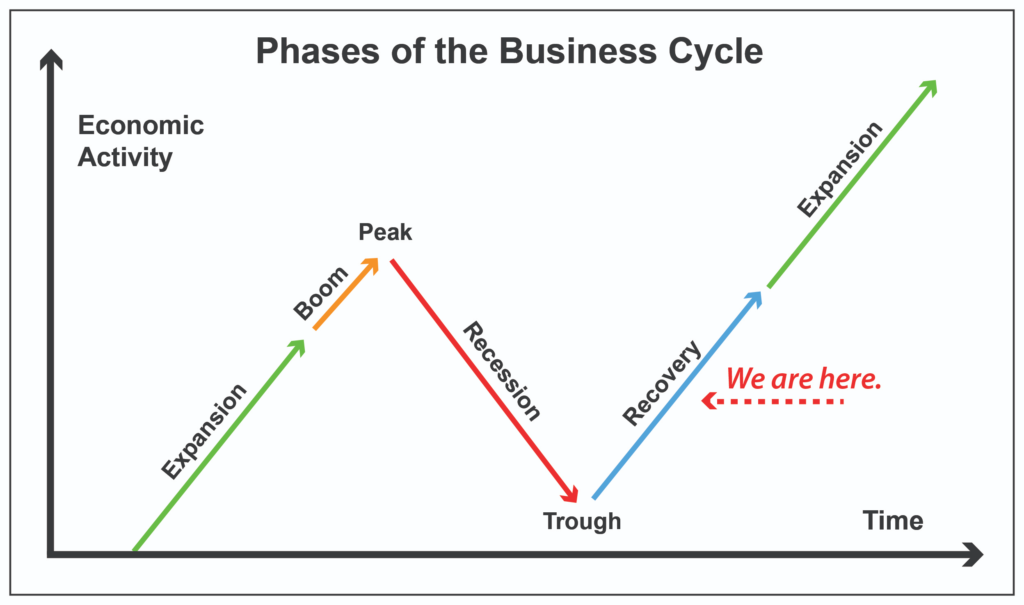
- Next data releases on inflation (CPI / PCE), employment, wage growth, and consumer sentiment. If inflation falls while jobs remain stable, that would be a strong positive sign.
- How the Fed communicates future rate moves: cautious guidance may stave off panic, but aggressive easing or hawkish surprises could jolt markets.
- Business investment trends — especially in tech, infrastructure, and AI — which could influence productivity and long-term growth.
- Government fiscal policy: tax changes, infrastructure bills, and trade policy may play key roles in shaping consumer and corporate decisions.
- Global economic conditions: external shocks — from geopolitical tensions, commodity price swings, or global demand slowdown — can ripple through trade and markets.
Bottom Line: It’s a Soft Landing — But the Path Ahead Is Uneven
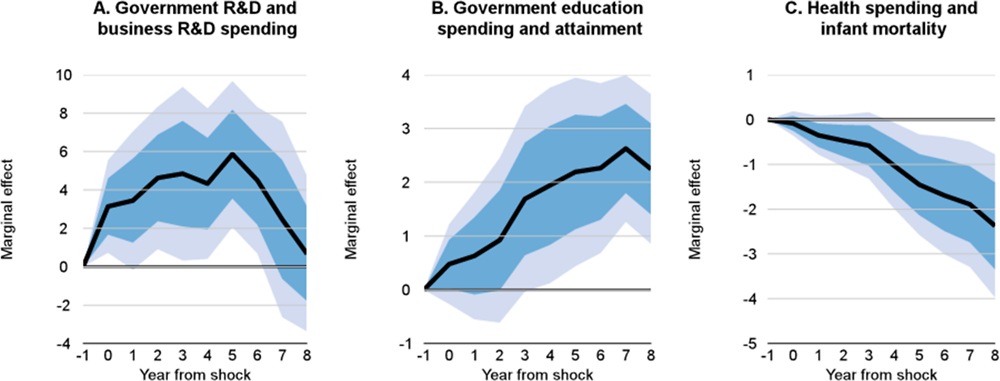
As of late 2025, the U.S. economy is neither booming nor collapsing. Instead, it’s in a “soft-landing” mode — moderated growth, cautious optimism, and mixed signals. Consumption and spending are holding up, GDP growth remains positive, and the policy environment is adapting to shifting conditions.
That said, persistent inflation, labor market cooling, and structural headwinds mean the recovery is fragile. The next 6–18 months are likely to define whether the U.S. economy can steer toward stable growth — or slip into a longer period of stagnation.
latest major economic updates (as of Dec 2025) for the United States economy
| Indicator / Measure | Latest Value / Change | What it Means / Notes |
|---|---|---|
| Interest Rate (federal funds rate) | 3.50 % – 3.75 % (after 25 bps cut on Dec 10, 2025) The Financial Express+2Trading Economics+2 | The central bank — Federal Reserve — cut rates to support economic growth and a cooling job market; signals possible pause / careful moves ahead. Reuters+1 |
| GDP Real Growth (most recent quarter) | + 3.8% (annualized, Q2 2025) Bureau of Economic Analysis+1 | Strong rebound — highest quarterly growth since Q3 2023; shows economy still producing and expanding. Trading Economics+1 |
| Consumer Inflation (CPI, 12-mo change) | + 3.0% (as of September 2025) Bureau of Labor Statistics+1 | Inflation remains elevated — higher prices on food, energy, services — meaning households still facing cost pressures. Bureau of Labor Statistics |
| Leading-Indicator Trend | The Conference Board’s Leading Economic Index (LEI) dropped 0.3% in Sept 2025; 6-month LEI decline faster than previous half-year. The Conference Board | Suggests economic activity may slow down further late 2025 / early 2026 — a warning signal for possible cooling or contraction. The Conference Board |
| Personal Income / Consumption | Personal income rose, and personal consumption expenditures remain up (states across U.S.) as of Q2 2025. Bureau of Economic Analysis | Shows households still earning and spending — supports demand, economic stability for now. Bureau of Economic Analysis |
| Economic Outlook / Risk | Fed policymakers signal only one more rate cut likely in 2026, not aggressive easing. Reuters+1 | Indicates cautious stance — dependence on data (inflation, jobs) for future moves; uncertainty ahead in growth, inflation balance. |
#USEconomy #Economy2025 #USEconomicUpdate #USInflation #USGDP #FederalReserve #FedRateCut #USMarkets #USFinanceNews #EconomicOutlook #Carrerbook#Anslation#USJobsReport #USBusiness #MarketTrends #GlobalEconomy #EconomicNews