
Most people hear the word “policy” and immediately tune out. It sounds like something meant for crowded rooms in government buildings, completely detached from the real world. But the truth is, these decisions quietly run the background track of our lives. From the price of a gallon of milk and your monthly rent to how your boss treats your remote work hours and who gets to look at your phone’s data, policy dictates the rules of the game.
Right now, we are living through a massive shift. Between runaway tech advancements, weird economic pressures, and climate changes, governments are scrambling to rewrite the rulebook. Whether we’re paying attention or not, these updates change our opportunities, our budgets, and our basic rights. Here is how it actually breaks down in the real world.
The Shift in Healthcare: Prevention and Pixels
Healthcare policy is usually a battleground over costs, but behind the political noise, the actual delivery of medicine is shifting. Governments are finally realizing that treating a chronic illness after it happens is infinitely more expensive than catching it early. Because of this, we’re seeing a massive push toward subsidized preventive screenings and wellness initiatives.
At the same time, the rules around digital medicine are being completely rewritten. Telemedicine used to be a rare exception; now, it’s a standard, policy-backed feature of modern care. By changing how insurance and public funds cover virtual visits, policymakers are making it possible for someone in a remote town to see a top-tier specialist without driving three hours. It’s a quiet change, but it radically alters how long—and how well—people live.
Education and the Career Mismatch
The traditional model of education—go to school, memorize facts, get a degree, land a 40-year career—is essentially dead. Technology is moving too fast for standard curricula to keep up. Because of this, education policy is undergoing a forced evolution.
Instead of just funding classic academic tracks, governments are pivoting hard toward digital literacy, tech skills, and hands-on problem-solving. There is also a massive, overdue focus on the sheer cost of higher education. Policies are shifting to fund trade schools, short-term credential programs, and community colleges. The goal is to stop turning out graduates with mountains of debt and zero marketable skills, and instead create a workforce that can actually pivot when the job market shifts.
Labor Laws Meet the Gig Economy
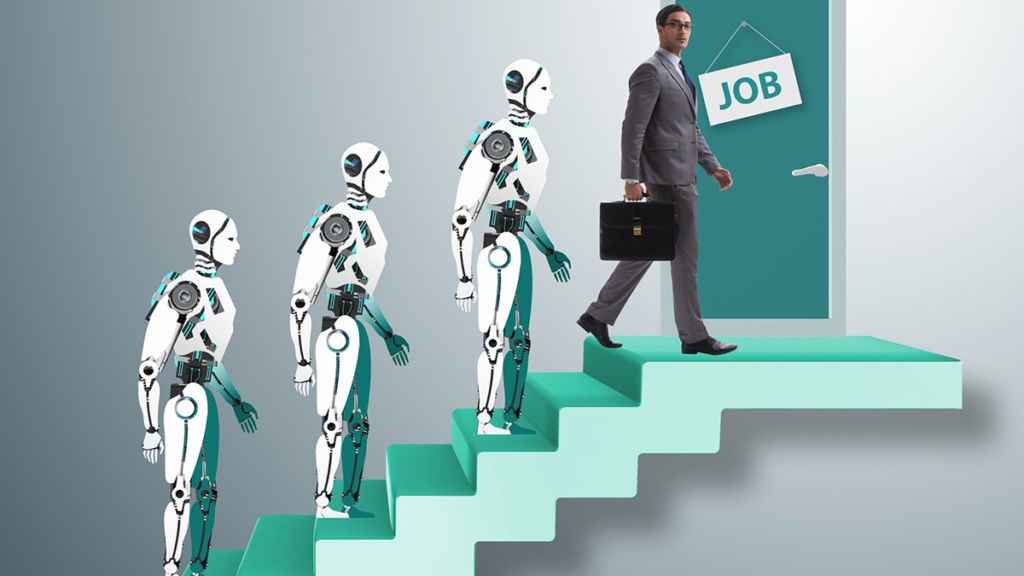
The way we work has changed more in the last decade than it did in the previous fifty years. Remote setups, freelance platforms, and gig apps have given people incredible flexibility, but they’ve also stripped away basic security.
Right now, regulators are playing catch-up. Governments are actively fighting over how to classify workers—deciding whether an app-based driver or a freelance designer deserves things like healthcare, minimum wage guarantees, and paid leave. At the same time, because automation and AI are breathing down everyone’s necks, public policy is shifting toward funding adult retraining programs. If your job gets phased out by a piece of software, new labor initiatives are increasingly designed to help you re-skill rather than leaving you out in the cold.
The Real Estate Crunch and Living Spaces
You don’t need an economist to tell you that housing has become a nightmare in most major cities. Rent and mortgage rates have outpaced average wages for years, turning housing affordability into a massive political firestorm.
To deal with this, urban policy is shifting away from just letting developers build whatever they want. Governments are stepping in with incentives for affordable housing blocks, grants for first-time buyers, and zoning changes that allow for higher-density living. This usually goes hand-in-hand with major transportation overhauls. After all, building affordable housing only works if people have a reliable, policy-funded transit system to get them to the places where the jobs actually are.
Planet, Taxes, and the Infrastructure Backlog
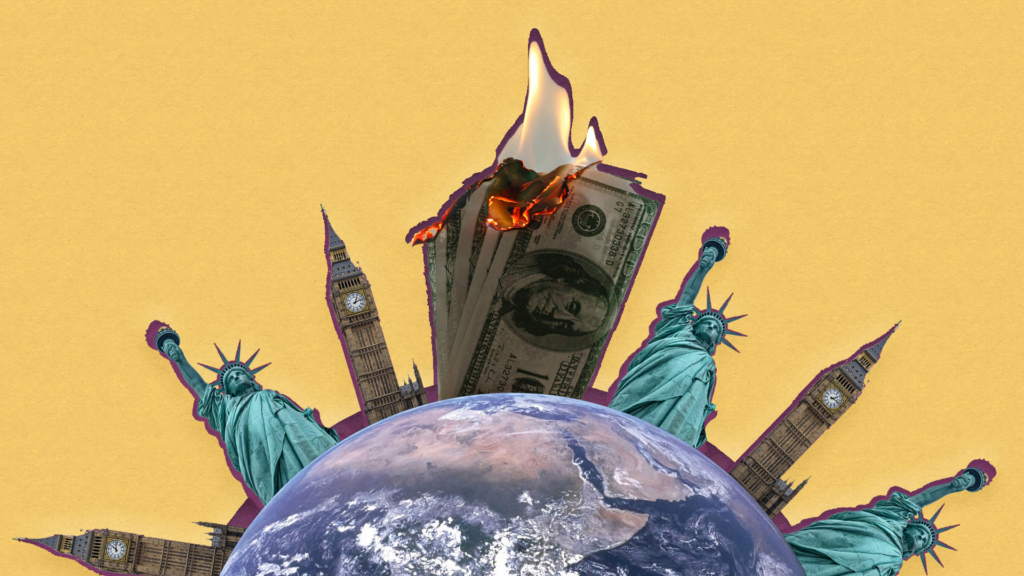
Environmental policy isn’t just about abstract climate targets anymore; it’s hitting our utility bills and car choices. Governments are using a mix of carrots and sticks—like tax credits for installing solar panels or buying electric vehicles, paired with stricter regulations on high-polluting industries—to force a transition toward clean energy.
This connects directly to tax policy, which is the government’s favorite tool for behavior modification. When a state wants to boost an industry, control inflation, or help families scrape by, they tweak the tax code. It’s why you see sudden shifts in child tax credits or small business deductions.
Meanwhile, our physical world is getting an upgrade. Governments are pouring massive amounts of capital into repairing aging bridges, expanding public transit, and upgrading electrical grids to handle the demands of a digital society. It’s expensive, it causes traffic delays, but it is the literal foundation of economic growth.
The Tech Frontier: Data Privacy and AI
We live our lives online, leaving a massive trail of personal data everywhere we click. For a long time, tech companies had free rein to hoard and sell that information. That era is ending. Heavily influenced by frameworks like Europe’s GDPR, governments worldwide are putting strict boundaries around data privacy. New laws are forcing companies to be transparent about what they collect and giving you the legal right to tell them to delete it.
But the newest, most volatile frontier is Artificial Intelligence. AI is moving fast enough to disrupt entire economies, which has terrified regulators. Current policy discussions are no longer about whether to regulate AI, but how to do it without killing innovation. Policymakers are scrambling to create guidelines around algorithm bias, deepfakes, copyright issues, and automated decision-making to ensure these tools don’t completely destabilize public trust and employment.
Safety Nets and Public Security
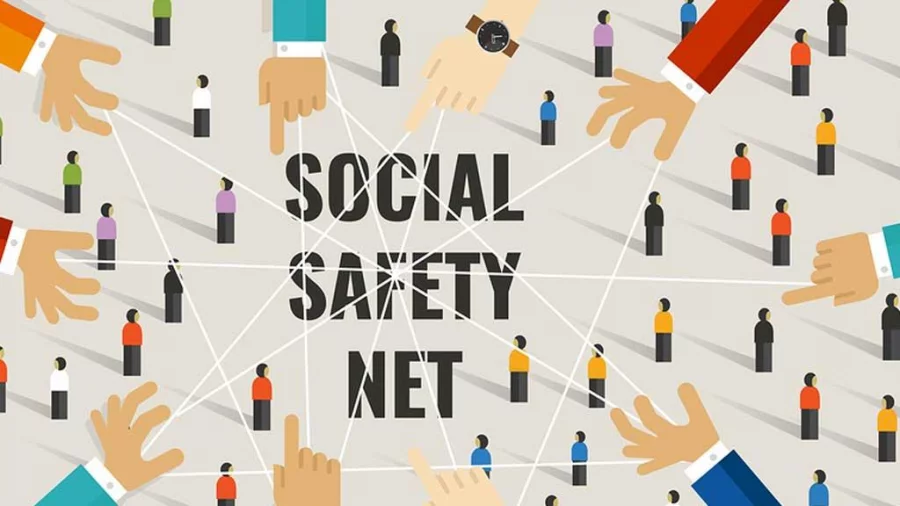
When things go wrong—whether it’s a personal financial crisis or a global pandemic—social welfare systems are the safety net. Current policy debates are focused on cutting through the red tape of these programs. The trend is moving toward making income support, childcare assistance, and elder care easier to access through digital portals, ensuring that public resources actually reach the people who need them during tough economic cycles.
On a broader scale, public safety policies are pivoting hard toward emergency preparedness. Between cyberattacks on critical infrastructure and increasingly severe natural disasters, governments are rewriting protocols for emergency communications, grid security, and public health readiness. It’s the kind of policy you only think about when everything goes wrong, but it’s what keeps the lights on when a crisis hits.
The Bottom Line
Every rule, restriction, incentive, and public service you encounter today is the result of a policy decision. Understanding these changes isn’t about memorizing political slogans; it’s about knowing your rights, protecting your wallet, and recognizing the opportunities headed your way.
When citizens actually understand how the machinery of government works, they stop being passive passengers and start having a say in where the country is steering. Staying informed is the only way to ensure that the policies of tomorrow actually make life better for the people living through them.
FAQs
1. Why are policy changes important?
They affect healthcare, education, jobs, housing, and daily life.
2. How do tax policies impact citizens?
They influence income, spending, savings, and public services.
3. Why is digital privacy policy important?
It helps protect personal data and online security.
4. How do housing policies affect people?
They impact home prices, rent costs, and housing availability.
5. What role do environmental policies play?
They promote sustainability, reduce pollution, and protect natural resources.