
Think about the last time your phone vibrated with a breaking news alert. Maybe you were making coffee, stuck in traffic, or just zoning out at your desk. In that split second, a headline about a factory shutdown across the ocean, a sudden policy change in Europe, or a new tech rollout in California instantly bridged the gap between a stranger’s reality and your own. By next Tuesday, that very headline could dictate the price of the eggs you’re buying, your retirement savings, or even the trajectory of your career.
It’s an incredible, sometimes utterly exhausting reality. Information doesn’t walk or crawl anymore; it flies at us at hyper-speed. We’ve outgrown the days when our world was bounded by our local neighborhoods or the town limits. Today, we are all unwillingly plugged into a massive global ecosystem where missing a beat doesn’t just mean you have less to talk about at lunch—it means you’re operating at a distinct disadvantage.
The way we consume this madness has flipped completely on its head. When was the last time you actually held a crisp morning newspaper and got your news from yesterday’s events? Or hurried home to catch the evening broadcast right at 6:00 PM? While traditional newsrooms still have a vital seat at the table, our primary windows into the world are the glowing screens in our hands, chaotic social feeds, and relentless push notifications.
Because of this, keeping up isn’t just a casual hobby we pick up when we’re bored. It has become a mandatory navigation tool for modern life, helping us make split-second decisions about our jobs, our savings, our weekend travel plans, and our basic safety.
The Ripple Effect: Why “Right Now” Matters So Much
When we talk about breaking news, we aren’t just talking about sensationalist headlines or media clickbait. We are talking about the real-time unfolding of human history, often with massive stakes.
Timely info is quite literally the thin line that keeps society functioning smoothly when things go sideways. When a brutal storm is tracking toward your city or a major public health update drops, minutes aren’t just metrics—they matter. Local governments need to blast that information out immediately to protect people, and businesses have to pivot their entire strategy on a dime before a crisis hits their supply chain.
But outside of sheer emergencies, there’s a much deeper reason we need real-time reporting: accountability. In a functional world, journalists act as our collective eyes and ears. When something major happens, we have a fundamental right to know who is behind it, why it happened, and what it means for us. Having access to fast, unvarnished facts ensures that the people holding power can’t pull strings in the dark. It transforms transparency from a corporate buzzword into something real.
The Catch-22 of Instant Information

Of course, you can’t look at how fast the news moves without talking about the technology driving the engine. Decades ago, info traveled at a human pace. If a major event happened overseas, it took days or weeks to understand the full picture. Today, it moves at the speed of a fiber-optic cable.
Thanks to live-streaming, anyone standing on a street corner with a smartphone can become an accidental war correspondent or historical witness. We aren’t just reading cold summaries after the dust settles; we are watching events happen live, side-by-side with professional journalists. Behind the scenes, news organizations are throwing artificial intelligence and massive data engines at stories to break down incredibly complex global issues in a fraction of the time it used to take.
But let’s be honest: this instant access is a massive double-edged sword. The desperate rush to be the first to post a story often completely obliterates the responsibility to be accurate. Since anyone can slap a “Breaking” tag on a social media post, the boundary line between vetted, verified journalism and wild speculation has become incredibly thin. It makes our modern landscape thrillingly fast, but it also makes it deafeningly noisy.
Figuring Out Which Way the Wind is Blowing

The Daily Theater of Politics
Politics remains the undisputed heavyweight of the news cycle, and let’s face it, it’s exhausting. But we can’t afford to look away. Government decisions, unexpected election upsets, and international trade deals aren’t just dry topics for talking heads to argue about on television. They dictate the exact rules of our daily existence—affecting everything from the interest rates on our student loans to the strength of our health insurance and the safety of our neighborhoods. Watching the political landscape is less about partisan cheering and more about looking down the road to see how upcoming laws will alter our careers and communities.
The Financial Rollercoaster
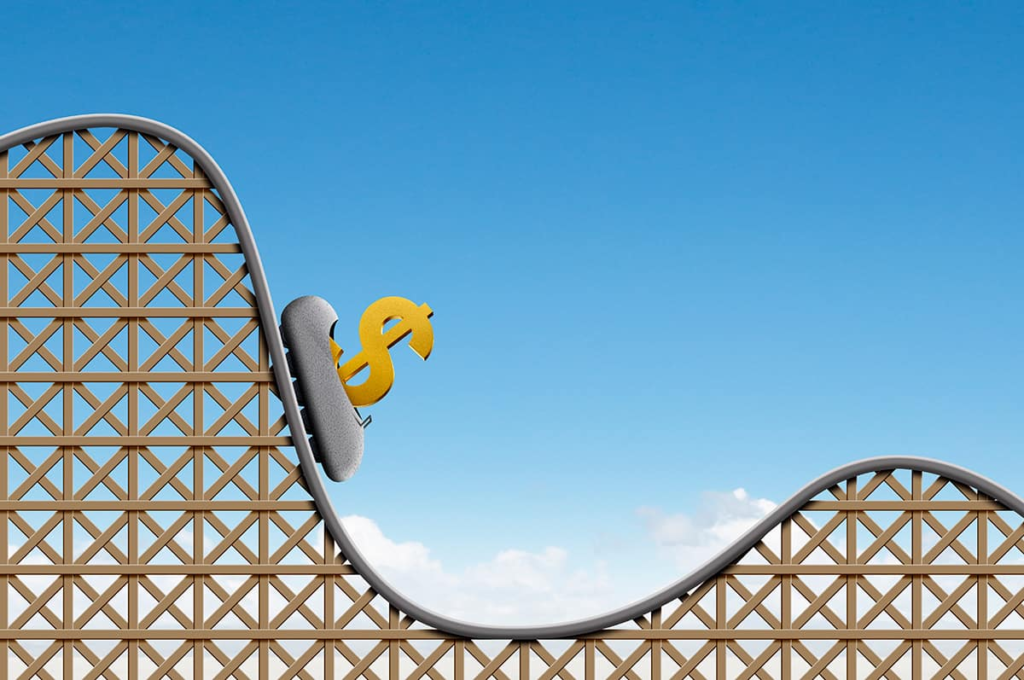
Right alongside politics is the steady, erratic heartbeat of the economy. You don’t need an economics degree or a massive stock portfolio to feel the weight of financial news. When central banks decide to hike interest rates or inflation numbers creep up, it hits home instantly. It dictates your monthly rent, the cost of your gas, and how far your paycheck stretches at the end of the month. For business owners, these updates are a survival map, showing them when to take a leap and expand or when to brace for impact. And because our global markets are so intricately knotted together, a financial tremor in one country can trigger an overnight landslide across the world.
The Frontiers Changing Our Tomorrow
The Tech Renaissance and the AI Boom
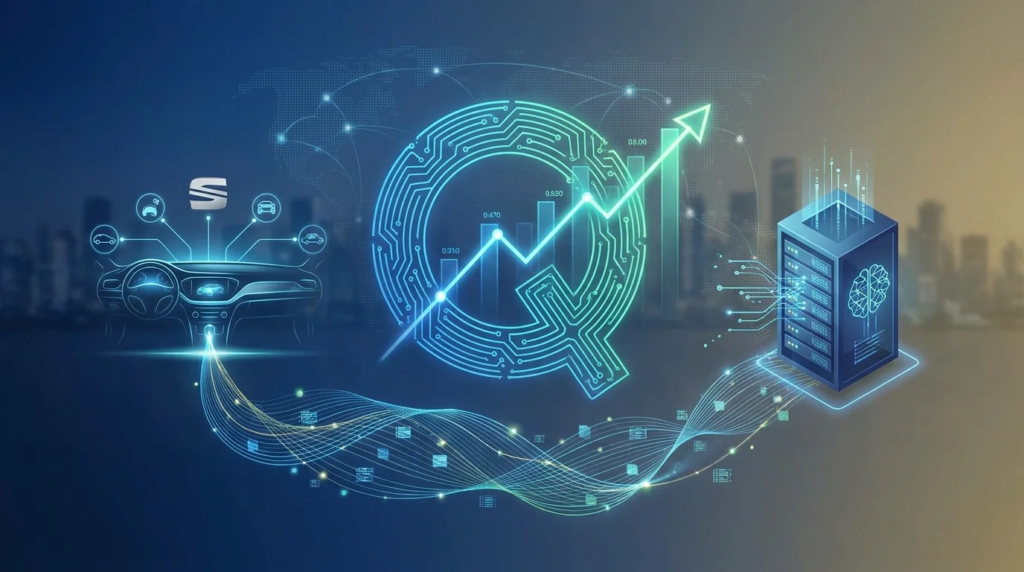

Some of the most wild, mind-bending headlines right now are coming out of the science and technology sectors. We are living through a period of innovation that feels downright surreal. Breakthroughs in medical research, green energy, and space exploration are constantly shifting what we think is possible.
Look at artificial intelligence—it’s no longer just a concept confined to sci-fi novels. It is actively changing how we write emails, manage our workloads, diagnose diseases, and automate boring daily tasks. Keeping tabs on tech news is essentially like getting an early copy of the future’s script, giving us a chance to adapt before the world changes without us.
The Climate Reality Check
Meanwhile, our planet is screaming for attention, making environmental news a front-page permanent fixture rather than a footnote. Wildfires, unprecedented floods, and severe droughts are fundamentally reshaping local economies and global policies. Extensive coverage of these events does more than just give us a heads-up to grab an umbrella or evacuate; it forces a massive, uncomfortable global conversation about sustainability and the long-term survival of our habitat.
Navigating the Static: The Modern Media Maze
Digital journalism has completely cracked open the gates of knowledge. We have the incredible luxury of tuning into deep-dive podcasts, investigative videos, and live tickers from anywhere on Earth. We can talk back to the media, voice our opinions, and participate in massive online discussions.
But this abundance has created a deeply human paradox: we are drowning in information, yet starving for the truth.
Information overload takes a real toll on our mental health. When every single notification on your screen screams with the same frantic energy, your brain naturally gets fatigued. The rise of algorithmic echo chambers and manipulative clickbait means we can’t just sit back and absorb what’s on our feeds. We have to become active gatekeepers of our own minds, intentionally filtering out the garbage to find the substance.
Keeping It Real: How to Spot the Truth
So, how do we protect our sanity and find out what’s actually true? It comes down to cultivating a healthy dose of skepticism and using basic critical thinking.
- Look for Actual Standards: Real, reputable journalists follow a code. They don’t just guess; they verify sources, interview experts, and publicly admit and correct their mistakes when they mess up.
- Demand Receipts: Trustworthy reporting doesn’t rely on vague assertions or “people are saying” gossip. Look for articles that link directly to official data, quote named specialists, and provide historical context.
- Triangulate the Story: If a headline sounds so wild or perfectly fits your biases that it feels too good to be true, hit the brakes. Check how other credible, independent outlets are handling the same event. Comparing a few different perspectives helps peel back the spin and leaves you with the raw facts.
Where Do We Go From Here?
The way we experience the world’s stories is only going to get weirder and more immersive. We are moving fast toward ultra-personalized feeds that learn exactly what makes us click. We are on the verge of seeing virtual reality play a bigger role in reporting, potentially allowing us to virtually stand in the middle of a conflict zone or a climate event to see the reality with our own eyes.
Yet, no matter how wild the gadgets get or how fast the delivery pipelines become, the soul of journalism will always be an inherently human thing. It is driven by raw curiosity, the search for truth, and our ancient, hardwired need to share stories that actually matter with the rest of the tribe.
The Bottom Line
At the end of the day, staying informed isn’t about hoarding facts so you can win a pub quiz or look sophisticated at a party. It’s about keeping your feet on the ground. It’s about pulling back the curtain to understand the invisible forces—whether they are political, economic, or environmental—that actively shape your waking life.
By choosing to seek out reliable sources and refusing to let clickbait do our thinking for us, we stop being passive spectators watching history happen from the sidelines. We become active, clear-headed participants in the messy, beautiful, fast-moving human story.
FAQ’s
1. What is breaking news?
Breaking news refers to important events that are reported immediately as they happen.
2. Why is staying updated with news important?
It helps people make informed decisions about current events, business, travel, and daily life.
3. How do people receive breaking news today?
Most people get breaking news through news websites, mobile apps, television, social media, and online platforms.
4. How can I identify reliable news sources?
Choose trusted news organizations that verify information, cite credible sources, and follow professional journalism standards.
5. How has technology changed news reporting?
Technology allows news to be reported and shared instantly through digital platforms, live streaming, and mobile notifications.