
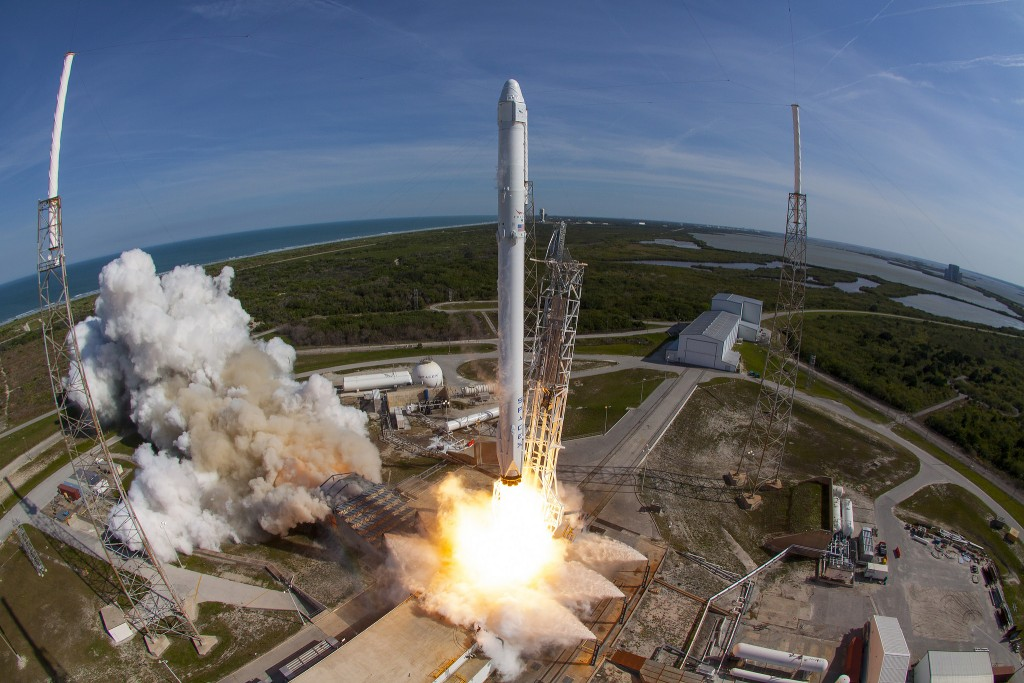
SpaceX has successfully launched a new mission, reinforcing its position as one of the world’s most influential private space companies. The launch marks another critical step in advancing reusable rocket technology, satellite deployment, and long-term space exploration goals. As the rocket lifted off flawlessly, engineers, scientists, and space enthusiasts worldwide watched a mission that highlights how rapidly commercial spaceflight is evolving.
This successful launch once again demonstrates SpaceX’s reliability, technical precision, and growing role in global space operations.
Mission Overview and Objectives
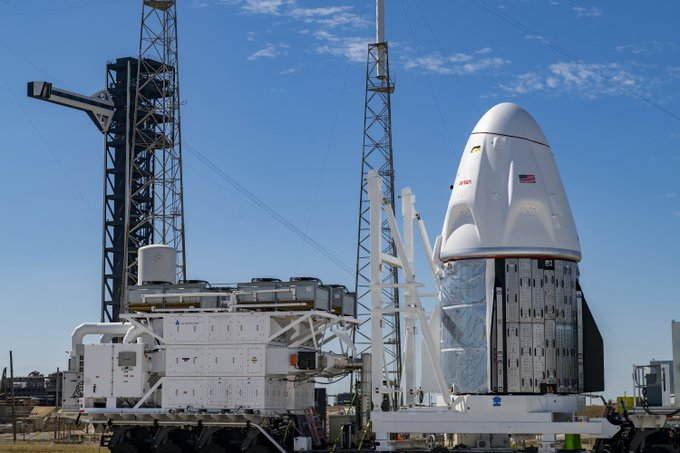
The latest SpaceX mission was designed with multiple strategic objectives, including the deployment of advanced payloads into orbit and the continued validation of reusable launch systems. Every SpaceX launch is carefully planned to balance efficiency, safety, and innovation, and this mission was no exception.
By placing its payload accurately into the designated orbit, SpaceX achieved mission success within minutes of liftoff, confirming the strength of its flight systems and ground coordination.
These missions play a vital role in expanding satellite networks, supporting research, and enhancing communication infrastructure worldwide.
Rocket and Technology Behind the Launch
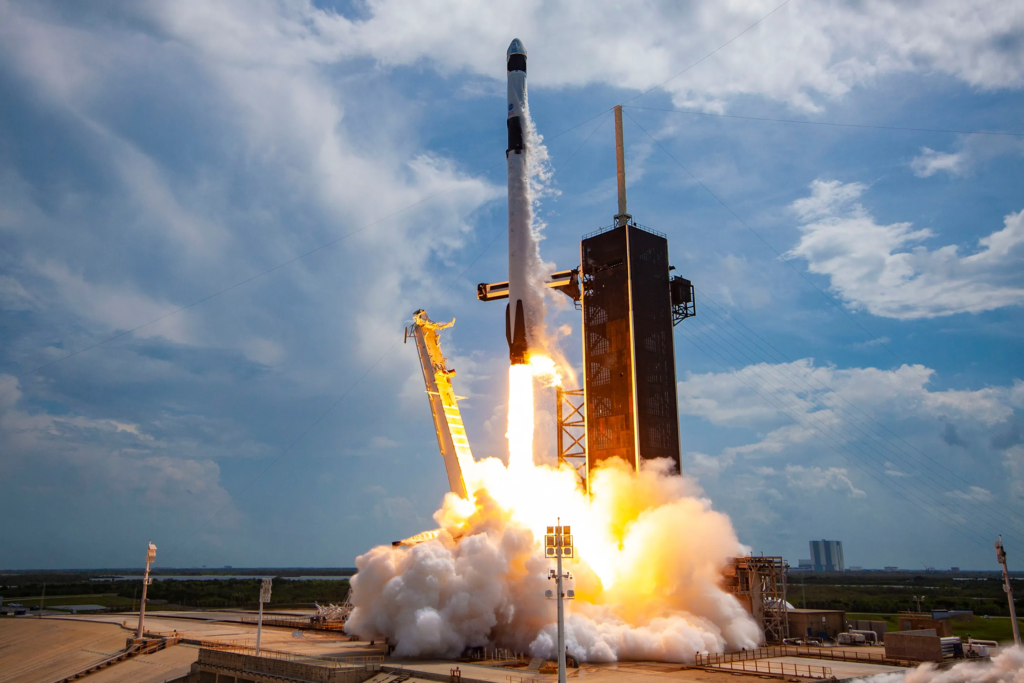
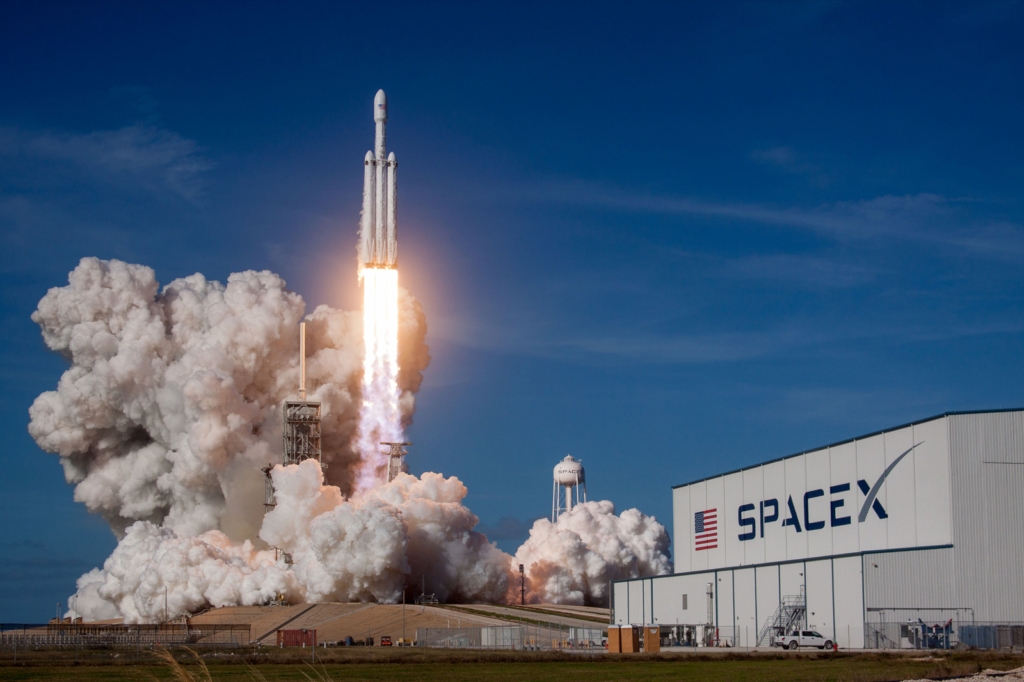
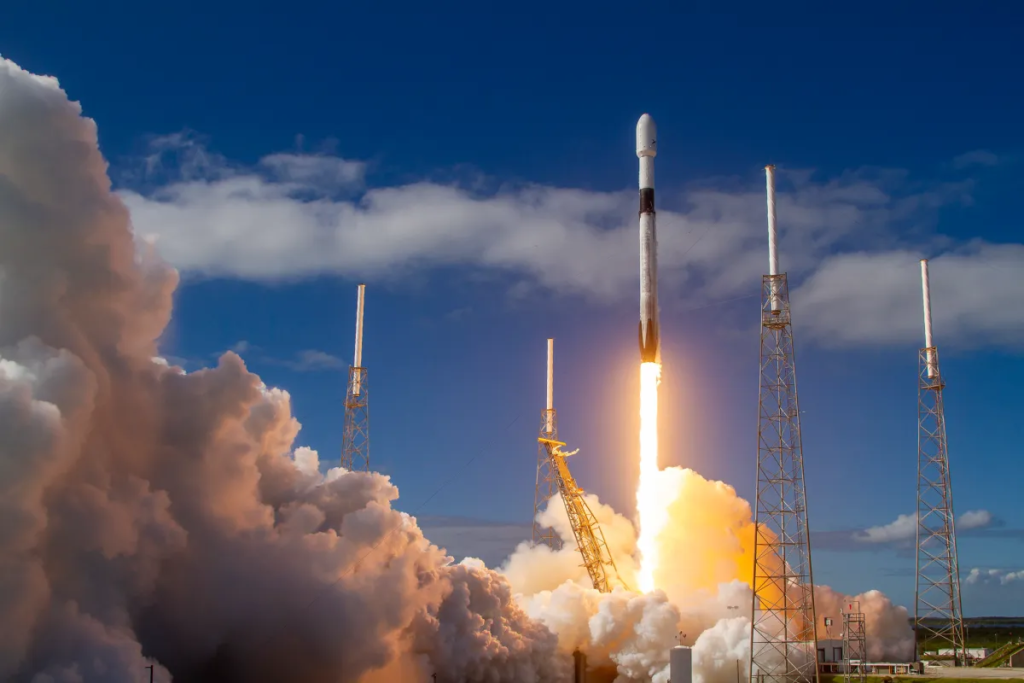
The mission was carried out using SpaceX’s proven Falcon 9 rocket, a launch vehicle known for its reusability and cost-effectiveness. One of the defining features of Falcon 9 is its first-stage booster recovery, which allows SpaceX to significantly reduce launch costs while maintaining high safety standards.
After stage separation, the booster executed a controlled descent and landing, either on a drone ship or a designated landing zone. This recovery is not just visually impressive—it is a core part of SpaceX’s long-term vision to make space travel more sustainable and frequent.
Payload Details and Importance
The payload carried during this mission plays a crucial role in advancing space-based services and scientific capabilities. Whether supporting communications, Earth observation, or research, SpaceX payloads are designed to deliver real-world benefits on Earth while expanding human presence in space.
Accurate payload deployment is one of the most technically demanding aspects of any mission, and SpaceX’s precise orbital insertion highlights the maturity of its launch systems.
Why This SpaceX Launch Matters
This successful mission is more than a single achievement—it represents continued momentum in commercial spaceflight. SpaceX launches help reduce dependency on traditional government-only missions and open space access to research institutions, private companies, and international partners.
Additionally, each mission contributes valuable data that improves future launches, strengthens safety protocols, and supports ambitious goals such as lunar missions and eventual human travel to Mars.
Impact on the Global Space Industry
SpaceX’s consistent launch success is reshaping the global space industry. By lowering launch costs and increasing launch frequency, the company has encouraged innovation across aerospace sectors worldwide.
Other space agencies and private companies now operate in an environment where rapid development, reusability, and efficiency are no longer optional—they are the standard. This shift benefits satellite services, scientific research, and even disaster monitoring on Earth.
Environmental and Safety Considerations
SpaceX continues to refine its operations to minimize environmental impact while maximizing mission efficiency. Reusable boosters significantly reduce waste, and controlled reentries are designed to meet strict safety guidelines.
At the same time, mission safety remains a top priority, with extensive pre-launch testing, real-time monitoring, and post-mission analysis ensuring continuous improvement.
What Comes Next for SpaceX
Following this successful launch, SpaceX is expected to proceed with an ambitious schedule of upcoming missions, including satellite deployments, crewed missions, and deep-space exploration projects. Each launch builds on previous successes, bringing the company closer to its long-term vision of making space more accessible and enabling interplanetary travel.
With every mission, SpaceX proves that the future of space exploration is no longer distant—it is actively unfolding.
Final Thoughts
SpaceX’s successful new mission is a powerful reminder of how far space technology has come in a short time. Through innovation, precision, and bold vision, SpaceX continues to redefine what is possible beyond Earth’s atmosphere.
As global interest in space exploration grows, this launch stands as another milestone in humanity’s journey toward a more connected and space-enabled future.
SpaceX Current Launch & Mission Updates
| Update Category | Details |
|---|---|
| Latest Successful Launch | SpaceX recently launched another batch of 25 Starlink satellites into low Earth orbit from Vandenberg Space Force Base in California. The Falcon 9 booster landed successfully on the droneship “Of Course I Still Love You”, contributing to SpaceX’s growing Starlink constellation missions. (Space) |
| Starlink Network Expansion | Earlier in January 2026, SpaceX deployed 29 Starlink satellites from Cape Canaveral aboard a Falcon 9 rocket, showcasing continued expansion of global broadband internet coverage. (Space) |
| Operational Challenges | SpaceX has temporarily grounded Falcon 9 flights due to an upper-stage anomaly during a recent Starlink mission’s deorbit burn. The investigation with the FAA is ongoing before additional launches resume. (Reuters) |
| Impacts on Crew Missions | The Falcon 9 grounding was reported to potentially affect scheduling for the upcoming Crew-12 astronaut mission to the International Space Station, depending on the outcome of the Falcon 9 investigation. (Space) |
| Industry Shift in Launch Pads | SpaceX is transitioning Dragon capsule launches away from NASA’s LC-39A pad at Kennedy Space Center, as focus shifts toward Starship operations and alternate launch sites. (spaceflightnow.com) |
| Strategic Mission Focus | According to recent reports, SpaceX has delayed its Mars mission plans for 2026 to prioritize development and preparation for an uncrewed lunar landing targeted for March 2027. (Reuters) |
| New Satellite Tracking System | SpaceX has introduced a new “Stargaze” satellite tracking system to monitor thousands of objects in orbit in real time, improving space situational awareness and safety. (The Times of India) |
| Upcoming Rideshare Mission | SpaceX is preparing the Transporter-16 rideshare mission slated for March 2026, which will carry 57 customer satellites aboard a Falcon 9, further boosting access to orbit for global customers. (exolaunch.com) |
| NASA Crew Missions | NASA and SpaceX have announced briefings and scheduling updates for the upcoming Crew-12 mission to the ISS, which includes international astronauts, indicating continued crewed mission planning. (NASA) |
FAQs
#SpaceX #SpaceXLaunch #Falcon9 #RocketLaunch #SpaceMission #SpaceExploration #SatelliteLaunch #Starlink #ReusableRockets #Aerospace #SpaceTechnology #Carrerbook#Anslation#NASA #ScienceNews #GlobalNews #FutureOfSpace